Monthly Archives: March 2009

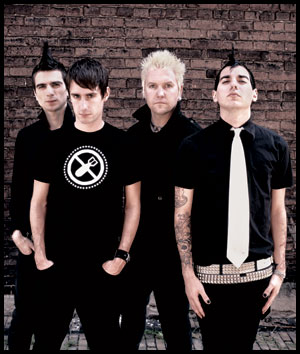
ANTI-FLAG WARN PROLETERIAT OF “THE TERROR STATE”

FORWARD: Talked to Anti-Flag frontman Justin Sane via phone in ’03. His band slowly built up a solid activist punk following after their ’96 debut, Die For The Government, took hold. But I admit losing touch with these political music pundits thereafter, missing out on ’06s For Blood And Empire and ’08s The Bright Lights Of America. Ironically, these last two titles were put out by RCA Records, a dismal major label that I’d bet never fully supported Anti-Flag’s righteous political agenda or understood their young fans plight.

Unlike common contemporary punk slackers bitching and moaning sans purpose, Pittsburgh’s politically charged Anti-Flag preach empowerment to its youthful audience. They’ve fought for the prison release of controversial journalist Mumia Abu Jamal (a Philadelphia-based Black Panther accused of police murder), had the American Civil Liberties Union thwart injustices against high school students, and continually attend anti-war protests.

But considering left-leaning vocalist-guitarist Justin Sane was the ninth and last child of activist working class Irish Catholic parents who ran a successful vegetarian restaurant and were involved in anti-nuclear and environmental rallies, these distinguishing facts should come as no surprise. Before taking up guitar and drums, he learned violin in order to play traditional Irish music with his entire family.

As a teen, he heard the Sex Pistols and The Clash through his older siblings
“Those bands were rebellious expressing anger and frustration. I remember going to school in first grade with a shitty radio-cassette player with one speaker and bringing in the Sex Pistols tape for the class. Between my parents’ activist background and hearing Fugazi’s ‘we really care about things’ got me to where I am now,” Sane recalls.

As luck would have it, he did meet original Sex Pistol Glen Matlock at the Rock And Roll Hall Of Fame recently.

“They had a punk retrospective and we agreed to play as a full band with him. But only Matlock, an acoustic guitarist, and I got to do the three-song acoustic set,” the spirited tenor admits before offering some historic punk retrospection. “The ‘70s punks had nothing going for them, were anti-social, and totally crazy. There’s a total beauty in that. On the other hand, some punk nowadays is lame and boring. But some does have fury, excitement, and validity to younger fans unaware of punks’ past. It could still be threatening, dangerous, and make a statement.”

He continues, “One of the things that amazed me is how instrumental Matlock was in writing the riffs to the Sex Pistols well-known songs “Anarchy In The UK” and “Pretty Vacant.” He was an original member, whereas Johnny Rotten wasn’t. What eventually happened is Johnny and him didn’t get along. When he left because it wasn’t working out and he wasn’t having fun anymore, he didn’t really care. Once Sid Vicious came in, the press caught on and he missed the avalanche of the Pistols blowing up.”

Like his predecessors, Sane knows first-hand how difficult it is to keep a band running for an extended period. He and drummer Pat Thetic have been through a few lineup changes since forming Anti-Flag in ’94, settling in with bassist-vocalist #2 and guitarist Chris Head a few years back. After a friend pressed several DIY 7” singles of dubious quality, they recorded ‘97s formative Die For The Government and, through New York City’s fine Go-Kart Records, their pre-millenium “universal call to arms,” A New Kind Of Army.

“We got more intellectual by then. Our politics weren’t so black and white,” Sane claims. “By Die For The Government, we were angry about the Gulf War Syndrome, where chemical weapons were used and the government tried to hide the fact. It was a giant ‘fuck you’ for allowing innocent people to suffer.”

Their third album, Underground Network, found Anti-Flag at the top of their game, as NOFX frontman Fat Mike took interest in the band after seeing them perform on the Warped Tour and signed them to Fat Wreck Chords. Held in high esteem amongst punk aficionados, this tidy album boasted better songwriting and more diverse instrumentation than its precursors. Contentious artist John Yates, whose designs donned covers by satirical punks the Dead Kennedys and lesser-known ‘80s Alternative Tentacles artists, provided stimulating design.

For a slight derivation, Anti-Flag released the half-live Mobilize independently in 2002, first on-line, then to the stores. Because of the stigma involved with the misunderstanding concerning their seemingly un-American moniker following the events of 9-11, the band let their noble position be known first-hand on “911 For Peace.”

Sane urges, “Anti-Flag stands for the social cause of those shunned by our government. The basic message is to solve our problems peacefully. I won’t argue that Saddam Hussein is a total scumbag who should be hung up, but the Gulf War being fought by George W. Bush and the oil industry is to secure more oil. The reasons cited for war – weapons of mass destruction and Nigeria’s enriched uranium being sold to Iraq – don’t exist. While we fight an unjust war, the government is cutting veteran’s benefits while they’re getting shot at.”

Which brings us to the most biting commentary Anti-Flag has unleashed yet. On ‘03s powerful The Terror State, the quirky quartet quell conservative pundits with damning criticism and witty sarcasm. Its daring title, as purposely ambiguous as Justin Sane’s stage name, rivals the stunning militaristic cover photo projecting a camouflage-wearing, machine gun-toting, pre-teen blonde girl in a brick-strewn war zone alertly saluting forward.
The satirical “Sold As Freedom” douses violent flames with gasoline, as Sane alertly notes, “since everyone’s trying to end terror by creating more warfare and confrontation.”

“Rank-N-File” snubs hypocritical elitist pricks while “Turncoat! Killer! Liar! Thief!” sneers at President Bush’s insensitive war mongering ways.
In a move similar to Billy Bragg & Wilco’s terrific one-off collaboration, Mermaid Avenue, which unveiled unrecorded Woody Guthrie songs, Anti-Flag borrow the folk icon’s “Post War Breakout.”

“Woody’s daughter found out from her son, a fan of ours, that we credited him in Underground Network by taking his line ‘This Machine Kills Fascists.’ She contacted us and gave us the lyrics to “Post War Breakout,” which were so timeless they felt parallel to the situation we’re in now with troops returning and no jobs being available,” Sane shares.

Fellow rock activist Tom Morello of Rage Against The Machine, a long-time Anti-Flag fan, accepted production duties and convincingly widened their dynamic range.

Subsequent to trimming 50 tracks down to The Terror State’s diversified essence, Sane maintains, “We asked Tom to produce because we felt we had our own sound, but thought outside suggestions may add some separation between songs and make them more (disparate). He told us if we like a Johnny Cash, Elvis Presley, or Dr. Dre song and really enjoy the beat, try to write a song around it. I think that’s how “Post War Breakdown” got started. #2 came up with the beat. He’s into RATM and sings close to Zach De La Rocha on that.”

Despite all the hatred and greed Sane sees in the political and corporate world, he remains cautiously optimistic about America’s future.

“The potential of this country is incredible, but there’s so much waste due to corruption. The deficit is $400 billion. People want socialized medicine, but military spending overtook that matter. Yet senators and congressmen are guaranteed the best socialized health care for life and they’re telling Americans they can’t get the same care. Most of my friends have no health care and owe college loans of $70,000 while making only $50,000 a year. Do the math.”
-John Fortunato
xxxxxxxxxxxxxxxxxxxxxxxxxxxxxxxxxxxxxxxxxxxxxxxxxxxxxxxxxxxxxxxxxxxxxxxxx
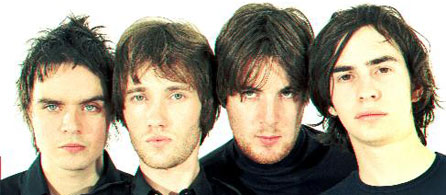

AMBULANCE LTD. “LP” NO GENERIC PUSHOVER

FOREWORD: After a show at Maxwell’s in Hoboken, I hung out with Ambulance Ltd. in my van. While leader Marcus Congleton (who, according to Wikipedia, worked with Velvet Underground icon John Cale on an ’08 album) was a cool dude, his ex-guitarist Benji Lysaght, tried unsuccessfully to sabotage my tape deck and kept drunkenly telling us the Lakers were gonna be basketball champs – not! Along for the ride were two Britney Spears lookalike groupies. One wasn’t wearing undies and I saw her brown beaver. Yum.

Ambulance Ltd. first infatuated me when they opened for artful Manhattan-based bohos Skeleton Key at the Mercury Lounge in ’03. Their intricate Jazz-informed post-rock confections swerved through lucid dual guitar vibrancy and subtly complex bass-drum rhythms underscored by echo-drenched keyboard swells. Moderately daring, oft times eloquently understated, each restrained piece built from sparsely dirgey auspices before lead singer-guitarist Marcus Congleton’s swarthy lyrical gloom unfurled exhilarating climactic emotional release. Their initial self-titled 5-song EP clearly evinced Ambulance’s sonic wizardry.
Signed to local TVT Records, Ambulance Ltd. are busy touring for their ambitious long-play debut, plainly entitled LP. Beginning with the beautifully transporting instrumental, “Yoga Means Union,” LP’s blurry surrealism mashes icy blues premonitions with meditative folk reflections. The caramelized seductiveness and spacey ambiance consuming the moody convalescent “Ophelia” and the penetrating sedation of the echo-drenched, surf-wired “Sugar Pill” flawlessly detail its plush veneer. Gleaming brilliantly, “Stay Where You Are” creates a swirled psychedelic illusion Spacemen 3, Spiritualized, Ride, and Radiohead fans should appreciate.

Though the combo now claim New York City as hometown, Pacific Northwest-bred Congleton and native Belfast, Ireland drummer Darren Beckett brought in New England-raised bassist Matt Dublin and Santa Monica-reared guitarist Benji Lysaght after Ambulance’s original two members quit.

Despite differing backgrounds (Pixies-loving Beckett and Guns N’ Roses loyalist Lysaght experimented with disparate Jazz troupes while Dublin adored Black Sabbath), they settled on a sound closer to British shoegazers Jesus & Mary Chain and My Bloody Valentine, only more tranquil, reserved, and ethereal than those respected ‘80s feedback-skewed lynchpins.

Concerning the bohemian haven of Eugene, Oregon, where Congleton grew up, he proudly boasts, “I loved it. Homegrown bud, Nintendo, snowboarding, dreadlocks, guitars, and hippie hats ruled.”

Congleton spoke via phone just before Ambulance Ltd. headed to Atlantic City in April to open for dramatic rockers Live.

Since you grew up in American bohemian capitol, Eugene, were your parents stoners?

MARCUS: I’m sure they were. They lived in California during the ‘60s and played Doors, Stones, and Dylan when I was young. That was a big influence. My mom is from Palo Alto and my dad from the Eastern Oregon desert. They went to college together, moved to Portland as social workers. I grew up in Eugene until I was 19. Underground punk bands would come through to play tiny Icky’s Teahouse. Kids would get drunk in the parking lot. It was irresponsible and the city shut the venue down for being too hip.

Why’d you decide to move cross-country to New York instead of going to nearby music mecca San Francisco?

I was thinking of going there first. But I got the feeling San Francisco wasn’t big enough. I visited Chicago and liked it, but I’d never been to New York and there was nothing like it. Darren and I played in a different band, the Interpreters, at first for months. They started in Philadelphia, moved to New York, but we’re not on their album. I did a bunch of unofficial gigs with them.

Why does your debut full length, LP, have such a generic title?

We couldn’t think of a name. So when we designed the cover, it didn’t seem like there was room for a title. We thought it looked better with the band name and nothing else.

How were the four songs chosen from the EP changed for LP?

“Heavy Lifting” and “Young Urban” were completely re-recorded from scratch while “Stay Where You Are” and “Primitive” were re-mixed with beefed-up production and guitar tones added.

Is there a political message hidden inside the deeply profound “Primitive”?

Nothing too literal. It’s a sarcastic rant.

“Primitive” seemingly juxtaposes “Anecdote,” which is a spry piano-based walk in the park reminiscent of Brewer & Shipley’s stony “One Toke Over The Line.”

We were going for “Oh Yoko,” actually. It’s shameless. (laughter)

In reference to Yoko, your songwriting tends to be influenced by her late husband, the great John Lennon.

Yeah. Him and Dylan are my guys. Elliott Smith was great. It was sad business when he died. He had a problem with his wrist. He did a solo acoustic set in Portland I saw. He didn’t look well. He was fucking up words and guitar parts. The people loved him anyway. We played “Coming Up Roses” at our CMJ Mercury Lounge show in dedication to him.

One of Ambulance’s most accessible tracks, “Stay Tuned,” was relegated to LP’s end. Why?

We don’t play that live. It’s an older song we revived. It’s not part of our repertoire so we didn’t want to feature it up-front. But I like it.

Do you use “Yoga Means Union” as a live opener since it’s got that slow rhythmic froth as a perfect lead-in?

Actually, we’ve been closing with it since it climaxes well, leaving the audience at a high point.

What’s with its transcendental title?

I saw it in an Alister Crowley yoga book and couldn’t resist it. But I don’t qualify as a devil worshipper.

How did veteran producer Jim Abbiss’ studio mastery affect the recording?

He uses these vintage ‘60s analog tools for a thick, dreamy quality. He has a keen sense of how to make guitars-drums blend creamily. His engineer produced our EP, which had a lush wash of guitars.

To expound on that idea of mystical dream-like arrangements, “Heavy Lifting” boils to a fervent crescendo softened by contemplative piano mellifluence.

Yeah. I got the title from this moving guy, The Man With the Van, whom I used to work for. So heavy lifting was always on my mind. But I wrote it about my girlfriend I was living with at the time. She got picked up in Brooklyn on a drug charge and went to jail. I remember writing it waiting for her to get out.

Is there a peripheral thematic flow to LP?

Not really. The first three songs go down by half steps. We wanted to change it up. But we’ve been thinking of doing an album with one theme.

Being that there are only a dozen recorded songs Ambulance has exposed to the buying or downloading public as of this writing, is it difficult to maneuver songs live? Or do you throw in new tunes?

We add a few covers. We’ve done the Pixies’ “Invisible Man” for awhile. But we usually only get to play for 45 minutes so we don’t have to deal with that issue.

Have you thought about adding lights and visuals to the live presentation?

We’re trying to do it more. We were working with a lighting guy at our last few bigger shows. We’re getting more involved with that. I think it’s important.

I understand blue-eyed soul by Hall & Oates, Seals & Crofts, and Steely Dan has influenced you since Ambulance formed.

These kids who started Ambulance, our old guitarist and bassist originally from Cleveland, used to play them. They loved that ‘70s stuff which I’d never checked out before.

Are you friends with cool Brooklyn-based bands such as the Yeah Yeah Yeahs, Ex-Models, Liars, or Les Savy Fav?

I like those bands but they came before us. We’re better friends, musically and artistically, with Inouk.

ERIC AMBEL CLEANS OUT CLOSET FOR ‘KNUCKLEHEAD’

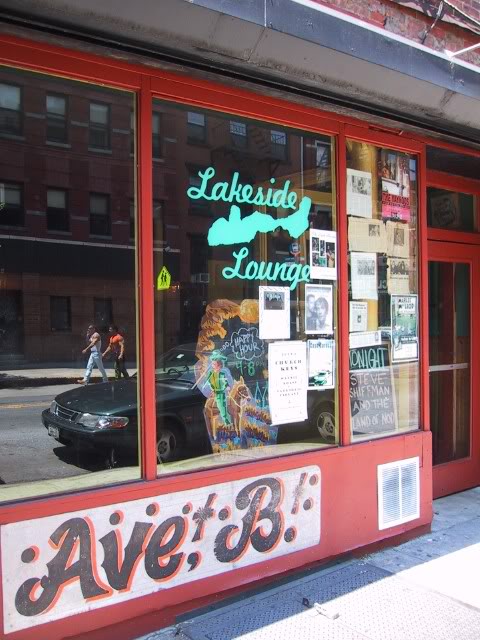
FORWARD: I got to hang out with Eric Ambel, best known as leader of punky ’80s alt-country progenitors the Del Lords, at his tiny Lower East Side pub, Lakeside Lounge, in 2004. He had long since gone solo after playing backup for sundry indie bands. Though often overlooked, the hard-driving rockers he composed for the Del Lords indirectly informed Whiskeytown, the Jayhawks, and Uncle Tupelo.

Getting settled in the Big Apple could be a daunting task for a genuinely honest individual from America’s rural interior. So it’s quite an impressive achievement when a dedicated Lake Geneva kid conquers the odds by indirectly inspiring a generation of earnest No Depression throwbacks, then running a successful Brooklyn studio and quaint Lower East Side bar while flaunting his wares as a highly respected artist-producer in this prodigious city.
Remarkably, former Midwesterner Eric ‘Roscoe’ Ambel began playing in paid bands at junior high level, moving from heartland Wisconsin to the wondrous ski mountains of Wyoming in ’77 with formative punk outfit, the Dirty Dogs, whose cryptic cult was secured by the single “Sorority Girl.”

“When we first moved there, we thought, ‘this is beautiful, but don’t tell anybody about it.’ We were notorious in our small town,” Ambel recalls. “We’d go to Denver to open for touring punk bands. We exploded after moving to Hollywood.”

As a member of the Accelerators, then Top Jimmy’s pre-Rhythm Pigs combo, Ambel played all the now defunct L.A. hotspots, such as Blackie’s, Starwood, Club 88, and Madame Wong’s, during punk’s ’78 to ’80 heyday.

“I got my Germ burn. It was the ultimate Germs fan gesture – to have Darby Crash burn your hand with a cigarette,” he discloses prior to showing off the faded mark. “I gave him some Oxyn, a high-end pharmaceutical methamphetamine that night. There’s a compilation retrospective that’s got our stuff. Also, we were on the live Urgh! A Music War soundtrack.”

Subsequently, Ambel joined Joan Jett’s Blackhearts for the top selling breakout album, I Love Rock ‘N Roll, then formed cow-punk progenitors the Del Lords with fellow guitarist Scott Kempner.

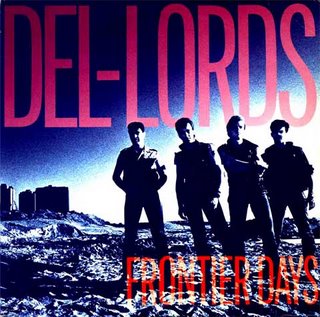
Consequently influencing late ‘80s alt-Country icons Uncle Tupelo and their ilk (along with good buddies Jason & the Scorchers), the Del Lords rootsy ’84 debut, Frontier Days, shocked rock’s underground with its great melodic grasp, clean guitar licks, slack harmonic charm, and a thin production someway befitting the lean arrangements. The sturdy “How Can A Poor Boy Stand Such Times And Live” bent old Country poverty sentiments into a revelatory rock setting primordial ‘70s precursors Flying Burrito Brothers, Poco, and the pre-fame Eagles merely touched upon.

“That was a long time ago,” Ambel admits. “I don’t know how far the influence goes. It’s odd. Our first two albums have been out of print for a long time. But as my friend (and frequent collaborator) Lou Whitney (guiding light of facetious corn-poke clans the Skeletons and Morells) used to say, we definitely tested roots rock positive. Those were the dark days of guitar recordings. You couldn’t find anyone who knew how to get a big, loud, clean guitar sound on tape. New York’s best studios weren’t recording bands. They were recording synthesizers and drum machines. It was a lost art with the advent of new wave.”

Nevertheless, aided by Pat Benatar producer Neil Geraldo, ‘86s investigative sophomore outing, Johnny Comes Marching Home, retained its predecessor’s raw verve and tight interplay while augmenting better studio dynamics. The tidy Based On A True Story nearly gained mainstream attention, but the fourth, final, compromised Del Lords album, Lovers Who Wander, Ambel tries to put out of his mind.

Despite such temporary negativity, Ambel continued to lay down tracks with the Morells, ex-dB’s leader Peter Holsapple, and singer Syd Straw on ‘88s Southern rock-spiked Roscoe’s Gang. Then, he followed this “fun, upbeat party record” seven years hence with mostly different collaborators (including Georgia Satellites pal Dan Baird, Jason & the Scorchers’ Warner Hodges, the Fleshtones’ Ken Fox, and Blood Oranges’ Keith Levreault) for the more serious-minded, guitar-wrangled, Neil Young-indebted Loud & Lonesome.

Both albums have thankfully been re-released alongside the recent closet-cleaning roundup, Knucklehead, on Ambel’s own Lakeside Lounge Records. Stylistically, these three collections cover wide territory, from grassroots acoustic retreats to full-blown distortion-rattling overloads.

“I don’t want to keep making the same record. I like to mix it up. You don’t have to put the hammer down all the time. If they’re all tall trees, how tall are they? If they’re all loud and fast, what’s the point? There’s nothing to counter it with. If you put that mellow tune on there, all of a sudden you’re ready to explode again,” he surmises.

Bob Dylan’s “If You Gotta Go, Go Now” and funk soul brother Swamp Dogg’s “Total Destruction In Your Mind” get musty barroom treatments on Roscoe’s Gang while Neil Young’s instrumental “Vampire Blues” incurs a sassy Western feel. Eerily reminiscent of the aforementioned enigmatic grunge godfather, Ambel whines and pines in a brooding higher register and cranks up the frazzled wattage when needed for the interrogative respite, Loud And Lonesome. Though its grumpy indictments aimed towards the record biz and possibly the ‘91 Gulf War get hidden beneath the surface, the hard-edged muscle car assault and counteractive semi-acoustic turnabouts truly “have a cloud over them.” And the traditional “Red Apple Juice”, done solo acoustic, hauntingly evokes Young dead-on.

“When I got to the second set, I realized I wanted to write songs I could do solo or with a small band since I didn’t have the money to tour with the Morells on the first. That’s how I got that ‘loud and lonesome’ sound,” Ambel discerns. “Knucklehead, by accident, has a stylistic unity, but it comes from various sources over 14 years of recordings. When I was writing those songs, Terry (Anderson), Dan, and I took little basic tracks, brought them home to put in my cassette 8-track recorder, then added overdubs.”

Blasting forth with spunky spontaneity similar to the Rolling Stones’ roughhewn classic Exile On Main Street, the reliable Knucklehead unfurls several Keith Richard-scoffed axe chords on the honky tonk stinger “Feel So Good,” the fuzz-toned heartbreaker “It’ll Only End In Tears,” and the vibrant Del Lords leftover “Shake Some Action.” Ambel revisits Tom Waits “Union Square” as a piano-based, guitar-etched Blues and gives Steve Earle’s previously unreleased slack lament “The Usual Time” a spiffy whirl. For “Judas Kiss,” formerly an energetic Del Lords anthem, Ambel strips down its rumbling auspices for a funereal laid-back boogie version featuring eminent Country-rock activist Earle on backup harmony.

“That song’s about a guy’s girlfriend becoming a coke whore and dying,” Ambel reflects. “I never thought the up-tempo version fit the words so I slowed it down.”

Earle, meanwhile, has kept Ambel busy as lead guitarist in his band for the past five years; going back to the earthy folk-ensconced Transcendental Blues.

“His new record is coming out in September. It’s called The Revolution Starts Now and it was recorded in his place outside Nashville,” Ambel says.
On top of that, Ambel and associates Baird, Anderson, and Keith Christopher comprise the Yayhoos, who’ve released Fear Not the Obvious awhile back and plan to drop Put the Hammer Down in 2005.

Ambel asserts, “It’s a progression from the first Yayhoos album, which was a songwriter session in a garage we did with six microphones and one little 8-track recorder. It wasn’t intended to be a record. It stayed in the can for six years. It’s pretty brutal. We thought we’d get a crack at the big time and were gonna use it as a demo. We’d do a track, finish writing words together, then we’d redo the thing informally. For the new one, we did a little bit at a time which I find more creative.”

Also, Ambel’s 24-track Williamsburg studio, Cowboy Technical Services, and past production work for the likes of the Bottle Rockets, Freedy Johnston, Nils Lofgren, Blue Mountain, and Chris Harford occupy any remaining time he might’ve had.

“I like to work with good songwriters. I recently worked with a crazy good Springfield, Missouri guy, Jessel Harry,” he boasts.

Interestingly, Ambel played guitar on the Run D.M.C./ Everlast rendition of Steve Miller’s swindling “Take The Money And Run” before hick-hop, by way of Kid Rock, and freshly, Bubba Sparxxx, got insanely popular.

During a July record release party at his own cozy Avenue B club, the Lakeside Lounge (which he has owned since ‘96 along with former rock writer-d.j. Jim Marshall), Ambel (plus band mates Chip Robinson, Drew Glackin, and James Murphy) verifies his firm grip on original material as well as two George Harrison numbers, the spiritual ballad “Beware Of Darkness” and the frolicsome reverb gambol “Wah Wah.”

A standing room only crowd of sixty witness the event while people peering in through the backroom window and glass emergency exit door watch curiously from the street as they walk by to see who’s making that infernal racket. Directly following this 75-minute show, he prepares to head for the road, stopping in Durham, North Carolina a week later, where I’ll once again catch this subterraneous legend doing another delightful gig.

So what’s the future hold for Roscoe’s Gang?

“I’m working on some stuff. That’s part of the reason I got Knucklehead out – to clear the slate,” he offers. “The songs dictate what the next album will be like. I truly enjoy playing with the guys I’m using now.”
-John Fortunato
xxxxxxxxxxxxxxxxxxxxxxxxxxxxxxxxxxxxxxxxxxxxxxxxxxxxxxxxxxxxxxxxxxxxxxxxxxxxxxxxxxxxxxxxxxxxxxxxxxxxxxxxxxx
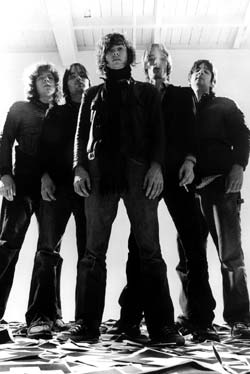
ALICE DONUT REINVIGORATED BY ‘THREE SISTERS’

FORWARD: Though Alice Donut obviously never garnered the aboveground attention they deserved, these heady Big Apple bohos certainly caught the attention of rabid dadaist punk-metal fans. In 2004, they returned from the grave with “Three Sisters,” a winning collection that inspired a full-scale subterranean comeback punctuated by ’06s “Fuzz.” After a live set at former Lower East Side club, Brownies, a few members begged me to drive them home to Brooklyn after imbibing bong hits. And I think another one was a reluctant speech writer or lobbyist for some conservative pundit.

Sometimes an extended hiatus regenerates burning desire in those few artistic individuals willing to expand upon their already heady ideals. Such is the case for devalued Lower East Side combo Alice Donut. Picture, if you will, a less depraved, more affable Butthole Surfers retaining the same odious vindictive streak, grotesque absurdist decadence, and scrappy psychedelic contour made all the more sinister by perpetual subversive undertones. Their pillaged moniker, a snickering rip on Detroit rockers Alice Cooper strangely juxtaposed against spook spoof Alice Doesn’t Live Here Anymore, plus habitually gruesome album titles, match the chaotic tangle of frayed metallic noise, daredevil punk entropy, and scurvy folk twists these crazed fascist denizens crave.

At its inception, Alice Donut got signed by esteemed political activist (and ex-Dead Kennedys frontman) Jello Biafra, whose Alternative Tentacles label brought forth ‘88s ear-mangling Donut Comes Alive (its epithet being a frazzled piss-take on Peter Frampton’s massive selling ’76 live set). Wily Cuban-by-way-of-Georgia vocalist Tomas Antona blurts profoundly bizarre convolutions on this formative debut, yowling, whining, and screeching over Columbia University pals David Giffen (golf pro; Howler Records owner) and Ted Houghton’s wrangling guitar-bass helix, jolting dexterous Pennsylvania-bred Michael Jung to axe wielding heights in the process.

“Everyone in the band has distinct character and different influences,” Antona offers as we suck down Sierra Nevada Wheat Beer in my van one stormy April night on 2nd Avenue. “Stephen (Moses-drums) loves Frank Zappa, weird-ass Jazz, and Stravinsky. Michael got into Goth shit like The Cure and Killing Joke and used to hang out with greasers wearing AC/DC t-shirts. He was into twisted stuff after that. His guitar shit will go into 14/6 time when you walk in. Everyone has varying ideas and nobody gives an inch.”

Jung adds, “Tomas will write a song, but it never turns out close to what he thought it would be. We give it our own spin.”

“I’ll come in with an idea, play it for these fuckers. Nobody smiles. Everybody shrugs. It ends up being totally perverted,” Antona counters.

“Michael has eight hours of tune snippets. When he listens back, it’s not in the same key or has the same rhythm. Stephen and Mike start fucking around, then Sissy (Schulmeister-bass) does something.”

Jung declares, “He’ll be, ‘Do this!’ We’ll say, ‘We’re not doing that.’ It’s completely independent.”

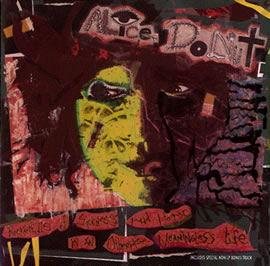
Despite such broad-minded autonomy, these adroitly deranged mongrels have anxiously tolerated each other’s piquant peculiarities and spontaneous whimsicalities throughout. ‘89s twin pillars, the savagely raw, playfully obtuse Bucketfulls Of Sickness And Horror In An Otherwise Meaningless Life and the sacriliciously schizoid Mule (original bassist Houghton’s final bow), set the stage for ‘91s metal-edged Revenge Fantasies Of The Impotent.

Jung recalls, “We did Revenge Fantasies in 14 hours. When we were doing the recording, Tomas was in the hallway getting lyrics ready. (Eccentric NYC producer) Kramer was a maniac. We’d try to hear something again and he’s like, ‘If you hear it again, it’ll lose the spontaneity. Ted would say, ‘Turn this up more.’ Kramer would rebut, ‘This is the mix!’”

“There was a story hidden in Revenge Fantasies and Kramer wouldn’t let me listen to the music,” Antona insists. “It ended up better ‘cause I would’ve changed the delivery. The first Gulf War was on our mind. That’s why we did Black Sabbath’s “War Pigs” and “Dead River.” There’s pieces of metal thrown in.”

Tracing back, Bucketfulls’ amusingly caustic “Lisa’s Father,” a sneering poke at a didactic Christian comic confronting a tiny molested girl and beaten-up Jack Daniels-consuming wife, became Alice Donut’s resonant calling card.

“That song didn’t fit on the first album, but that was how we got signed to Alternative Tentacles,” admits Antona. “You’d see those 4” by 2” born again comics on the street. There’s one on alcoholism. This one was about child abuse and totally fucked up and offensive towards the solution.”

“We’d made a home tape that’d been played at San Francisco’s KUSF. Biafra heard “Lisa’s Father” and wrote us a postcard, then came and signed us,” Jung infers.

By Mule, Schulmeister (now Antona’s wife) joined the touring unit just as the unholy disavowal “Mother Of Christ” defaced conservative snobs and had Catholic heads spinning.

Antona rationalizes, “Theologians have written shitloads about this. Medieval people would wonder, ‘Did Mother Mary cum?’ ‘Did the angel give it to her?’”

“Nobody’s buying the light in the ear theory,” Jung surmises.

Though more conventional, ‘92s wholly ambitious masterwork, The Untidy Suicides Of Your Degenerate Children, stands poised as Alice Donut’s crowning achievement alongside the ass-kicking Mule. However, notwithstanding great press and rising sales, concerned fans split into two camps speculating which direction they should take.

Antona explains, “Sonically, it’s best with noises and lots of different movements. It definitely had a louder production sound. Mule’s more playful and its lyrics might be better, but Suicides’ music is better and its mood grimmer.”

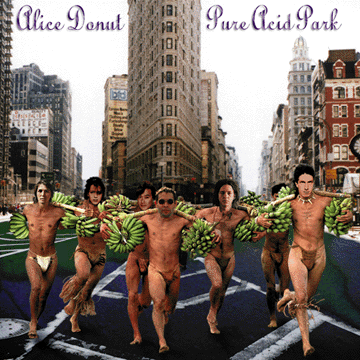
Though ‘95s resiliently pulverizing Pure Acid Park convincingly astonished their core audience by working banjo, washboard, and a Sissy-sung cover of Roky Erickson’s primeval psych classic “I Walk With The Zombies” into the mix, Alice Donut soon called it quits.

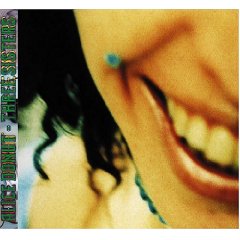
But a spark of creative intuition still existed, allowing the band to reform and release ‘04s resounding comeback, Three Sisters, on former comrade Giffen’s boutique Howler Records.

“It’s meant to be a trilogy (hence the title),” Antona claims. “This is the straight album. Some people say it sounds like rough drafts. These songs were longer, then chopped up.”

Jung asserts, “The second part of the trilogy may concentrate more on chopping things up, then piecing them back together again in a studio band situation. The third one would be to play the stuff we changed around and bring it back to real time. But those two parts may not be the next albums necessarily. We’re not making any promises.”

In spite of Manhattan’s higher rent costs, suppressive right-wing leadership, and nearby St. Mark’s Place’s phony trust fund ‘punk’ devolution, Alice Donut remain emphatically committed to bratty defiance on Three Sisters. Its opener, the molten trebly vamp “Kiss Me” bewitchingly snarls ‘did you miss me?’ in a facetiously degenerative manner. If the daringly snide “Cost” lacerates obstinate sociopolitical agenda, the half-spoken “Mr. Pinkus” mocks hypocritical high society wimps ‘searching in big pockets for that tiny rocket.’ With its imperative macabre lunge, the unsettled implosion “Helsinki” brings back memories of Blue Oyster Cult while its grungy buildup and cocaine indictment seep through to the archly cryptic “Wired.”

Even Three Sisters’ catchiest tracks maintain an undeniably cogent urgency. The hooky nasal-toned gimmick “Running Arms In The Philippines” packs an incessant punch mainstreamers should enjoy. Exploring a previously untapped sentimental side, the nearly poignant dirge, “Up Is Down,” faces everyday setbacks in an unexpectedly amiable humanistic fashion.
Comparing the current Lower East Side scene to that of the late ‘80s, both Jung and Antona confide that it’s more like Disney World now.

“I moved here in ’86,” Antona reminisces. “I still live on Avenue C. It was more exciting and fucked up then. There were lots of different music types: the Reverb Motherfuckers and the Willies. There was whacked out art – good and bad. The vibe and insanity influenced all of us. It wasn’t so codified. You’d see metal, hardcore, and soft folk bands next to each other. And it wouldn’t feel weird. At the end of 2nd and Avenue B was a heroin block. But it also had an amazing metal sculpture garden, the Garage. Even if you didn’t originally like someone’s art, you’d tend to be more struck by their individualism. The closed-mindedness of conformity has ruined this. Even the crusty punks and disco nights. I remember the first time I saw kids with enormous tennis shoes and bellbottoms in techno’s early days. Dee-Lite’s “Groove Is In The Heart” was a little splash. There’d be Gabby and hardcore punks, noise-rockers, a collection of characters.”

Jung follows up, “Back then, you’d fall into a hole in the wall to find great bands.”

As Alice Donut prepare to tour the West Coast and Europe before swinging back for an unofficial CBGB’s date in late July, busybody Giffen will likely rejoin the fearsome foursome as second guitarist. Long-time admirers already plan to expect the unexpected.

ACETONE CRUISE THRU ‘YORK BLVD’

FOREWORD: This article originally ran in Cover Magazine, a local Manhattan arts paper owned and operated by Jeff Wright. Unfortunately, months after the piece ran, Acetone bassist-vocalist Richie Lee commited suicide at age 34, July ’01. Formed in 1993, Acetone’s soft-toned folk-psych tranquility nicely countered the prevalent grunge scene’s nervy distortion-laced dislocation.

Meeting at a California art school several years back, guitarist/ vocalist Mark Lightcap and bassist/ backup vocalist Richie Lee originally gained exposure as part of San Diego’s high concept garage/ hot rod combo Spinout. But the contrivances of that bands’ singer and the firm belief they had taken Spinout as far as possible allowed the ambitious duo (along with recently departed drummer Steve Hadley) to form the highly respected band, Acetone. After a few promising, slo-core-related albums, they signed to Neil Young’s Vapor Records and recorded a critically acclaimed eponymous set that further expanded their impressionistic chill out sound.

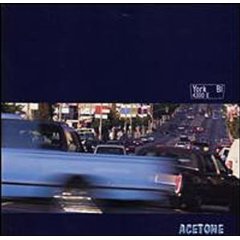
Though not as low key and sedate as its predecessor, their fourth album, York Blvd, still offers restrained late night ambiance, entrancing moodscapes, and dynamic tension. Breezy harmonies give “Wonderful World” a minimalist Yo La Tengo-ish resonation while gently hummed moans quietly melt over the delicately reverberating “One Drop.” Chilly organ and elongated guitar chords give “Vaccination” a soulful boost and the Jazz-tinged “Vibrato” gets inundated by a buzzy solo guitar break.

“This album is closer to our debut, with its diversity and arrangements,” Lightcap admits after a well-received one hour set at the tiny, smoke-infested confines of East Village bar, the Lakeside Lounge.

“I like the cozy atmosphere. I’d rather play the Lakeside for no money than the Knitting Factory (for money). The set up is easier and the audience is so close,” he says.

Packed tightly into the 1,000 square foot backroom space with only a few rickety speakers are an increasing number of fans. Some are sitting on the floor directly in front of the stage while others stroll in late and block my view from a table close by. As Lightcap and Lee sing in hushed tones, subtle melodic riffs drift through the dense, cigarette-filled air.

Though I only got to share a few thoughts with the polite Lightcap after the set, I remember the wisdom this Philadelphia native gave me concerning Acetone awhile back when they were opening for similarly penetrating band, Spiritualized.

He said, “Our music is totally triangular. It exists because we make music that is indigenous to us. When we play live, there’s a lot of improvisation. There are nights where you suck live. But that’s the price you pay for keeping it fresh. We don’t play free Jazz jams, but there are some wild card elements.”

In fact, York Blvd. escapes self-indulgence because Acetone remain confident in their ability to construct carefully calibrated five minute songs. The warm melodies slip into the ether on the subdued “19,” which recalls the dreamier escapades of Pink Floyd’s Wish You Were Here. The luminous “Like I Told You” has a cuddly feel that would fit in fine next to Fleetwood Mac’s worthwhile pre-fame album Bare Trees. Overall, a certain dramatic imagery enlightens each of the albums’ cuts.

Thankfully, Acetone has recently received radio exposure from New York’s listener supported WFUV-FM. Pulling into the driveway after heading home from a hard days’ work one night, it was so wonderful to hear the free form station discovering an understated group I knew deserved the recognition from the start. Here’s hoping their audience continues to grow.
-John Fortunato

BELLE & SEBASTIAN BIOGRAPHY – ‘Dear Catastrophe Waitress’

BELLE & SEBASTIAN BIOGRAPHY
“Dear Catastrophe Waitress”
(Rough Trade)

In the early ‘70s, detached rock heavyweights Led Zeppelin, Pink Floyd, and Steely Dan distanced themselves from their rabid minions by advantageously shunning interviews to garner larger-than-life mystique.

Though these rock figureheads went on to sell massive records and get rich, less determined Scottish underground pop mavericks Belle & Sebastian retain a smaller avid fan base earning far less money eschewing drooling press darlings.
Resisting the temptation of tabloid exposure, modest church janitor Stuart Murdoch may still be performing menial labor tasks while piloting the immensely evasive Belle & Sebastian.

A brilliant lyrical manipulator constructing remarkably pleasant low key tunes, Murdoch avoids the subversively camp, sugary twee-pop trappings epitomizing former fey fossils Pooh Sticks, Heavenly, and Jellyfish by using better lyrical imagery chiseled from a cynically mature perspective. Especially on early recordings, the ex-choirboy’s cautious, lisped Scottish accent – a chipper chestnut chirp – courted comparisons to ‘60s hippie Donovan’s fragile tenor wisp.
Perfecting deviously abstruse Beatles-Beach Boys songcraft, Belle & Sebastian managed to retain a healthy cult status ‘70s lost legends Big Star would appreciate. At their most tranquil, the resolute Glaswegians offered beautifully melancholic serenades of yearning vulnerability, nearly paralleling deceased folk icon Nick Drake’s brittle solemnity and pristine brilliance.
Countering the slash and burn of pre-existing shoegazer-grunge scavengers, Murdoch’s exhaustive emotional encounters and breathtakingly enthusiastic pronouncements were completely revelatory to nerdy teenage homebodies, attentive post-adolescent dames, and lonely abstinent collegiate conservatives wearily thirsting for canonical consultation post-Nirvana. Through his impressively pensive panoply of pastoral epiphanies and bucolic metaphors, the bashful, well-scrubbed shy boy effortlessly ushered in universal themes with an alluringly noir provocation as polished as the encrusted lush instrumental veneer partnered mainstays Stuart David, Stevie Jackson, and Isobel Campbell sustain.
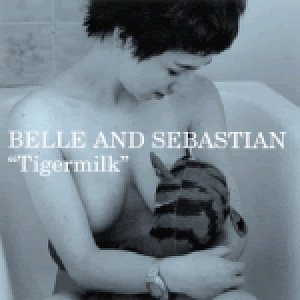
Debuting overseas with ‘96s promising soft folk invocation Tigermilk (belatedly released three years hence in America), Belle & Sebastian sprinkled sympathetic piano and delicately jangled acoustics atop Murdoch’s understated articulations of precarious timidity and shaken insecurities. They haven’t yet rediscovered the melodically tidy insouciance offered on “She’s Losing It,” or, despite contrary verbiage, the mellifluent lullaby “I Don’t Love Anyone.” On the punchy guitar-etched verses of the infectious hand-clapped ‘kiss on the cheek,’ “You’re Just A Baby,” memories of the aforementioned Big Star dance in the brain.

Overlaid by joyous flute, the tuneful piano reclamation “We Rule The School” revisits youthful observances with balladic splendor. Rejoicing over vanquished celibacy, “My Wandering Days Are Over” announces its victorious outcome with triumphant trumpets. “Expectations” connects its neo-orchestral spaghetti Western theme to Tijuana mariachi in a deliriously complex climactic manner as Murdoch’s childlike falsetto squeals the decisive ‘top of the world’ reprisal. Selling approximately 1,000 copies independently, Tigermilk became a wildly high-prized collectable prior to Matador Records’ U.S. distribution.
Murdoch’s exquisite songwriting and honeyed larynx may have peaked on Belle & Sebastian’s indelible worldwide debut, If You’re Feeling Sinister, an intimate homespun masterpiece distinctively delivering tender reflections with calm precision, subdued concision, and preppy prim. Like a prolonged kiss on a worthy first date, its cresting hook lines and swirling ebb tides navigate a young girl’s heart. Ably penning expressive stanzas that initially hold back vital information, Murdoch lets stories unfold piecemeal, allowing unexpected vexing text to circumvent ideal outcomes.
Singing in a daintily femme tone, the casually swaying opener “The Stars Of Track And Field” connects Sinister to Tigermilk’s finale, the debonair buttercup, “Mary Jo,” and its own coy closer, the sentimental dreamscape “Judy And The Dream Of Horses.” Seductive organ now commonly informs the artful dodgers’ expansive colourfield as spiffy horns receive better prominence amongst the pushed-forward acoustic embellishments.
‘Passive’ and ‘cuddly’ are two descriptive words not only inscribed on the suave redemption “Seeing Other People,” but also representative of the entire Belle & Sebastian canon.

On the lilting title track, children play in the background as consolable Catholic convolutions caress carefree pianissimo. Delving deeper into social situations, a train whistle summons the caustic “Me And The Major,” which confronts the unwieldy generation gap separating two rail-bound passengers. Danger awaits an unsuspecting gal in the stalking “Like Dylan in The Movies,” which takes the alluded iconic singer-songwriter to task by whimsically referencing his circuitous Don’t Look Back documentary.

‘98s admirable The Boy With the Arab Strap may be a tad short on originality and fresh ideas, but the symphonic beguilement “Dirty Dream #2” and the Country-quilted “Simple Things” relish in the dazzling serendipitous wonderment of yore. Although the neo-Classical “Chick Factor” stumbles over some obvious psychedelic Left Banke chords, it gets thumbs up. So does the glossy soul confection “The Boy With The Arab Strap” (by definition: a subjugating penile appendage).

But the tear-stained tranquilizer “Seymour Stein” (an unlikely ode to the Sire Records magnate) and the ponderous prog-rock misstep “Spaceboy Dream” fall short of expectation. Analogously, the contemplative “Sleep The Clock Around” reviews the falling fortunes of a promising lass.
Despite rumors concerning Belle & Sebastian’s forthcoming demise, breakup, or retirement, ‘00s shimmering Fold Your Hands Child, You Walk Like A Peasant kept the church candles burning. The stately harpsichord-laden confessional “The Model” illuminates brightly against the stark “Beyond The Sunrise,” which surprisingly features Stevie Jackson’s deep baritone and newest member Sarah Martin’s velvety contralto. Martin also handles the affable lunar reconciliation “Waiting For The Moon To Rise.”

But it’s the Murdoch-sung retro-soul maneuver, “Don’t Leave The Light On Baby,” that truly hits home in a sullen manner dark luminaries Lambchop and Tindersticks comprehend. The song title “Nice Day For A Sulk” summarizes the oft-times overcast mood.
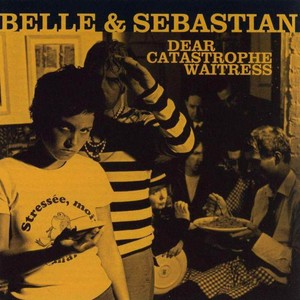
Unexpectedly, the Glasgow troupe handed the reigns to overzealous producer Trevor Horn (ABC/ Frankie Goes To Hollywood) for ‘03s multifarious comeback, Dear Catastophe Waitress, which coincided with their longest US tour (a mere 15 dates). Though it’s doubtful any divergent paths chosen lead down blind alleys, a sense of lost innocence and indecisiveness account for slight alterations. Whereas past recordings hid imaginative borrowings, such is no longer the case.


Yet Murdoch’s tricky lyrical juxtaposition between guarded optimism and despairing disillusionment remained unfettered.
There are some winning moments, indeed. The challenging suite, “Step Into My Office Baby,” intertwines loopy horn flutters, chuggin’ guitar-drum beats, Carnaby Street pop, and billowy Beach Boys harmonies into a festive exhortation discerning fans will be rapturously caught off-guard approving.
Just as unanticipated, the ensuing “Dear Catastrophe Waitress” maintains the same expeditious tempo, gaining resilience from its chopped-up titular refrain and tossing in muted trumpet and xylophone amongst crashing orchestration. Singing more assuredly than ever, Murdoch’s excitable tenor wondrously climbs above the Gospel-licked organ grazing the gleeful “If She Wants Me.”
However, the seams begin to show as stylistic fodder conveniently concealed in the corridor on previous long-players now affects Belle & Sebastian’s majestic grandeur first-hand. The cheeky Anglo-folk strummer, “Piazza, New York Catcher,” dangles the baseball superstar’s sexuality across a love tryst while the Left Banke’s dour hit single, “Walk Away Renee,” gets used as an ironic epitaph (further enforcing that ‘60s band’s minor influence). The vindictive snickering snipe “You Don’t Send Me” snubs a bygone ‘darling’ by inverting Sam Cooke’s nifty love classic and familiar Thin Lizzy guitar riffs saddle the horn-soaked “I’m A Cuckoo.”

Nonetheless, the extended sextet sail home smoothly on the seaworthy private school remembrance “Lord Anthony” and the funky faux-Jazz fling “Roy Walker.” The latter benefits from newfound clustered choral chanting, barroom blues guitar vamps, and a “Highway 61” kazoo signature. “Stay Loose,” a salient new wave/ garage-meshed organ droner, ends the variegated disc on an encouraging note.
Continually elusive, Murdoch, to my knowledge, has only granted one Waitress interview thus far – for satirical bastions The Onion. He remains a reluctant avatar a la greater known ex-Pink Floyd acid casualty Syd Barrett and brain-damaged original Fleetwood Mac guitarist Peter Green. Let’s hope he doesn’t suffer their enigmatic fate.