Monthly Archives: May 2009

PAVEMENT @ ROSELAND BALLROOM

Pavement / Roseland Ballroom / May 11, 1997


Historic Roseland Ballroom may be the most sterile sounding New York venue due to its monstrously high ceilings and under-whelming sound system. Happily, Pavement and their sound crew did enough solid preparation to overcome any venue limitations. Mixing in tunes from ‘97s Brighten The Corners alongside several fan faves, the critically raved Pavement proved to be at the top of their game on the way to glorious alt-rock heaven.

Dressed in collared shirts, the frontline of literary-bound singer-songwriter (and indie rock idol) Stephen Malkmus, guitarist-singer Scott ‘Spiral Stairs’ Kannburg, and bassist Mark Ibold provided sharp riffs, wry humor, and a relaxed atmosphere for the attentive crowd. Behind them, Moog playing percussionist Bob Nastanovich’s electronic textures and drummer Steve West’s sturdy beat kept the rhythm strong. And the sparkling tinsel backdrop gave Pavement’s moody reflections and climactic stanzas an abstract aura.

In a roundabout way, Malkmus’ cranky, whining vocal tendencies recall the naïve plaintiveness of cracked folk-rock waif Joanthan Richman. But unlike Richman’s twerpy, defeatist anthems, Malkmus mirrors his anxieties with sarcasm and alluring provocations (not all of which are meant to be clearly understood). He screams excitedly of initially hearing his song on the “Stereo,” then casually lifts Richman’s famous “Roadrunner’ hook line (“I got the radio on” conveniently shifted into “got the radio active”) for the down ‘n dirty “Best Friends Arm.”

Heads in the crowd were bobbing to the intense “Conduit For Sale” (loosely dedicated at this hometown show to the Knicks’ John Starks), as Nastanovich stepped up from behind his kit and forcefully screeched the nervous refrain over a sizzling beat. The refreshing “Shady Lane” was a power pop blast that gave West a chance to sport a spooky skeleton mask from behind his drum kit. With breezy harmonies and cool summer night imagery, “Starlings Of The Slipstream” retained a pleasant acoustic atmosphere.

After a three-minute break, Pavement returned for a generous encore. It began with the delicate, cracked sentiments of “Stop Breathing” and concluded with the endearing “Grounded.” Despite a few slightly extended guitar excursions (which could have been sliced to allow for a few more vintage tracks) and unintentionally muted harmonica passages, Pavement’s courageously open-ended songs pleased the underground enthusiasts and smart pop fans on hand this Sunday evening.

SKELETON KEY OPENS MANY DOORS ON DEBUT E.P.

FOREWORD: Skeleton Key is the brainchild of ex-Lounge Lizards multi-media semi-celebrity, Erik Sanko. They were easily one of the best New York City art-damaged freeform rockists hitting the scene in the mid-‘90s. And they deserved better exposure.

One of the best live bands I’ve come across, each individual member had their own distinct personality (at least the first version of this ever—changing entourage). In’97, I got to speak to the entire band prior to a Knitting Factory gig. They were demure off-stage; totally uncontrollable onstage. Sanko’s Skeleton Key went on to record ‘97s Fantastic Spike Through Balloon and ‘02s Obtanium (pictured below postage-stamped EP), but neither caught fire the way they should’ve. Sanko creates marionettes when he’s not busy playing out. This article originally appeared in Aquarian Weekly.


On their clever self-titled six-song EP for boutique label, Motel Records, found sound architects, Skeleton Key, widen the ever-shifting parameters of contemporary rock, melding rudimentary instrumentation and offbeat ideas into organized noise. Though its four members formed the band in New York City, they’re all originally from scattered parts of America.

Arkansas-bred guitarist Chris Maxwell, DC-via-Texas drummer Stephen Calhoun, Oregon junk percussionist Rick Lee, and Staten Island bassist Erik Sanko each bring separate, but intricate elements to Skeleton Key’s disparate sound. And with any luck, they’ll reinvigorate what cynical ‘rock is dead’ doomsayers claim is a stagnant rock scene. Without compromise, their puzzle-like songs hang together with surprising cohesion, challenging listeners by upsetting the apple cart just a bit.

“I’ve been doing artsy music forever,” claims Maxwell, an admitted Captain Beefheart fan. “If you sign a band like ours and bring in a producer to weed out the idiosyncrasies, the final product ends up being an empty husk. But we get no outside interference. The only criteria we have is to find whatever sounds good and manipulate it, I play a $25 Silvertone guitar. Rick plays junk and Erik uses a cheap bass. Our gear is from the technology that preceded the computer generation – somewhat like an abacus.

Perhaps most importantly, Skeleton Key’s angular songs bend the transparent barriers confining trendsetting bands. They remain unpredictable, unassuming, and unusual while maintaining an acceptable sound.

“If we’re not careful, our music could sound pretentious,” Maxwell confides. ” But we have a sense of humor we use like a bag of salt. And we sprinkle our songs with it. We each have small egos and are willing to listen if someone has a better song idea. We have disagreements. But it’s a pleasure to work with people whose opinions are valued. Some songs come together easily while others need time to be fixed.”

With all the intricate elements assembled into such a fascinating studio smorgasbord, it would seem Skeleton Key face difficulties bringing their ambitious sound to a live audience.

But junk player Rick Lee confides, “Originally, we tried to make the record sound like a live show. It’s tough to get my trash into the live mix, but people say they can hear the flavoring. Our soundman, Kevin McMahon makes sure that sonically the ideas come across. If I don’t have the equipment to create a certain sound, I’ll use something which closely resembles what needs to be expressed. Hell, one of our samplers is a toy! And anything on 16 RPM sounds completely satanic when it’s sampled. My feeling is if it sounds good, it’s in. There’s no discrimination.”

As we get into a conversation about art, Maxwell insists, “For me, it’s easier to discuss our sound in terms of sculpture rather than articulate it in the realm of music. It’s art with a capital F. It’s fun, dangerous, visceral, and hopefully, moving and intriguing.”

Lee, sitting on a couch with a smirk, counters, “I don’t know if Charles Bukowski would consider his writing art. I think sports may arguably be the only real art of self-expression.”

This dichotomy between art and music may be the impetus for the improvised instrumental jam, Hoboerotica.” Inspired by a pornographic stick figure a homeless Arkansas resident made, its skewed percussiveness and witchy moaning get tangled in a freeform exploration.

Both “The World’s Most Famous Undertaker” (a sordid and addicting piece of voodoo) and the Beefheartian “Nod Off” ping and pang and clang, allowing Lee’s enormous scrap heap of percussion objects to fill any open spaces or gaps in sound. “The Spreading Stain,” a fuzzy skullfuck, should satisfy and taunt grunge heads in search of something neatly resembling Nirvana’s most disturbing moments. The muzzled “You Might Drown,” with its transcending sitar and “Blue Jay Way” dreamscape, sounds so stark it practically stares death in the face.

“Well, “You Might Drown” was inspired when my girlfriend dumped me,” Maxwell explains. “I’m merely saying, ‘good luck with your fucked up decision.’”

Skeleton Key hope to break out in a major way on an independent label. By the way, fans should also check out New York underground cyber-punks, Ultra Bide- Skeleton Key gave them their seal of approval.

SKELETON KEY /AMBULANCE @ MERCURY LOUNGE

Skeleton Key / Ambulance / Mercury Lounge / December 4, 2002


Prior to delivering a startling, long-forgotten ’96 six-song EP, I had missed the menacing Skeleton Key set at now-defunct Manhattan club, Tramps, but was tipped off by dearly departed Billboard editor, Timothy White, as to how ‘fucking great’ these dissonantly detached Soho dissidents were.

Antecedents of arty boho minimalists (Liars/ Yeah Yeah Yeahs) and no wave freaks (Ex-Models/ Seconds) now overtaking New York City post-Strokes exposure, vocalist-bassist Erick Sanko’s revolving troupe startled awestruck underground dwellers with rhythmically abstruse concoctions. Moving beyond the quaint seclusion of Tribeca’s tucked away Knitting Factory confines with ‘97s under-recognized Fantastic Spike Through Balloon, Skeleton Key’s delectably dysfunctional deconstructed dysphoria began to inconspicuously slither past the periphery of our great metropolis.

Dressed in color-coordinated coveralls, tall blonde frontman Sanko, guitarist/ backup vocalist Craig Le Blang, standing ‘junk’ percussionist Tim Keiper, and seated conventional drummer Matthias Bossi kept the medium-sized Mercury Lounge crowd awestruck with faves from excellent new release, Obtanium. Clanging percussion punched up the alarming “One Way, My Way,” a cacophonous corruption evoking the slanted swamp Blues of Captain Beefheart. Just as intensely immediate, “Kerosene” went ablaze with scree guitars and rumpled bass riffs. When they pulled out the explosively eruptive live staple, “The World’s Most Famous Undertaker,” its punchy volatility reverberated through our collective skulls, creating a wickedly disturbing sense of unease like everything’s gonna fall apart.

Beforehand, transplanted New York quintet, Ambulance, offered intricately multi-layerd Jazz-informed post-rock confections. Swerved echo-drenched keyboard swells underscored the lucid vibrancy consuming each moderately daring piece. Oft times eloquently understated dual guitar melodies and subtly complex bass-drum rhythms built up from sparse dirge-y auspices before swarthy lyrical gloom unfurled exhilarating cinematic emotional release. (Editors note: Ambulance is now Ambulance LTD.)

SONIC YOUTH HAUNTINGLY EMTOMB ‘NYC GHOSTS AND FLOWERS’

FOREWORD: Whenever you get the chance to interview an iconic band at the peak of their powers, you’re a lucky man, even if you’re a band hound such as myself. So when the chance came to talk with co-composing Sonic Youth drummer, Steve Shelley, I was happy as a pig in shit. After all, Sonic Youth enviously inspired two trademark generational scenes of historic proportions: England’s ‘80s shoegaze spectacle and ‘90s grunge mania. Relying on noisily distorted guitar disruptions, these no wave free-Jazzed navigators hit shimmering feedback-scraped heights then crashed and burned like the space shuttle.

The following piece was done in 2000 to promote NYC Ghosts And Flowers. ‘02s 9-11-affected elegy, Murray Street, and ‘04s Sonic Nurse merely sufficed, but ‘06s sturdily brawny Rather Ripped and ‘09s The Eternal struck back with lethal venom. Check out Thurston Moore interview for more SY stuff. This article originally appeared in Aqurain Weekly.


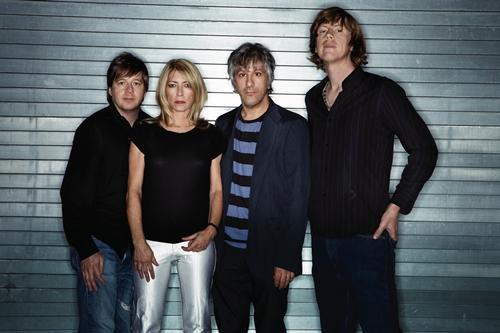
Extending the short-lived legacy of late ‘70s subcultural Bowery ‘no wave’ deconstructionists DNA, James Chance & the Contortions, Glen Branca, and Lydia Lunch further than anyone could have possibly foreseen, Sonic Youth were one of the most important, influential ‘80s bands (still thriving to this day). More astoundingly, the Bowery quartet inspired the entire Seattle grunge movement, introducing their atonal distortion (‘white noise’) to the Melvins, Nirvana, and Mudhoney.

By continuously exploring outer boundaries of freeform rock and slipping into minimalist Jazz territory at will, Sonic Youth’s Thurston Moore (guitars-vocals), his wife, bleach-blonde dark temptress Kim Gordon (bass-guitar-vocals), Lee Ranaldo (guitar-vocals), and Bob Bert (drums) radically tore down conventional rock limitations.

After a few formative EP’s and albums, 1984’s Bad Moon Rising combined chaotic feedback with grating dissonance, forming fully jagged, dirge-y mantras.

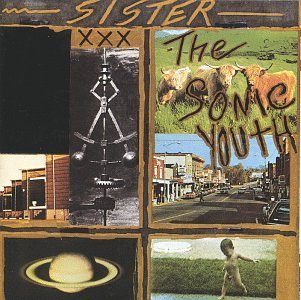
Tired of touring, Bob Bert quickly exited. Steve Shelley took over drum chores for the twin pillars of strength, ‘86s menacing Evol and ‘87s similarly-themed Sister. These records provided the claustrophobic anxiety and lethal guitar shrapnel anchoring ‘89s triumphant Daydream Nation.

When Geffen records signed Sonic Youth, the investigative art-damaged Lower East Side bohos responded to major label accessibility with one of their least viable (and somewhat directionless) albums, Goo, a flawed gem which informed Dirty, its more feverishly powerful follow-up. ‘95s Experimental Jet Set, Thrash, And No Star loosened their spontaneous free Jazz impulse, while modern classical gestures crept into Washing Machine and the autumnal A Thousand Leaves.

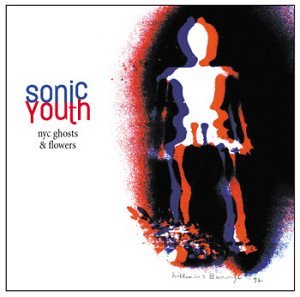
Produced by post-rock instrumentalist Jim O’Rourke (Stereolab, Superchunk), ‘00s NYC Ghosts And Flowers markedly broadens the bands’ already wide scope, stretching into spoken word inspired by late ‘60s/ early ‘70s Cleveland radical freak drug poets. The late American poet, D.A. Levy inspires Moore’s freestyle rants on the fragmented guitar collision “Small Flowers Crack Concrete,” while the implosive “Stream X Sonic Subway” could pass as suspenseful beat poetry.

Ranaldo’s half-sung ramblings detail Big Apple woes above the increasingly intensified, repetitive, detuned guitar plink of the title track. Gordon’s cool detachment and seductive moans bring a coarsened urgency to “Nevermind (What Was It Anyway)” and her hushed, monotone, one-word thoughts spew across the eerie desolation of icy deluge, “Side 2 Side.” The cacophonous “Free City Rhymes” and cryptic death knell, “Lightnin’” bookend the adventurous disc with expectant freeform scree.

Before heading to France to record with French artist, Bridget Fontaine (Gordon’s favorite singer), I spoke to Sonic Youth timekeeper, record label entrepreneur, and Hoboken transplant Steve Shelley about his influences, the sprawling conceptual homage to minimalist composers called Goodbye 20th Century, and of course, NYC Ghosts And Flowers.

Do you see this album as an extension of A Thousand Leaves?

STEVE: Well, it’s the next one. (laughter) It’s a departure in a way, but there are similarities. They’re recorded in our home studio in New York City.

Many songs deal directly with the Lower Manhattan vibe.

STEVE: Yeah. It’s definitely more urban while A Thousand Leaves was a bit more countrified, if you could imagine that. It was more lush and relaxed, while this one is a bit more uppity. We worked with producer Jim O’Rourke on Goodbye 20th Century and NYC Ghosts And Flowers. He brings out different elements of the group that wouldn’t happen otherwise. He’s a real instigator and a fun guy to throw ideas off of. He’s up for anything.

Since you grew up in Michigan, were Iggy & the Stooges and MC5 major inspirations?

STEVE: No. I was too young for all that. They were from a generation before me. I didn’t hear of them until I left Michigan. I listened to commercial FM radio. The closest I got to the MC5 was Ted Nugent and Alice Cooper. But I grew to appreciate their stuff later on.

Do most of Sonic Youth’s arrangements come from improvisations or melodic clusterfucks?

STEVE: It’s actually both. A lot of it’s just jamming to see what sticks. Because we have a rehearsal room/ recording studio, we could go in to roll tape and collect ideas. Sometimes Thurston will come in with a chord progression and we’ll start adding to it. I love going to different studios since they have their own separate atmosphere, but it’s great to have your own place and not be on the clock.

I’m especially intrigued by the colossal magnitude of the title track.

STEVE: That’s directly inspired by the sessions to Goodbye 20th Century. On that album, there’s one song that starts quietly, crescendos for four-and-a-half minutes, then reaches its peak and gets quiet again. It’s an exercise in dynamics and what could happen within that.

Are you ever afraid your expansive arrangements may lose some potential listeners?

STEVE: I guess you could ask that of free Jazz artists as well. I don’t think we’re worried about that. We want people to listen, but we’d be selling ourselves short if we started listening to those ideas. It’s difficult enough having four different people with four separate ideas trying to meld something together.

“Lightnin’’ seemed inspired by Miles Davis’ early ‘70s albums Bitches Brew and Jack Johnson.

STEVE; Wow. I love that Jack Johnson record. That song was just an exercise in freedom. Kim gets to play trumpet and I play the electric groove box. That’s just the four of us going at it in the studio. We were going to bookend the record with two versions, but decided on one. The one parameter we set up for this record was we weren’t going to make a long 60-minute record like A Thousand Leaves. There are so many distractions. It’s hard to sit down and concentrate on a 70-minute disc. People have to learn to edit themselves and put out 30-minute discs.

What was it like getting selected to replace Bob Bert in Sonic Youth?

STEVE: I was checking out New York. I wasn’t sure I was going to stay. A friend and I were subletting Kim and Thurston’s Lower East Side apartment while they were on tour with Nick Cave & the Bad Seeds. I was wondering how I’d fit in. When they got back, they didn’t even ask to audition. I just joined the group. It was amazing. I got to tour with one of my favorite artists, Neil Young. It’s amazing how new and different things keep happening to us. Tomorrow, I’m going to Paris with the group to record with Bridget Fontaine. With all the renewed interest in French music and people discovering Serge Gainsbourg, it’ll be a trip to meet her.

Who are some of your favorite drummers?

STEVE: My first influences were typical. Ringo Starr, Keith Moon, Charlie Watt, and the king of drummers, John Bonham. When I play, though, I’m thinking about the song and trying not to overplay. I’ve tried to go in a minimal, understated direction lately. Some of that comes from my work with Cat Power and my own band, Two Dollar Guitar – being as skeletal as possible. I love Jazz drummers, too. But my initial influences were classic ‘60s rockers.

What’s up with your underground supergroup, the Wyldde Ratz, which includes guitarist Ron Asheton from the stooges, Mike Watt, Mudhoney’s Mark Arm, Thurston Moore, and Sean Lennon? Was it formed only to provide a song for the glitter rock soundtrack of the movie Velvet Goldmine?

STEVE: We recorded enough stuff for two albums. Originally, London Records was going to put it out. But I guess the soundtrack didn’t do as much business as expected. They paid for the recording, but they didn’t want to put out an LP yet. It’s funs stuff. Ron Asheton sounds amazing. We did some Stooges covers. Ron and Mark Arm wrote some songs together. It’ll see the light of day somehow. It’s pretty much down and dirty Detroit City Rock.

Did you ever consider Sonic Youth to be an extension of Jazz-rock pioneers King Crimson or Soft Machine?

STEVE: That’s probably the music I’ve heard the least of until recently. Thurston’s more familiar with that music. Interestingly, Gary, the drummer from Pavement, who was older than anyone in the band and was more of a hippie would always come up and say to us, ‘You must listen to a lot of Yes music.’ I didn’t know what he was talking about until the movie Buffalo 65 came out last year. I heard some amazing Yes music and understand what Gary meant. Robert Fripp and King Crimson had freedom and a certain awareness of other music, even though they didn’t adhere to rock structure, or sound like the pop-rock that was going on.

WEEN ARE THE WORLD

FOREWORD: It’s always a blast doing a High Times interview at a downtown Manhattan location – especially with real life bohemians like Ween. This time it’s a wooden studio near Chinatown where me and the boys drank expensive beers and cooked some herb.

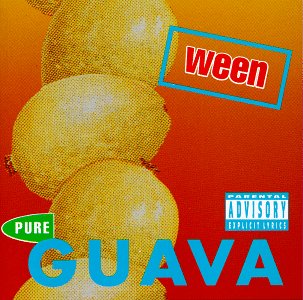
Ween is the long-time New Hope, PA duo of Mickey Melchiondo and Aaron Freeman. Friends for life, they carved out a niche crafting some of the best obtuse rock novelties since the mid-‘80s. Using aliases Dean and Gene Ween, these deconstructive lo-fi home recorders were DIY five years before it became fashionable. ‘90s well received The Pod was their big leap forward, deliciously smug in its salacious drug-indulged snicker. ‘92s Pure Guava featured Ween’s biggest non-hit, “Push Th’ Little Daisies.” ‘97s The Mollusk was a thematic seafaring marvel and ‘07s La Cucaracha may’ve topped anything they did in the last twenty years.

In the following piece, Ween make sense out of marijuana mumbo jumbo and admit alcohol kills but a li’l weed ne’er hurt no one. This article originally appeared in High Times.


Growing up in New Hope, Pennsylvania’s bohemian hamlet gave Ween vocalist Mickey Melchiondo (a.k.a. Gene Ween) and guitarist Aaron Freeman (Dean Ween) the freedom to become serious rock ‘n’ roll junkies and weed freaks. As teens, the maverick duo gained popularity with punk-influenced four-track home recordings, earning cult-like status with the sludgy, dope-encrusted The Pod. Their first commercial radio exposure came with the geeky ditty, “Push Th’ Little Daisies,” a wacky parody from Pure Guava.

“That song is about Guatemalan cherry,” Melchiondo jokingly quips. “Big, bad stinky weed.”

“Actually, it’s about not trusting a girl you just started dating,” Freeman counters.

Though no longer obsessed with smoking up all the ganja the world has to offer, the whimsical twosome still likes to party. But as we throw back a few beers at a newly renovated photography studio on New York’s Bowery, Ween seem more serious-minded and ambitious now that they’re settled down and married.

That maturity enhances the dynamic White Pepper, a diversified follow-up to their gloomy oceanic prog-rock opus, The Mollusk. Recorded in a proper studio by Public Enemy engineer Chris Shaw, White Pepper balances ‘60s psychedlic surrealism with the kitsch-y Beatlesque pop of XTC.

As a young child, Melchiondo was turned on by songs he’d hear while living on the road. “My father was a big hippie with an extensive record collection who’d drive me to countercultural ‘60s demonstrations,” he explains. “That’s how I discovered Jimi Hendrix and the Stones. But he never admitted to experimenting with drugs.”

While Melchiondo was attending protest rallies, Freeman was being urged by his mother to be a hockey player.

“I lost interest in sports when I started smoking pot and listening to music,” he says. We don’t smoke as much as we used to. When I was younger, it was like a religion. I’d smoke from the morning until the time I went to bed. It really twisted my brain.”

“I never had to buy a bag,” Melchiondo exclaims. “Then, it became less of a lifestyle thing. It peaked when Chris (satellite band member, Mean Ween) assembled a nitrous bong featured on the cover of The Pod. We’d fill up a gas mask with smoke and inject nitrous into it. You’d be in the mask covered with smoke, eyes burning, and the nitrous would clean out the pot smoke and force it into your lungs. That was the pinnacle. I felt I was permanently stoned for the rest of my life.”

On the issue of legalization, Melchiondo rationalizes, “I never really cared if they legalized it. “No one has trouble finding weed. It has been following us around forever. But alcohol is infinity more evil. People don’t smoke pot and go to the bar looking to kick someone’s ass. It’s kind of silly.”

“It’s not legal because the Mobil Corporation would have a hard time with it, and that’s the hub of America,” Freeman contends. “They don’t want anything to compromise oil fuel, like hemp fuel.”

Though they agree politics and music should be kept separate, Ween received negative publicity from anti-abortionists when they played a Rock For Choice benefit in San Francisco with the Foo Fighters.

“I want the listening experience to be more like a happy James Brown shake-your-ass experience,” Malchiondo admits. “But a pro-life Website warned parents not to buy our records because we supported the killing babies. So by being tied to a cause, we were misrepresented.”

Narrow-minded conservatives probably won’t be any happier about Ween’s Jimmy Buffett lampoon, the cocaine-laced “Banana & Blow” on White Pepper.

“That song started like a movie in our heads,” Melchiondo offers. “Our friend is married to a woman in Ecuador and her father owns a hotel. He was talking about the concept of recording an EP called ‘Banana & Blow” in the islands. A guy gets stuck in South America and spends all his money on coke. It’s “Margaritaville” times twenty.”

LAGWAGON / TRANSPLANTS @ IRVING PLAZA

Lagwagon/ Transplants / Irving Plaza / May 5, 2002

A few stalwart Cali-punk veterans trekked East for Manhattan’s Irving Plaza to unleash highly energetic sets of post-hardcore aggression this warm spring night. East Bay guitarist-singer Tim Armstrong (ex-Operation Ivy punk-ska progenitor and present Rancid frontman) hooked up with former AFI roadie Rob Ashton for transitional quartet, the Transplants, a stylish working class outfit inspired by punk hellraisers G.B.H. and The Sham. Meanwhile, Santa Barbara’s decade-old Lagwagon relied on the amusing, easily digested pop-punk NOFX helped make semi-popular in the ‘90s to headline the show.

Though Armstrong received MTV exposure and sundry accolades fronting Rancid during the ‘90s, tour mates Lagwagon had only developed a cult fan base despite the fact that Blink 182 (whose drummer, Travis Barker, ironically anchors the Transplants) and their glossy ilk seemed to adapt their self-deprecating humor to invariable success. Vocalist Joey Cape’s sly wry wit and derelict attitude give a serrated edge to Lagwagon’s loud, catchy melodicism, avoiding the watered down, shallow-minded indifference of their compromising candy-coated copycats.

On-stage, Lagwagon’s precise stop ‘n’ go arrangements, twin turbo guitar fervor, and rubbery bass boom powered gleefully celebratory chants. Cape’s savage lyrical bite, crowd-baiting banter, and prancing stage prowl kept the crushed front-stage fans alert and the massive moshpit buzzing. Though ‘98s fiery Let’s Talk About Feelings may still be their pinnacle achievement, the newly waxed Blaze is no slouch, as this resounding one-hour set certainly proved.

As for Armstrong, after Rancid’s formative self-titled ’93 debut fully exploited his notable Clash fixation, ex-UK Subs guitarist Lars Frederiksen joined the fold for ‘94s economical Let’s Go (which reached exalted underground status with the rousing “Salvation”). ‘95s even better And Out Come The Wolves continued Rancid’s ceaseless entourage of quirky 2-minute rants, highlighted by the hooky ska anthem “Time Bomb” and the climactic Clash knockoff, “Ruby Soho.” While ‘98s horn-doused Life Won’t Wait held its ground, ‘00s vehement self-titled follow-up contained the cocky quartet’s strongest political messages and most pungently efficient playing.

Teamed with bald-headed vocalist Rob Ashton, guitarist Craig Fairbaugh (of the Forgotten), and the aforementioned Barker, Armstrong’s Transplants retain a more sophisticated, controlled restraint in the studio, incorporating hip-hop breakdowns, punctual piano, and electronic affects.

But live, they concentrated on tearing the house down. Tempestuous sing-a-long fuck-offs like “We Trusted You” re-created late ‘70s punk action with pinpoint accuracy and authoritative verve. They saluted like-minded bands Agnostic Front, the Ramones, H20, and Sick Of It All mid-set, then dedicated “Hard Luck Street” to respected deceased rockers. The ska-driven guttersnipe “Rude Boys” and the kitsch-y bluebeat catwalk “Johnny 2 Bad” may have lacked the vibrancy of the Transplants studio versions, but both burst forth with frenetic determination. And the snubbing Beastie Boys-derived closer, “Tall Cans In the Air,” despite drowned out vocals, crackled with undeterred resolve as Ashton got fevered fans to wave middle fingers at unspecified squares.

MARTIN NEWELL’S SLINKY ‘BROTHERHOOD OF LIZARDS’

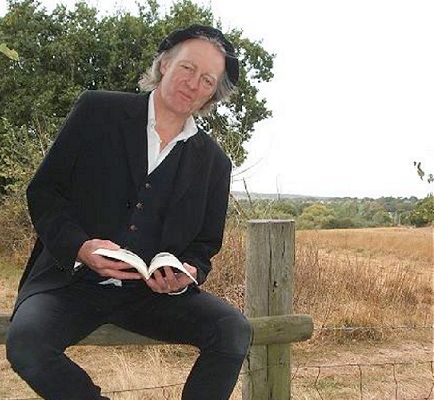
FOREWORD: Spectral subterranean British artist, Martin Newell, has made his mark in the deep underground with various hooky pop combos such as Cleaners From Venus and Brotherhood of Lizards, working with XTC’s Andy Partridge and Captain Sensible at times. Though he’s been happily stranded in obscurity, cultists will rightly claim Newell a lost genius. He’s been working more often on spoken word and novels since colorful ’93 solo album, The Greatest Living Englishman, came out. I got to speak to him via phone from England to promote the re-release of Brotherhood Of Lizard’s ‘89s LP, Lizardland, during ’95. This article originally appeared in New Review magazine.


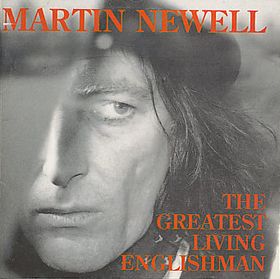
British musician-poet, and organic home brewer, Martin Newell, hoped to re-ignite his recording career with XTC’s reclusive Andy Partridge on ‘93s gorgeous The Greatest Living Englishman. The duo didn’t sell tons of records, but critics praised their simple pure pop charm.

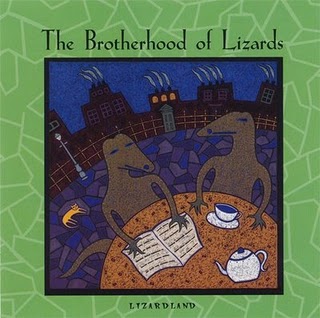
Now Newell’s rediscovered chestnut, Lizardland, recorded in ’89 with bassist Peter Nelson (formerly of Modern English and New Model Army) as Brotherhood Of Lizards, has been taken from the vaults and released by Atlanta’s Long Play Records. Featuring tunefully swaggering numbers helped along by Nelson’s sharp 4-string echo and clear studio dynamics, this gem shines intricate imagery into disarming recollections.

Sparkling with tasty pop sincerity, “It Could Have Been Cheryl,” the insouciant “The Happening Guy,” and the sunny “Dandelion Marine” are nearly as catchy as “She Dreamed She Could Fly.” In a fair world, these are top 5 singles, as the mainstream tone recalls the Beatles indirectly.

“I just like old music,” Newell explains. “I like to go back to my roots – the Beatles, Kinks, and Small Faces. I make records that sound like the music I liked when I was 10 years old. I call it twinkly pop. I’ve always been a bit scruffy, but I make music spontaneously.”

Beginning his musical career in punk-frenzied 1977 in London S.S., whose members splintered into three culturally important bands – the Clash, the Damned, and Generation X – Newell was left to his own devices.

“I was lead singer of a progressive rock band out of East Agnia,” he quips. “a town largely bypassed by the Industrial Revolution. Then, I formed my own band, Stray Charlie’s. We made a single in 1980 called “Young Jobless,” about England’s unemployment problem, but a scandal broke. A leftwing government was said to have given me money to record the song. It wasn’t true. I was broke.”

Following this, he recorded as the Cleaners From Venus, an engaging unit that released about ten homespun tapes in Europe from ’81 to ’88, aided by guests such as Captain Sensible (of the Damned).

Newell declares, The Cleaners From Venus never made any money and although The Greatest Living Englishman sold loads of records in Germany, I feel beholden to the sharks of the industry. When you’re young, it’s a joke, but my girlfriend has two kids. How much longer could I go on like this?”

Yet he’s full of plans.

“A new album which I may call The Off-White Album, a satire on the Beatles, may happen. Actually, Crowded House sounds more like the Beatles. My voice doesn’t sound like them. The record is a logical succession to The Greatest Living Englishman. A string quartet plays on a few songs. It’s very organic. Then, there’s a four-song Let’s Kiosk, recorded cheap and cheerfully in a garage in Colchester. I also have a satire written called In Search Of Ted Jarvis, a mythical rural poet who hates artists and Commies. He’s a hick who’s elevated to the status of rustic genius.”

Hopefully, he’ll go on long enough that we’ll hear these projects and many more.

THE NOTWIST: GERMANY’S UNKNOWN MUSIC MASTERS

FOREWORD: Experimental German Industrialists, The Notwist, comingle Jazz, rock, soul, and noise elements to perfection. Though they only recieve limited underground support in the States, those in-the-know will tell you they’re an experienced combo with great shelf life. I’ve included my ’02 article promoting the sterling Neon Golden and an ’08 piece admiring its belated follow-up, The Devil You + Me. These articles originally appreated in Aquarian Weekly.

THE NOTWIST HIT STRIDE ON ‘NEON GOLDEN’

Arguably the most innovative German post-rock experimentalists since progenitors Kraftwerk, The Notwist design multi-dimensional, stylistically enigmatic music by manipulating a myriad of instruments, electronic machinery, and controlled feedback. Their American debut, 12, was partially reliant on metallic riffs, cluttered noise, and Industrial settings while ‘98s carefully constructed Shrink boasted better production and newfound intricate restraint. Shrink’s “Chemicals,” with its percolating synth-bleats, modulated short-wave frequencies, mechanical rhythm, and aquatic groove, may have inspired fellow Bavarian futurists Add N To X and Mouse On Mars.

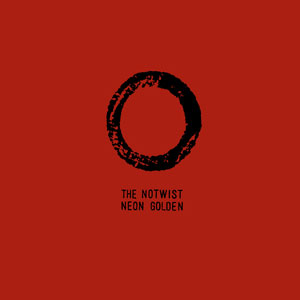
After recording two instrumental trance-fusion Jazz albums as part of the sextet, Tied & Tickled Trio, The Notwist return with their most assuredly eloquent offering yet. The succinct Neon Golden confronts alienation and detachment, as guitarist Markus Acher’s flinty, invariable tenor embellishes gray urban settings with constrained vulnerability. The metronomic shuffle, “Pilots,” and the sorrowful “Pick Up The Phone,” hearken to the percussive warmth of past endeavors, but the banjo-picked “Thrashing Days” and the hypnotic “Neon Golden,” outlined by reserved trumpet, move into unexplored folk-rooted territory.

Keyboardist-programmer Martin Gretchmann (a.k.a Console), onboard since Shrink, brings galactic techno-electronica flavor to each battle-scarred trepidation while meticulous drummer Mecki Messerschmid’s pliant rhythms anchor bassist Micha Acher’s contemplative horn arrangements and sundry dub plates.

Who are The Notwist’s early influences?

MARKUS: When we started, we were big fans of hardcore punk bands Rites Of Spring,  Minor Threat, Jerry’s Kids, Husker Du, and more melodic punks Moving Targets, Lemonheads, and Dinosaur Jr. – who totally changed our live with their first two LPs. But there was also a big love for Neil Young, Leonard Cohen, Nick Drake and early King Crimson. So we tried to combine the energy and loudness, the fast breaks and the distorted guitars of these hardcore bands with the melodies and singing of Neil Young – ‘cause I’m no good as a shouter anyway. There was a scene of flats and clubs, of fanzines and people, at that time, so we toured a lot with bands like So Much Hate and Fugazi. We’re still looking for music like this, and bands like van Pelt, Blonde Redhead, and Q and not U move us deeply.

Are The Notwist’s arrangements improvised or prepared?

MARKUS: It’s a mixture. We recorded a lot for Neon Golden. We wrote arrangements for strings and brass and played our instruments, but we also invited friends like percussionist Saam Schlamminger or keyboardist Roberto di Goia to improvise over songs, and looked for bits we can use to re-arrange. Lots of elements in our arrangements arise accidentally.

How do your first two albums, prior to 12 and Shrink, compare to later albums?

MARKUS: The first (eponymous) album is punk-hardcore. We recorded it as we played it live or in the rehearsal room. There was no money or time to work in the studio for more then a few days. For the second, Nook, we spent more time in the studio. We were interested in metal and experimental noise those days and tried to integrate it into our music. After we finished this record, a friend played us “Laughing Stock” by Talk Talk, and we decided to do everything different on our new record.

Compare Neon Golden to previous albums.

MARKUS: We decided, before we started to record, to spend as many days in the studio as it takes to find the right arrangement for every song. We wanted to record acoustic instruments and confront them with electronic sounds. The arrangements become more complex with every record, but the songs are still the same.

Would it be fair to say it’s more influenced by jazz than rock?

MARKUS: That’s fine with us. We listen to a lot to Jazz. Most contemporary rock doesn’t interest us because it lost its soul and vision.

“Off the Rails” has a great neo-Classical arrangement. Did any band member have Classical music training?

MARKUS: My brother Micha, who wrote the arrangement, studied Jazz trumpet. But we learned mostly by listening and trying to find what our favorite musicians do. Classical trained musicians wouldn’t like the way we arrange, I guess. They’re always taught what’s right or wrong. In music, there’s no right or wrong. That’s why my brother finally quit his studies.

How has new electronic technology influenced your latest music?

MARKUS: It influenced the electronic part of our music. We all took parts of the music and worked with them on our computers at home. On the other hand, we tried to record lots of stuff as simple and direct as possible. We used old amplifiers and microphones, acoustic instruments, recorded on tape machine and mastered everything in the Abbey Road studio with Chris Blair, the ex-tape engineer of the Beatles. Nowadays everything seems to be possible on the computer with all these plug-in-effects and instruments, but a good idea is more valuable than a new computer. So I think it’s better not to spend too much time in electronic technology because then one day you’ll start writing songs about plug-ins or computer-problems.

Would you consider doing another cover song like “Loup” EP’s mellow-to-metallic cover of Robert Palmer’s “Johnny and Mary”?

MARKUS: Not at the moment. I find it more interesting to compose songs then to cover.

Will Tied And Tickled Trio release another album? If so, how will it be different than he first one I have?

MARKUS: We just finished a new Tied + Tickled Trio album. We recorded some of the songs live with 11 people playing, with lots of brass and three percussionists. I hope this new record is rougher than the last one.

————————————————————–

DOIN’ THE NOTWIST AS SUMMER ENDS

As my summer of ’08 concludes and the body surfin’ waves at the Jersey Shore and Sunset Beach come to a close and the feel good memories slowly recede into the deep recesses of my mind, there’s a few truly fine musical remembrances that stick out. Some were from a veteran Bavarian band with a weirdly deceitful dance-jeering moniker known as The Notwist. There latest offering, The Devil, You + Me, may not get many plaudits, but believe me, it’s deserving.

Comin’ outta Germany some 20 years hence, The Notwist caught my attention when small New York indie label, Zero Hour, added them to an already impressive lineup of idiosyncratically talented mid-‘90s bands like Space Needle, Varnaline, and 22 Brides.

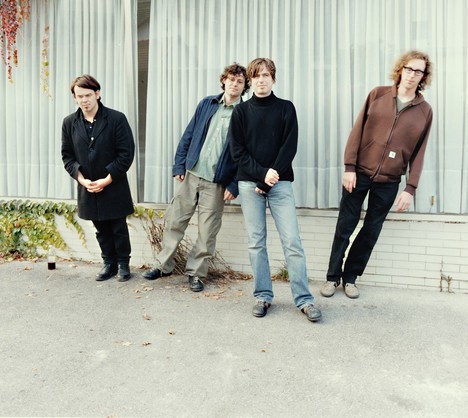
Though guitarist-vocalist Markus Acher, his brother Micha Acher (trumpet-bass), and longtime friend Mecki Messerschmid (drums) were incipiently a metallic grunge outfit, The Notwist’s ambitious ’97 U.S. breakout, 12, became a transitional step forward into experimental electronic rock. An eye-opening stripped-down display interlacing rudimentary beats, cling-clang percussive affects, liquid computer bleats, and intermittent guitar shredding, its fragile balladic vulnerability countered the implosive metal-edged volatility pummeling louder, assertive tunes.

The Notwist then went deeper into the Industrial chasm on ‘98s Shrink, skittering trip-hop beats alongside new wave guitar-keyboard figures, freeform trumpet catacombs, mellowed flute, and sonorous trombone. “Chemicals,” their most impassioned and accessible song yet, found Acher dropping emotional lyrical ruminations onto a static-y bottomed lamentation. And a reappearing espionage motif aids a few casual urban grooves. Expert keyboardist Martin Grestchmann, the singular maestro behind conquering electro-Industrial manipulators, Console, was brought onboard to widen the troikas’ musical scope.

Reportedly, The Notwist took fifteen months to devise 2002’s dramatic illumination, Neon Golden. The extra time spent was well worth the investment, as the band delivers a cohesively thematic epic stretched over thirteen Classically mood-stricken tracks. The precisely detailed whole benefits from cello, clarinet, and tabla flourishes as well as lilting techno-influenced clicks and bleeps. The crystalline title track shines brightest, layering hypnotic sitar atop majestic Anglo-folk.

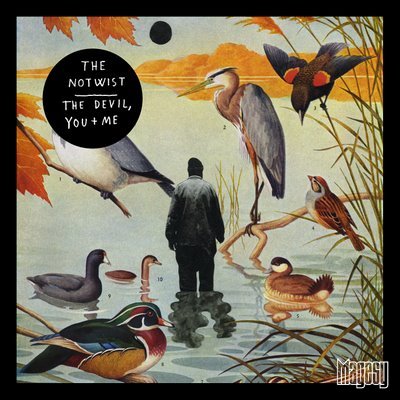
Perhaps even more refined, ‘08s The Devil, You + Me may not be as radiant as its immaculate predecessor, but the thought-out arrangements and seamless flow form a sprawling thirteen-song epic. Perfect for late night summer listening, The Devil, You + Me glistens like a lone star in the cloudless sky. Although it must’ve been difficult trying to follow up Neon Golden’s glazing lucidity, the admirable eleven-song package actually broadens foregoing elemental designs and conceptual enthrall quite strikingly. The darker lyrics, courtesy of “Gloomy Planets” and ominous percussive percolator “Alphabet” bring an impending sense of trouble brewing. But ultimately, any sourly somber sentiments are whisked away by a sweet melodic intrigue that’s definitely The Notwist’s saving grace.

Acher’s deadpan Teutonic drone hasn’t changed much over time, though his upper register achieves better frilly flights of fancy. He’s effervescently sublime on “Gravity,” recalling Belle & Sebastian’s Stuart Murdoch on this pastoral acoustic retreat. Somewhere along the melancholic astral plane, Acher combines the elegant splendor of Donovan’s flower power mysticism with the hushed wisp of Nick Drake’s doomed anguish, particularly on the folk-rooted slumber, “Sleep.” The warmly sung title track contains a didactic chorus reminiscent of John Lennon’s earliest solo endeavors. Despite such estimable presumptions, Acher’s lovely outpourings are all his own, especially when conveying futuristic interplanetary escapism on the chilly string-laden bossa nova, “Where In This World” (which sways like Arto Lindsay’s most exotic charmers).

Thankfully, the experimental aspects never outweigh The Notwist’s common sense ability to rely on rich symphonic interplay and sharp rhythmic schemes. Just as seminal electronic metallurgists Kraftwerk became influential Kraut-rock architects during the entire ‘70s, The Notwist are carving out their own modern niche. They’ll probably fall short in comparison to those towering figures’ breadth of ideas, galvanizing influence, and album sales, but by continually gaining technical skills and artful assurance, The Notwist will occupy at least a modest spot amongst today’s top creative craftsmen. And that might be enough right there.

FIREWATER ‘GET OFF CROSS’ TO SEEK ‘PSYCHOPHARMACOLOGY’

FOREWORD: I’d become friendly with Firewater brainchild, Tod Ashley, pre-911, before he moved out of the World Trade Center-cited apartment shared with his Jetset Records-owning girlfriend and into the safer confines of Brooklyn. His underrated klezmer-gypsy-inspired band, Firewater, prefigured like-minded multi-ethnic Americanized combos Gogol Bordello and DeVotchka. A veritable supergroup of smartly collected indie rock talent worked with Tod throughout his career.

Their ’96 show at the Knitting Factory was a complete knockout. I’d first spoke to the former Cop Shoot Cop bassist during ’96 to promote Firewater’s audaciously-titled debut, Get Off The Cross…We Need The Wood For The Fire, at ex-bandmate Dave Ouimet’s NYC studio. Five years later, just before 911, I visited Tod at Jetset headquarters to discuss the equally enthralling Psychopharmacology.

I gave Tod my old stereo receiver since his was always on the fritz. We walked his dogs after one visit. Though I wasn’t as captivated by ‘03s The Man On The Burning Tightrope or ‘04s covers LP, Songs We Should Have Written, Firewater came back strong with ‘08s The Golden Hour (a collection of songs made during a three year stint in Pakistan, India, and Indonesia). These two articles originally appeared in Aquarian Weekly.

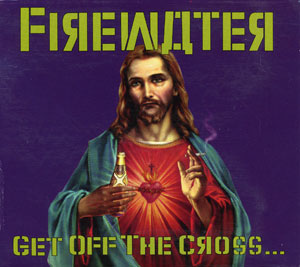
Former Cop Shoot Cop leader, Tod Ashley, and ex-Motherhead Bug’s Dave Ouimet (pronounced wee-may) left behind their previous New York bands to concentrate on klezmer and gypsy music (with a dash of inventive rock tossed in for good measure). The perfectly obnoxious and stylistically courageous Get Off The Cross…We Need The Wood For The Fire (Jetset Records) features a tastelessly hilarious cover photo of Jesus Christ smoking a cigarette and holding a Miller beer. Naturally rightwing radicals such as the Christian Coalition, the 700 Club, and the Catholic League, along with a few retail stores, objected to the mockingly blasphemous illustration. Yet I sincerely doubt any of these humorless organizations know about the respective paths both of these creative artists took before creating this rewarding project.
Except for the paranoiac “Some Strange Reaction,” the cabaret-like “Bourbon And Division,” and the lonely contemplation, “I Am The Rain,” Firewater rely solely on klezmer and gypsy styles. Recorded at RPM Studios on 12th Street with old fashioned gear from midnight to 9AM over three days, Get Off The Cross has a warm, disquieting sound that sinks in permanently after a few quick listens. Fellow Firewater members include guitarist Duane Denison (Jesus Lizard), percussioinst Yuval Gabay (Soul Coughing), sex-o-phonist Kurt Hoffman (Band Of Weeds and the Ordinaires), drummer Jungle Jim Komball (Laughing Hyenas and Mule), violinist Hahn Rowe (Foetus Inc.) and vocalist Jennifer Charles (Elysian Fields).

At Ouimet’s basement studio on Elizabeth Street, carnival music plays as he hands me a Budweiser Tallboy. Before my tape starts rolling, Tod A. comes strolling in from the wintry weather.

What made several highly respected underground artists decide to shift focus and attention to klezmer and gypsy music?

TOD: Dave and I tried to make a baby but created Firewater instead. (laughter)

What distinct differences separate klezmer from gypsy music?

DAVE: MY band Motherhead Bug was gypsy-influenced. Originally, most nomadic gypsies traveled from India to the United States with a strange mixture of ethnicity and culture. On the other hand, klezmer is basically from a Jewish traditional background. But many forms in the sense of improvisation and scales have been developed. Klezmer was used as Jewish wedding music and was Eastern European based. And although Tod nor I are Jewish, we became fascinated with its intricacies.

Was it difficult to drop the unique dual bass and drum sound of Cop Shoot Cop for Firewater’s eccentric sound?

TOD: Dave brought in most of the ideas for the songs. His influence was the main contributing factor.

DAVE: It seemed perfectly natural to me. It’s nontraditional rock like my former band, Motherhead Bug, which was a 12-piece circus.

TOD: Everyone and their uncle was in that band.

Would you consider the album cover appalling or offensive?

DAVE: Maybe it’s a bit juvenile, but if you have no sense of humor, why bother?

TOD: The funniest letters we’ve received have come from Southern inmates. They had time on their hands to write us and we gave them the proper response. The inmates could use some spelling help, but they provided entertainment for us.

So Jesus Christ was placed on the cover for shock value?

TOD: No. Jesus was a drinker but whether he smoked cigarettes is highly unlikely. The cover is not offensive. We’re bringing Jesus to a whole new generation. Jesus was a Jew. So it all fits.

DAVE: Early Boz Scaggs records used klezmer. Now the Klezmatics are doing it with success.

Dave, I read a quote claiming you couldn’t stand Jesus?

DAVE: Mainly I just can’t get into this religious bombardment from TV and media.

TOD: He has been overexposed to Jesus. (laughter) Jesus was an interesting historical figure. It’s amazing this rabbi from Israel affected 2,000 years of civilization. Saint Paul was his P.R. guy spreading the message. Paul was a tent maker preaching against early Christians with his doctrine. He appealed to non-Christians.

Do you believe Jesus died for our sins and rose from the dead?

TOD: There’s a theory he was drugged. That the wine he was given at the cross had opiates. It put him so out of it he appeared to be dead. But they never broke his legs like they normally did back then. He came off the cross after only four hours, got out of his drunken stupor and his friends helped him escape to live an normal life elsewhere. He had his own family. But it’s all conjecture. And frankly, the concept of God is ludicrous – though you can’t argue with ‘do unto others.’

Is the klezmer and gypsy music Firewater make in the traditional realm?

TOD: No. We fuck it up. Klezmer rocks! There’s a lot of different styles and influences involved. The inspiration is serious but we’re not taking it serious. We do it with more power and make it heavier, We live in New York where there’s a constant barrage of different sounds influencing us.

Who are some early non-klezmer influences?

TOD: First, I was into the Beatles, then punk like the Sex Pistols and the Stooges and early hardcore and Industrial. Now I like weird, obscure shit like soundtrack music.

What about no wave artists like DNA and Teenage Jesus?

TOD: No, not so much. Maybe Throbbing Gristle and Die Haut.

What current New York bands grab your attention?

TOD: Valentine 6. They made ‘50s film noir with sexy sax. They have a couple singles out.

DAVE: Barkmarket. They make structurally amazing songs mapped out like an exercise. Their leader, David Sardy, is an uncompromising genius. L. Ron is an amazing record which beats their previous projects like Gimmick. His label doesn’t know what to do with him. They’re dumbfounded. He’ll probably be rememebered in the long run like Captain Beefheart. But people don’t recognize him now.

Which clubs best suit Firewater’s sound?

TOD: (only half-joking) There’s a synagogue up the street and a Lutheran meeting hall. We’d like to do private functions. You’ll have to get an invitation in the mail in order to come.

What if you’re asked to do “Macarena” or the Bunny Hop?

TOD: Homey don’t play that.

Will people be moshing to the klezmer and gypsy beat?

TOD: I would expect so. Anything goes!

What other endeavors are you currently involved in?

TOD: I’ve written some spy tunes in the John Barry vein, As far as Hollywood movies go, it’s a tight-knit boys club which Danny Elfman of Iongo Boingo and Ennio Morricone have broken into. When I complete the score I’m working on, Dave and I will work out what direction the second Firewater album should go in. We’ll probably tour with Skeleton Key at some point, open for Jesus Lizard in the midwest, and then Soul Coughing in the east.

———————————————————–
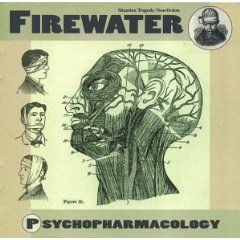
FIREWATER INDUCES MINIONS WITH ‘PSYCHOPHARMACOLOGY’

As we sit at a table outside tiny Tribeca bar, Yaffa’s, Firewater vocalist-bassist Tod Ashley chain-smokes Pall Malls and half-kiddingly describes his band’s third album, Psychopharmacology (by definition: the study of psychoactive drugs affecting the chemical balance of the brain), as sounding like “Brain Wilson on the wrong medication” before ascertaining, “The Beach Boys Smiley Smile was also a bizarre record with high peaks and low valleys.

Ever since Tod’s older sister turned him on to the Beatles, Frank Zappa, Captain Beefheart, Tom Waits, and prog-rock (which he indelibly labels “pot smoking music”), this terminal underground rock maven has been intrigued by a wide array of music forms. Before leading the visceral industrial punk trio, Cop Shoot Cop (formerly noise mongers Dig Dat Hole prior to enlisting trombonist Dave Ouimet), Tod was in the short-lived Shithouse with future Blues Explosion frontman, Jon Spencer. Although he admits they had fun, there were “too many chiefs, not enough indians.”

When Cop Shoot Cop ran their course, Tod, Ouimet, and a handful of indie rock friends (including Jesus Lizard guitarist Dave Denison and Soul Coughing percussionist Yuval Gabay) created Firewater as a gypsy-klezmer collective. As Tod insists, they were trying to be a “kind of wedding band gone wrong” when 1996’s dauntless Get Off The Crooss…We Need The Wood For The Fire taunted churchgoers with sacrilegious fervor.

Minus Ouimet, ‘98s equally compelling The Ponzi Scheme lyrically dealt with illegal pyramid scams in a fascinating “Peter Gunn” meets Spy Vs. Spy way. Haunted by the recent tragic demise of two depression-bound friends, Tod returned to the studio for the cryptic masterwork, Psychopharmacology.

Penetrating the skull with horrifying cinematic suspense and armed with Oren Kaplan (guitar) and Tamir Muslat (Percussion), Tod’s latest Firewater excursion hurls “an oxygen cocktail” at societal ills, as he bellows ‘all you want is peace/ all you get is pills’ on the chilling title track.

Yet despite the fact the downtrodden “Bad Bad World” (a whiskey barroom duet with Elysian Fields singer Jennifer Charles), the incidental “Car Crash Collaborator,” and the paranoiac mindfuck “Get Out Of My Head” reek of misery and pain, Tod quips tongue-in-cheek, “Firewater fans are a glum bunch who’ve criticized me of being too upbeat on this record.”

Then again, he smirks, “There should be some glimmer of hope in there.”

True fans should track down Jamie Staub’s (skeleton Key/ Everlast) remix of “Get Out Of My Head,” which Tod prefers over the album version. “It successfully captures a Moroccan wedding band meeting the punk rock aesthetic.”

I thought Psychopharmacology was a semi-thematic head trip into the misery and melo-traumas’ of a person’s glum life.

TOD: That describes everyone I know, myself included. It was an interesting couple of years. Two people I knew decided ‘this movie sucks, I’m walking out.’ It makes you re-examine the way you look at the world. I definitely want to stick around. But a lot of artists and musicians aren’t the most stable, happy individuals – which probably leads them into the field of self-expression in the first place. So it’s not surprising these people have trouble dealing with the world.

Did these two now-deceased people have troublesome lives?

TOD: One girl was depressed and couldn’t take it anymore. The other had what others would call an ideal life but still wasn’t happy. It goes to show you, it’s all inside your head. If there’s any kind of theme, it’s ‘Do you accept the brain God gave you,or do you try to do something about it and risk losing whatever spark of individuality you have?
One song I wrote was about a guy I met who was an inspiring saint who had his head together accept the fact he led this spartan life of a monk reading the Bible and living on the street. He gave everything up to devote himself to the spiritual life. He was interesting because he didn’t seem to look like he was on drugs or an alcoholic. He was smart and humorous, but happened to be homeless. We hung out a couple nights, and he told me his life story. It inspired “7th Avenue Static.”

Sprituality has informed Firewater ever since the wryly ‘scarilicious’ wit of Get Off The Cross. On this album, you lyricize, ‘God is great/ God is good/ but he is also made of wood.’

TOD: That line is a jab at organized religion. If God is supposed to mean anything in the 21st century, he has to be more flexible. The concept or portrayal of God is an anachronism. It doesn’t fit today. God has to come up-to-date or be left behind. There’s a lot of evidence Christ, as a historic figure, existed. I don’t think he ever wanted to be God. He was supposedly a radical rabbi teacher with great ideas and good things to say. But building a religion around it was against what he wanted to do.

The parameters of organized religion are man-made and thus subject to interpretation.

TOD: How do you explain the Holocaust? What’s the purpose of disease? If God exists, he’s a sadist. (laughter)

I was highly intrigued by the depression-bound missive, “Woke Up Down.”

TOD: “Woke Up Down” is basically the anti-school, anti-organization educational anthem I was never able to write and finally found the right words. I did two years at Rhode Island School of Design and Film and that was enough. I had to make a decision to raise several thousands to make afinal project or quit. At that point I knew how to load the camera, shoot a movie. I realized I didn’t have anything important to say, so I started a band instead. I’m a frustrated filmmaker, I guess. Music takes less patience and is more direct.

Your suspenseful music seems perfect for cinematic purposes.

TOD: I like spy themes. Morricone and Mancini. I had offers but they haven’t been anything I believed in. I’m a little precious with my songs.

“The Man With The Blurry Face” has a frightening espionage moodiness.

TOD: “The Man With The Blurry Face” is the American everyman that snaps and goes postal. Living the American dream of your 15 minutes of fame through blowing away your boss, your wife, and family. I like the idea when they blur the face of a perpetrator. It represents all of us.
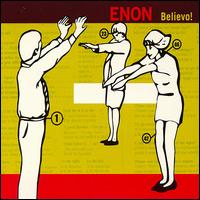
ENON’S ‘BELIEVO!’ CATEGORIZED UNDER NONE OF THE ABOVE

FOREWORD: Avant-pop New York-originated combo, Enon, came together after the tragic death of Brainiac leader, Timmy Taylor. That’s when Taylor’s ex-band mate, John Schmersal, left Ohio for the Big Apple to start a band with ex-Skeleton Key members Rick Lee and Steve Calhoun (who left early on). After Enon’s convincing ’99 debut, Believo!, was recorded, Calhoun left to be replaced by Blonde Redhead bassist, Toko Yasuda. ‘02s High Society and ‘03s Hocus Pocus went unheard, but I doubt they top ‘07s pleasurable straight-ahead pop rocker, Grass Geyser … Carbon Clouds. I interviewed the experimental trio during ’99. This article originally appeared in Aquarin Weekly.


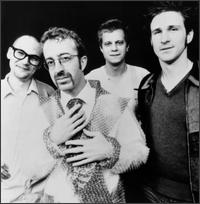
Making Brooklyn their adopted hometown, former Brainiac guitarist John Schmersal and Let’s Crash drummer Matt Schultz (both from Ohio) hooked up with ex-Blonde Redhead/ The Lapse bassist Toko Yasuda (originally from Japan) and Skeleton Key drummer/ Butter08 guitarist Rick Lee (An Arkansas native) to create mind-expanding avant-rock. Taking their moniker from what Schmersal claims to be an “intergalactic manufacturer of kitchen appliances,” or quite possibly, “none spelled backwards,”

Enon’s radically skewed, unconventional sound utilizes all types of gadgetry (digital samplers, MIDI equipment, 3-millimeter video players) to corrupt disjointed rhythms, blustery treble, buzzing radio frequencies, and amp distortion on the impressive debut, Believo!

Schmersal goes into a Prince-like falsetto on rumbling opener, “Rubber Car,” which packs a bass synthesizer drone reminiscent of John Entwistle’s “Boris The Spider” or some unspecific crusty Melvins track. For “Get The Letter Out,” psychedelic Beatles-esque harmonies get buried beneath a muted Archers Of Loaf-ish canopy. A sci-fi ‘push the button’ vocal loop forecasts nuclear holocaust on the murky “Matters Gray,” while over-modulated guitar rises above Schmersal’s muzzled groans on “Conjugate The Verbs.” And Barkmarket mastermind, David Sardy, adds his production wizardry to Believo! As well.

Under the name John Stuart Mill, Schmersal recently released the interestingly lo-fi set, Forget Everything, an informal, narcotic, lyrically opaque mindwarp not too far removed from Syd Barrett or Nick Drake’s acoustically obtuse ‘70s works. Perhaps these compelling, seemingly unfinished remnants were created to exorcise the demons that haunted him after Brainiac partner Tim Taylor died in an auto crash a few years back.

Many Enon tracks seem to subvert melodies and harmonies in exchange for a thickened rhythmic pulse and heavy treble boom.

JOHN: Basically, everything is of equal importance. The melodies are there. It’s more like the music has other sound textures, but you don’t know where they’re coming from. I like to think my melodies are catchy and hold people’s attention. The rest of the sounds are difficult to place.

Matt, how’d you originally get involved in music?

MATT: My parents grew up in the late ‘60s.My father turned me on to Jimi Hendrix and Sly & the Family Stone. Then, he got into punk and introduced me to the Clash. On my own I got into Ornette Coleman. I could hear the lamest music on the radio and take something from it. We grew up in a good time when hip-hop was heard in grade school.

Rick, how’d you become so proficient on guitar? When I originally met you as a member of Skeleton Key, you amazed me by efficiently banging trash containers, tin cans, a red toy wagon, and other percussive junk onstage.

RICK: I didn’t do music until I was seventeen. I thought I had to take this Algebra II course, but when I found out I didn’t have to, I took guitar classes instead. I always dreamt about playing music. I loved Kiss. I learned “Smoke On The Water” like everyone else.”

Toko, you’ve been involved with innovative band, Blonde Redhead, as well as the lesser-known The Lapse. How’d you get involved with such heavy hitters?

TOKO: I graduated from high school in Japan, and I wasn’t doing anything, so I moved here. I grew up playing classical piano. Then, I got into punk music. I just met people in the city, became friends, and joined bands.

The twisted “Conjugate The Verbs” may be the most impressive track on the album. But its muzzled vocals are difficult to comprehend. How’d that track come about?

JOHN: When I was in grade school, some teacher was obsessed with conjugating. But it taught me nothing about anything. So it’s about doing things you don’t have to do. As for the vocals, I don’t like it when they are ‘super’ on top of the music. But I’m not from the school that believes they should be buried like an emo guy. I’m not afraid of the lyrics being heard, but I don’t think it’s necessary to print lyrics on the record. It’s the rhythm of the words that matters. But the melody should have a hook.

Do Enon’s arrangements usually come from improvisational ideas?

JOHN: For “Conjugate The Verbs,” all I had was the melody. I built around that. I worked the melody through. “Come Into,” with its ‘you’re evil and you know it too’ lyric is the most pop like music I could possibly make.

How was Believo! Enhanced by David Sardy’s production?

JOHN: He had the stigma of being a metal producer. But he has done Soulwax with string arrangements. He’s the head guy at See Thru Records and he works with no metal bands now. Our songs have lots of layers. Half the basic traks were recorded live and some were from demos. There’s a lot of lower, darker sounds mixed together with some bright stuff. Drum tracks are actually sampled loops we played along with or sequenced sounds behind. It’s a well-captured, fucked-up sound he put down.

What does the near future hold for Enon?

MATT: The songs we’re working on now don’t sound like our other ones. They’re built on pieces of things coming from everybody. Before I go home to Ohio tomorrow, I’m gonna put down some drum tracks. Before you know it, the band will put it together and when I come back to New York, it’s going to be a song.

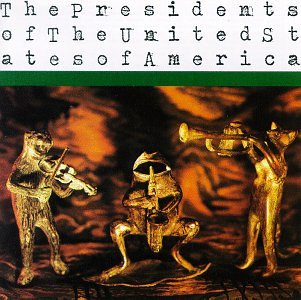
PRESIDENTS OF THE UNITED STATES OF AMERICA: FRONTRUNNERS FOR SUCCESS

FOREWORD: Seattle’s Presidents of the United States of America played dorky hook-filled minimalist pop. Bassist Chris Ballew had played in an early version of Beck’s band and alongside the late Mark Sandman (of Morphine) in unheralded Supergroup before the Presidents got crowned temporary pop princes in ’95. Though ‘96s II didn’t do as well, it still had several catchy ditties, but none could match the nifty one-worded novelties from the colorful debut (the pussy-petting “Kittie,” goofy dry-humping “Lump,” and “Peaches”). They’re playing out a string with three albums released since 2000. This article originally appeared in New Review, a small NYC mag gone bankrupt. It was my first cover story.


On their cover of the MC5 classic, “Kick Out The Jams,” the Presidents of the United States of America make their rock ‘n’ roll pledge: ‘Well, I been elected to rock your asses to midnite!’ And though they hail from distortion-packed grunge capital, Seattle, this good-natured trio (Chris Ballew on two-string bass, Dave Dederer on three-string guitar, and Jason Finn on drums) has a less abrasive, brighter, and gimmicky sound.

Their self-titled debut on Pop Llama sounds more like the ‘60s-era Sonics than any present-day Northwest band.

“We have no dark, brooding songs,” Dave emphasizes. “We want our music to be listened to by little kids and old ladies alike. When we play live, we want people to walk away from our show with a couple of good choruses ringing in their heads. The Beatles were great because they turned pop music into an art by being total studio masters. Another band that did this was XTC. I loved them. And yet XTC refuses to tour and play their songs to a live audience. They prove that music doesn’t have to be a mainly live thing. Unfortunately, two or three generations of kids have made studio-crafted pop music that lacks urgency when performed live.”

In stressing how important good live shows can be for establishing a following, Chris recalls, “When I was in Beck’s band, we did a show with a bunch of acts. Green Day got up to play a twenty-minute set after us. Their show was so incredible they decided not to stop. The crowed went wild.”

Though such events qualify the band as witnesses to rock history, Dave is aware of how people’s tastes change over time. “Who knows what will come next? Whatever tickles people’s fancy is fine, even if it’s sometimes unpredictable. It doesn’t matter what music you listen to. It’s all valid on some level. But sometimes there’s too much editorializing in music. People try to break it down into simply defined categories. Our attitude is this: Here’s our roots, you decide what you think it is.

As to what will come next from these Presidential ‘officials,’ Dave says, “We have a whole albums’ worth of material and we’ll release it within a year. There will not be any lush, pretentious songs in the bands’ future.”

When asked if there were any artists he’d like to record with, Chris replies, “Ringo Starr because he was the humorous Beatle; he had no big head trip. He just played well and supported his band.”

“All of us have a sense of humor, and it comes across in our music,” Chris continues. “I write most of the lyrics. The imagery I use comes from daydreams and boredom, tapping into typical fodder like boy-meets-girl type of songs.”

Of the bands’ arduous-sounding name, he says, “Dave and I were searching for a name while playing live without the benefit of a drummer. In between songs, we’d make up names, and this one stuck. I like it because it’s long, odd, memorable, and dorky. It almost has the sound of a jet plane taking off.”


FOLK IMPLOSION FIGHT THE BACKLASH

FOREWORD: What happens to a side project that has a freakish hit single from a movie soundtrack? They break up when further success proves unattainable. Sebadoh lo-fi prince, Lou Barlow, began Folk Implosion with pen pal fan, John Davis, scoring big with the anodyne “Natural One” and then fading into underground obscurity.

I had interviewed John Davis after work at my Lodi, New Jersey office – which would be flooded with ten feet of water by the next morning. If I hadn’t taken the tape I recorded the phone conversation with back home that evening, this conversation would be lost forever. I may remember the problem with Davis was he didn’t want to tour. Since then, Barlow reestablished the Folk Implosion for ‘03s The New Folk Implosion (with three new members), but even I haven’t heard that comeback LP yet. This article originally appeared in Aquarian Weekly.


Getting together initially in 1988, four-track bedroom pioneer, Lou Barlow, and fellow Massachusetts native, John Davis, gained national attention as the Folk Implosion when narcotic ’95 mantra, “Natural One,” became a hit single from the Kids soundtrack. As a viable side project for Barlow, whose regular gig is co-fronting indie stalwarts, Sebadoh, Folk Implosion issued several limited edition lo-fi cassettes before boutique label, Communion Records, scooped up the duo for ambitious ’94 long-player, Take A Look Inside.

In ’97, the equally promising Dare to Be Surprised suppressed intentions for further commercial exposure with a set of relatively abstruse concoctions.

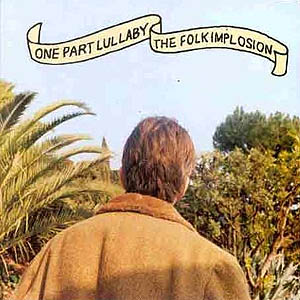
Making good use of Pro Tool studio gear, Davis and Barlow recorded the impressive mood-shifting follow-up, One Part Lullaby for today’s finest major label, Interscope Records.

From the hypnotic buzz of “My Ritual” to the feel good ‘60s spirit of “Back To The Sunrise,” One Part Lullaby revels in the sneering psychedelia of the creepy “No Need To Worry” and the horoscopic grandeur of the harmony-clad “Chained To The Moon.”

Barlow celebrates his current residency on “Easy L.A.,” then floats into the foggy mist with the transcendental “Mechanical Man.” The synthesized orchestral excursion, “Gravity,” takes the boys on a quantum journey beyond the realm of space and time while a fluid drum and bass groove filters through the acoustically centered “Someone You Love” and eerie instrumental “Serge.”

I spoke to Davis via phone from his Massachusetts home late September, 99.

How’d you hook up with Lou Barlow in’88?

JOHN: I got a hold of an early Sebadoh cassette through Conflict magazine. Iwas a big fan, wrote Lou a letter, and sent a tape. He was still in the band, Dinosaur. We developed a pen pal relationship.

Compare One Part Lullaby to Take A Lok Inside and the low-key Dare To Be Surprised.

JOHN: We had more time to work on the songs. Specific songs that grew out of past songs come to mind. You could go from “Palm Of My Hand” to “Pole Position” to “Free To Go,” or put “Someone You Love” next to “Take A Look Inside” and I’d know specific parts that led into each other. Obviously, there’s more programming on this record. The Kids soundtrack, because we recorded at home, actually used four-track recordings to make our own samples. We mixed them with higher-fi computer stuff. We try to mix and match different elements. There’s definitely a ‘70s studio pop vibe on the new album. When acoustic guitar and electronic synthesizers are put together, it makes me think of Fleetwood Mac.

How’d you initially get into music?

JOHN: I was born in 1970. My parents had Rumours and Cat Stevens albums. I don’t think it’s anything I listened to as a teenager, but it’s in my memory. I took folk guitar lessons for two years in sixth and seventh grade. Then I learned on my own by listening to records. I like Leo Kottke and John Fahey a lot. I also like standard ‘80s rockers like Peter Buck (R.E.M.), Thurston Moore (Sonic Youth), and the Feelies. I also like the simplicity of Steve Miller and AC/DC. I guess I try to combine art-rock with hard rock or obscure stuff. Jimmy Page did that for Led Zeppelin. He’d listen to the Blues, but was also into acoustic players like Bert Jansch.

Was it shocking when “Natural One” got played on commercial radio?

JOHN: We were in a unique position since we were staunchly indie and did the Kids soundtrack without signing a record contract. Certainly, we knew this stuff had commercial promise. We thought, ‘this should be played during a basketball game.’ There was a certain amount of innocent fun to it. But when it came time to decide how to finish Dare To Be Surprised, we wanted to protect what we had as an organic team, instead of becoming a hit-making machine. We’ve done a good job steering clear of that situation.

Does a lot of pre-arranging go on while making a Folk Implosion song?

JOHN: Hardly any. We build from bass and guitar, then add layers of percussion. We’ve learned through trial and error that making fewer plans before recording makes things catchier. I could take what’s spontaneous and dynamic and let Lou interact. Pro Tools allowed us to record on a computer without the tinny sound of DAT (Digital Audio Tape). It has better frequency response. It’s like word processing for sound. You could cut and pastethings and make tracks longer. We couldn’t do that on four-track. We’re overdubbing odds and ends and nonstandard instruments after the initial guitar-bass-drum parts. On “Free To Go,” there’s a part Lou played with a half-full glass of water tuned to the pitch of the song.

“Free To Go” seems influenced by hip-hop with its heavy bottom end.

JOHN: The bass line is very important to it. I don’t know where it falls. The guitar part is rockier than “My Ritual” and “Easy L.A,” but then we put in so many rhythm tracks for fun. Lou’s a great bass player and we let him step out on this record. The bass holds down the chord changes, but it’s cool to use for melodic purposes. As a guitarist, it allows me to play lines that are less busy and more sparse.

What new bands interest you?

JOHN: I like Quasi, Belle & Sebastian, and the last Sleater-Kinney record. I like Timbaland’s production, especially with Missy Elliott. I enjoy Jay Z’s “Can I Get A…” and I’m not above saying Beck’s really great. The Beastie Boys’ Hello Nasty was their best in nine years. It’s diffuse. But I’m not into the Beasties punky stuff. That doesn’t wash with me. I’ve been on an older music kick for the last year. I’ve been into Sun RA and Cecil Taylor and older Jazz by Duke Ellington, Jelly Roll Morton, and Count Basie. I like the Secret Museum Of Mankind indie folk collection of ethnic 78 RPM recodings from faraway places like Madagascar and Poland done in the ‘20s. It’s not pretentious Peter Gabriel world music.

One Part Lullaby has two very viable smart-pop contenders in “Chained To The Moon” and “Back To The Sunrise.” Do they stand a chance on watered down radio?

JOHN: I can’t stand listening to the radio. It’s a pretty bleak landscape. It’s difficult for musicians to carve out a lasting identity if they worry about what radio wants. People think there aren’t as many good bands now as there were before. Maybe iut has to dso with culture instead of a general lack of good stuff. There was a window of opportunity for different, cool songs around the time of “Natural One.’ There’s more of a backlash against creative rock on radio now. It’s weird to compare substantial ‘80s stars like Madonna, Prince, and Bruce Springsteen to fake ‘90s non-musicians like the Backstreet Boys and Britney Spears.