Monthly Archives: May 2009

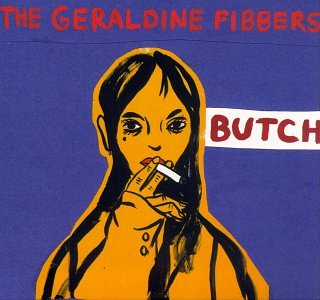
GERALDINE FIBBERS DECONSTRUCT DIVERSIFIED ‘BUTCH’

FOREWORD: Vigorously diversified Los Angeles-based combo, Geraldine Fibbers, spread their alt-Country leanings into indie rock, blues-y funk, and gusty folk-pop like no other band. It’s a shame they didn’t last longer (though a promised belated return may be imminent).

Big-throated emotional alto, Carla Bozulich (ex-Ethyl Meatplow), puts a lot of heart and soul into everything she sings. And by ‘97s superb Butch, the Fibbers had recruited extraordinary avant guitarist Nels Cline for additional stimulus. But the douche-y major label the Fibbers were on dropped them and Bozulich stepped into the 9-to-5 workforce. However, her performance art and fictional poetry kept cultists satisfied, as did solo albums Scarnella (’04) and Evangelista (’06). But I admit I know nothing of these latter works. This article originally appeared in Aquarian Weekly.


Inspiringly variegated Geraldine Fibbers’ singer-composer Carla Bozulich projects distraught and apprehensive feelings with utmost emotional endurance. Gaining exposure and experience through unheralded California bands Neon Veins and Invisible Chains before joining post-core techno-tipped hip-hop pop crashers, Ethyl Meatplow, Bozulich empowered herself as leader of the stylistically diverse Geraldine Fibbers on challenging ’95 debut, Lost Somewhere Between The Earth And Home.

On their second endeavor, Butch, Geraldine Fibbers burst at the seams with Sonic Youth-skewed obsessions (the hyper-tense “I Killed The Cuckoo,” the visceral “Seven Or In Ten,” and the dazed rage “Toybox”) as well as lonesome Country & Western waltzes (“Swim Back To Me” and “Pot Angel”). For further variation, swirl-y experimental deconstructions (“The Dwarf Song” and “Butch”) counteract veiled bluegrass (the earnestly down home “Folks Like Me”).
Withered by life’s cruelties (the AIDS epidemic) and possibly some deep-rooted stress, Bozulich may seem bleary-eyed and disgusted, but hopefulness and reinvigoration manage to seep through each of her compelling songs.

What was the impetus that made you decide to compose and perform music?

CARLA: Well, I never got into music thinking it’d be a career. When I started playing in bands, we never thought about making money. The bands I was in early on, like Neon Veins and the Invisible Chains – the names just happen to rhyme – never got money at gigs. We were shocked when we did get paid. That’s how all the people we knew were doing it. Small labels like New Alliance, the Minutemen label, put out an Invisible Chains album and it cost only $500 to record. I’m only shocked when we get paid. Mostly I just think about art and music and feel like the luckiest person in the world.

What artistic hobbies outside music interest you?

CARLA: Sculpting and painting, though I haven’t sculpted for so long. I did that when I was younger and had spare time. I was really into painting, but now I tend to focus my attention and energy in only a couple directions. I know things are there if I want to go back to them. I like to write fiction and articles that aren’t music related. But that’s on the backburner priority-wise. Maybe I’ll pick up some of that when I’m touring and have time in the van.

You seem theatrically inclined. Would you consider directing or acting?

CARLA: I directed our new video for “California Tuffy.” It was fun. I wanted to direct it because I didn’t trust anyone else to make a video I could stand to look at.

Do you think MTV will pick it up?

CARLA: That would be just fine. We basically abandoned or completely defiled all the standard parameters which are usually expected to be enforced.

You mean we won’t be seeing the outline of your nipples through a skimpy blouse?

CARLA: There’ll be none of that. There’s no edits or lip synching, except one line which is done by a small latex cat. And most of the bands’ performance is done on broken or burning instruments. So there’s no sharp contrast focus moves done with the camera, like when the background comes into focus while the foreground is out of focus. You won’t see that. You won’t see flashes of big light for a false sense of epilepsy. We try not to use those manipulative ideas. The problem is, that’s all been done and it’s so ridiculous. But it’s all that’s allowed in most music videos these days. So we tried to make a video that had a sense of humor about NOT doing that. The point was to have a good time not doing the same thing.

Why did you choose “California Tuffy” as the initial single and video?

CARLA: I guess it seemed like an obvious choice. It’s a fun summer tune that’s upbeat. I didn’t want to release a real slow song as a first single because… I don’t like to do that.

Another cool fast one on Butch is the frenzied “I Killed The Cuckoo.” I thought that sounded scintillatingly similar to late ‘70s arty Brit-punks, X Ray Spex.

CARLA: I love X Ray Spex. They should’ve rules the world back then. However, the most interesting bands were lost in the shuffle. Punk rock just never caught on because radio couldn’t deal with the anti-establishment part. They took it personally and never gave punk any airplay. And now, basically, it has turned into generation after generation ignoring the underground. But what did you expect?

Commercial radio truly eats wretched shit in New York City. That’s why Howard Stern is able to beat those jackoffs with his wild antics.

CARLA: Well. KRCW Los Angeles is national public radio so that doesn’t count. But there’s no commercial station worth jack shit anymore. They base playlists on graft and politics, making sure nothing powerful comes through.

Right. It took Nirvana’s “Smells Like Teen Spirit” to shove grunge up radio’s narrow ass.

CARLA: Beck’s on the radio. He’s amazing. He’s the hero of the world. He’s great!

Many of your songs seem based on internal rage and turmoil. Are you really that angry?

CARLA: I’m not really that angry. But there is one thing that gets me really pissed off, and that’s AIDS. The main factor for rage on Butch is that my friends are dying from this disease and I think it fucking sucks. What’s obvious is that if it wasn’t a disease affecting homosexuals and junkies, we’d have a cure. If it was touching rich white men with families and political ties at a more extensive level, we’d have some action.

How have you matured as an artist since recording with Ethyl Meatplow a few years back?

CARLA: I don’t know. Ethyl Meatplow was one side of my character. It was frustrating because I didn’t get to exercise all my strengths. The band operated within the confines of certain limitations. I did write some songs I really liked that were truly mine, like “Ripened Peach” and “Queenie.” I came through loud and clear on those tunes. But it still was a situation where there were a lot that didn’t work. I still think the Geraldine Fibbers have an annoying tendency to be all over the place. But I made sure everyone in the band knew we’d have no limitations. We go from style to style without blinking an eye.

Are you afraid you’ll abandon some fans with the eccentric deconstructed songs near the end of Butch?

CARLA: I’m not afraid. I don’t give a crap. “The Dwarf Song” is cool. I love the last few songs, like the cover of Can’s “Yoo Doo Right.”

You get solid support from violinist Jessy Greene and guitarist Nels Cline. How’d that come about?

CARLA: Jessy is a woman who recently quit the band. She was really good at giving me what I wanted in the studio, regardless of her personal tastes. That was realy cool. Nels, on the other hand, has played on records by Charlie Haden and Thurston Moore. And he has his own band, Nels Cline Trio. He’s an angel from heaven.

Tell me what makes your live shows so special?

CARLA: I think there’s a very unexpected mania that occurs. It’s probably wirth the price of admission just to see me leave my body while I’m onstage. I generate nervousness before I go onstage, trying to resist the urge to go hide under a table. It’s my own personal way of dealing with stage fright.
BOB MOULD READIES ‘LAST DOG AND PONY SHOW’

FOREWORD: Celebrated post-punk indie rocker, Bob Mould, co-led Minneapolis’ stupendously frenetic hardcore trio, Husker Du. Internal bickering and drug abuse forced Husker Du to close up shop by 1987, but not until they set rock clubs ablaze. ‘84s excellent Zen Arcade, ‘85s quite-possibly-better New Day Rising, and ‘86s not-far-off Candy Apple Grey were the best items in their catalogue.

Mould went on to lead the more accessible, but no less energetic, Sugar, before going solo. I got to speak to the provocative underground icon in ’98 to promote his fourth solo LP, Last Dog And Pony Show. In private, Mould discussed writing scripts for wrestling, something I found interesting when it actually happened.

Since then, Mould has released more solo stuff: ‘02s electronic rock exploration, “Modulate,” its tidier successor, ‘05s Body Of Song, and ‘08s worthy District Line. In ’09, he dropped aggro-rock revisal, Life And Times. Now a glad-to-be-gay same-sex-advocating bald-headed fifty-year-old, Mould remains an honest-to-goodness rock luminary. This article originally appeared in Aquarian Weekly.


After piloting pioneering noise rockers, Husker Du, in the ‘80s, Bob Mould went solo and then formed explosive indie pop trio, Sugar. Able to kick it loud by pushing the distortion pedal to the floor, this iconoclastic singer-songwriter may not be a household name, but those who grew up with college radio truly admire his entire body of work.

Continually analyzing inhibitions and frustrations, his stylistically diversified fourth solo album, The Last Dog And Pony Show, offers honest hindsight and at least some emotional reconciliation. Still willing to share insecurities and inner turmoil, Mould admits he “never learned to trust another person” on the acoustic reflection, “Vaporub,” and daringly confesses there’s “nothing left to conceal on the blustery “Skin Trade.”

Rollicking rockers like the amp-revved “Moving Trucks,” the streamlined “Taking Everything,” and the slashing “Classifieds” offer a serious Husker Du Sugar rush.

Now residing in New York City, Mould spoke frankly via phone about past, present, and future endeavors.

You covered some cool ‘60s songs in the past. Were you a big record collector as a kid?

BOB: My actual cognizant memory of knowing music and artists started when I was five or six with the Beatles, Beach Boys, and the British Invasion. I had all these jukebox singles as a kid. That made me want to start writing songs by age nine. In terms of the Bob Mould people think of, hearing the Ramones at age sixteen was great. I thought, this is simple and it all makes sense again. It was like the Beatles – only easier. That and boredom coupled as motivating factors for me to pick up a guitar. Before that, I played keyboards while my friends in high school were into unapproachable arena rock like Aerosmith and Ted Nugent – which seemed very distant. But the Ramones seemed so natural and less about image. There were the Steven Tyler and Stevie Nicks fans. Then there were the Patti Smith and Tom Verlaine fans at that age. So for me it was an easy choice. The punk music scene was very inclusive, as most good scenes are.

Husker Du’s early songs were chaotic and messy fun. Each succeeding release got better. How did you learn to write better pop hooks with more precise arrangements?

BOB: There are a lot of different steps. The first is the inspirational point, just creating sounds through voice and instruments. Sounds and ideas, if you’re not thinking about them, lead you to a place where you get a bit of clarity on a topic or subject. That process is pretty special but indescribable. The physical construct of a song, putting words and music together, is craftsmanship. It’s a learned process. How long do you dwell on a certain subject in a story and come to a resolution? What technique do you use? It’s hard to write words and music at the same time. Usually I have to graft the words for music, or write music for words that already exist. Words are like poetry. There’s a meter and form to it. But music is more flexible.

Do you feel more comfortable working with only a few musicians at a time?

BOB: When my life was less settled, it was more fun to have more people around. As I got older, I came to terms with my different roles and knew what I could do by myself. When I need someone to help get where I want to go with my vision, I find them and work with them. Lately, since I’ve been recording for twenty years, it seems like it’s more of a mentor situation – which is a little unnerving. Maybe someone doesn’t have enough experience, but I recognize the skills they have. Given devotion and discipline, I feel those people could learn a lot. It will also help me. Those are the arrangements I work in now as opposed to putting a band together. Bands require a lot of spiritual energy. I’m pretty clear as to how I want my songs to come across.

Were you as disciplined when you started Husker Du?

BOB: At the time, I was only twenty years old and had an endless supply of ideas and energy. You hate everything and you want it yesterday. It’s easy just to write on that. Husker Du, for a while, was very unfocused. I thought, until Zen Arcade, we were just looking for something. But when we did Zen Arcade, we thought we had the shit and no one else did. That was our moment.

Your lyrics are less ambivalent and more reflective now. You’re nearly loquacious on The Last Dog And Pony Show.

BOB: There’s some good stories in there. It runs a pretty wide gamut. It starts with an unconditional love song and ends with a similar sentiment. In between there’s bizarre fiction and autobiographical glimpses. It’s cool.

What’s with the electro-Industrial trip-hop collage, “Megamaniac”? Are you mocking an over-saturated music scene?

BOB: No. That was done in earnest. A couple weeks into making the record, everything was going as planned, which was kind of boring. So I just wanted to mess around with machines at home. I went off and did it for fun. It’s not a send-up. It actually got me refocused on the other songs.

“Vaporub” makes reference to the fact you’re misunderstood. Why?

BOB: A lot of people feel that way. I just lay out the premise that in this world where everything moves quickly and people have motives and don’t trust each other, one of the problems is, since they’re in a hurry, they don’t communicate much. There’s not much understanding. Words are a strange thing. Language and communication are fragile and often misunderstood. At the end of the day, it’s a bunch of songs. It’s the message, not the messenger.

What’s with the abstract artwork on Black Sheets Of Rain, the self-titled album, and the new one?

BOB: Black Sheets Of Rain features a photograph of a side of an abandoned car that was sitting on the shores of the East River for the longest time. Twenty minutes after the photographer took the pictures, they finally towed the car. On the self-titled album, I found a hubcap laying on the street. It looked good. One the new album, the photo is sort of a diseased cross between a horse and a dog, It’s modern art, dude.

Is the new album called the Last Dog And Pony Show because it’s your last electric album before settling into acoustic music?

BOB: It’s the last time around for a full band in a punk rock setting. I could give you ten reasons why it’s the last electric album. The title was a suggestion that came out of my mouth when a British publicist asked what I was going to do after this album. I said, ‘this is probably the last dog and pony show I do with a band. He suggested it would make a good title and it stuck.

What new artists do you find compelling?

BOB: The latest Neutral Milk Hotel is real neat. I’m always a big Rachels fan.

Why’d you leave Minneapolis for New York City?

BOB: Minneapolis is where I cut my teeth and spent eleven years. I was there at age seventeen to go to school. It was a great city that, at least through my eyes, was going to hell by the time I left. It ran out of energy. I came to New York in’89, then did a three-year sabbatical in Austin, Texas, before coming back to New York.

Do you hit the New York clubs with regularity?

BOB: I’m 37 now. I don’t like standing up for more than two hours at a time. My back starts to hurt. (laughter)

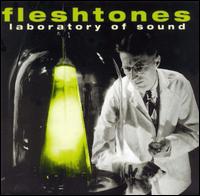
FLESHTONES KEEP GARAGE ROCK INSIDE ‘LABORATORY OF SOUND’

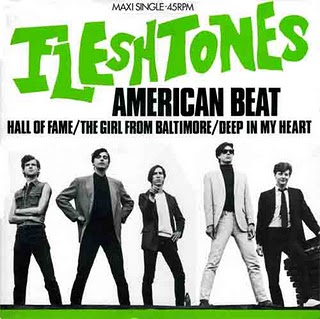
FOREWORD: The Fleshtones are a Queens, New York garage band that has survived since 1976, when they began playing hot Manhattan clubs such as CBGB and Max’s Kansas City. They’ve developed an avid cult following over thirty years of recording and touring. ‘82s Roman Gods and ‘83s Hexbreaker really got the momentum going. Snappy horn-imbued footstomper, “American Beat ‘84” was prominently featured in Tom Hanks movie, Bachelor Party.

 Last time I saw the Fleshtones, they played at World Trade Center’s Windows of the World right before -11. When I met up with guitarist Keith Streng in Manhattan to support ‘95s Laboratory Of Sound, he spoke about music, but more so, his skeptical thoughts on contemporary celebrities. This article originally appeared in Top Secret, a cool Jersey biker zine with half-nude chicks, comic strips, cartoons, and some murky contercultural relevance.


Guitarist Keith Streng and vocalist-multi-instrumentalist Peter Zaremba have led New York City’s Fleshtones for close to twenty years. Personnel changes, various producers, and a couple side projects may have sidetracked these demon pop architects, but they remain the best party band on earth.

With grunge producer, Steve Albini (Nirvana’s former knob twister) at the helm, the Fleshtones have released their finest work yet. Laboratory Of Sound contains the same outgoing spirit their fans have grown to love.

The last time I watched these loose nuts play live was at the Fez in Manhattan. My brother Steve and I were plowing fuck-loads of beer and whiskey that night, waiting for the bastards to start. At 11:00 PM, Keith Streng finally appeared behind the bar we were standing at, cigarette in mouth and guitar in hand, leading off their set with loud, elongated riffs. When he found his way to the stage, the band joined in and rocked the small room for one action-packed hour.

Streng says Laboratory Of Sound is the most live-in-the-studio album since the late ‘70s, when they barely had a budget for their debut, Blast Off!

“Our producer, Steve Albini, managed to get our sound on tape with crisp clarity. He’s a super engineer – an incredible scientist of sound, hence the album title,” Streng insists. “The guy’s a genius. He made us sound like we were playing in your living room.”

Streng’s also brutally honest when I jokingly ask him what the worst song on Laboratory Of Sound is.

“If I had to pick the shittiest song on the album, I’d have to say our version of the Guess Who’s “American Woman.” It’s a cool kind of fucked-up. It would be a super B-side,” he notes.

Streng shares his memories of the worst venue the Fleshtones ever played: “It was some garage in Mississippi. It was horrible. There was no bathroom, just an outhouse. We were in the Deep South and not many people showed up. They couldn’t wait for us to leave.”

Some buttheads might think the invention of the CD was heaven sent, but I agree with Streng’s sentiment.

“CD’s were supposed to be superior quality. Indestructible. But they’re not easy to clean, and fresh vinyl sounds better. CD’s are a scam record companies invented to make more money. I used to love LP covers, but now they’re gone. You get these shrunken little fold out books inside the CD. The old Rolling Stones graphics used to be great,” he realizes.

Here are his thoughts on the worst Beatles song and most overrated current band.

“The worst Beatles song might be “Rocky Raccoon.” It’s just stupid. And “Octopus’ Garden” should’ve been done as a children’s song. It’s OK, but it’s silly,” he mocks. “I really don’t like Pearl Jam that much. They’re too contrived, probably because of the record industry.”

His thoughts on the recently indicted child molester Michael Jackson: “His new stuff is sheer bullshit. Basically, he went insane and got misguided. He wants to look like a white guy. His songwriting went straight into the toilet. He should just admit he likes little boys. Did you see his interview with Diane Sawyer? His wife, Lisa Marie Presley, comes off like she has no education. She’s very coarse. It sounded like she came from a slum because of her inarticulate statements.”

But Streng enjoys Howard Stern’s radio antics when he has time to listen.

He reasons, “Howard’s pretty funny. I only get to listen early in the morning on the way to gigs. He’s cynical and sarcastic and very talented. To a degree, his thinking leans to the right, though he’s not your usual boring conservative.”

As for OJ Simpson, Streng comments, “That court case has gotten more insane. How much evidence do we need to see? I mean, why keep the case going on – so TV and lawyers can make money. The killing was premeditated. He knew what he was going to do. There’s really no doubt. What’s funny is that I was getting ready to play a gig in Atlanta that night he drove around in the Bronco. Before the chase, I jokingly said ‘wouldn’t it be funny if OJ was making a break for Mexico.’ Sure as hell, that’s what he must’ve been doing with the $9,000 and a gun.”

Streng’s opinion on Hollywood movies?

“Fuck Hollywood! The movies are so cliché and formulaic. Why bother spending so much money? I’m not a fan of Kevin Costner. Everyone aid how great a movie The Fugitive was, but I liked the TV show better. The Batman movies pretty much suck. I do like Reservoir Dogs and I want to see Pulp Fiction soon.”

We agree drugs should be legal so banks stop lending money to drug traffickers, who then get off because the FBI needs to sustain their existence.

Streng adds, “But the government might let the quality go down. And ig they’re overpriced, what good would that do?”

His favorite drinks are vodka and Canadian Whiskey, but he also dabbles with Molson Ice Beer. He hates gin because it used to give him horrible hangovers.

Anyway, if you’re in the mood for some fun and cool party music, catch the Fleshtones live. You won’t be disappointed.

JOLIE HOLLAND MOVES PAST ‘CATALPA’ TO ‘ESCONDIDA’

FOREWORD: Texas-bred singer-guitarist-violist, Jolie Holland, champions superannuated old timey music for newly enthralled mods. In ’04, I caught up with the amiable bespectacled gal at Maxwells in Hoboken to promote her second LP, Escondida. She has since continued to gain popularity, as ‘06s Springtime Can Kill You and ‘08s The Living And The Dead (with guitarists’ M. Ward and Marc Ribot onboard) received critical plaudits. This article originally appeared in Aquarian Weekly.

Sometimes the past refuses to recede into our collective memories, reassuringly taking us back to an innocent time when skies were bluer, air was cleaner, and grassroots music, more genteel. Bringing back the spirit of those witheringly weathered days is Jolie Holland, whose old timey visage and euphonic inflections revisit, rekindle, and re-acknowledge well begotten olden relics.

Born and raised in Houston, the singer-guitarist-violist then spent adolescence in a family-owned east Texas home just a few hours northwest of musical Mecca, the Big Easy. Her initial public performance in a local band (as rhythm guitarist) happened at the tender age of sixteen, before she subsequently secured several local solo gigs. Though Holland’s parents assumed she’d attend college and land a high-powered corporate job, the free-spirited bohemian began paying more attention to the ragtime Blues of guitar pickers Blind Willie Mc Tell and Elizabeth Cotten.

Yet Holland didn’t get deep into the Blues until she left the Lone Star State for San Francisco, meeting many respectable musicians who shared similar interests. Thereupon, she inhabited Vancouver’s drug-addled ghetto as lead songwriter for the earthy Be Good Tanyas. After splitting from the group over creative differences, Holland made a staggeringly admirable bare-bones demo that reached the hands of reputable bard, Tom Waits, an undeniably meritorious role model.

Captured in a living room, the resulting Catalpa was then given proper release by Waits’ current label, Anti (a subsidiary of established L.A.-based indie, Epitaph). Interspersing hokum Country alongside modern folkloric peculiarities, its courageously naked rural-bound compositions express intimate confidentiality and draw frank comparisons to Alan Lomax’s archaic field recordings.

In November ’03, Holland entered a formal studio with vetran Jazz drummer Dave Mihaly, fellow six-stringer Brian Miller, and other recruits for the lovely Escondida. From delightful Cajun waltz, “Sascha,” to flickeringly tingled sedation, “Darlin’ Ukulele,” to lonesome bluegrass refuge, “Faded Coat Of Blue,” her cherished cabaret poignancy reveals astoundingly plaintive vulnerability. In spite of its home-y upbeat Tejan feel, “Goodbye California” deals with untimely suicide, perhaps paralleling the Piedmont-forged death tales of yore.

Wearing an antiquated petticoat dress, knee-high stockings, golden brown shawl, and black granny shoes, the bespectacled full-figured bumpkin held the half-seated crowd in the palm of her hand at Maxwells in Hoboken, hypnotizing the awestruck minions with understated poise usually reserved for torch song bearers twice as experienced. Holland’s witty self-deprecation, genuine wide-eyed smile, and hippie-ish vagabond countenance kept the audience engrossed despite flubbed improvisational attempts at familiar rudimentary originals and one temporary mid-song bungle.

Notwithstanding these few errors, Holland’s sweetly demure voice possessed this backroom club whether serving up back porch folk, melancholy Western swing, or operatic Jazz. She broke out a violin for a native American instrumental dirge that slipped into the somber “Alley Flowers.” When her violin fucked up during another number, she recovered brilliantly, succinctly freestyling a cappella lyrics to eventual applause. The sullenly majestic “Drunk At The Pulpit” satiated silenced attendees as a supinely restrained encore.

Why’d you move from the Louisiana-Texas Jazz-Blues hotbed to San Francisco?

JOLIE: I love New Orleans, but to live there, what job would I have – working in a bar around drunken people. I settled in San Francisco and was introduced to amazing musicians I wanted to work with.

Then you moved to liberal-minded marijuana vista, Vancouver, to be in the Be Good Tanyas. Were you also a stoner?

JOLIE: No, I’m extremely moderate. I lived in a rough neighborhood – 50% HIV rate. It was hard to go out at night because there were junkies everywhere. But I met great people and wanted to see what the city was like. I’m back in San Francisco living at the Golden Gate panhandle. It’s a tourist-y area.

Are Jazz-folk singer-songwriters such as Joni Mitchell or Rickie Lee Jones influential?

JOLIE: I hate Joni Mitchell’s music. I respect that people like her but she’s not singing to me. I can’t stand Rickie Lee Jones music. I’d like her if I could understand what she was singing. I’m from the street so I wanna hear what you’re singing or I won’t drop money in your hat. When you mumble, it makes people think you’re not serious. But I look forward to hearing her new album. Most radio songs are bad and the Blues stations play boring new stuff. I didn’t even realize there was good roots-y Blues music until a friend turned me on.

Since Catalpa was recorded in your living room, will those songs ever be given proper studio treatment?

JOLIE: My band’s really creative and versatile. Every song I’ve recorded I’ve done twenty different ways. I’ve done Catalpa songs with huge horn arrangements or with guest rappers. I probably will re-record some differently. “Sascha” and “Poor Girl’s Blues” are the oldest songs I’ve ever recorded.

Getting to Escondida’s nitty gritty, you begin with “Sascha,” a diva-esque torch song.

JOLIE: That’s an early Jazz-pop-styled tune. It’s inspired by anarchistic New York writer, Sascha. We hung out and had a sweet relationship that motivated me to move out of Vancouver. “Sascha” represents me having a melody in my head and not knowing how to put chords behind it. It had seven chords – which is a lot for a song. I learned more about musical theory before I finished that song.

“Old Fashioned Morphine’ reminded me of Billie Holiday, who struggled with heroin addiction.

JOLIE: I love Billie Holiday. But that song doesn’t refer to recreational morphine use. I’m using it metaphorically. I wrote that to amuse myself while waitressing. I’d just read a book about medicine history and my grandfather had just spent his last six months on morphine.

Its post-midnight trumpet setting comes closest to Tom Waits oeuvre.

JOLIE: It’s funny you mention that. The trumpeter is my friend, Ara (Anderson), who was lucky enough to get called by Waits to play on his last two records.

Are you into similarly styled folk troubadour, John Prine?

JOLIE: I’m not a fan of his (nasally Dylanesque) voice, but I love his songs. I do “Christmas In Prison.”

Does the lilting, velvety piano ballad, “Amen,” come from Gospel spirituals?

JOLIE: The most direct inspiration is (acid folk weirdo) Michael Hurley. I love his records. He inspired “Amen’s” wacky arrangement. When you listen to his songs, structure seems to make sense, but then it jumps out of key in strange moments. His songs have an internal sense, tight flow, and strong nucleus communicated in a strong way. He’s so inspiring. “Amen” was written off the top of my head on a full moon night on piano at a crazy practice with his principles in mind.

Then there’s “Poor Girl’s Blues,” a down home Appalachian folk-Blues tune.

JOLIE: At the time in’95 (when it was written), I was listening to early Dylan, like Freewheeelin’ or Another Side.

The quietly strummed gentle persuasion, “Do You?,” has a hushed lilt Norah Jones would appreciate.

JOLIE: I don’t know her but I have ten friends in common with her. I was in a band with someone who wrote “If I Were A Painter” for her first album. I’m also a friend with her first manager. She’s in the family, coming out of a musical circle I stepped into in San Francisco. People are annoyed they hear her too much. But she’s younger than me and I’ve been around longer so she’s not an influence.

Are you into British Isle folk by Fairport Convention or Richard Thompson?

JOLIE: Be Good Tanyas’ “The Little Bird” was up for best song on BBC, but we lost to (Thompson’s ex-wife) Linda Thompson. I don’t know what she sounds like. I’m so broke I can’t afford records.

How might your future recordings differ?

JOLIE: I have different ideas. I have an unreleased live record. There’s an element of sketchy rock and roll not represented on either of my first two records so I wanna lay down that rock sound I represent live. I also wanna do a pristine Jazz-Country record with dance songs you could imagine couples dancing to wearing tight jeans.

OLD 97’S: TOO FAR TO CARE

FOREWORD: Old 97’s could’ve and should’ve been the band that blew open Country radio’s doors for the entire independent ‘alt-Country’ scene to come rushing through. In a fair world, Old ‘97s and their deserving contemporaries (Whiskeytown, Uncle Tupelo, Ryan Adams’ Whiskeytown) would’ve been the cream of the crop and picked to click at Country radio.
But the conservative twits at commercially-sponsored Country radio in the ‘90s would never offer airtime to rock-leaning contemporary artists that’d put a strain on the syrupy ballads feeding the system – even if they did get signed by a major label (you know, the guys who give payola, weed, and coke to lame Country DJ’s to play syrupy ballads).
But alas, Old 97’s fate was sealed and they kept selling out small clubs instead of stadiums. I got to speak to guitarist Ken Bethea and bassist Murray Hammond in ’97. I was originally hoping to talk to band-leading composer, Rhett Miller, but that didn’t happen. Anyway, his band mates knew plenty about Texas music (giving a shout out to the Butthole Surfers) and proved very resourceful.
After this piece (which ran in a highly popular porn mag), Old 97’s hit the studio again for ‘99s scrappy Fight Songs and ‘01s equally fine Satellite Rides. ‘04s raw-boned Drag It Up wasn’t up to snuff, but ‘08s Blame It On Gravity made a nice comeback. Rhett Miller, meanwhile, put out respectable solo albums such as ‘02s The Instigator and ‘06s The Believer, plus an eponymous ’09 full-length. This article originally appeared in Gallery Magazine.


Freewheeling neo-traditionalist alternative Country quartet, Old 97’s hail from Dallas, Texas. They pick up where early ‘80s cowpunk combos like the Del-Lords, Rank & File, and Jason & the Scorchers left off, forging through twangy Western guitar riffs and hip-shakin’ rockabilly beats with punk attitude and verve. Old 97’s proves roots music can exist outside of its specific time and place.

Copping their numeric moniker from a song made popular by Johnny Cash, “The Wreck Of Old 97,” these spirited hipsters recently released their third full-length disc, Too Far To Care. Gaining momentum from ‘94s Hitchhike To Rhome and its well-received follow-up, Wreck Your Life, Old 97’s seek acceptance among the underground rock and Country audiences spurned by mainstream radio. While banjos and mandolins were used on Hitchhike To Rhome, they’ve now become more relaxed with the standard bass, guitar, and drums format.

“Nashville accepts Garth Brooks over us because people are convinced that’s what modern Country sounds like,” bassist Murray Hammond insists. “But we like old-style Country music. In fact, I was always engrossed in the chugging ole-timey stuff. We atke a lump of rock clay and stick Country in it. And yet, we’re more influenced by simple Appalachian bluegrass tunes than George Jones and Merle Haggard. We twist ‘60s and ‘70s rock and punk energy. The stuff from the ‘80s and ‘90s hasn’t found its way into our sound yet.”

“As a guitar player, I was a big AC/DC fan,” admits Ken Bethea. “I was into Angus Young, but never liked Led Zeppelin, Neil Young, or Jimi Hendrix. I never listened to any Country besides Merle Haggard. I also loved listening to X because they meshed punk and rockabilly. Then I got into Joe Ely and Jerry Jeff Walker when I went to school in Austin.”

Clearly, Bethea doesn’t try to model himself after any other guitarists, whether rock-based or Country-Blues-based. “Basically, I try not to play, the melody of our songs, but instead go against the grain to give it a certain unique charm.”

Since Old 97’s are worried about being perceived as a straight-up Nashville Country act, they decided not to allow someone like Dwight Yoakam’s producer to record Too Far To Care. Instead, they let Boston-based Wally Gagel (who has worked with indie alt-rockers Sebadoh, Superchunk, and Julianna Hatfield) handle the chores.

“We never said we were indie until we die like the Minutemen did,” Bethea claims. “We just want to thrash and bash and make good-sounding records. The biggest difference between the new album and its predecessors is that we had three months – instead of two weeks – to rehearse. We had pre-production time to work on song ideas and give it more of a kick. Plus, we had a bigger studio to work in, better food, and a nicer atmosphere.”

Perhaps the trusty “Big Brown Eyes” best exemplifies Old 97’s sound. Guitarist-composer Rhett Miller sings the melancholy hearty-on-the-sleeve lyrics over rubbery bass and drummer Philip Peeples’ ticking rhythm. Its lonesome prairie ambiance and honky tonk attitude brings back the agility and delicate sentiments of deceased Country-rock legend Gram Parsons. “Big Brown Eyes” could be taken seriously or shrugged off as a tongue-in-cheek ditty.

‘We want to be fun, but not funny,” Bethea declares. “Rhett decided Too Far To Care would make a decent title, since it’s a vague reference to self-destruction. He’s being self-effacing about a broken relationship.”

Changing moods and styles from song to song, Old 97’s stampede down a whiskey-soaked highway on “Time Bomb,” hearken back to Country balladry on “Barrier Reef,” then shift despair-ridden “Broadway” into a rollicking garage anthem. Hammond’s hasty banjo gives the anachronistic “W. TX. Teardrops” a hillbilly boogie bent and the bouncy “Streets Of Where I’m From” perfectly balances its alternative rock ambitions with Country & Western savvy.

Due to its size and cultural diversity, Texas is home to a wide variety of Blues, folk, pop, rock, and Country artists. There’s T-Bone Walker, Willie Nelson, Waylon Jennings, Thirteenth Floor Elevators, and an endless list of musical progenitors. Why such a varied menu?

“Possibly because it’s so far away from both Coasts, Texas artists retain one unified identity with different subcultures, ” Hammond rebuts. “People are raised to think Texas is unique. Look at Butthole Surfers, the quintessential cool band that had its own thing going on since the early ‘80s. They may be hardcore, but they run the spectrum from soft to loud, hard to quiet. They have punchy rhythms and in-your-face lyrics. Some people think their wordplay is heavy-handed or insulting. I just think they have a commanding presence.”

In spite of Country radio’s disturbing lack of serious young artists on their play lists, insurgent bands such as Old 97’s, Moonshine Willie, Waco Brothers, Slobberbone, and BRS-49 continue to gain a foothold by playing smaller venues. Perhaps some day one of those combos will explode and everyone will ride their coattails to stardom.

Hell. Before the Eagles took Jackson Browne’s “Take It Easy” for a chart ride in ’72, Parson’s underrated Flying Burrito Brothers, Poco, and Emmylou Harris were caught in the same Catch-22 trap suffocating these modern visionaries. Let’s hope they’re not stranded too long.

GRIFTERS CHALLENGING AS HELL ‘FULL BLOWN POSSESSION’

FOREWORD: Rousing Memphis-based ‘90s band, the Grifters, loved using subpar equipment to put across coarsely skewed, roughly hewn, Stones-copped slop-rock. I got to interview co-composing bassist Tripp Lampkins in ’98 when their final album, the corruptive Full Blown Possession, hit the streets. Utmost mofo bohos to the end, the Grifters didn’t last a decade but those who saw ‘em will never forget ‘em. This article originally appeared in Aquarian Weekly.


Borrowing their latest three-word title from The Exorcist, the Memphis-based Grifters achieve a singular sound by diversifying R & B, rock, swamp Blues, and Jazz elements on Full Blown Possession. Their malformed, depression-bound songs deal with regret, fugitives, loveless vagabonds, and life’s underside.

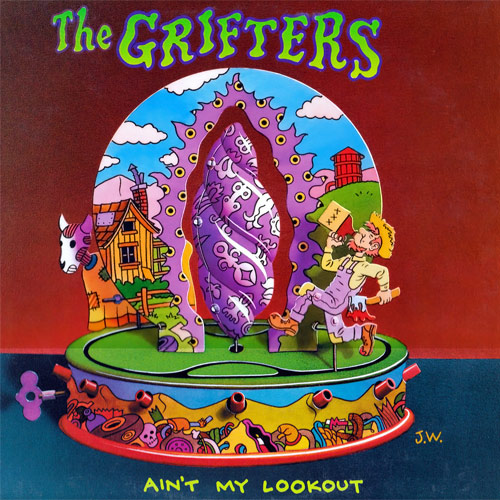
Beneath the unsettling guitars of Scott Taylor and Dave Shouse lies the great rhythmic thrust of propulsive bassist Tripp Lampkins and determined drummer, Stan Gallimore. As with the Grifters third album, ‘94’s Crappin’ You Negative, and its superb ’96 follow-up Ain’t My Lookout, the hauntingly demonic Full Blown Possession benefits from the increasing role of the rhythm section.

The muscular engine-driven “Re-Entry Blues” neatly matches a compelling melody with Pavement-happy choruses; the implosive “Blood Thirsty Lovers” features blistering ‘70s arena rock power chords; snake-bitten mantra “Cigarette” retrieves the heavy, loping guitar and pungent bass sound emanating from John Lennon’s “She’s So Heavy” and “Cold Turkey”; and the cosmically cryptic “Contact Me Now” flirts with LSD-era Beatles. But this is oversimplifying the Grifters evil-possessed half-inebriated psychedelically blustery sound.

Never afraid of a little debauchery or good clean fun, the Grifters began in ’89 as A Band Named Bud. Changing their moniker in time for ‘92s halfway decent debut, So Happy Together, they arrived at a truly original sound with ‘93s One Sock Missing. Along the way, constant touring, a cameo in the underground movie Half Cocked, and a few 45 RPM releases kept the Grifters busy.

I spoke to Tripp Lampkins by phone from his Memphis home.

Could you summarize the Grifters career and put it into perspective?

TRIPP: In the beginning, there wasn’t any order to our sound. We reveled in the collision of our styles, which gave our songs meaning, but now we’ve learned to write to each others strengths as well, but that’s not necessarily a good thing. I like to think Grifters music is more exciting when everyone is challenged to do something they might not otherwise do.

The sturdily pervasive “Re-Entry Blues” seems symbolically open-ended. It could be about the Grifters struggle to follow-up Ain’t No Lookout, the need for Sub Pop to revitalize its once-mighty stature, or the mission to conquer new ground while fighting back the current trendy electronica phase.

TRIPP: (laughter) That’s a Dave song. Sometimes he has imagery he wants to use in song. Then he’ll come up with ways of skewing that imagery with some other kind of imagery and he makes up the meaning afterward. “Re-Entry Blues” could have something to do with the bands’ status at Sub Pop. It could mean one last chance.

Do the Grifters feel attached to Memphis’ deep-rooted musical past?

TRIPP: I like to think we have a little Booker T & the MG’s in us. Our drummer, Stan, has been compared to veteran Stax musician, Al Jackson, because of the way he meters out a song. He’s heavy-handed and beats the shit out of the drums. So it doesn’t help to write a song that’s laid back with a wispy beat. He unforgivingly holds down an unchanging tempo without showing off. I’d definitely say there’s some huge Big Star pop hooks in our music. Some tragically beautiful guitar riffs inundate “Contact Me Now.” But a lot of people say that song sounds like AC/DC. I think most bands feel connected to Memphis sounds from Stax and Sun Records. It’s cool to be from Memphis, but it doesn’t give us any divine right to the blues.

What blues artists do you enjoy?

TRIPP: I like Little Milton, who’s closer to soul than blues. 1930’s Big Band bluesman Jimmy Lunceford is really great, but his records are hard to find.

Do the Grifters find it difficult to arrange their somewhat complex compositions?

TRIPP: We don’t make the arrangements too involved because they’d be hard to remember. We keep it verse-chorus-verse-chorus-bridge. If a song sounds formulaic or if we’re aware it sounds like something else, we change it up so it holds its own ground. Scott has written the same Irish drinking song four times. We find ways to make them sound different. It’s a fun challenge to take “Centuries,” which is basically the same song as “Banjo,” and rebuild it.

Is there one song that epitomizes the Grifters sound?

TRIPP: We play “Bummer” all the time live. It starts with a great driving Scott riff. Dave add one of his classic mournful, tragic laments about a girl possibly, and it becomes a typical Grifters tune that doesn’t mean anything. Except for Ain’t My Lookout, Scott tends to write about his screwed up marriage. Quite a few colorful characters came out of that situation. We thought he’d be too happy to write fucked up songs after the divorce, but luckily that’s not the case.

What bands did you listen to as a kid?

TRIPP: My aunts and uncles were into the Beatles and Deep Purple.When I was four that’s what I listened to – along with Black Oak Arkansas. My first live show was Kansas when I was in fifth grade. It’s also the first time I ever smoked weed. You couldn’t help but get stoned at a Kansas show. I still get high, but I gave up on the psychedelic stuff. It just stopped working for me. I still enjoy mushrooms, but not LSD.

Give me one great fucked-up tour story.

TRIPP: Our road crew dealt out a little karma in Portland. This guy apparently rubbed everyone the wrong way. He was drinking on our tab and hitting on this girl all night and freaked her out. She came to our merch table seeking shelter while our road manager kept the guy at bay. Then the guy came over upset and yelled in her face, ‘you stop paying attention to them and start paying attention to me.’ After the show, our road manager took her to catch a cab and the guy walked up and told him, ‘we’re friends.’ Now tell your merch guy to lay off the chick.’ He caused a scene. It got physical and our sound guy who loves to fight proceeded to beat the shit out of him. He had it coming.

Did the Grifters ever get stiffed by a club owner?

TRIPP: Once in West Virginia, this owner was a real asshole. He didn’t buy us dinner or pay us like it said in the contract. We threatened a lawsuit and he was like, ‘I put on a GG Allin show, so I won’t put up with this shit from you guys.’ Finally, he paid us.

What are the Grifters favorite beverages on tour?

TRIPP: the booze of choice is Scotch. Johnny Walker Red. I’ve been broke lately so I’m drinking cheap Crawfords Scotch.

Could the Grifters outdrink Guided By Voices?

TRIPP: We toured with GBV and those guys would buy six cases of beer and the last one would go onstage with them. On the last tour I figured out how to control my liquor intake so I don’t get fat. I don’t drink until the first band starts. Then I have a few beers, switch to Scotch, and that gets me plenty drunk. But you could stay in control, make sense when you talk to chicks afterward, and not get too hungover.

Unlike decades past, many rock musicians tend to hit stride when they are thirty years old. Why?

TRIPP: Bands that form in their teens tend to write immature fast hardcore shit about hatred. Then they have trouble sustaining that fiery thrust. Lots of kids are into electronica now, which is cool, but I haven’t heard a song yet I could relate to. It’s a copout, but I like Prodigy because they write songs that affect me. Growing up, I listened to the Replacements and angst-rock, but I can’t go back to that because those feelings don’t affect me now.

What local Memphis bands do you enjoy?

TRIPP: The Oblivians are good friends of ours and are terrific. Erik Oblivian was responsible for us hooking up with Sonic Noise and Shangri-La Records. Then, there’s 68 Comeback, Lorete Velvette of the Hellcats, the Clears, and the Satyrs – who write soulful music. But Memphis can’t support anything because it’s filled with drunks who can’t get out of their chair. Bands come to Memphis thinking they’re in the home of rock and roll, but they get really low attendance. It’s an ugly scene. But it’s slowly getting better. There’s really only one cool club. The other is run by the mob. Then we have the huge venue called New Daisy where you have to make enough money to pay the lighting guy, the soundman, the security guards, and the doorman. And there’s no Country music worth a shit coming out of Memphis currently. As for Blues, the last thing I want to go see is white dudes with day jobs approximating the Blues. It’s supposed to be about suffering or exorcising demons through music.

JOHNNY DOWD @ KNITTING FACTORY

Johnny Dowd / Knitting Factory / November 17, 1999

A weathered musical chameleon with a deep southern drawl and charmingly self-effacing wit, gray-haired troubadour, Johnny Dowd, captivated a polite Knitting Factory audience this cold November night. His dark, brooding dirges feel like black storm clouds stretched across barren plains while his cracked swamp Blues recall avant-garde enigma, Captain Beefheart.

He may forever linger in obscurity, but Dowd’s a true talent with great musical sense. His version of Hank Williams’ “A Picture From Life’s Other Side” had a smoke-filled barroom atmosphere reminiscent of Tom Waits. The stark “Hell Or High Water” (from a promised future album) got stricken by cowbell percussionist Kim Sherwood-Caso’s paling bellowed voice, perfectly capturing the desolate mood of Dowd’s late-night scree guitar and Justin Asher’s creepy organ. After some humorous down home asides, Dowd broke into the ominously destitute “Cradle To The Grave,” which dealt with lost hope and a severed relationship.

The absolute highlight, “Worried Mind,” got lost in Asher’s toxic organ groove and Bob Hoffnar’s darting pedal steel screech before bewitched Caso coos through the Cajun standard, “Jambalaya,” midway through the song. Facetiously introduced as a love song, Dowd’s scraggly muttering and flatulent guitar buzz inundate the chain-like rhythm of “Greasy Hands.” As an aside, Dowd read his own cryptic poems after “Four Gray Walls,” a warm folk-based duet with Caso.

Unrestricted by musical boundaries and more than daring to make his songs as obtuse and twisted as possible, Dowd proves old dogs can still learn new tricks.

DROPKICK MURPHYS @ TEANECK AMERICAN LEGION HALL

Dropkick Murphys / Teaneck American Legion Hall / March 20, 1999

After a solid performance at Coney Island high to celebrate St. Patrick’s Day, the Dropkick Murphys decided to give something back to suburban dwellers, playing a small town American Legion Hall for the kids who couldn’t make the New York venue.

Feeling out of place next to teens clad in studded leather, strange spiked mohawks, and some of the most unusual attire I’ve ever encountered, these well-behaved misfits were crammed tightly into the sweaty, tiny Legion Hall backroom. Despite the over-capacity crowd, kids body surfed and gleefully cheered on their Irish-bred Boston punk heroes.

Even though two rude, inconsiderate Legion members treated their strange-looking guests like absolute shit, calling the police to break up the mob, I praise the Teaneck cops not only for letting the one-hour set run its coarse, but for restraint, patience, and professionalism handling a tough situation.

Early on, the Dropkick Murphys got the kids raising fists in the air, covering Sham 69’s timeless youth brigade, “If The Kids Are United.” Though the sound system sucked, and it was difficult to comprehend lyrics, the resilient quartet overcame these problems by rampaging through supercharged, highly spirited tracks from 1998’s exhilarating Do Or Die album and the newly waxed Gang’s All Here.

Without a doubt, the Dropkick Murphys understand the youthful yearning and rebellious spirit of the fans, unifying them through positive anthems concerning freedom and righteousness.

However difficult it is to comprehend the reasoning behind booking this band at such an ill-suited non-club, the merchandise table seemed to do bang-up business afterward. I was impressed with the displays, t-shirts, records, CD’s and colorful paraphernalia. And yes, kudos to the Dropkick Murphys for keeping their fans positively enthralled.

HEDWIG AND THE ANGRY INCH @ JANE STREET THEATRE

Hedwig And The Angry Inch / Jane Street Theatre / March 13, 1999

Located at the historic Hotel Riverview (which lodged Titanic survivors in 1912), NYC’s Jane Street Theatre currently hosts John Cameron Mitchell’s provocative Hedwig And The Angry Inch. Charismatic actor Michael Cerveris takes on the role of botched sex change victim, Hedwig, an East German immigrant confused by his father’s sexual advances and scorned by his overbearing mother. A cheesy glimmer rock wannabe, Hedwig’s musical career suffers a setback after a blow job-induced car accident.

Cerveris brilliantly conveys the sadness and remorse of the crackled lead character; a wig-crazed androgyne with Alladin Sane-era makeup. By humoring the attentive audience with improvised dialogue, sly innuendoes, hilarious rants, and funny theatrical maneuvers, he gets everybody to empathize with Hedwig’s woeful tales of shattered dreams and dour relationships. A devout listener of US Armed Forces Radio, Hedwig took to heart the glam-pop affectations of Lou Reed’s “Walk On The Wild Side.” Though he yearned for acceptance, his painful, bizarre past and grief-stricken transvestite lifestyle were difficult to reconcile.

Hedwig’s sneering husband, Yitzak, played by clear-throated soprano and backup harmonizer, Miriam Shor, boosts the power of several musical numbers. Guitarist Werner F and drummer Jon Weber, both from fabulous punk combo, Vaporhead, lead a viable band through the eclectic “Origin Of Love,” the glitzy “Sugar Daddy,” and the venomous “Angry Inch” (an ode to Hedwig’s mutilated penile remnant).

Hedwig’s kooky odyssey towards self-knowledge brims with insightful psychoanalysis and humility. In retrospect, he mirrors society’s decay, standing alone at the end, if not triumphant, at least alive.

MARY TIMONY’S HELIUM GO TO ‘THE MAGIC CITY’

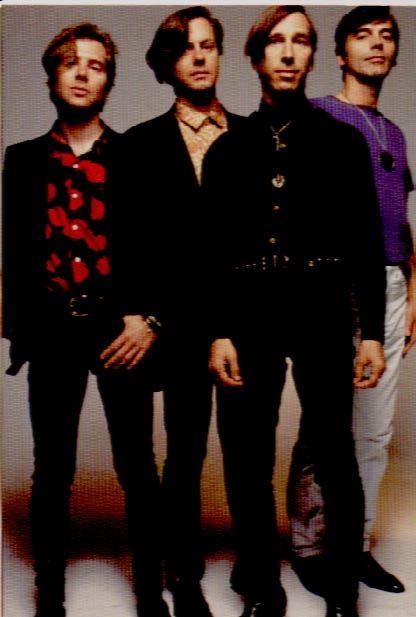
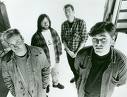
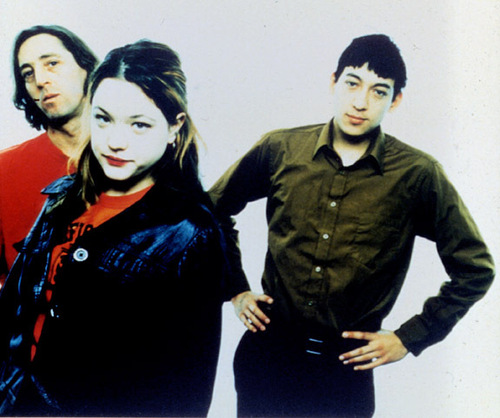
FOREWORD: I originally met singer-guitarist-violinist Mary Timony in the downstairs backstage at Tramps. She was going out with Polvo guitarist, Ash Bowie, whose band was breaking up. This was Polvo’s last New York City gig and it was completely sold out. Bowie then teamed up with Timony in abstruse art-pop outfit, Helium (pictured below), whose second LP, The Magic City, was promoted by the following December ’97 piece.

When Timony split from Bowie, Helium was no longer. But Timony went on to record a few successful small-scale long-players: ‘00s Mountains, ‘02s The Golden Dove, and ‘05s excellent Ex Hex. What I like best about Timony is she doesn’t mince words. This article originally appeared in Aquarian Weekly.


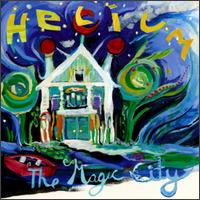
Helium frontwoman, Mary Timony, enlivens impressionistic prog-rock without becoming superficial on the ambitious sophomore long-player, The Magic City. After Helium hit indie paydirt with ’95s blustery feedback-drenched The Dirt Of Luck – a sonic corruption bewitched by subversively fragile sentiments, Boston-based Timony resolved her post-teen uncertainties and decided to trade in the droning cacophonies of yesterday for a cosmic experiment.

Brilliantly derived from Baroque, Gaelic folk, and neo-Classical styles, The Magic City takes a surrealistic journey forward (the artful “Aging Astronauts” and the astral “Leon’s Space Song”) and backward (the harpsichord-laden Medieval People” and the shadowy “Ancient Cryme”) in time.

Emotionally as well as musically more assured, Timony gives bassist Ashley Bowie (who splits time playing guitar in skewed Chapel Hill rockers, Polvo) and drummer Shawn Devlin a more active role in expanding Helium’s paradigm-shifting soundscape. The sullen demonic sulking pervading The Dirt Of Luck has been expelled by the malleable inclinations and imagistic sorcery of The Magic City.

In lesser hands, this turnabout would be a disastrously pretentious obsession better left unexplored. But through the swell production of Mitch Easter (R.E.M. / Pavement), Timony’s fully realize fictional accounts convey true emotion and dramatic intensity.

I spoke to Timony over the phone Thanksgiving weekend.

The Magic City sidesteps the angst-ridden conviction of its predecessor. There’s a genuine poetic luster that shines through.

MARY: The sentiments were angrier on The Dirt Of Luck’s songs. They were more aggressive and agitated, but there were some nicer songs on that record. Since the production was lo-fi, they came out sounding more distorted and noise-oriented. I think the themes were more urban and about inner turmoil and gender gaps. Now I feel the themes on the first album were overdone and so ‘over’ now. There are so many cheesy women musicians around because of the whole Alanis Morissette fake feminism thing. I got tired of it. I had huge writer’s block and couldn’t produce new music for a while. But then I realized the music I like is soothing and has balance. I didn’t want to use my music as just a tool. That’s why The Magic City is quieter and more mellow. I decided I wanted to make music and not deal with the bullshit anymore.

Many of your earlier songs dealt with gender gaps. Do you feel women are still deprived in America?

MARY: That’s a complicated issue. I just think it’s a huge intricate web that can’t easily be summed up. I don’t want it to seem that I have these very specific ideas. Some of my personal experiences have led me to believe men are encouraged to have high self-esteem. And that’s commonly known. But I can’t say I have specific songs about gender relations. It’s just a feeling that may exist in some of our songs. Women are encouraged not to speak highly of themselves sometimes. They’re trained to be in a subversive role.

What misconceptions do men sometimes have towards women?

MARY: That’s also complicated. I don’t encounter such prejudice in music anymore. When I was young I encountered it more. What was frustrating for me was on the first album I felt I took on this sarcastic prostitution persona. Critics and fans thought I was just trying to act sexy so I tried to move away from that persona.

So you’ve come to terms with yourself?

MARY: Yeah. I think so. I try to.

Did Mitch Easter’s levelheaded production make The Magic City a more pop-oriented and accessible album?

MARY: He really knew what he was doing and he was amazing dealing with different sounds. A lot of times he’d spend time by himself making sure everything was working out. He did digital edits and had loads of instruments to work with. Besides being really skilled, he’s also fun to hang around with and makes the recording process fun. I wrote out some violin parts and he got this really good violinist from an orchestra to play on that song.

If your debut was a radical departure from the conservative training you received at Ellington School of Music, then was The Magic City a justification of your education?

MARY: I was sick of learning music in school and decided to make a non-musical album right away. So after I got that out of my system, I got writer’s block, got burned out on angry music, and wanted to make constructive music again. I realized I had to start over again because I felt I had lost some of my guitar techniques.

Is that why you partly rely on Baroque music for the new album?

MARY: The Baroque stuff comes out of my schooling – playing easy Classical pieces. Ashley and I sort of connect with old music. I like music from the Middle Ages and Ash likes music from different cultures. I was into whatever my hippie brother was into when I was young. That’s where I got the classic rock influences.

What was the first live show you attended?

MARY: My first show was probably the Culture Club. Then I saw the Rites Of Spring. They were my favorite band when I was 13.

Does touring put a strain on you after awhile?

MARY: I don’t mind touring when there’s time to relax. But it gets hectic and tiring. We’ve been on tour now for two months. This time it has been stressful, but it has also been fun.

Do you feel the need to remove yourself from the more surreal songs you compose?

MARY: There’s a million ways to analyze it. From a psychological standpoint, the new album was a move away from expressing anger. The lyrics deal with a person moving away from anger and into this beautiful fantasy world.

Where do you get your inner rage from?

MARY: I don’t know. I’ve never been good at expressing anger in real life. I hold it in. But I’ve been known to throw temper tantrums. (laughter)

If you had to change one song or arrangement on the new album, what would it be?

MARY: Oh, let’s see. “Vibrations.” I can’t stand that song. I’m sick of it.

One of my favorite songs is the sonic convulsion, “Lady Of The Fire.” It seems to deal with a strong woman whose dignity, freedom, and perseverance never subside.

MARY: It’s like unzipping your body and stepping outside to let it all hang out and say the most insane things because you’re sick of holding it all in. It’s no-hold-barred. It’s also related to this musical monster characterized on our debut EP, Pirate Prude. It’s kind of me, but also a larger than life figure.

What do you perceive to be the next step for Helium?

MARY: As a musician, you get tired of what you’re doing and want to change. We never intentionally try to change styles. It just happens naturally. You just make music, it comes out, and it’s labeled by the people.

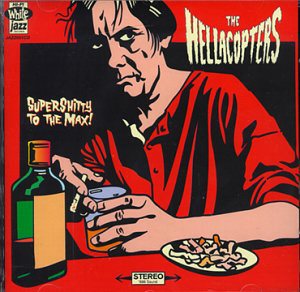
HELLACOPTERS ENTRÉE NEVER ‘SUPERSHITTY TO THE MAX’

FOREWORD: Hellacopters frontman Nicke Royale (nee: Anderson) is a true boho mofo. A skinny Swedish garage rockin’ hellraiser not averse to cookin’ doobies and drinkin’ beers, Royale must’ve moonlighted in dozens of other subsidiary local bands.

Though the Hives get the credit, due to their mainstream acceptance, it was the Hellacopters who first found a solid club-size audience outside Scandinavia playing similarly vintage minimalist rock.

I hung out shortly with Royale at Maxwells in Hoboken and the old Tramps in Manhattan. He was very good to his fans and had many friends in New York. The Hellacopters even got to open for Kiss. After the startlingly successful ’96 debut, Supershitty To The Max, ‘97s Payin’ The Dues and ‘98s Grande Rock kept the ball rolling. These albums were, I believe, released together in ’98, for American consumption. ‘00s High Visibility dropped off in quality a bit and three more albums followed that I have no idea about. This article originally appeared in Aquarian Weekly.


As some uncredited redneck insists at the opening of Supershitty To The Max, Stockholm, Sweden’s Hellacopters screaming debut is the product of ‘just some wild punks out there raisin’ hell.’ Relentlessly eruptive garage rock desecrationists speeding down the highway to hell, the ‘Copters distortion-laden grunged-up sludge blares out of the dingy underground like a lo-fi Iggy & the Stooges or some long-forgotten late ‘70s CBGB combo.

Spunky diatribes like “Bore Me,” Born Broke,” and “Random Riot” maintain a feisty intensity, recalling the fiery savagery of fellow Swedes, the Nomads, or the Boston-based Lyres. “(Gotta Get Some Action) Now!” spits out “Sonic Reducer” venom, raising the ampage way into the red. And the rollicking blitzkrieg, “Such A Blast,” should rule any punk-infested neighborhood party.

Overseas, the likeminded sophomore set, Payin’ The Dues, hit the racks in ’96, a year after Supershitty did.

Splitting duties in the metal-edged Entombed and the Hellacopters since ’95, Nicke Andersson’s unruly howls, piss-and-vinegar lyrics, and piercing guitar riffs guide the four-on-the-floor rhythms supplied by aliases Robban and Kenny Hellacopter. Recently, co-guitarist Dregen was replaced by Rolling Stones-loving ex-Nymphette Nooodlers vocalist Matt Hellberg to no ill effect.

In Hoboken during December ’98, the band hangs out in Maxwells dank basement smoking spliffs and drinking beers (two favorite pastimes of the band) before playing an intense one-hour set. When they go onstage after spectacular Blues-injected punks, the Quadrajets, they demonstrate their own uncanny ability to deliver a no-hold-barred, no bullshit rock and roll show without a hitch.

Supershitty seems to benefit from old amps and antiquated equipment giving off a raw sound.

NICKE: That’s the way we like to record. The phasing is all fucked up and there’s distortion put all over everything.

How is your newest Swedish release different from Supershitty?

NICKE: Actually, both albums have been out over a year overseas. The newer one is like Supershitty – only better. We were touring at the time so we only had two cut-up days in the studio. But we don’t write our songs in the studio anyway.

How do most of your songs come into fruition?

NICKE: I get an idea for a song in my head and then introduce it to the band. Kenny and I grew up with punk. His father had a great record collection with the Damned, Sex Pistols, Ramones, and MC5. Now I like the New York Dolls too. But at the time I thought their clothes and makeup was stupid. Mainly, it’s just rock and roll. I write the same style of song I did in Entombed.

Many of your songs deal with anger and tempestuousness.

NICKE: Yeah. But we’re not angry anymore. Now we’re just more bitter. (laughter) It’s a fucked up world. People should have a good time unless someone gets in their way. We only really like the people we know because 90% of this world are idiots. And I’d never want to move to America even though I love it here. On t.v you can’t say ‘fuck.’ Yet you could shoot up heroin and buy a gun and kill your friends.

KENNY: Politics are fucked up everywhere you go. If you take the essence of everything bad and get a shiny temple to put it in, that’s the States for you. You have two shitty parties to vote for. You can’t change politics with politics. It doesn’t work.

The song “It’s Too Late” only appears on the vinyl copy of Supershitty. What animosity do you hold against CD’s?

NICKE: Vinyl sounds, looks, and smells better. The extra track is to say thank you for buying the vinyl.

KENNY: Plus the CD isn’t for music lovers. It’s for the industry because it’s cheaper to make and ship. But then they sell it at a higher price. It’s getting more difficult to find vinyl, though. Loud music sounds better on vinyl. Jazz, Classical and acoustic music may sound better on CD, but it still loses some low end and power. But the masses don’t get it. They’re always wrong.

Would you consider yourselves activists?

NICKE: That was always the way it was during the early punk days. You look weirder, act weirder, and have more individual opinions and personal standards you’re willing to stand by. If you’re a freak, I’m going to respect that.

Got any good tour stories to share?

KENNY: Yeah. This really cool band, Adam West, offered their girlfriends to us in D.C. I think they were all strung out on PCP, but they were like, I know you want them. We had to turn them down and they were almost angry. But it wasn’t because we didn’t want them.

What lame and cool trends have infiltrated Sweden recently?

KENNY: the tiki cocktail scene hit big in Sweden. Many people are now getting into hardcore and body piercings. But swing and ska haven’t made radio there yet. I’m sick of hearing about Marilyn Manson. He seems to be a weird wannabe. It’s like, ‘Hey, look at me, I’m strange.’ But how old is he now? Imagine if you had to do what he does on MTV to express himself. It’s pretentious. And now he’s glam-fashioned. I loved David Bowie and T. Rex, but Manson wants to be Bowie. It’s like, ‘Now I take off the leather studs and look flamboyant like Space Oddity. Snap out of it!

How many shows did the Hellacopters get to open for Kiss?

NICKE: Four. They were the first band I ever heard. I went to a Kiss show at eight years old. Without them, I wouldn’t be playing at all. But Kenny doesn’t like Kiss. He can’t deal with them. We got to play with Black Sabbath when they decided to tour again, too.

What will you bring to your live set tonight that the studio albums can’t capture?

NICKE: It’s just higher energy. People can see us, have a good time, and maybe we’ll rub off on them.

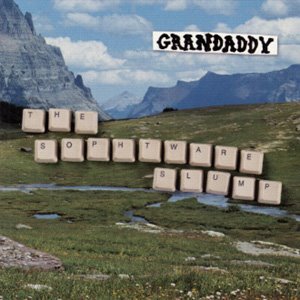
GRANDADDY SPARKLE AND SWIRL THRU ‘THE SOPHTWARE SLUMP’

FOREWORD: Life blows when you realize a band with as much unlimited potential as artful pop sculptures Grandaddy breaks up way before they ripen. But that’s what happened when band leader Jason Lytle disassembled his majestic California combo for lack of proper exposure beyond the ghetto club scene. And these bastards surely deserved widespread attention on par with older contemporaries Flaming Lips or, at least, Mercury Rev.

At Mercury Lounge, I got to speak to Lytle and right hand man, Jim Fairchild, in ’00 when they were in Manhattan promoting their subtly crystalline showpiece, The Sophtware Slump. I had spoken to Fairchild over the phone earlier in the month and gave him the following article that night. Things looked bright then, but ‘03s even better Sumday held on to Grandaddy’s audience without expanding it as much as it should have. After ‘06s wholly respectable, Just Like The Fambly Cat, which took eighteen months to finish and was criminally neglected, they threw in the towel. Hopefully, Fairchild and Lytle’s separate solo albums, due in ’09, will spark better interest. This article originally appeared in Aquarian Weekly.


Since Grandaddy architect Jason Lytle is such a meticulous home recording junkie and obsessed studio gearhead, it’s no surprise he’d shed a tear for discarded appliances and outdated computer hardware. But making a masterful psychedelic sci-fi pop opus to Armageddon out of such refuse would seem incomprehensible, misguided, and indulgent.

Taking inspiration from the symphonic overtures of Electric Light Orchestra and the ethereal resonance of the Flaming Lips (whose obtuse, strangely absurd song titles also enlighten Lytle), Modesto, California’s Grandaddy gained serious attention with ‘97s majestic diamond-in-the-rough, Under the Western Freeway.

Now, following months constructing gorgeous, fleshed-out arrangements, singer/ multi-instrumentalist Lytle, guitarist Jim Fairchild, drummer Aaron Burch, and keyboardist Tim Dryden return on the fully realized, awkwardly titled, The Sophtware Slump.

A 20th century loner goes adrift on the grandiose opener, “He’s Simple, He’s Dumb, He’s The Pilot,” a melancholy “Space Oddity” for the new millennium. Then, the interstellar swirl, “Hewlett’s Daughter,” reaches telepathic heights continued through the dirge-y “Jed The Humanoid” and the isolation-fueled paranoiac “The Crystal Lake.” Sung in a shrill tenor, the guitar-powered “Chartsengrafs” goes schizoid before the reflective piano ballad, “Under The Weeping Willow,” subliminally twinkles.

I spoke to Fairchild via phone late April, 2000.

I thought “Sophtware Slump” had more depth and uniformity than its predecessor.

JIM: When we made Under the Western Freeway, there was a definite idea to make it listenable front to back. The evidence proves we may not have achieved that. The new one is more cohesive. But we want to avoid getting put into this overtly conceptual category. Because this was written closer to the time of the actual recording, the themes are more linear. The concepts that pop up on the record frequently are things that are on sensitive people’s minds right now. Over the last year, these deep, drunken conversations I’ve had have been on this slant, like where do I stand on this issue of rapid progress. And the theme of alienation is also there.

The first album was recorded in six or seven rooms. We had a huge variety of carpeted and non-carpeted floors and different ceilings. This time we did tracking and recording in two rooms because the place was smaller. Jason is a good engineer who constantly researched his gear, placed microphones, and was willing to put in the time.

Songs like “Jed The Humanoid” seem to deal with mysterious alienation. It reminds me of the Flaming Lips.

JIM: Yeah, I guess like their “Waterbug In The Policeman’s Ear.” Do you remember that song? It’s one of those hidden gems that doesn’t land on a proper album. It’s a fucking brilliant song. “Jed The Humanoid” was one of the pivotal points in the construction of this record. It provided more focus than what was there beforehand.

There are many shifting moods and weird intergalactic sound affects pervading Sophtware Slump.

JIM: I actually appreciate you noticing. I don’t want to slight anyone’s interpretations as good as ours, but many people were caught up on this LP being all about one mood. I don’t necessarily see that. We hoped the transition from one mood to another would be effective.

In the bio, Jason mentioned being a fan of Electric Light Orchestra. Were they one of your influences?

JIM: Jason’s an ELO freak. History is starting to prove their worth more than say, ten years ago. They got pigeonholed in that ‘Rock and Roll is King,’ ‘Roll Over Beethoven’ era. They made so much great music and Jeff Lynne’s arranging skills were phenomenal. He had such a sensitive ear towards compositional structure. Parts of songs rear their heads and duck down at the right time to enhance the lyrics and mood and picture you’re supposed to draw.

Like Grandaddy, ELO’s Jeff Lynne made emotionally compelling music. ELO’s prog-rcck contemporaries, Emerson Lake & Palmer, Yes, Genesis, and Pink Floyd rarely crafted chewy melodies and sweet, sticky harmonies. Nor did they rely on beautiful string settings.

JIM: Precisely. Only you face up to your honest emotions and humanity, the technical, robotic things musicians could sometimes lapse into seems impersonal.

What was it like growing up in Modesto?

JIM: There’s always this escapist idea. It’s totally cliched, but it’s like small town boys could only get drunk so many times. Which is still a big deal, but you have to realize there’s something else. You have to create that other thing. That’s still a sturdy ethic and ambition for us. We want to create something that’s better than where we come from, which is unspectacular. Nothing culturally or artistically happens, and you wind up having the same conversations over and over again. Eventually, you have to realize you want to be a part of something on the horizon and seize it. There’s tons of good bands that come from less obvious areas.