Monthly Archives: June 2009

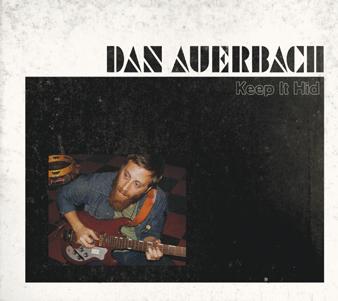
BLACK KEYS’ DAN AUERBACH STEPS OUT TO ‘KEEP IT HID’


As one-half of dusty white blues duo, the Black Keys, fleet-fingered guitarist Dan Auerbach never had to worry about what profession to pursue as an impressionable greenhorn. Growing up in what he describes as “the broke-dick post-Industrial town” of Akron, Ohio, known for its odorous rubber factories and substandard blue collar jobs, he enjoyed listening to his father’s big record collection, learning piano from his mother, whose family played and sang in local blues and bluegrass bands.


It wasn’t long before Auerbach hooked up with lanky skin-basher, Patrick Carney, gaining early local attention as an exciting live band. Though the Black Keys formative roughhewn ’02 entree, The Big Come Up, received only limited notoriety, ‘03s sinewy Thickfreakness, truly put ‘em on the map nationally. Full of overcast buzzing guitar riffs and efficient rudimentary drum patterns, Thickfreakness made these greasy blues-punk scavengers very popular amongst arena rock heads and gritty soul searchers. On these early sessions, Auerbach’s murkily parched vocal snarl barely rises above the blustery din of “Set You Free.” Minor mood, texture, and tempo tweaks provide enough variation to differentiate each scraggly boogie, confessional testimonial, and down ‘n dirty discharge.

Less tentative, more resilient, and clearer production-wise, ‘04s tauter Rubber Factory relied on trashier gut-bucket metal to slightly differentiate it from preceding ventures. “10 A.M. Automatic” really opens up the Black Keys sound, as Auerbach’s axe cranks out louder, sturdier, crisper shards of noise. The intensity level increases twofold on “Girl Is On My Mind” and “Stack Shot Billy,” a few swampy psych-blues threnodies reminiscent, at times, of indie-approved blues septuagenarians, R.L. Burnside, T-Model Ford, or more specifically, Junior Kimbrough.

On top of its supreme stripped-down Howlin’ Wolf-imbibed Chi-town R & B vibe, ‘06s lethal Magic Potion gives its spare city-folk retrenchments a shinier studio glaze, sharpening any rough or dull edges without sacrificing any raunchy feedback and crude reverb. The finest moment comes with stammered beat-driven rampage, “Your Touch,” which neatly boils down the Black Keys basic elemental design to one extremely infatuating elemental arpeggio groove, striking a rare balance between Bad Company’s ‘70s-based hard rock and the White Stripes economical garage rock.

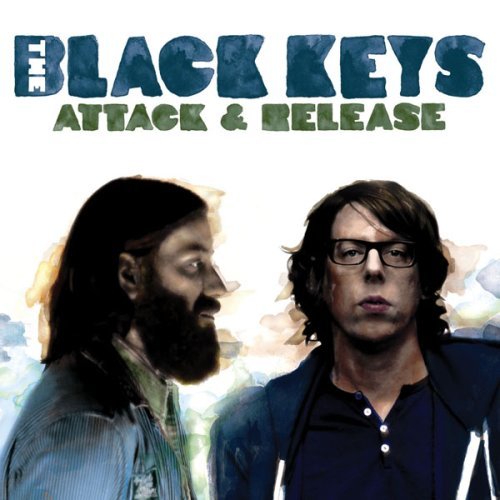
For Auerbach’s next two revisionist projects, one an unlikely alliance and another a latent solo debut, he proves to be quite malleable, advancing and broadening his musical range. Bass, Moog synthesizer, clarinet, and harmonica add extra dimension to ‘08s tidy Attack & Release, a monumental accord pitting hip-hop studio wizard, Danger Mouse, against Auerbach’s musty 6-string labyrinths and Carney’s rhythmic patter. He’s a rock and roll hustler on the stormy “I Got Mine,” then foresees trouble brewing on skulking urban drama, “Strange Times.” Seasoned session ace Marc Ribot’s dusky fretwork conveys sheer panic in ghostly requiem, “Lies.” Draping well-oiled axes across a booming bass-drum frenzy, “Remember When (Side B)” may be the most rockingest thing the Black Keys have yet attempted. The future looked so bright Auerbach decided to veer off the strict blues-rock trail even further.

Tantalizing solo turnabout, Keep It Hid (Nonesuch Records), explores various new avenues with friends and family. Recorded at Auerbach’s home studio with local Akronite drummer Bob Cesare, rhythm guitarist James Quine (the uncle who taught him six-string), and fellow Rust Belt singer Jessica Lea Mayfield (on plaintive symphonic tranquilizer “When The Night Comes”), it finds our main protagonist handling percussion and keyboards as well as guitar.

After traditional acoustic blues retreat, “Trouble Weighs A Ton,” Keep It Hid empties the floodgates. Fuzzy organ-doused remake, “I Want Some More,” commendably bridges Mississippi Delta voodoo to Howlin’ Wolf’s “Smokestack Lightnin’.” “Heartbroken, In Disrepair” works shuttered guitar resonance into an anguished dirge. “Whispered Words (Pretty Lies)” shows off Auerbach’s sensitive side in a languid tear-stained letter written by his father, Charles. Soulful church organ guides emotionally compelling ballad, “Real Desire,” where ‘clouded skies have lifted/ and voices ring out from the choir.’ And that’s just the first half. Hand-clapped stop-start honky tonk rambler “Street Walkin’” verifies the rest best.

Is there any thriving musical scene in Akron?


DAN AUERBACH: I don’t hang out much. There are a lot of bands, but none do the blues. And there is no one particular style or scene.

In your opinion, how have the Black Keys progressed over the years?


Each album is just a snapshot of one period in time. If we’d taken the same songs and recorded them a week before or after, they’d sound totally different. We try to be as spontaneous as we can when entering the studio. It’s a document of that period in time of us recording. Patrick and I have been playing together for over ten years and we’ve been growing while being influenced by different things. The music has changed and progressed and moved around a little bit. There’s all these core elements at the root of what we do because that’s how you learn how to play. It’s like the way you learn how to speak English. I learned how to play bluegrass and blues-based stuff. So that’s at the foundation of what I know how to do.

Which blues artists in particular have a large influence on you?


I was a big fan of awesome one-man-band, Joe Louis Hill, (Memphis rockabilly singer-guitarist) Auburn Pat Hare, Willie Johnson, and Howlin’ Wolf. Any of those people usually recorded at Sam Phillips place in Memphis. That was early, before Chicago Blues was popular. I was really into that raw country stuff – finger-picked electric blues.

On ‘08s Attack & Release, the Black Keys sometimes move away from the expectant primitive blues jams. Much of that has to do with producer Danger Mouse asserting his hip-hop influence. Yet the plainspoken opener, “All You Ever Wanted,” retains a desolate folk-blues feel that’s even more crudely archaic than past endeavors.


It felt right. You can’t always do what’s expected. It helps make the next song even more powerful when it hits in. So we started off with a slow, quiet song to set the mood and get you ready to listen.

“Strange Times” may be the most accessible track the Black Keys stumbled upon. It seems to parallel America’s current hard times.


I wrote that song a couple years ago. I had the lyrics and when we were in the studio we came up with the parts – the guitar line – and added drums. We worked on the arrangement for awhile since it took some time to get down. Like everything we do, we tried to make it as spontaneous as possible. As such, the recording of that song happened during the first day we attempted it together.

“Lies” is a typical depression-bound Black Keys mantra. Is there a search for salvation guiding that song, or for that matter, the entirety of Attack & Release?


I’ve always been influenced by dark tones or any kind of music, humor, or poetry that has a dark side. That’s what attracts me. I don’t really like happy music. I don’t trust happy people. (laughter) Those dark sounds I find uplifting. You know how Gospel music is mournful but the overall affect is to uplift.

Did you get to meet legendary blues man Ike Turner before he died? Rumor has it Attack & Release would’ve been a collaborative effort.


It wasn’t supposed to be a collaboration. That was separate. That was just the way we were introduced to Danger Mouse. It had nothing to do with our album except it was a separate entity that got disrupted by death. We were sending songs to Brian (a.k.a. Danger Mouse) to take to Ike. We never met Ike though. After our record, we were gonna work with Ike. A month later, he passed away.

On your solo debut, Keep It Hid, were the lyrical concerns more personal in tone?


I wrote all the lyrics on the Black Keys albums. So I wasn’t trying to make some kind of grand statement. I just wanted to make a good album. The similarities will be there, but it’s way more personal. I’ve written some story songs, which I never did before.

“When The Night Comes” could’ve fit in snugly on Van Morrison’s subtle nocturnal masterpiece, Astral Weeks. Was that a mellotron being used on that tune?


Definitely. The mellotron is an analog instrument. Each key on it has a piece of tape with prerecorded sounds of string sections. It’s a really weird, arcane instrument that sounds magical and surreal.

“Heartbroken Disrepair” has a tremolo-related psych-blues tone not unlike Cream. Were you a British Blues fan?


I did like Cream. But we’re not as affected by psych-blues as much as old blues. As far as people like John Mayall go, I never was into that stuff.

You’ve chosen to cover country guitarist Wayne Carson Thompson’s hypnotic “I Want Some More.” The results are phenomenal. But why revisit that track?


It’s just a great song. If you listen to the original version Jon & Robin did, there’s fuzz bass on it that punctuates the chorus. I always wanted to do that song.

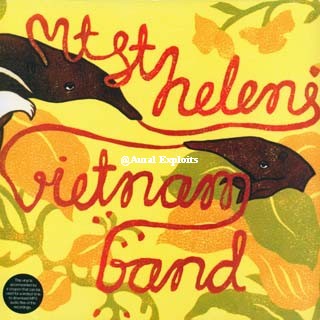
MT. ST. HELENS VIETNAM BAND’S PSA’S CAUSE SEATTLE ERUPTION

Sometimes the most popular band member isn’t the group leader, as was the case with the Beatles when they first hit the shores of America. Good-humored drummer Ringo Starr drew more attention than John, Paul, and George, even though his role was subordinate. And now, 45 years later, in similar, yet lower-scaled fashion, Mt. St. Helens Vietnam Band’s own thirteen-year-old skin basher has out-gained the attention of their guiding light.

The curious drawing card, drummer Marshall Verdoes, was asked to join the core group by his 27-year-old vocalist-guitarist brother, Benjamin Verdoes, the bandleader, whose wife Traci Eeggleston plays keyboard and percussion. Also onboard are Ben’s high school friend, Matthew Dammer (guitar-moog-mandolin) and long-time buddy, Jared Price (bass-accordion-chimes), respectfully filling out Mt. St. Helens Vietnam Band.


Moreover, there’s another inquisitive peculiarity making the Seattle quintet quite fascinating. Going ass backwards, they got a foothold in the music biz by designing a comical MySpace Public Service Announcement featuring snippets of music before recording any full tracks for their fertile self-titled debut on boutique Bloomington, Indiana, label, Dead Oceans Records. Taking advantage of internet technology in a cleverly artful manner actually gave them a nice heads up other new-sprung bands may soon mimic.

Ben Verdoes, an admitted “math-rock and prog fan,” had previously played in formative band, In Praise Of Folly, with a revolving cast that at onetime included Matt and Jared, as well as his older sibling, Peter. Though this overlooked collective barely registered a slim buzz, their next endeavor, minus Peter, would prove absolutely worthwhile. Anchored by teen neophyte, Marshall Verdoes, Mt. St. Helens Vietnam Band has caught on with the college crowd, garnering adulation from scribes and fans alike while joining the concert circuit.

Getting things going for their eponymous entrée, searing affair of the heart, “Who’s Asking,” finds curlicue guitars sprinting forward to a dramatic pause anticipating an eloquent choral harmony passage. Blazing 6-string abrasions set off the Baroque-styled “Masquerade,” where heavenly voices impinge the neo-orchestral break. Seafaring narratives inundate the aching “Anchors Dropped” and the attack and release guitar-squelched chirp, “Going On A Hunt.” Fluttery flute-like synthesizer underscores the acoustic-to-electrified mad dash, “A Year Or Two.” But it’s the acrimonious “Albatross, Albatross, Albatross” that really catches fire. Nearly as hot, the flickering “El Fuego” counters its tranquil Classical guitar styling with rascally electric guitar flights of fancy while ‘our hearts are set to burn.’

How’d Mt. St. Helens Vietnam Band form from the ashes of In Praise Of Folly?


BENJAMIN VERDOES: I grew up in Seattle. But when I was a junior in high school, a weird sequence of events during a visit to my aunt in Wisconsin made Marshall, my mom, and my sister want to get away from the Pacific Northwest and try something different. It was a great experience. Matt and I went to high school together in Wisconsin and we got to play in a few different bands. Then, when I moved back to Seattle, he followed. At some point, we thought In Praise Of Folly had run its course. We had done it for five years. My older brother, Peter, was once involved. Jared joined towards the end. Now, playing with Marshall in Mt. St. Helen is such an incredible thing. It seemed like a good fit between family and a few best friends.

Despite being from Seattle, I initially assumed your distinguished literary-bound verses and enchanting seaworthy laments were earmarked for nearby Portland, where skilled singer-songwriters Isaac Brock (Modest Mouse) and Colin Meloy (Decemberists) mix similar lyrical content with fresh melodic pop ideas.


I never heard that before. In terms of fitting in, perhaps that’s true. I’m fond of Portland band Talkdemonic, a two-piece instrumental combo that toured with the Decemberists. Up here in Seattle, (acoustic folkies) Fleet Foxes are making international waves. So maybe we do fit in better down there. (chuckles)

What song started the whole MySpace PSA buzz?


We were recording a demo, sent it to clubs, and our future publicist got one. We were waiting to record with producer Scott Colburn (Animal Collective/ Arcade Fire). But he didn’t have studio time ‘til May (’08). So we were gonna make a music video for fun. Matt, Jared, and Traci had joined but we had no game plan. We made a PSA called “Homeostasis.” We used a really small piece of the demo as a clue at the end of it, but didn’t release our music until after the PSA. We only released a couple seconds of the song on PSA’s as an introduction for people to peruse.

How’d you first become interested in pursuing music?


I got into music by way of my older brother primarily. We had an evangelical background and listened to music at the church we went to. There were kids around us playing music so even though we didn’t come from a particularly musical family, we dabbled with instruments. At thirteen, my older brother and I started to enjoy rock bands like the Smashing Pumpkins and whatever was popular. I played drums most of the time when I was young. As I got older, I got fascinated working on songs. As far as literary references, I try to read a lot of Russian classics like War & Peace. That was one phase I was in, absorbing all I could. Then, I began reading Steinbeck. I studied at Seattle Pacific. I grew up in the church so there’s a lot of biblical literate I became aware of. Some narrative comes from that.

I can’t honestly say I picked up any religiosity in your lyrics, mostly I feel a sense of love loss. But the seaworthy chants could be influenced by Steinbeck’s slice of life tales.


Right. That religious element doesn’t usually come through. A lot of it is narrative fiction. Another portion is little slices of life experiences. There’s a few autobiographical things. But it wasn’t my intent to use the religious realm. It’s more interesting to write from whatever sparks the tangible experiential realm.

“Albatross, Albatross, Albatross” has many of the components that work so well for the band – a freaky stop-start arrangement as well as entertaining slow-fast tempo shifts.


That song, lyrically, is about people wearing lockets of significant others. That necklace-locket concept is kind of influenced by the rhyme of the ancient mariner, where the albatross is worn and is essentially saying that one person has a bird around their neck – an albatross, and taking that metaphor and suggesting they should lose that extra weight burden.

“Anchors Dropped” has an archetypal nautical motif and its aching vocal chant recalls Modest Mouse. But more interestingly, Matt’s guitar seemingly references ‘70s axe masters Brian May (Queen) and Phil Lynott (Thin Lizzy).


Definitely on that song, but specifically on “Masquerade” and “Little Red Shoes,” there’s that Brian May riffage. A lot of times I’ll write these harmonized parts and Matt’s a big classic rock fan. He has a knack for pulling that sound out of a Brian May song and adding to it. We’ve enjoyed that. But I didn’t know about Thin Lizzy until recently and now I really enjoy listening to their music. People have compared us to them. We also get Wolf Parade comparisons. I don’t own any of their records, but fans brought me to them.

“Cheer For Fate” may be your most accessible song.


We made a music video for that recently. It’s emblematic of our style. It was a good starting point for us. Lyrically, I wrote it about people obsessing with someone. There are some people around me in different spheres who understand what the song addresses. There’s a sense of freedom I wanted people to grab onto. You know the feeling when you obsess over someone and start to believe it was meant to be. That informed the title.

Is there a broken thematic flow running through your debut album?


Yeah. There’s a bit of a theme that keeps resurfacing. With “Anchors Dropped” and “Masquerade” there’s this sense of pursuit to find something out about a relationship. There’s also this theme I picked up on that was an impacting character I don’t fully know how to describe. He’s this fictional character that makes a big impression then disappears or gets bogged down.

CAGE THE ELEPHANT BRINGS DYLAN TO HIP-HOPPED PUNKS

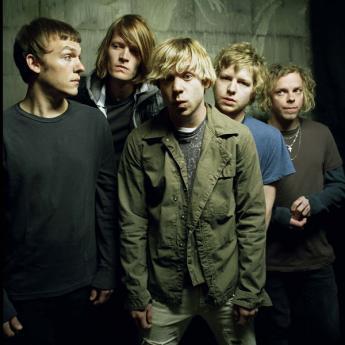
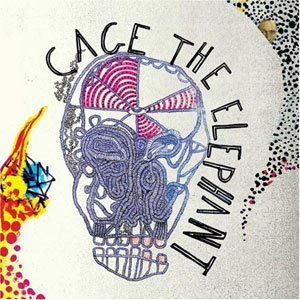
Raised in a mystical Christian commune and confined to Gospel music, Cage The Elephant’s five young members grew up uninformed about even the most basic indie punk bands. When singer Matt Shultz’s parents finally found out he had a Green Day cassette, they destroyed it, finding the rebellious trio offensive. But Matt and his pals soon broke free of their parents’ tight grip and prevailed, discovering the invigorating joy of the Ramones, Bad Brains, Black Flag, Butthole Surfers, Pixies, Mudhoney, and Nirvana. They learned to play hard and eventually got to open for Queens Of The Stone Age, a prestigious beginning, indeed.


Growing up in Bowling Green, Kentucky, 45-minutes north of Nashville, Cage The Elephant’s big break came when major label, Jive Records, signed them. By sending them off to England for a year to promote ‘08s promising self-titled debut, the quixotic quintet quickly realized they’d also missed out on several outstanding new wave and ska bands that never got a fair chance in America, such as Gnag Of Four, English Beat, and The Jam.

Fronted by the wily Matt Shultz, Cage The Elephant includes his brother, guitarist Brad Shultz, and long-time pals Lincoln Parish (guitar), Daniel Tichenor (bass), and Jared Champion (drums). Together, they concoct a potpourri of stylistically diversified rock, representing musical ‘food’ groups from Cake to Phish to Red Hot Chili Peppers and beyond.

Painting a grim picture of hard time white-boy blues, Matt ain’t no ‘phony in disguise/ tryin’ to make the radio.’ Up-front, his Dylan-influenced raps dig deep into the heart of each song’s matter. He’s ‘talkin’ shit’ on rousing ‘60s-psych powered anthem, “In One Ear,” criticizing our compromised culture with the soaring engine-driven rampage, “Tiny Little Robots,” and summoning R & B great, “James Brown,” for a full-on rocker indubitably usurping Johnny Rotten’s underclass lyrical drawl. The funky reserved-to-explosive Chili Peppers-spiked corruption underlying the snappy choral charge of “Lotus” leads to the soothing guitar groove and addictive half-rapped refrain summoning Cage The Elephant’s most accessible number, “Back Against The Wall.” When those two funky wafts recede, it’s the smell of death that consumes anguished paean, “Drones In The Valley,” where buzzy 6-string riffs unintentionally cop to Billy Squier’s metal-pop ditty, “Everybody Wants You.”

Making use of the fairly spacious Zumiez Stage at Bamboozle, Cage The Elephant motivated the appreciative audience to join in. Matt jumps into the crowd, mike in hand, to get the party started during a booming hardcore opener (presumably a new tune). He then lets out another loudly yelped rip-snorting punk-inspired discharge, working his mojo, prancing ‘cross the stage, nodding his head, eyes closed, mouth gaping, and dropping to his knees pleading for vindication as perspiration drips off his reddish tanned face. Lincoln’s Appalachian Blues riffs introduce “Ain’t No Rest For The Wicked,” where Matt’s anxiety-charged rap lays it all on the line. A banged-up slam-dunk version of “In One Ear” got fans clapping along freely, without the band having to urge them on. On top of that, fresh cut, “Sabre Tooth Tiger,” contained a catchy ‘run away’ chorus that rode above the scrambling guitar furor and rumbling bass clusters.

Cage The Elephant may be musically adventurous and profusely intuitive, but safely within the limits of orderly constructed folk-rock-blues schemes. At the core, they maintain cohesive song structures while avoiding wasteful jamming and distended solos. It’ll be interesting to see how these Christian-schooled Bluegrass State natives make out in the long haul and which musical directions lie ahead.

Recently, Cage The Elephant headed back to the studio to begin work on a second long-player. Matt claims “We’ve progressed as people. The newer songs are more melody-driven and have a positive vibe. We feel better about them.”

I spoke to the 25-year-old Matt and guitarist Lincoln Parish inside Giant Stadium while music blared in the parking lots’ collapsible stages during May ‘09s Bamboozle Festival.

How did Cage The Elephant come together?


MATT SHULTZ: Me, Brad, and Jared were in a high school band. After graduation, the lead guitarist and bassist quit to pursue college. Lincoln came along to jam and our bassist, Dan, just showed up at practice with a bass and amp before he even knew how to play.

You seem to write about sad characters a lot.


I write about people because I’m around them a lot. Bob Dylan’s a big inspiration, as well as John Lennon, Kurt Cobain, and Frank Black. A lot of times people want to blame the state of society on the government. They control groups of people looking at themselves for a lack of self-control – manipulation. A lot of our songs are written about people ‘close to decay.’ We tend to make them into riddles more than straightforward stories.

“Judas” seems to rip apart greedy Satan-like gunslingers. And I notice it’s presciently followed by the knife-wielding “Back Stabbin’ Betty.”


“Judas” isn’t about any particular person. It’s more about the mentality of someone who loves money more than anything else and will pursue it at all costs. “Betty’s” a personal story…

Are you ripping on Generation X on “In One Ear”?


No. I wouldn’t be ripping on them. It’s about people who live in the shadows talking behind people’s backs – like Chinese Whispers.

Your rap flow on “Tiny Little Robots” reminded me of Everlast.


Many people ask about my raps and where they come from. It’s more Dylan’s “Subterranean Homesick Blues” –‘mom’s in the basement/ mixing up the medicine/ I’m on the pavement/ thinkin’ ‘bout the government.’ That’s where the rhythmic flow comes from. I’ve never been a huge hip-hop fan. I like some of it though.

Some of your nifty song ideas remind me of the band Cake. And the mini-improvisations could be informed by Phish.


I love Cake. I’m not a huge Phish fan, but I respect what they’re doing. They’re phenomenal musicians. I’ve always been more of a songwriting musician like the Beatles, Pixies, and Nirvana. They were terrific writers. I could always respect people who have a gift or talent for improvisation, but I like a well-crafted song. And Dylan’s one of the greatest songwriters of all time.

Lincoln, who were you influenced by?


LINCOLN PARISH: Growing up in Bowling Green, we weren’t exposed to a lot of different music, just Led Zeppelin, Pink Floyd, Chuck Berry, Little Richard, James Brown. But when we moved to England, we got into Gang Of Four and the Pixies. I really like old Delta Blues – Robert Johnson and Blind Lemon Jefferson.

How do the arrangements for Cage The Elphant’s songs usually come to fruition?


We’ll basically take inspiration from everywhere. Sometimes I’ll write something, bring in a guitar part. I try to work a melody in. Every song is different. Some songs take time. Others, like “Back Stabbin’ Betty,” we recorded that song in one take on the first day. That was one of the rare songs we wrote with everyone there. The thing we always loved about great art was the element of surprise. Being able to take it to different places and create landscapes, textures, and tones. There’s so much input going into each of our songs from constant individual inspiration.

DONNA THE BUFFALO @ LION’S DEN


Radio Woodstock 100.1 : Donna The Buffalo (

Donna The Buffalo / Lion’s Den/ Jan. 18, 2004


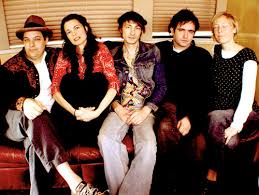
Upper New York sextet Donna The Buffalo navigated through an expansive range of roots-y Americana at this narrow, crowded, friendly West Village pub. Much like seasoned jam bands Phish and the Grateful Dead (but with a more pronounced Country & Western bent), they ask for no quarter delivering an exhaustive two and a half hour set.

But while several songs stretched well into the seven-minute mark, they never meandered into excessive, long-winded solo excursions. Instead, the tight, democratic ensemble benefited from an intuitive approach, stretching out over wide-open spaces within each penetrating arrangement, but never once becoming unhinged. Though their fine, recent full length, Positive Friction, represents the band well, Donna The Buffalo’s whimsical spontaneity and natural rural inclinations shine brightest in a live setting.

Loose multi-harmonies and the firm rhythmic foundation of bassist Jeb Greenberg and drummer Tom Gilbert secure many of their jams. And the murky, slightly undersized sound system of the Lion’s Den added rustic authenticity to Donna The Buffalo’s Dust Bowl-styled folk-blues, misty mountain hops, sedate heartland meditations, and one neat skiffle shuffle. Dixie-fried standard, “Bravest Cowboy,” became a beat-driven prairie-bound showdown in their hands.

Singer/ accordionist/ rubboard player Tara Nevins fiddled on a few two-step boogies, back porch country bops, a positive-minded bass-thumped reggae calypso, and a party-spirited Cajun-clipped honky tonk ditty. Ritchie Stearns’ organ and synthesizer drenched a kitschy ska-tinged number and otherwise provided backup for Jeb Puryear and Jim Miller’s clanging guitar chatter. After closing with the “Bo Diddley” beat-stricken “Learning Curve,” the dancing and swaying audience begged for an encore of the bands’ concert staple, “In Another World.” Then, the generous musicians tagged on a few more selections for great measure. Anyone ready to experience a red hot hootenanny should attend a Donna The Buffalo shindig ASAP.


THE CRIBS ROCK THE CRADLE OF LOVE

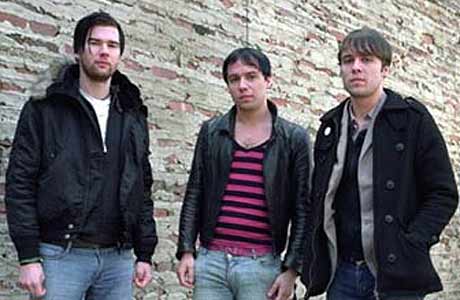
Emerging from the urban West Yorkshire metropolis of Wakefield, the Cribs continue to rise above cookie cutter British knockoffs with ‘07s exuberant youth manifesto, Men’s Needs, Women’s Needs, Whatever (Warner Bros.). Truly a family affair, agile Jarman twins Ryan (guitar) and Gary (bass) compose and sing the English trio’s instinctively tuneful punk-informed oeuvre while younger brother, Ross, emphatically bangs the drums. While the Cribs eponymous ’04 debut and enticingly better ’05 follow-up, New Fellas, set the tone for the ambitious siblings, forthright comparisons to simultaneously fashionable peers, the Libertines, only served to piss ‘em off and heighten their resolve.


Flowing seamlessly from the bouncy harmonic opener, “Our Bovine Republic” (with its scruffy Strokes-like guitar), to somber acoustic vignette, “Shoot The Poets,” the brotherly troika stay pleasingly affable on US breakout, Men’s Needs, Women’s Needs, Whatever. Between those bookends, shimmered six-string lucidity and jittered stick-work enliven “Girls Like Mystery,” tone-dialed melodic guitar efficacy coils anxiously fixated, “Men’s Needs,” and fretted beeps cluster ruptured bass rumblings on emotional hardcore reprisal, “Moving Pictures.”

Ostensibly spunkier and more talented than fly-by-night mimickers, the Cribs remain genuinely confident. Yet their skeptical lyrical exploits could be summed up in “I’m A Realist,” an instantly addictive number pelting a cuckold loser as effectively as the Offspring’s “Self-Esteem” did a decade hence, defensively spewing advisory sideswipe ‘I’m a realist/ I’m a romantic/ I’m an indecisive piece of shit.’ The longing desperation seems to reach full froth on resonant baritone-deepened snag “Major’s Titling Victory.”

Challenging collaboration, “Be Safe,” crosscuts legendary Sonic Youth mainstay Lee Ranaldo’s ghostly misanthropic spoken word sentiments with the Jarman’s melancholically wailed harmonic intervals of ‘I know a place we can go where you’ll fall in love so hard you’ll wish you were dead.’ And the recessively downcast ‘cut off your nose to spite your friends’ disclosure lamenting “Shoot The Poets” closes the set on a sentient retreat into gloomy nightfall.

Blue-collar romantics facing the same highs and lows as average pimply-faced Brit teens, the Cribs gladly shun the spoiled suburban faux-punk mentality of upper crust kids crying in their coffee living safely at home. Lurk back to New Fellas repetitively interjected chant, “Hey Scenesters,” for further evidence of the Cribs content poseur snubbing.

More significantly, it’s the Cribs celebrated live shows that unmistakably separate them from the New Musical Express-sponsored vogue-ish crap pack. Their energized performances sustain a ruggedly scurried boisterousness first-wave punks would surely appreciate.

Who are some of your early musical influences?


GARY JARMAN: The first band I got into was Queen. But I don’t see them as a profound influence in our style of music. When I met with Wichita, the label we were initially signed to, they asked what my first single was. I said it was by Aztec Camera. They were cool fans of Glasgow pop so I was lucky to say that. Also, I enjoy Orange Juice. Edwin Collins produced our second record. Well into my teens, I got into late ‘70s punk – Sex Pistols, Buzzcocks, and especially, X-Ray Spex, then later, Sonic Youth and Nirvana. By ’92, my favorite was Brit band, Comet Gain, who I’d get to drum for. They do few gigs now and then. They’re like a ramshackle version of Television Personalities.

How do your first two albums compare to Men’s Needs, Women’s Needs, Whatever?


This little label, Worlds Fair, released them in America. The first album has a very apparent Beat Happening influence. It’s reminiscent of K Records stuff. It was naïve. We weren’t as aggressive live. We started out as a beat band. Gradually, our punk influence came through. The second was written on the road real fast as a knee jerk reaction to the fact we were three guys from Wakefield who’d never seen the industry. It’s a friendly fuck-off. I love that record’s cynicism.

I’ve heard former Smiths guitarist, Johnny Marr, now part of Modest Mouse, has been working on some tracks with the Cribs.


Our original intention was to get together, write songs just for fun, and of course, we just love him. We wanted to do a single and it came along quickly. He definitely fits into our plans. I’m good friends with the Modest Mouse guys so I don’t want to create any problems there. (laughter)

What kind of abstract designs or studio techniques did Franz Ferdinand front man Alex Kopranos bring to the production?


We had a few ideas but had never been with a professional producer. The first record we self-produced, though Bobby Conn did a track. We didn’t want some big shot producer. I didn’t want to be in the position where you’re just another band in the production line. Alex was enthusiastic and passionate. That’s what we wanted. He had lots of the same references. We had a fun time and worked well. His opinions were valid. He’d write real pop songs and hide them in lo-fi. I wanted him to make our music sound more fully realized. I was scared of going to a big studio. I didn’t want it to sound sterile. But it was easy to trust him.

“Our Bovine Public” seems to be a snippy l’il opener.


The more upbeat punk songs are generally my brothers. In the UK, there’s so many bands springing up trying to capitalize on the current trend of the scrappy indie guitar aesthetic. But that song has more literal meaning. Where we grew up in Wakefield, due to the amount of drinking and fighting on Saturday nights, it’s a commentary on people being treated like cattle, but acting like pigs. They reserve the right to act like animals, but complain when they get (skewered like one). Also, it’s frustrating to be compared to bands like the Libertines. It’s fine, but we started at the same time they did in 2001. We’d never heard of each other. Our labels tried to put us on tour together. But it’s annoying people think we sound the same. They’re our contemporaries. Now there’s a million generic bands we don’t want to get lumped in with. Most are ignorant copycats the UK press serves up.

How did the loose concept juxtaposing “Women’s Needs” against “Men’s Needs” come about?


It was never our idea to conceptualize the record. Before the band started, I was involved with Ladyfest – a feminist empowered, independent, not-for-profit, DIY festival. A lot of our songs are about self-examination. But a lot of dumb rock and roll cliches are inherently sexist. I’m proud to be against that, not bluntly or overtly, but politically.

“Shoot The Poets” seems to aim for the gut.


My brother had an idea for a long time that he didn’t want to live in big cities. He’d moved to Leeds and was bummed out. He wrote that in an ancient hotel in the middle of nowhere in a creepy town. The title comes from the frustration of seeing generic bands singing about nothing. They think they’re poets ‘cause they write dumb-ass pretentious pop punk. We don’t want to be thought of as rock stars craving attention. We have nothing in common with most UK guitar bands. Some are good, millions suck. America will be spared, but in the UK we’re confronted with dire, watered down bands.

How do you keep your renowned live shows exciting?


We try to keep things spontaneous and leave some things to chance. When touring for a long time, some bands become a well-oiled machine. It seems boring. I can’t imagine working like that. It’s like punching the clock. That’s the attitude we have.

ATMOSPHERE SEEKS RESOLUTION BY PAINTING SHIT GOLD

Take one of the best rhyme flowing freestylers, hook him up with an equally talented hip-hop producer, mix and match delicious beat samplings, and stir sufficiently throughout the course of a decade. The result: Atmosphere – a premier Minneapolis underground rap alliance initially revealed on a few impressive homespun cassettes.


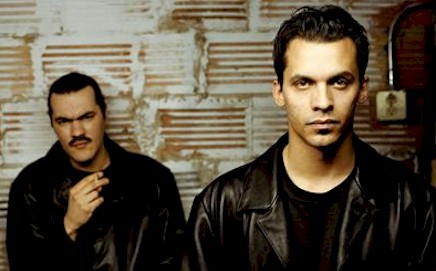
Given early exposure at some outstanding local shows, conscious word designer, Slug (Sean Daley), and his reclusively conspiring beatmeister, Ant (Anthony Davis), devised harrowing urban tales venerating regional misfits, dispossessed souls, and societal outcasts with trenchantly detailed observations. Shunning the now outmoded shoot-‘em-up gangster styling of richer rap scallions while pensively sympathizing with hard-knock lifers, Slug’s empathetic disclosures meticulously articulate the mainstream struggles of the down and out proletariat.

Nationally, Atmosphere gained high accolades with ‘01s high-minded exposé Lucy Ford: The Atmosphere EP, where smooth operating love assassin, Slug, expresses female adulation alongside cultivated anecdotal narratives concerning dysfunctional street denizens. The self-promoting “Guns And Cigarettes” deviously states Slug’s lofty ambition to be ‘bigger than the Beatles/ bigger than breast implants’ above a lazy rudimentary beat and syncopated synthesizer reverb.

While ‘02s resplendent God Loves Ugly had a nastier attitude, its wickedly brooding temperament and righteous indignation was only a temporary departure considering the sauntering civic entreaties unveiled nearly synchronically on ‘03s Seven’s Travels.

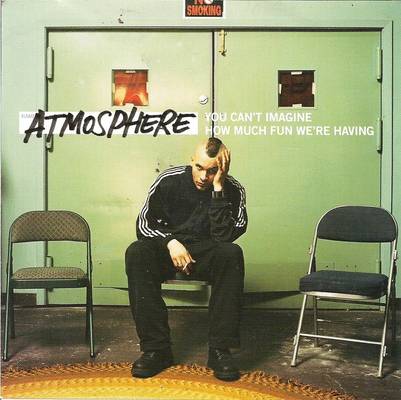
Two years hence, Slug’s satirically fronting on the retro-spirited You Can’t Imagine How Much Fun We’re Having – head nestled wearily in hand for the plaintive cover shot. His character sketches absolve psychos, barflys, and fall guys, the same maladjusted individuals that’ve always been the source of his crustiest ruminations. Perhaps a little too reliant on Ant’s old school breakbeats and turntable scratching for mod rap heads (mentioning extinct inspirations such as 2Pac and the Moonwalk), it nevertheless overflows with the same contemporaneously fast tongue-tied anxiety of yore.

On the retrenching vestige, “Watch Out,” Slug admits wanting to be like LL Cool J ‘til he started making records strictly for the girls. Female Gospel voices reinforce the ominous ‘bleeding heart’s club’ scurrying across “Say Hey There.” Polluted indictment, “Musical Chairs,” besmirches a psychotic bitch in heat and may’ve inspired Gnarls Barkley with its hazy flow. Flutes echo below the rhythmic boom of guitar-buzzed bass drum-boomed homecoming chant, “The Arrival,” a good time celebration of the first order.

Dropping sampling technique for real instrumentation, Ant surrounds his lively beats with Nate Collis’ shrewd guitar phrasing and Erick Anderson’s variable keyboard alchemy on ‘08s instructive decree, When Life Gives You Lemons, You Paint That Shit Gold. Its cocktail lounge piano opener absorbs Ant’s latest storyboarded directives, plying delicate ‘70s soul elegance to De La Soul-clipped Daisy Age mysticism. Before getting all plush and cushy, the pressure-fueled hand-clapped dirge, “Puppets,” and funky lowdown easy rider, “The Skinny,” come aboard, leading to the even funkier “Dreamer.” The snappy beat and squelched bass consuming the upbeat “You” makes it as sweetly appetizing as Outkast’s unforgettable hook-filled trinket, “Hey Yeah.” Sad slide guitar inundates reserved alcohol-doused comedown, “Your Glasshouse” and electrified acoustic 6-string befits the cautionary “Guarantees.” Rajiah Johnson’s melodious Herbie Mann-like flute accents the bass-bottomed Tom Waits beatboxing of “The Waitress.”

But in direct contrast to Slug’s previously overwhelmed Midwestern strife, When Life Gives You Lemons has an earnestly sentimental fortitude that redirects the steadily depressing mind-messing daily blues Atmosphere’s notorious for. The heartfelt “Yesterday” mourns the loss of Slug’s dad in extremely reverent fashion. And refreshingly, the splattering trumpet blasts bedecking “Wild Wild Horses” give positraction to the synth-driven Rhythm & Blues fervency Earth Wind & Fire and the Moments once delivered. All in all, it’s a less caustic, more profound scrapbook.

I own all the Atmosphere long-players except ‘97s self-released homemade debut, Overcast!, and ‘03s Seven’s Travels, your first official record for Epitaph Records.


SLUG: You don’t need Seven’s Travels. It sucks. It’s my least favorite. It’s so disjointed that when we tried to glue it together, the glue stands out and is better than the album. It’s like when someone hands you a toy to play with and you could see the glue creeping out around the corners. As a kid, you put everything in your mouth.

Lucy Ford: The Atmosphere EP’s reminded me of De La Soul with its minimalist tone and thoughtful lyrics.


That’s funny. I refer to Seven’s Travels as my De La Soul album because it’s all over the map. But we try to do each record differently than the preceding one. We have these weird rules we attempt to follow. We literally take the last song on prior records and let it fit the tone for the next record. It’s not a relatively fun road to do that. De La Soul had an optimistic tone even though there wasn’t necessarily optimism in the songs.

Right. Your songs tend to psychoanalyze daily problems. I try to find restful resolve but it’s oft-times difficult to uncover.


This particular record, I tried to instill resolution all over the place. I did look at my past material and realized the story could be over if there was no resolution. Not to sound corny, but I love Common. One of the best things he does is offer resolution. A lot of rappers just offer the story and say ‘this is what happens,’ especially in this ‘keep it real’ mind state we live in with hip-hop. Even though we know it may not be a true story – we know they didn’t shoot anyone, they’d be in jail – but we accept the story for what it is. But we never get resolution. What happened to the gangster next week when he got arrested? It’s just these quick glimpses and I realized that was all I was doing. Grant it, you could only get a fats glance in three-and-a-half minutes. But I wanted to leave more room to let it seem like something worked out on When Life Gives You Lemons.

The solemn reflection, “Yesterday,” in remembrance to your father, offers some resolve.


He passed away shortly before we started making this album. There’s a lot of stuff I wrote that’s purely autobiographical but doesn’t make the cut for the record. “Yesterday” surprisingly made the cut. Normally, songs that ‘real’ don’t make it. I wasn’t doing anything too clever inside its word scheme. It was straightforward.

It’s reflective in a similarly didactic manner as Eminem’s fan-stoked “Stan.”


And it doesn’t need a big huge beat to push the message across.

What’s the skinny on “The Skinny”? I thought the rhythm drew comparisons to George Clinton’s “Atomic Dog.”


I’ll accept that. It’s funny. I just lit a cigarette and that’s what that song’s about. When we first wrote the song it was over a beat that was like a Too Short track. Because of the genre of hip-hop I’m boxed into, I can’t really write songs about pimps. I’m not in your traditional rap pimp manner. But the beat was begging for a pimp song. So I wrote “The Skinny” for it and used the pimp as a metaphor for cigarettes. That’s probably one of my favorite songs musically and lyrically.

“You” is one of the most uplifting pop songs I’ve heard this summer. How’d that come into being?


We were looking to write a Prince song. A lot of that song we were trying to model around Minneapolis. For years, people would accuse us of representing the Minneapolis sound. But I never really got it. I always thought the Minneapolis sound was not knowing what you’re doing. I look at what the Replacements and Husker Du did for their rock movement. I just think they got together and made these songs that production-wise were super lo-fi. Some of the writing is simple – it works. It’s catchy. It’s luck. Then I look at Prince and see he was making it up as he went along. Producers Jimmy Jam and Terry Lewis – look at some of the drum noises they were creating in the ‘80s. It was ridiculous, but it worked. People gravitated towards it and danced to it. But in the real world, I bet they were just doing their imitation of George Clinton when he started fucking around with synthetic drums.

So when people give us credit for making up a sound, I’m like, ‘not really.’ We’re getting credit for not knowing what we’re doing. There’s no mentor-ship in Minneapolis and the world of making music. It’s all self-taught. So this is our version of making a Gang Starr record just as Prince made his version of Jimi Hendrix shit just as The Time were making their version of Parliament. The Replacements were making their version of the fucking Rolling Stones.

Minneapolis artists seem to relate well to contemporary pop culture.


There’s a lot of folks here just making art for art’s sake. But for the most part, prior to the internet, Minneapolis only got what it got through pop culture sources – magazines and standard media. There weren’t people moving here from Berlin to expose us to German disco.

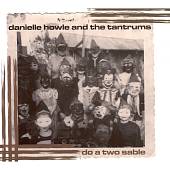
DANIELLE HOWLE’S TANTRUMS ‘DO A TWO SABLE’

FOREWORD: Folks-y South Carolina-based singer-songwriter, Danielle Howle, deserves the same accolades thrown at similarly stylized lasses such as Lucinda Williams and Neko Case. Often described as an off-kilter Southern storyteller, Howle’s musical career may’ve reached a peak with ‘98s Do A Two Sable.
 
Since then, she released a few underrated gems such as ‘02s Skorborealis and ‘08s Thank You Mark (featuring bluegrass vet, Sam Bush, and a duet with fellow Carolinian singer, Darius Rucker – ex-Hootie & the Blowfish). During ’98, I caught Howle at the now-defunct Coney Island High club on St. Mark’s Place. She played the smaller, more intimate upstairs space, delivering humorous one-liners between agreeable acoustical offerings.
 
Nowadays, she’s just as likely to be involved with college educational programming as she is with her own isolated solo career. She still plays local dates from time to time. This article originally appeared in Aquarian Weekly.


Giving acoustic folk music a serious kick in the pants, Columbia, South Carolina native, Danielle Howle, deals with emotional politics, inserting casual humor and giddy asides to a diverse range of otherwise serious material. A self-taught guitarist, provocative conversationalist, expressive singer, and evocative songwriter, Howle fronted artsy folk-pop band Lay Quiet Awhile before setting out on her own.

Besides recording ‘95s swell solo acoustic set, Live At Mc Kissick Museum (which showcased her goofy in-between song rants, endearing social commentary, and stream-of-consciousness numbers like the ditzy nursery rhyme “Frog Song” and the snippy “Big Puffy Girl Handwriting”), she acquired local band, the Tantrums, for half the studio debut, About To Burst.

For her third and most ambitious album, Do A Two Sable, Howle divides her time between spirited rockers (the kitsch-y Bo Diddley shuffler “You Came A Knockin’” and melodic head knocker “Where Were You”), traditional Country (“If You Wanna Leave”), and dramatic pop (the posh “Host For The Notes” and sensitive “Feel So Bad”).

Whether writing spontaneous first-hand ditties, spinning whimsical romantic notions, or disguising melancholic moodiness in pleasant poetic settings, Howle proves to be one of the most gifted artists currently on the scene. She howls, yodels, whispers, moans and soars in a lovely fluttering voice that teeters between Joan Baez folksiness and Joni Mitchell artfulness.

I spoke to the girlishly charming Howle via phone while she was touring D.C. After my interview, she went to visit her friend, ‘80s emo-core rock legend, Ian Mac Kaye (of Fugazi fame).

Since I originally missed out on the debut studio set, About To Burst, describe how it differs from Do A Two Sable.


DANIELLE: About To Burst was freaky and totally different. There were eight acoustic songs made at a D.C. studio and eight made when the Tantrums were a fledgling band three years ago. Two of the musicians, bassist Bryan Williams and guitarist John Furr, were in a band, Blightobody. I was in Lay Quiet Awhile, which had drummer Troy Tague. So we merged. That’s my gross, sick, sweet story.

The new album gets off to a rockin’ good time with “You Came A Knockin’” and “Feel So Bad.”


That’s just what I was writing at the time. We got in the mode of joyously rocking out.

Was the mesmerizing “Feel So Bad” actually a firsthand account?


Yes. I was sitting on the corner of Phillips Street and St. George in Charleston, SC. We have these trees with big moths on them in the south. They’re so cute. And in the mist of all this beauty two people were fighting on such a pretty day. I had to get that down since it made such a huge impression on me. It’s those little things in life that I fall in love with. My songs are just about snips of time – like “Host For The Notes.”

I’ve been to the University of South Carolina campus once. Did you play the local clubs to get started?

Mc Kissick Museum is there. That had such a wonderful intimate atmosphere. We’ve played the Elbow Room and Rockefellers. I was 17 when I wanted to be in a band. But my first band lived an hour-and-a-half away. Then I got in a local band called the Blue Laws. We got our name from the Sunday liquor laws which don’t permit alcohol sales. I didn’t originally have any serious intentions. I never went to other towns to play. We never made any money. But the bars did $900 in bar sales. I loved Rockefellers. It was cool. Then I played in Lay Quiet Awhile and went solo. So I’ve been on tour the last four years. I just love to play.

As an experienced local performer, did you find it difficult recruiting musicians as seriously committed as you were to start a band?


Yes. Also, it’s hard to find people willing to hit the road and bear with the poverty. As the Tantrums progress as a band, I hope other members will write some things. For now, I always want the albums to sound the way I want them to.

Many of your songs disguise melancholy feelings of uncertainty. You seem to be compensating for shyness.


It’s true. That’s why I talk so much onstage. I was so scared my songs would sound awkward because I wasn’t secure about my guitar picking and my singing. Telling stories makes me feel more comfortable. We’re all just vessels for what’s going on. I try real hard not to try too hard. When I wrote this album, I thought the songs I’m writing may not flow together. But I don’t like the laws that rule and stereotype albums. You’re taught brown doesn’t go with green, but the tree trunks are brown and the grass is green and they look good together. Some artists just want to stay within the boundaries of one style.

Did your parents encourage you to pursue music as a career?


My mother said I’ve been writing Country tunes my whole life. My parents listened to Glen Miller and Chuck Berry. My dad was a Jazz musician and I’m a self-taught musician. Everyone in my family is from small South Carolina towns near Darlington. We live two miles from Darlington Speedway on a little farm. We can hear the races from there. I come from a strange genetic pool of Country folk. Some are farmers. Some work in small town factories or the mills. Some are trapped in marriage and had kids early. They never got to pursue their dreams. Part of our job on this planet is to get to our dreams. I think some people are barren and it’s really sad.

What’s the first concert you attended?


I actually saw Toto when “Africa” was a big hit. My parents took me there while I was in high school. As it turns out, my producer, David Leonard, got a Grammy for that song. But I was always friends with the punk rockers in my school, checking out Black Flag and GG Allin. They kicked butt. I saw the Minutemen a million times. Mike Watt has truly inspired my music. And the Velvet Underground really honed me in. Through songs like Lou Reed’s “I Can’t Stand It Anymore,” which inspired me to pick up a guitar, I got to better understand all the punk that was coming out. So I quit college and learned to play guitar.

Did you get to open up for anyone real cool down in Carolina while just starting out?


I opened for Bob Dylan in one of my first hometown shows and really sucked. But this guy in the Tantrums who was washing dishes with me helped me get through it by playing along. I didn’t get to meet Dylan though. But I bet he’s pretty cool.

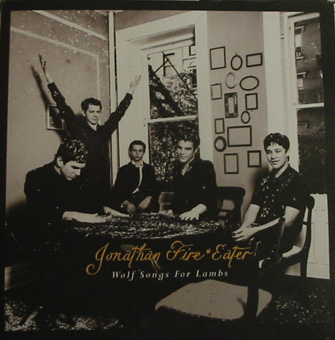
JONATHAN FIRE EATER SWAGGER THRU ‘WOLF SONGS FOR LAMBS’

FOREWORD: NYC-via-DC quintet, Jonathan Fire*Eater never lived up to the ridiculously massive hype given their major label debut. Though they had a good shot at enormous cult status, drug-addled lead singer Stewart Lupton would cause the band to fracture. But before it all went to shit, they played the World Trade Center’s top-floored Windows Of The World to introduce press relations to ‘97s inconsistent, yet artfully clever, Wolf Songs For Lambs.

Along with free beer and hors d’oeuvres, I got to chat with tropicalia-induced no wave trailblazer, Arto Lindsay (who, strangely, had a bandage on his forehead). Exhibiting tremendous confidence onstage, Lupton’s animated Jim Morrison-like Lizard King mannerisms and shady glam-rock poses caught the attention of all the industry types in attendance. After their quick demise, the remaining members (minus Lupton) formed the highly successful Walkmen. This article originally appeared in Aquarian Weekly.


New York-based, Washington DC-formed Jonathan Fire*Eater ghoulishly link rock’s distant past (and beyond) to its distortedly twisted post-mod fabric. Sadistically bent on reinforced negativity, singer Stewart Lupton’s psycho-satirical and painfully sarcastic nightmares shoulder the weight of Wolf Songs For Lambs’ distended faux-cabaret numbers. Lupton’s whimsical, pixilated lyrical ideas surface above nifty debauched arrangements. Cryptic hallucination “When The Curtain Calls For You” and awkwardly offbeat “The Shape Of Things That Never Matter” crookedly ebb through organ-saturated undercurrents, offering a less soulful, more neurotic collage than fellow DC combos the Make Up and Delta 72 care to muster.

Life on the road hasn’t been a bowl of cherries for Jonathan Fire*Eater. Some audiences just don’t comprehend the skewed tendencies that make Lupton’s abstruse melodramatic theatricality and weird garage rock so fresh, exciting, and unlikely. Though they may not have complete post-grunge fan approval yet, they’ve definitely caught the ears of almost everyone in the record industry.

Friends since high school, Lupton, guitarist Paul Maroon, Farfisa organist Walter Martin, bassist Tom Frank, and drummer Matt Barrick debuted with ‘96s indie-acclaimed Tremble Under Boom Lights EP, creating an underground buzz that had eager major (and minor) record companies drooling to sign them. They performed with respectable once-indie bands the Breeders, the Cramps, Porno For Pyros, and Blur along the way.

At an October party at the World Trade Center’s Windows Of The World, a large gathering of press, label execs, relatives, and publicity hounds wait for elevators to bring them up to the top floor (my wife and I let fellow scribe, Shirley Halperin, cut in front to catch one). Joanthan Fire*Eater is due to perform a friendly half-hour set. Unfortunately, many of those waiting to get elevator access will be sadly disappointed by the announcement that only a chosen few will be allowed to see the band play.

I spoke to Lupton over the phone a few days after their show.

You sound either really stoned or really tired.


STEWART LUPTON: Yeah. I’ve had a little of the flu bug that’s been going around. I think I got rocked with pneumonia.

Too bad you didn’t have the boogie woogie flu. (laughter) Anyway, I saw you guys perform in October at Windows Of The World in Manhattan, but my wife, who listens to the pathetic horseshit on commercial radio, thought Jonathan Fire*Eater should play their songs straightforward instead of twisted and skewed.


It’s just the way we play and the way the songs come out. I don’t like straight-up radio songs. Songs that inspire us are always weird, like old folk from the ‘20s/ ‘30s. They are so natural, but somehow they manage to be weird.

Is there a Washiongton DC scene Jonathan Fire*Eater associated with before settling in New York? Delta 72 and the Make Up have an organ-based sound not completely removed from your bands’ sound.


Yeah. I think there is a scene, but we live in New York now and I’d definitely say we’re not part of it. There’s a band called Terro Bolero that I like a lot. They have some fun shows once in awhile.

Your music seems both nostalgically connected to the past yet refreshingly dipped in the future.


We have one foot in the traditional while working within the confines of rock. I mean, we’re a rock and roll band. We don’t have a fucking computer as a sixth member. Somehow I don’t think you have to use that kind of stuff to be futuristic. To me, it’s more exciting to exploit the rock and roll tradition.

Tell me about the New York ‘after hours’ scene in which Jonathan Fire*Eater was involved.


When we all lived together in Alphabet City in the East Village, we were just so miserable since we had an intrusive landlord that would wake us up. So we had to drink a lot just to get some sleep. We went to bars a lot for nightcaps. We didn’t have beds so we slept in futons on the floor. So I guess we became involved with the existing scene, but I don’t go our much anymore.

You’re very theatrically funky onstage. You appear to be having more fun than the average rocker.


It’s all spur of the moment. I have no idea where my theatrical nature comes from. I like to move around. If you’ve ever seen old tapes of bluesmen Leadbelly or Howlin’ Wolf, they’re singing and marching around. There’s a certain theatricality in Howlin’ Wolf’s overwhelming presence and gestures. We’re a completely hit or miss band live. And we’ve been missing a lot lately and that’s been getting on my nerves. When you’re out there playing, you want people to be paying attention. And so when I get ready to perform, I always picture myself out in the audience, thinking about what I’d want to see. Like the show at the World Trade Center was an intense night. I wish I didn’t have to perform though. We had friends visiting that I wanted to hang out with.

Why do you think Jonathan Fire*Eater are either hit or miss live?


Well. It’s not like we’re fucking up onstage. It’s just sometimes we can’t make a connection with the crowd. I went to art school and read Zen books about living for the moment, but sometimes I feel so far removed from the audience. But it’s special when a hip crowd feels their way around our music. That makes it all worthwhile.

Your band takes some risks. So it’s understandable some of the newer audience hasn’t figured out your stylistic derangements.


That’s probably so.

The spooky, rumbling “I’ve Changed Hotels” seems to deal somewhat with life on the road. Is it difficult touring?


It’s tough if you think about it too much. You have to completely surround yourself with the music. If you’ve ever seen the movie, Groundhog Day, it’s kind of like that. You go from town to town, but it feels like you’re waking up to the same day. Sometimes we’ll stop at a rest stop on the way to a show and people will think we’re nuts, but we’re just blowing off steam from being cooped up traveling. We were at a Quick-E mart and Matt and Paul got into a wrestling match and knocked over a whole aisle of Fritos. We got ejected from the store. That makes touring worth doing.

Are you impressed with any new bands out there?


Not really. Some are pretty good. My favorite band now is Spiritualized. They had a choir with them when I caught their show. I try to keep up wit the modern scene. Everybody keeps telling me about this Beck dude. I’m sure he’s great. But I’m not into him yet.

What musical growth has Jonathan Fire*Eater experienced since the debut, Tremble Under Boom Lights?


Some of the songs on the debut went on and on. So we tried to make the songs a bit shorter on the new album. I learned to sing better and more naturally since then. We also like the way the album was recorded at producer Mitch Easter’s house. And Jim Waters, a New York producer, did a great job too. Mitch was really cool. He let us use his house, gear, and instruments. He had a nice girlfriend and a few dogs.

A few of your songs have a spiteful sadistic nature.


I like being sadistic, but I can’t tell you it’s because I had a traumatized youth. Ask that after our third album when I do a Barbara Walters interview. (laughter)

What sound will you hope to achieve on the third album, if there is one?


This album has so many words so I will be doing less wordy songs. There’ll be better songs. We just recorded a new song during a day off that’s temporarily called “Do You Have A Light.” I could exaggerate and say we’re going to shape songs around what’s popular and make radio play them. What else could you do for exposure? Get a bullhorn and go around screaming from your car. Actually, I don’t even think about MTV and radio. I just do my job and play the shows at night.


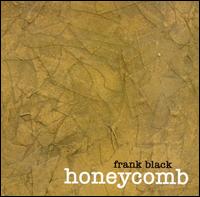
FRANK BLACK HEADS TO NASHVILLE FOR SOLO RETREAT

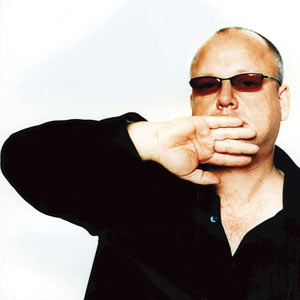
As leader of Boston-based ‘80s indie rock icons, the Pixies, Frank Black inspired the entire ‘90s Seattle grunge scene as well as various British shoegazers and mod garage rockers from far and wide. Becoming a soloist for three fine albums and then leader of backup troupe the Catholics for six more prior to their ’04 demise, this gigantic Pixie continually mellows like fine wine. His early influences include ‘60s legends such as the Beatles, Donovan, Leon Russell, John Mayall, Jimi Hendrix, Paul Butterfield Blues Band, and most profoundly for his latest work, Bob Dylan’s Nashville-recorded Blonde On Blonde.

Taking the same linear path Dylan did in ’66, Black headed to Nashville in ‘05 and got a southerly soul producer, in this case, Jon Tiven (B.B. King/ Wilson Pickett/ Delbert Mc Clinton), to assemble a sterling cast of veteran musicians to lend a hand on his latest batch of tunes. The result, Honeycomb, probably goes better with a bottle of Chardonnay than the beer and a shot doubtlessly quaffed listening to his clamorous Catholics barroom stomps. Famed Muscle Shoals musicians, bassist David Hood and keyboardist Spooner Oldham, respected session drummer Anton Fig, and renowned Stax Records/ Booker T guitarist Steve Cropper provide solid assistance.

Black croons through lightly buoyant originals such as stormy Crescent City memento “Selkie Bride,” soothingly percussive soft-pop lucidity “I Burn Today,” and spookily hushed visage “Lone Child,” keeping the overall mood sedate. He brings an easygoing melodic shuffle to Tex-Mex organist Doug Sahm’s earthy “Sunday Sunny Mill Valley Groove Day.” Studio engineer-owner Dan Penn co-wrote R & B standard “Dark End Of The Street,” which Black learned from Country-rock casualty Gram Parsons’ version and herein receives a compelling blanched blues-y falsetto sensitivity. Meanwhile, Black also borrowed Elvis’ goofy Girls Girls Girls film track “Song Of The Shrimp,” giving the novelty a speak-sung interpretation acquired from deceased Texas Country-folk phenom Townes Van Zandt’s out of tempo live rendition.

Last time I tried to interview you, your vintage equipment had been stolen by some assholes. Did you ever get it back?


FRANK: Never found it. It was stolen outside Philadelphia. I’m sure it went straight into a container ship. But life’s worked out. I’ve accumulated more vintage gear. My brother bought me a nice ’54 Telecaster last year. It’s a lovely guitar.

How’d producer Jon Tiven bring you together with all those veteran Nashville musicians for Honeycomb?


He’s got an extensive black book. He works with many musicians from all backgrounds. He’s 50 now, so he actually was a writer for Rolling Stone at age 15 or 16. So he’s been involved with music for a long time. He was even part of New York’s punk scene.

Did living out in woodsy western Massachusetts during your UMass college days inspire the folksy retreats?


I didn’t grow up there. I lived bi-coastal between Massachusetts and California. But certainly lots of people from my generation and hopefully people younger than me got exposed to a lot of folk, blues, Rhythm & Blues, and Gospel…especially Classic rock and roll. You hear it on the radio or through parents’ record collections. People get exposed to more classic music than they think.

When you moved from L.A. to Portland, Oregon during the ‘90s, did the literary scene there influence you?


I wasn’t involved in any Portland scene. I was learning how to live alone (after divorce). I lived in a big loft, but now I’m 100 miles south. When I split up with my wife I moved.

Peculiarly, your ex-wife sings on “Strange Goodbye.” Was that song based on true recollections?


Yeah. Absolutely. That’s our parting shot as the happy couple. We had a friendly divorce and love each other. We had a pact early in our relationship that if we broke up, we’d remain friends.

Some of Honeycomb’s more melodious moments reminded me of ‘70s soft rocker Andy Fairweather-Low. Do you know him?


I heard his name but don’t know his music.

Your crooning was unexpected. Did you practice octave scales?


No. It’s just the type of material that got written. I give a lot of credit to my singing teacher who has helped me in the past five years.

There’s a newfound sensibility and vulnerability adding dramatic intrigue to your latest song batch.


Sure. You go through something dramatic in your life – an old relationship ends and a new one is starting. You move from a city you’ve been in 12 years, break up a former band (the Catholics) and reunite another (the Pixies). So you feel beat up, give up, say ‘fuck it,’ and become inspired. It’s a good place to be now.

You’ve got to be proud of the Pixies accomplishments and the amount of fans coming out in droves for the reunion tours.


It’s wonderful. I was bragging about my new record to them but still begging them to please listen to it. It was probably a buzzkill for them. Here we are over a decade later on the verge of playing our first shows together and I’m caught up with my Nashville record. That’s what happens when you come out of the studio excited about something.

Will you support Honeycomb with any tour dates even though the Pixies are scheduled to be on the road all summer?


I guess by talking (to the press) I’ll get exposure. I’ve been talking to those guys about doing a tour but they’re all busy. If we do it, it’ll be later in the year. Steve Cropper does a lot of live work with Booker T & the MG’s and a band under his own name. Spooner Oldham was setting up a session with Neil Young tomorrow.

Spooner’s keyboard playing seemed to dictate Honeycomb’s mellow flow.


Those guys expressed a lot of restraint. He was shockingly almost absent for the first half of a section of a song. Suddenly, his hands would fall on to the keyboards in almost a bumbling way. He’s as soft and gentle as his playing, personality-wise. They all added to that poignancy. They’re not really about playing loud. They’re about the groove and playing off each other and the singer.

What did you learn from those seasoned musicians that will resonate for the rest of your life?


I suppose the greatest thing I observed, which is no great mystery, is they proved their prowess by listening to what I was singing and locked into what they were playing. They didn’t have to refer to the charts. They never even rehearsed the songs and many were done in one or two takes.

Some of your Catholics songs were made in one take.


Yeah. After solo debut, Cult Of Ray, the first Catholic record represented very few takes, but a lot of rehearsal. Sometimes we’d need 50 takes. At Dan Penn’s studio, we recorded some multi-tracks for this album. Technically, there were overdubs, but we were always playing together. Nashville is at the crossroads of America, whether it’s rock and roll, blues, or Gospel. It’s all been going on there for a hundred years. I didn’t have any clear vision. I wrote some songs and asked Tiven to hook me up with a band. I wrote chord charts with bassist David Hood, counted them off, and played them. I knew the situation I was getting into and it may have affected the type of songs I wrote semi-subconsciously. But it wasn’t a tailor made vision.

What have you been listening to recently?


I can’t say I listen to anything new, mostly Classical and Jazz for no particular reason. I got into older ‘30s Jazz combo things like Stuff Smith and jumpin’ jive. I like that because it’s closer to rock and roll and related to the popular song form – three minutes and lots of vocals. But I also love John Coltrane, Thelonius Monk, and Chet Baker.

How will the Pixies tour differ from last years’ excursion?


We’ll do a few different songs, but nothing worth reporting on. We just play the songs the way they went down in the ‘80s. We already wrote the songs. Now we’re just playing them live. We don’t know if we’ll record new songs. We haven’t booked a studio. We’re too busy driving around in our tour bus collecting briefcases full of cash. (laughter)


LORI CARSON STAYS TRUE TO HER SENSIBILITY

FOREWORD: It’s absolutely criminal that more people haven’t discovered the joy of Lori Carson’s seductive rough-edged alto. While ‘90s contemporaries such as Ani Di Franco, Tori Amos, and Fiona Apple gained aboveground success, Carson is barely recognizable amongst the underground elite. Her beguiling heartbroken sentiments brought a funereal melancholic intimacy to impassioned dark-toned threnodies.

She lent her plaintive nocturnal voice to two worthy Golden Palominos albums, ‘93s This Is How It Feels and its nearly as good follow-up, ‘94s Pure.

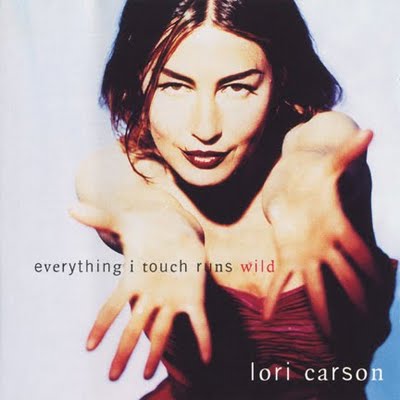
‘I spoke to her via phone to promote ‘97s wonderful Everything I Touch Runs Wild. Afterwards, she released ‘01s House In The Weeds, ‘03s Stolen Beauty, and ‘04s The Finest Thing to little fanfare.

Last time I saw Carson, she was at a Victoria Williams show at the Bottom Line. When she asked Williams if she remembered her from some past endeavor (possibly as an opening act), Williams said ‘no.’ Such is life for an unfairly ignored artist. This article originally appeared in Aquarian Weekly.


Confessional singer-writer-guitarist Lori Carson’s therapeutic Everything I Touch Runs Wild was recorded in her bedroom to procure proper intimate atmosphere. Singing on the Golden Palominos’ This Is How It Feels and Pure gave this fragile-voiced exotic beauty the confidence to follow-up her flawed ’90 debut, Shelter, with ‘95s post-Palominos disc, Where It Goes and its fully mature successor.

Passionate, sensitive, and hopelessly romantic, Carson’ sympathetic odes on Everything I Touch Runs Wild retain a heartfelt lushness. Like a shy girl blushing, she tenderly caresses piano-based ballads and guitar-strummed lullabies. From the emotionally ticking “Souvenir” to the hushed version of Todd Rundgren’s “I Saw The Light,” her songs linger in the pale gloom of a quiet evening. She’s apologetic on the delicate “Black Thumb,” then seeks commiseration on “Snow Come Down.”

Carson took some time out to speak over the phone from a hotel somewhere down South. She is currently on tour with highly respected acoustic artist Richard Buckner.

Did your parents introduce you to music?


LORI: There’s absolutely nothing in my family that was musical. For me, it was a natural attraction. I guess it was inevitable. Music always sounded so very compelling. I’d make up songs and listen to old 45’s I found in the attic. I was fascinated by the ‘50s-era girl singers. There was this one song I used to play over and over that was a heartbreak song. Maybe I was indoctrinated by that song.

How do you compose your vulnerable post-modern make out tunes?


Is that how you describe it. (laughter) Composing is what happens when I pick up the guitar and play and sing. It’s in the way I feel time and rhythm. To me, quiet and pared down just feels right. It’s as I’ve been doing for a long time. It’s like your heart rate. I’m comfortable with it.

Describe your musical growth from the debut, Shelter, to the recent Everything I Touch Runs Wild.


I’d describe it as finding a way to be true to my own sensibility. When I made Shelter, I was new to collaborations. I let the process take away some of my personality. I very rarely would say, ‘this feels uncomfortable.’ That record was burdened by overdone arrangements. If I had opened my mouth, it could’ve been great. With Where It Goes, my second album, I fought for myself. I had just done two Golden Palominos and learned a lot along the way. But I didn’t quite hit the mark. On the new album, I had the confidence to take risks.

What was it like working with Anton Fier of Golden Palominos? He seems to be quite the perfectionist.


Anton’s a very talented man. And it was a tremendous experience working with him. He was there before I was in a position to defend my ideas. It’s just a fucking crime that he hasn’t experienced the success he deserves. Like Bill Laswell, he was so specific with what he wanted. I recently had the chance to collaborate with Bill on one of his new records – not that I know which one. Working with him was entirely different than working with Anton. Bill is easygoing and has a completely different production style.

What artists would you like to work with in the near future?


I’d like to do collaborations with artists in entirely different genres. I’d like to make a cool cinematic soundscape and possibly a collection of ambient music. I do have a number of ideas. I’ve approached the Dust Brothers. I want to work with creative people like Daniel Lanois or Paul Samwell-Smith, who produced the first Cat Stevens album after being in the Yardbirds.

Why did you decide to cover Todd Rundgren’s “I Saw The Light”? I’ve always thought he sounded suspiciously like Carole King on that song.


Well. Carole King’s Tapestry was one of my formative records. As for “I Saw The Light,” it’s an innocent pop song. When I was young I thought that song was about what love would be like. On a whim I recorded it. I used to use it at soundcheck.

The moodily hypnotic “Something’s Got Me” is a fave. I thought Steve Bernstien’s trumpet break really lifted the song.


I recorded that song in my apartment. I didn’t even know Steve at the time and I invited him to my apartment with his trumpet. Actually, I heard the song in my head the way it appeared in record. I did the four-track and gave it to Brian Gocher, a writer who works on R&B pop records. He looped simple guitar underneath and came up with something very basic. The song led to the arrangement. When you’re a songwriter, you want to serve the song.

What hobbies take up your spare time?


I read like crazy, do gardening, and ride around in a van trying to write songs on guitar. I read mostly contemporary fiction. I also read feminist Andrea Dworkin’s Life & Death. She’s such an important person for people to read. She addresses issues such as pornography and sexual abuse and how they affect our culture. She’s so profound.

Did you enjoy your short tenure in the Lilith Fair tour?


I really only played for a week of shows. And I did 15-minute sets on the third stage. It was fun. I got to see a lot of different women performers. I’d have loved to do it longer. I thought Fiona Apple and Julianna Hatfield were great. Truth is, I buy records women make to support them. We’re well over 50% of the population and what’s fucked up is women are not treated as equals in the music business or the outside world. Women are different than men, but many are afraid to rock the boat and speak up for themselves.

Do you have any animosity towards the oft-times heartless record industry?


I’ve had good and bad experiences. It’s structured so insanely. I’ve heard people talk about the industry both ways. Artists pay for videos, promotion, and the record. So sometimes no one sees a profit except the record company. But being on a small label, I have respect for BMG, the company distributing my record. And my lawyer has been wonderful, respectful, and fair. Artists make a living out of publishing and touring. I’d love to see it change. But why would the record labels give up their profit? It’s like the old Hollywood system was 50 years ago when actors made very little money.

BUTTHOLE SURFERS ‘ELECTRICLARRYLAND’ BEGETS ‘WEIRD REVOLUTION’

FOREWORD: Wacky Texas boho mofos, the Butthole Surfers, concoct a toxically chronic stew from radically skewed psychedelia-encrusted noise-seared punk rock and haywire electronic gadgetry. After more than a decade in the murky underground, they got their one post-grunge commercial radio break when dusky slacker anthem, “Pepper,” caught everybody’s attention and got people in the stores to buy their seventh studio LP, ‘96s Electriclarryland.

I got to see the Buttholes at Roseland Ballroom in ’96 with my friend, Frank, consuming rum and cokes with the band long after their resounding loud-as-fuck hour-and-a-half set. The next day, those anuses at Capitol Records (not including Bobbie Gale) scheduled an 11 AM interview. Guitarist Paul Leary, nursing a hangover, was pissed at those dumb-asses. And the Capitol rep tried to keep me from discussing singer-keyboardist Gibby Hayne’s heroin problems even though it was Gibby that began taking the conversation that way. Anyway, much herb was cooked and we all had a fuckin’ blast.

Since ’01, Butthole Surfers have remained dormant. Gibby got married and lives in Brooklyn. Paul had already become an in-demand producer working boards for Sublime, Meat Puppets, Daniel Johnston, and Reverend Horton Heat in their prime. Drummer King Coffey did well with his boutique label, Trance Syndicate, releasing discs by pre-fame And They Will Know Us By The Trail Of Dead and ex-13th Floor Elevator psych-garage schizo, Roky Erickson (amongst others).

The following piece is comprised of that late morning conversation and appeared in Brutarian (a great DC mag with superb underground articles and even better illustrative drawings started in the ‘90s by Dominick Salemi). Afterwards, I’ve added a Paul Leary interview from ’01 promoting Weird Revolution that originally ran in Aquarian Weekly.
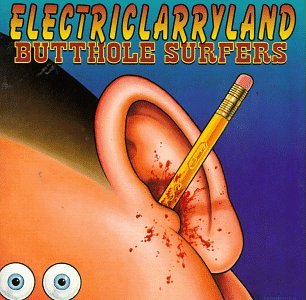
 

Ladies and gentlemen, the Butthole Surfers: singer Gibby Haynes, a six-foot-six longhaired gutter rat who’s not nearly as stark, grim, or demonic as painted by the mainstream press; guitarist Paul Leary, who, truth be told, is much more frightening than the aforementioned, ready to unleash his ornery angst at any given moment when not letting loose with frank observations and candid retrospection; and King Coffey, a drummer anchoring not only these Buttholes, but his own record label, Trance Syndicate.

Recording since ’81, the Buttholes know the rock and roll game well and now stare national stardom in the face thanks to the burgeoning popularity of ‘96s maladjusted pop-slopped sleaze, Electriclarryland.

Since I’ve followed Texas music for quite awhile, I’d like to know if the Butthole Surfers have ever met respected underground legends, 13th Floor Elevators?


HAYNES: Yeah. Roky was a great guy. We put a record out on his label.

COFFEY: You could make an argument that if you look at Texas popular music, there’s a weird element running through it. Some of the musicians from the ‘50s, like Roy Orbison, certainly looked weird. Buddy Holly kinda sounded weird when he came out with his heavy drum roll and the toms. He was one of the most original white musicians. You could look at the ‘60s with ? and the Mysterians and “96 Tears.” Then even the Texas psychedelic scene was weird by psychedelic standards. In the ‘70s there was ZZ Top, one of the strangest bands on the planet. They have a successful repertoire that could be considered mainstream.

HAYNES: Well, Willie Nelson just totally fucked off everybody. He totally did his own thing differently. I mean, there’s just something about Tex artists.

COFFEY: Like Mr. Haynes just pointed out, Willie Nelson, is considered a Country singer, but really he’s a Jazz singer. He may do Country, but he’s a Jazz player. Willie could do what he wants. And he’s never had a successor.

LEARY: (just walking in the door half asleep) Goddamn…

COFFEY: There’s Paul Leary.

LEARY: Who fucking scheduled this shit so early? Is this Capitol Records idea of a goddamn joke? I just think this is retarded. (calming down) Oooh, I had such a good dream going. I was dreaming I was sleeping.

HAYNES: Within the last year, I actually had a wet dream. I actually woke up with the semen all over my tummy. I even called Bill Carter and told him. (laughter)
Have your songs become more reflective as you’ve grown up? Like “Pepper” deals with several interesting characters.


HAYNES: (laughing) Oh, I thought you were gonna say it sounded like Beck because I use the word ‘like’ in it.

Do you guys think of yourselves as unpretentious vulgar bohemians who’ve never been involved or related to any one scene?


HAYNES: I think it’s just the name of the band. I can’t think of a truly vulgar song. The name is a sophomoric junior high joke. And I think people just assume we’re stupid, goofy, immature males – which we are – but there’s humor in there. It’s generally not a punchline, one liners. We hardly ever have any foul language on our records.

Do you feel more comfortable with your songs than you did back in ’83?


LEARY: I think the best pop riff we ever wrote was on our ’81 song, “Hey.” Everyone of our albums has one justifiable pop song on it. We’re a pop band.

And a very unconventional one at that. Who came up with the theme for the “Pepper” video with Erik Estrada?


COFFEY: Video directors come up with videos.

You had nothing to do with the story line?


HAYNES: No. Record companies won’t have anything to do with artists directing – unless you’re some huge star. It’s a lot more involved than it looks. But I would include “Pepper” as being another shitty video. It’s as good as 90% of the stuff on MTV, but it’s disappointing not to get a real good video done.

COFFEY: I specifically asked to have Michael and Janet Jackson in our video going through space watching us perform. But Capitol turned it down.

So why bother doing a video then? Did you guys get too big and Capitol needed some more promotional material?


LEARY: Well, it was a top tune on the MTV playlist. That’s why you do it. It translates into sales. Plus, it’s fun to make.

HAYNES: You know what I like? If you’re a big band you can smoke and drink booze in your videos. If we had two or three platinum records on the walls, we could be slamming dope in our videos.

Do you guys ever go onstage fucked up before sets and wonder what the hell you’re doing up there?


HAYNES: All the time. Just kidding. No one can go onstage and play better if they’re all doped up. If I smoke pot before I go on, I get real paranoid about how the kids are getting ripped off. It just freaks me out.

LEARY: If music is not real, then pot is not a drug. If we were to take cocaine, then you couldn’t play an instrument if you hadn’t before. But with pot, you could believe the lie that you could play. And it makes it much more enjoyable. Driving is a little easier when you’re stoned, but heroin and cocaine are not driving drugs. I’m much safer in my car when I’m stoned.

How could you describe the Buttholes’ sound to a musically unhip person?


LEARY: We’re a pop band. Listen to our first motherfucking album. We rhyme ‘love’ with ‘dove.’

COFFEY: Just listen to the very first song on the very first album. We’re a pop band as we’ve already noted.

LEARY: It’s only recently that we’ve been doing bullshit rock music because of what people demand.

Why do you differentiate between pop and rock music?


COFFEY: Ah, let’s not. They’re both the same. Now bullshit rock, that’s different…

LEARY: Grand Funk Railroad was a pop band. Still, it doesn’t rock harder than that.

Is it true Walmart decided not to carry Electriclarryland because of the cover having a picture of a cartoon character with a pencil shoved in his ear?


COFFEY: No. They’re carrying it now. You never know. Best Buy had a campaign a couple years ago where there was a son talking to his mom about bands he likes, and one of the bands he mentioned was the Butthole Surfers. No one thought twice.

Who are some guitar influences, Paul?


LEARY: Mark Farner of Grank Funk, Roy Clark, Gene Simmons… I don’t care what kind of music they play, as long as they’re good.

On the other hand, the media has made you guys much bigger monsters than you come off as. Do you think the image is justified? Do you think the fans see it this way?


LEARY: The Butthole Surfers don’t really have an image. Like you look at the band Psychotica with the guy with no penis who comes out in a silver suit and they have colored smoke – that’s an image. ZZ Top has an image. We are without image. We are all surface area with no volume.

COFFEY: And so therefore, people have not distorted our image enough.

So it’s time to distort your image more?


COFFEY: It’s up to you to distort our image.

HAYNES: If we can be said to have an image, it’s a creation of the press.

Well, I think with some of the things you do, you push the envelope a little bit. You’re anti-image so you sort of create an image.


HAYNES: It’s really difficult to not have an image.

COFFEY: Hey, remember that guy who had that really shitty pickup truck in Austin? And on the back window on the top written in dust was “Dino De La Hoya”?

LEARY: I saw a Plymouth with custom lettering. The guy spelled Plymouth ‘P-l-i-m-o-t-h.’ It was all crooked. But pachucos, to me, are the most influential artists in the world. A pachuco will take anything and turn it into something great to reflect his own unique and individual style. It’s usually a reflection of him sniffing the glue. If you’ve never hung out with some guys sniffing a red rag… that’s so fucking cool.

HAYNES: Like a guy who wears his jockstrap on the outside of his pants. Now that’s art.

Low Rider magazine would appreciate this. They had an issue devoted solely to airbrush art.


LEARY: That’s a smokescreen because the true art is the bitter art within. Have you ever heard a pachuco say ‘Hey hippie, suck my peepee?’ I bet they didn’t put that in Low Rider. They weed out the guys who call themselves artists and flush them down the commode. I’m from San Antonio and I worship pachucos. My goal in life is to be a pachuco. But I was really bummed out when I couldn’t be a pachuco. I had all that Irish heritage I had to deal with.

HAYNES: As a band one time we tried to become pachucos. We had these khaki pants that were about twenty inches too big in the waist, and extra extra large flannel shirts and white undershirts and hairnets. King looked good in a hairnet.

LEARY: We went and bought those pointy shoes that were called Delega-tays.

COFFEY: They were fake Stacey Adams.

LEARY: Yeah. We couldn’t afford the real ones.

COFFEY: Actually, they were called Delegates. We preferred to call them Delega-tays.

HAYNES: Little roach killers.

You have a problem with roaches?


LEARY: Gibby nailed two of his cockroaches to the wall of his tool shed in San Antonio where we recorded our first record. And they appeared to die from time to time. But a few minutes later you’d hold a lighter to it and it’s dance.

HAYNES: I had a pet roach one time and all he ate was one bean and a human hair. Then he finally died. You could tell he was eating the bean because just a little bit of it would be gone.

How do you guys feel about being made poster children for the Christian Coalition?


COFFEY: I think it’s cool how the Christian Coalition is the key to the Republican party now. I think that’s rocking. They couldn’t win without them so Dole had to pick someone who was anti-abortion.

So I doubt you’ll be voting for the Republican ticket in the near future.


COFFEY: You’ll never catch me in a voting booth. The only booth you’ll catch me in is the one you got to put quarters in.

Well, I voted for myself. I think Clinton’s a dick and a liar.


LEARY: I think his wife is a bigger dick and a liar.

HAYNES: I like Hillary Clinton because she refuses to be made fun of. She’s the sexiest thing in the White House since Jackie O.

LEARY: No. I disagree. The sexiest thing in the White House is Chelsea. She’s got so hot lately. She’s really come into her own.

Wouldn’t you like to find out she’s a Butthole fan?


LEARY: I’m sure she likes “Pepper.” I did meet Amy Carter. And she was wearing a Psychedelic Furs t-shirt.

COFFEY: She, on the other hand, is more intellectually attractive.

And Chelsea inspires thoughts of debauchery! If she had invited you would you have played at one of the inaugural balls?


HAYNES: I think it’s sick when bands do that. If I ever see Michael Stipe I’m gonna give him shit. Natalie Merchant and Michael Stipe up there singing for the President of the United States!

COFFEY: We had a bass player years back who lost all respect for the Turtles when they played at Trisha Nixon’s party.

Playing at a birthday party, even Trisha Nixon’s is different from playing an inaugural party.


HAYNES: Nixon was a good president.

COFFEY: Yeah, but he had a potty mouth.

HAYNES: LBJ had a potty mouth.

LEARY: He used to bark his orders to his aides from the toilet. I used to work for a guy like that at a lumber yard.

COFFEY: LBJ was the coolest because if he ever had a problem with anybody, he had one simple solution. He’d take off his clothes and his problems would go away. All his detractors would disappear.

Didn’t you guys go onstage naked once? Was that a political statement?


HAYNES: No. It was because I forgot to wear underwear. Otherwise, I would have been underwear clad.

LEARY: Take off your clothes and go stagediving until you realize there’s a finger up your butt. You can get your dick snapped. You ever been dick snapped?

Not that I can remember. And speaking of snapping, what about the Turtles? You’ve covered stuff before, ever had any desire to do a Turtles song?


COFFEY: No, because the Turtles are pricks. The whole De La Soul thing with the samples was bullshit. They wrote some great songs. But I’m not going to contribute any money to them because they’re fucking assholes. Plus, they were doing that Six Flags amusement park tour thing. I met some people who went to that and they said the Turtles really sucked hard.

So in the twilight of your career you couldn’t see yourself playing a park like New Jersey’s Great Advernture?


COFFEY: I’m really looking forward to the Holiday Inn days. That’s the ultimate gig. Maybe those Vegas clubs. We’d just play loud as shit in the lounge.

LEARY: What about that Gospel group who was making too much noise in that one hotel we were at? Those fucking assholes wouldn’t shut up, singing gracefully to the Lord. I told them joyfully to shut the fuck up.

Still, our readers want to know: are there any songs you’d pick as covers?


HAYNES: Soft Cell.

LEARY: I want to do Glen Campbell’s “Dreams Of The Everyday Housewife.”

You should do “Wichita Lineman.”


HAYNES: Jimmy Webb is a pretty cool writer. (The band breaks into a hip-hop version) Jimmy Webb was an acid shaman genius. Anyone who wrote both “Wichita Lineman” and “Up Up And Away” is just… I just discovered Jimmy Webb. I’m not that musically literate. But I know the real deal when I see it.

Which one of you saw John Mc Laughlin at his first live gig?


HAYNES: That was me. Dr. John, Mc Laughlin, and the Allman Brothers. The show started at 11:30 in the morning and was over at 3:30 in the morning in Dallas. My dad was waiting in the car from midnight until 3:30. Didn’t get mad, just asked how I enjoyed the show.

LEARY: The police escorted me out of my first two shows. Grand Funk Railroad and Creedence Clearwater Revival. We got to shoot the finger at the pigs. We had my dad drop us off behind the arena so we could jump the fence and get in.

COFFEY: My most influential early show was the Ohio Players’ “Love Rollercoaster” tour featuring K.C. & The Sunshine Band and Hot Chocolate. And my dad and I were the only people there wearing blue jeans and sandals. It was really amazing…

I assume you guys are making money now. How are you using it to better your lives?


LEARY: That’s rich. We’re on MTV. You get a hit on the radio and everyone thinks the mailman just starts bringing in the fucking checks. I love that.

COFFEY: Well, I like people who are confused. They see Erik Estrada on TV in the video and they’re like, ‘Wow, they’re making money.’

Do you make money touring?


LEARY: That’s another great myth.

COFFEY: Horrible year for tours.

LEARY: I haven’t seen a check for any of this shit.

COFFEY: We would have made money if we didn’t take out any lights or any musical equipment or any crew or any trucks or vehicles.

LEARY: Our next tour is going to be a wax museum. You could smoke a fake joint with your favorite wax rendition of the Butthole Surfers backstage.

COFFEY: Wow. That looks just like King Coffey!

So what do you guys plan on doing in the future?


COFFEY: I think we’ll direct.

—————————————————

BUTTHOLE SURFERS RETURN FOR ‘WEIRD REVOLUTION’
 

Lovable degenerates when they debuted with ‘83s constipated mindfuck, Brown Reason To Live, Austin, Texas-based Butthole Surfers heightened their avant-dementia by ‘87s cacophonous Locust Abortion Technician. After a five-year layoff due to protracted legal battles with former label, Capitol Records, these boho mofos return to action with the less twisted, but equally lysergic Weird Revolution. As with ‘93s Independent Worm Saloon and ‘96s mainstream breakthrough, Electriclarryland, the Buttholes latest venture may lack the colossal mayhem and grizzled debauchery of timeless EP’s such as ‘84s Live PCPPEP and ‘85s Cream Corn From The Socket Of Davis, but the inventive fury of its mutated triumvirate remains solidly intact and wholly committed.

The three-headed monster consisting of singer-keyboardist Gibby Haynes, guitarist Paul Leary, and percussionist King Coffey (each involved with their own side projects and/ or production work) continue to improve upon technical skills and computer experimentation. While Weird Revolution’s underworld provocations and cultural future shock may be less outre, stark, and grimy than ‘86s railing Rembrandt Pussyhorse (and its thematic scheme undeniably more discernible and closer to the surface), the Butthole Surfers still ‘out-freak the normal man’ as infernal ‘messenger(s) of strangeness.’

Lanky, ratty-looking frontman, Gibby Haynes, gets on the soapbox for the Zappa-esque title track, then provides a scuzzy frog-throated rap on the truly accessible “Shame OF Life” (co-written with Kid Rock). He sounds downright pop-friendly on the ultra-catchy “Sweet Jane”-ish anthem, “Dracula From Houston.”

Sometimes irascible and short-tempered (at least with scurvy press types), self-proclaimed Grand Funk fan, Paul Leary, links resonating riffs, grinding axework, and swervy whirs of abstract noise to Weird Revolution’s sometimes unpredictable arrangements. And bald-headed calm-mannered King Coffey anchors the latest oeuvre with a bevy of sharp rhythmic detours and syncopated trip-bop electro-beats.

So the twisted geniuses who first received exposure with an abominable, tasteless admission, “The Shah Sleeps In Lee Harvey’s Grave,” now take on a Beirut bombing “Jet Fighter,” an “Intelligent Guy,” that’ll ‘rock me baby all nite long’ much like Steppenwolf promised in ’69, and a loopy spaceship-bound “Last Astronaut.” For kicks, they’ve appended the Mission Impossible II laser beam, “They Came In” to fill the tail end.

Last time I spoke to the Buttholes was during the morning after a sold-out Roseland Ballroom show in ’96. Despite a record label rep quashing a conversation concerning Gibby’s prior drug habit and Paul’s disgust at Capitol setting up such an early interview following a long night of drinking, the result was a fun-filled weed-laced hour with three of America’s weirdest revolutionaries.

More reserved and less volatile than last time we spoke, Paul Leary offered thoughts on terrorism, current musical influences, and his combo’s latest disc.

The title, Weird Revolution, is ironic considering the World Trade Center terrorist attacks. Since you’ve touched on topical social issues such as the Gulf War on your early ‘90s solo album, History Of Dogs, what’s your take on the current tragedy?


PAUL: I think there’s aliens inside the moon wondering when they should step in and straighten this mess out. (laughter)

What do you think about fellow Texan, G.W. Bush?


Gosh. Do we have to claim him? I don’t know. I wish people would get more introspective and figure out why this stuff happened. We could go bomb the shit out of whoever, but there’s reasons for everything. That’s the sad part. New York got shit on for the way we, as a country, all are. It’s a hate crime. But we have to put ourselves in their position no matter how strange and outrageous that is. But it doesn’t solve the problem. Why do they feel the way they do? It turns my stomach to see how many SUV’s are driving around. The price of gas went down so everyone goes out and fucking buys as much as they could instead of trying to ween ourselves off dependence to the Middle East. Who’s the enemy? At least in Pearl Harbor we knew who did it. What’s next?

A computer war where the U.S. wins. In fact, the Buttholes have implemented that advanced technology to Weird Revolution.


Digital recording is in its early phase. The way we recorded twenty years ago and the way it’s done now makes for a whole new creative realm.

You seem to use more technical guitar skills rather than meaty fast-fingered riff patterns.


It’s a compelling process that sucks you in. We’re getting mixed reviews. Some like it, some don’t.

There’s a strange dichotomy working. This is your best sounding and most accessible album, but avant-garde fans may fell it’s less Dadaist and less eccentric than past endeavors. Still, Electriclarryland had already moved in a more centrist manner.


We’ve always been intrigued by pop music. Look at the Cult’s “Sanctuary.” That was a pop song but it’s still cool today. It was one of the best mixes with a real monstrous kick drum. Now, everyone has monstrous kick drums.

The Buttholes early ‘80s stuff was far more demented, lo-fi, and underground.


There are influences now that weren’t in effect back in the days. Back then, we made records without any outside influences. There was nobody standing over shoulder, going ‘Gee. You should do this.’ Now, we have our songs and the first question is ‘Do we have two radio hits on it?’ We keep going ‘til we get it.

Not that it’s all reliant on commercial considerations. The title track seems influenced byFrank Zappa’s Lumpy Gravy or 200 Motels.


Uncle Meat was my favorite. Hip-hop has influenced us for awhile. Overall, I’m more guided by Glenn Miller. I love that stuff. He’s a true American hero. (Note: Swing Jazz pioneer, Miller, performed for WWII troops and died in a mysterious plane crash) I get laid listening to that music.

How ‘bout Benny Goodman?


I haven’t been listening to that, but I need to. I’ve been listening to Nat ‘King’ Cole and Texas Swing by Bob Willis.

Yet you’ve also produced adventurous rockers like Sublime, and recently, the Long Beach Dub All Stars. What did you add to their sound?


Because I know those guys, they have an awful lot of trust in me. The Dub All Stars music gives me a vintage feeling. Their songwriting is a throwback rather than new alternative. I wanted their record to be a collection of songs in an old-fashioned sense. Production is a utilitarian thing. You show up in the studio, work on songs, edit it, and mix it. It was mixed on an old AMAC board in Redondo Beach at Total Access Studio. We recorded some stuff with Spot there in ’82. So it was funny walking in that place again.

Was the Butthole debut EP, Brown Reason To Live, recorded there?


No. We owed Spot a few hundred bucks and we were too poor to pay. He ended up with the tapes and we re-recorded them in San Antonio. I’d love to get my hands on those tapes. It’s pretty funny stuff. Back then, most bands in the punk scene were on their own tangent. Now, we’re in a place in music where we were during the mid-’70s, when there were all these conceptions that had become solidified. It had become stifling. You keep expecting someone to breakout and tear the whole thing down again. I wouldn’t mind seeing that right now. Rock radio is hard to listen to these days. I don’t know what the business structure is to keep it the way it is, but it’s not in touch with what people want to hear. Hopefully, they’ll rebel and come up with something that puts those motherfuckers out on their asses. Look at the independent promotional business. That’s gross and still is. That’s how you get on the radio.

Did the four-year layoff since the Buttholes divorce from Capitol Records allow the band time to tweak with Weird Revolution?


The first couple years were spent in shock. We couldn’t believe we had our asses handed to us. We had a big hit with “Pepper” and a successful album. We thought we were good to go next time around. All of a sudden, we weren’t musicians anymore and were living in a world of shit. Once we got settled with Hollywood Records, we were able to access what we were working on and put a fresh perspective on it. (Co-producer) Rob Cavallo had ideas of what he wanted to do and the last bit of tweaking was hard work. Rob wanted radio songs and didn’t consider the album done until “Dracula From Houston” and “Shame Of Life” were included. He did a lot of work with those songs and put us in a situation to get this done – bless his heart. The next album will be a radical departure.