Monthly Archives: May 2009

JESUS LIZARD @ IRVING PLAZA

Jesus Lizard / Irving Plaza / January 25, 1997

FOREWORD: Noisy post-punk stunners, Jesus Lizard, were in town promoting their fifth album, Shot, the second to last studio offering these seminal Chi-town fixtures would make before breaking up. Though I regretfully missed openers, Brainiac, I had a good time drinking and goofing around with them post-set as I had previously at the Mercury Lounge with childhood pal, Scott Wagenhoffer. Tragically, Brainiac leader Tim Taylor was killed in a car accident later that year. A decade-plus, his bands’ solid rep still precedes them. Many bands have mentioned Tim’s virtues posthumously.

Jesus Lizard fans take their band very seriously – watching every lurking movement dramatic singer-screamer David Yow makes. With a commanding onstage presence, Yow sweats until he’s finally shirtless, urgently spitting out harrowing lyrics like a possessed demon in need of immediate exorcism. He occasionally stage dives into the flowing mass of bodies in front of Irving Plaza’s stage, working the audience into a frenzy.

Surrounding Yow at each end of the stage are guitarist Duane Dennison and bassist David Sims, the dynamic duo whose punctual, gut-crunching riffs manage to coalesce above Mac Mc Neilly’s persistently gritty drums.

But Chicago-based Jesus Lizard never allows the surging guitars and alarmingly distorted overtones to venture into mosh-induced hysteria. Instead, they create portentous semi-Industrial abrasions; relentlessly demolishing barbed tunes such as the terse, rubbery Mistletoe,” the demanding “Uncommonly Good,” and the rumbling “Pervertedly Slow.”

For over an hour, Yow maintained his lunatic fringe, intensifying each song with spirited performances. At times I thought Jesus Lizard should’ve at least temporarily changed the tone and tempo, but each time they came up with another captivating gem. And the generous encore gave the crowd time to unwind as the majority either pogoed or shook their heads up and down.

Fuck those close-minded commercial radio programmers for not forging ahead and discovering this truly audacious quartet, especially in the age of grunge.

Due to my own stupidity, I missed Brainiac’s set beforehand. But if they were as great as they were last February at Mercury Lounge I’d advise anyone with a taste for inventive post-rock noise-pop to indulge immediately. I will not rest until I see them play live again.

HIGH LLAMAS / LOW / MAGNETIC FIELDS @ TRAMPS

High Llamas / Low / Magnetic Fields / Tramps, April 9, 1998

Pleasantly charming lightweight art-pop rarely gets any more intimate and mesmerizing than this wonderfully adorned triple bill on a rainy Thursday evening at Tramps. The well-balanced lineup of sure-footed underground musicians made sure the audience went away both relaxed and pleased. Several fans left before the High Llamas finished, but that was mainly because they were ultimately satisfied and probably tired (the headliners played for more than 80 minutes) instead of disinterested.

High Llamas whimsically morphed psychedelia, exotica, and cheesy pop into thriftily dulcet morsels. It’s as if these Londoners make music for an enchanted island that doesn’t exist. Imaginatively borrowing dramatic spaghetti Western motifs reminiscent of “Wichita Lineman” or “Midnight Cowboy,” along with espionage themes suited for James Bond flicks, singer/ multi-instrumentalist Sean O’Hagan’s troupe handled stylistically diverse, well-crafted material (most from the newly waxed Cold And Bouncy) with casual aplomb. While it’s not unfair to compare some of O’Hagan’s early compositions to Pet Sounds/ Smile-era Beach Boys, precarious melodies subconsciously lifted from Electric Light Orchestra, Steely Dan, soft-Jazz creampuff Michael Franks, and less obvious sources also seemed to pop up for brief intervals. But there’s no denying the widespread appeal of the High Llamas eclectic blend. Marcus Holdaway’s keyboards, Dominic Murcott’s vibes and shakers, John Bennett’s guitar, Rob Allum’s percussion, and John Fell’s bass peppered the expansive arrangements quite succinctly.

Duluth slow-core purveyors, Low, began their somber, sometimes seductive, set unobtrusively (never even mentioning their perfectly suited moniker). They first delivered a subtly hypnotizing spiritual that prepared the still-gabbing-like-it‘s-intermission audience for its narcotic transience. Guest Ida Pearl draped heavily amped violin glissando across coiled guitar riffs on one song while droning, lingering organ gave another the buzzing restraint of lighter Yo La Tengo fare. The trio continued to anesthetize the packed crowd with a dirge-y instrumental that headed into the abyss. Much like the Cowboy Junkies, Low put the lull back in lullaby without getting laborious.

Manhattan-based Magnetic Fields’ vulnerable romanticist Stephin Merritt seamlessly weaves his velvety voice through electric and acoustic guitars and bowed upright bass, leisurely strolling through his plain and simple pop tunes with graceful splendor. The stimulating “Strange Powers closed the set with gorgeous subliminal imagery.

Unlike most shows, this evenly matched tripleheader could have just as easily been inverted and nobody would have blinked. Those with insomnia left Tramps to finally get a restful night’s sleep.

REVEREND HORTON HEAT @ IRVING PLAZA

Reverend Horton Heat/ Irving Plaza / March 1, 2000

Dallas psychobilly wildman Reverend Horton Heat (a.k.a. Jim Heath) served up a full hour of hellraising, punk-inspired, high-octane raunch for a packed Irving Plaza crowd. Wearing a bright red suit, bow tie, and greased-back pompadour, the Rev delivered car ‘toons’ and booze-soaked parodies while stimulating juvenile fratboys’ peckers with lowest common denominator bait “Wiggle Stick” and Nurture My Rig” (dedicated to “hot New York City girls”).

Like his manic mentor, Mojo Nixon, the Rev borrows freely from ‘50s rockabilly, swamp rock, and swingin’ Country. After leading off with a blustery spaghetti Western instrumental hoe-down and a brisk West Texas breakdown, he put the pedal to the metal on a jagged gear jammer reminiscent of Commander Cody’s ‘72 French Connection hit “Hot Rod Lincoln.” The Rev then went freewheelin’ on a bass thumpin’ cowpoke ditty ‘bout cocaine before deriding domesticity on the jailhouse boogie strutter, “Spend A Night In The Box” (the title track from his Cool Hand Luke-inspired new album).

When the trio weren’t rocking full-on, the Rev spurt out cool asides, ripping a Texas newspaper for calling his ‘96 release, Space Heater, one of the worst Texas-made recordings ever and giving the finger to New Musical Express for charging that “he’d be flipping burgers” and washed up soon. He then gained audience ‘parcipitation’ for upright bass partner Jimbo’s quirky theme song.

Admittedly, the Rev gets painted into stylistic dead ends on record. But he’s far more assertive, funny, and schizoid live (despite the fact he drained the audience with two plain Country-pop songs and needless guitar indulgences near closing time). Although derivative, the beat-driven, “Lust For Life”-skewed “I Can’t Surf” and the Polecats/ Stray Cats-derived “It’s Martini Time” bristled with enthusiasm.

By selling his filthy soul to the devil long ago, this guitar-slingin’ Reverend has left the comparatively sane competition in the dust.

AMY RIGBY WISHIN’ AND HOPIN’ TO BE ’18 AGAIN’

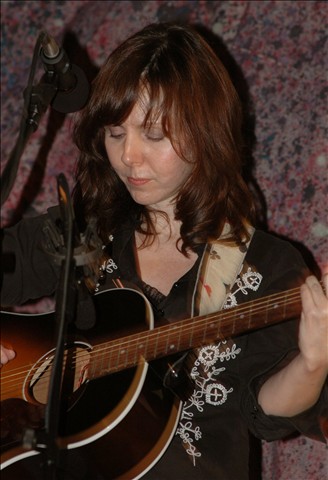
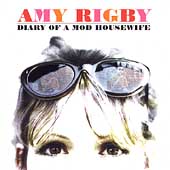
FOREWORD: I befriended self-proclaimed ‘mod housewife’ Amy Rigby (birth name: Amelia Mc Mahon) after catching her live show several times in Brooklyn and New York. I originally did a piece on her for HITS magazine to support ‘96 breakthrough, Diary Of A Mod Housewife. She was always kind despite having to do full-time secretarial work to make ends meet when not performing. Rigby and her then-current band (Dennis Diken of the Smithereens; Brad Albetta of Mary Lee’s Corvette; Jon Graboff, ex-Beat Rodeo) played Mercury Lounge, June ’02, right after I did the following interview.

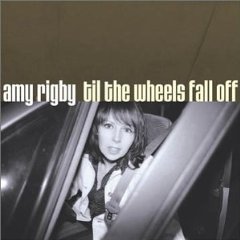
She went on to record two more consistent LP’s, ‘03s Til The Wheel Fall Off and ‘05s Little Fugitive, before settling in France with semi-legendary post-punk boyfriend, Wreckless Eric. Together, their eponymous ’08 LP turned out to be one of the years’ best. This article originally appeared in Aquarian Weekly.


Singer-songwriter Amy Rigby grew up in Pittsburgh before joining harmony trio the Shams and working a mess of Manhattan temp jobs, settling in Nashville with her 13 year old daughter thereafter. When the Shams broke up in the early ‘90s, Rigby became the under-recognized reigning queen of domesticity with a pair of worthy Elliot Easton-produced albums, the encouraging ’96 debut, Diary Of A Mod Housewife, and its worthy ’98 follow-up, Middlescence.

Defining a ‘mod housewife’ as a “woman being dragged kicking and screaming into adulthood…stuck in the netherworld between bohemia and suburbia,” the charismatic Rigby knows first-hand the predicament of leaving adolescence too soon. She has dealt with middle-age dilemmas such as divorce (from ex-dB’s/current Steve Earle drummer Will Rigby), shitty office clerk work, and near-poverty while continuing a modest, yet fulfilling, musical career.

Arguably her best album, ‘00s The Sugar Tree boasted sordid delights such as the testy “Balls” and the deceivingly heartfelt “Cynically Yours.”

But life ain’t grand and Rigby’s three albums have recently been deleted. Luckily for fans, Koch Records released the superb compilation, 18 Again, which provides an even-handed retrospective and includes a tender demo version of “Magicians.” The hilariously disgruntled folk-blues “Invisible,” the snappy pop confection “The Good Girls,” and the weary-headed, Indigo Girls-ish “Knapsack” deal directly with the everyday struggles of working class stiffs. The nostalgic, string-laden “Summer Of My Wasted Youth” and the pedal steel-addled John Wesley Harding duet “Beer & Kisses” offer no apologies for her slacker lifestyle.

Are there any artists like yourself making a career unloading domestic revelations?

AMY RIGBY: I felt like Loudon Wainwright did quite a bit of family songs. Maybe that Susie Roche album, Postcards From an Unmarried Housewife. Chrissie Hynde (of the Pretenders) made reference to being a mother on some songs. It’s so not sexy. There’s no mystery about it so people keep it hidden. It’s the opposite of what rock’s about, which is what intrigues me, combining the two.

What music turned you on as a teen?

AMY: I listened to FM rock in the ‘70s: Elton John, Beach Boys, The Who. When I moved to New York, the whole punk scene was going on. I went to see the Ramones and Patti Smith. I didn’t listen to Country until punk died in the early ‘80s. That’s when I discovered Patsy Cline and rockabilly.

Did you get there by way of ‘80s cowpunk combos such as the Del-Lords and Jason & the Scorchers?

AMY: Yeah. I had a band called Last Roundup that were peers of those bands. We were more of an acoustic hillbilly band because we didn’t have drums. I was writing songs, singing, and playing guitar. But Angel Dean was the lead singer. Country music has traditionally dealt with regular people. Loretta Lynn sang about “The Pill” and having kids at home. That was an inspiration.

The liner notes mention how the single-parent dating ode, “What I Need,” was inspired by Ian Hunter.

AMY: The chord progression and spoken word intro are actually like David Bowie’s “All The Young Dudes” (which Hunter’s band Mott the Hoople turned into a gigantic ‘70s AOR hit). I’ve always liked how Ian was the ultimate rock star, yet always presented songs as a frail human. Some of his anthems spoke of how

WILL RIGBY READILY BECOMES ‘PARADOXAHOLIC’

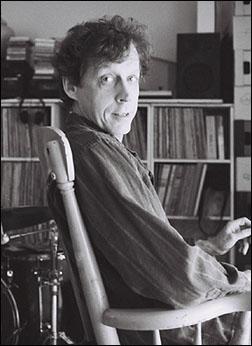
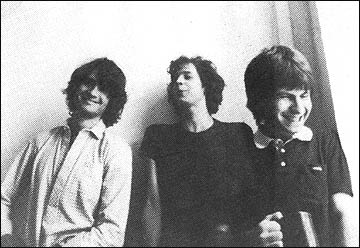
FOREWORD: Originally, drummer Will Rigby was in acclaimed ‘80s indie pop band, the DB’s (pictured below). Unlike most of his peers, he continued being a viable artist into the ‘90s and beyond (though I’m not sure what he’s been up from ’07 onward). Once married to topical songbird, Amy Rigby, he went on to release two solo albums. He has also been potent sideman for respected artists Steve Earle, Matthew Sweet, and Freedy Johnston.

A hilarious humorist when he wants to be, Rigby also has a tremendous knowledge of rock music’s past. An admitted Dylan fanatic, I interviewed him in ’02 to support his belated second LP, Paradoxaholic. This article originally appeared in Aquarian Weekly.


When I initially met veteran North Carolina drummer-composer Will Rigby at the dank basement of Manhattan’s Avenue A club, Brownies, he was cracking up several people with dead-on imitations of marble-mouthed King Of The Hill cartoon character, Boomhauer.

Originally an integral part of the dB’s, a fabulous early-‘80s New York City-based underground rock combo, Rigby now handles drum chores for Country legend Steve Earle and was invited as guest musician for folk-roots troubadour Mike Ireland’s current tour.

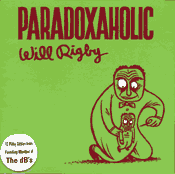
Recently, he scrambled to assemble tracks for the fascinating, cynically humored solo endeavor, Paradoxaholic (Diesel Only), which he claims “reflects the gulf between the dual nature of sad and funny songs.”

A great historian of rock culture, collecting several thousand records (“though I haven’t followed new music in years”), Rigby expresses adoration for “Cadbury Chicken,” an obscure throwaway B-side to Ronnie Spector’s George Harrison-composed “Try Some, Buy Some.” In related news, Rigby once played the skins at a friends wedding behind Marshall Crenshaw, receiving a kiss from Spector after she sang an unrehearsed version of “Be My Baby.”

Back in ’85, Rigby released his debut, Sidekick Phenomenon, on Yo La Tengo’s boutique label, Egon, calling it “incompetent” even though said bands’ Ira Kaplan told me at a recent softball game he heartily enjoyed it. Nevertheless, Rigby’s seriously bent lyrical perspective could be favorably compared to former Playboy cartoonist/ novelty composer Shel Silverstien.

Scattered singles such as ‘96s “Red Bra And Panties” and “Ricky Skaggs Tonite” (re-done for Paradoxaholic) capture his incisive wit and loose-as-a-goose vernacular in a nasal drawl cross between acid-folk weirdo Peter Stampfel and wheelchair-bound singer-guitarist Vic Chesnutt.

He squeals like a mosquito on the insinuating “This Song Isn’t Even About You” and recalls a Countrified Dave Edmunds on the dismissive “Got You Up My Sleeve” (where he sings “you better have some onions if you wanna see my tears”). Elsewhere, the casually quipped fuck-off “The Jerks At Work,” the stammering fat-bottomed girl ode “Samamaranda,” and the quick li’l barbed ditty “Midas Biege” re-animate acquaintances with pinpoint accuracy. Whether he’s being tipped off by “Sensible Shoes,” “Leanin’ On Bob” for inspiration, or arriving in a “Wheelchair, Drunk,” Rigby may be the only full-time rock drummer besides Ringo Starr or Dennis Wilson to construct worthy solo projects.

Surrounded by experienced guitarists such as Jon Graboff (ex-Beat Rodeo), Bruce Bennett (A-Bones/ Action Swingers), and Dave Schramm (the Schramms), Rigby slips easily from pretty ballad “The Sweeter Thing You Do” (with ex-dBs bandmate Gene Holder handling bass) to hook-filled organ-doused religion-baiting polka “If I Can’t Be King.” Whether he’s playing the jealous fool on the twangy “Get Away Get Away” or being coy on the buzz-toned piano boogie “Flap Down,” this skinny, fifty-ish fiend leaves no doubt he’s more than just a self-described ‘sidekick phenom.’

Compare the belated Paradoxaholic to your ’85 solo debut.

WILL: Sidekick Phenomenon was totally incompetently recorded, but its value is its lo-fi charm. There’s a cover of Merle Haggard’s “I Can’t Hold Myself In Line” which Johnny Paycheck had an ‘80s hit with, an obscure Maddox Brothers song, and Hank Williams’ “Set the Woods On Fire.” Georgia and Ira from Yo La Tengo put the homely record out, despite my misgivings.

Did you listen to Country radio?

WILL: My musical taste is greatly a part of ‘60s AM radio. Where I was in Winston-Salem, it included a smattering of Country, like Buck Owens’ “Tiger By the Tail,” Tammy Wynette’s “D.I.V.O.R.C.E.,” and Johnny Cash’s “Ring Of Fire” with a mishmash of Soul, garage-rock, the Beatles. It wasn’t compartmentalized like now. When I became an adult, I started paying attention to Country.

The wry lament, “Wheelchair, Drunk” has Southern folk roots.

I wrote that in the mid-‘90s about something that happened in the mid-‘70s. Some guy told me he’d drive me from Colorado to Carolina, but got to Florida and wouldn’t leave when I had a deadline in Carolina. He said, “I can’t leave today. I’m gonna get laid.” Anyway, I had a drunken night at a pool party. I knew no one but him, so I wandered off, passed out in a hospital parking lot, and woke up in a wheelchair being pushed into the hospital by a policeman. I yelled, “Am I under arrest!” way too loud for the middle of the night. The cop took me to the police station where they made fun of me and didn’t know what to do with me. The people I was staying with filed a missing person’s report. It was ridiculous.

What’s with the mockingly sarcastic “Ricky Skaggs Tonite”?

It’s just surrealistic. I could write absurdist numbers real well. It just channeled through me. I was reading about the (Apocalypse), the last book of the bible and its religious manifestations like the apparition of the Virgin Mary that appeared over this Egyptian Christian church. The gospel according to Thomas I took from that book. It’s not derogatory. I was a Ricky Skaggs fan in the ‘80s. I heard Ricky got a hold of the song and said, “could you all leave the room while I listen.” Some bluegrass guys like Jerry Douglas and Tim O’Brien are fans of the song.

Are you as Dylan-obsessed as “Leanin’ On Bob” suggests?

I’m not top-level Dylan-obsessed, but I’ve seen him 12 times and read 20 to 30 books on him. What inspired the song was when I first went on the internet and discovered massive information on Dylan. I wondered how people lived just following Bob around. Most of the imagery is about myself. If you went to see Dylan, you’d think he consciously went after that crowd. He asked to join the Dead in the late ‘80s, but either Weir or Lesh vetoed it. The story’s in Down the Highway. You could discern his ‘80s records lost touch with what was good about him, but thankfully he found it by Time Out Of Mind.

How’s life on the road with Steve Earle?

Pretty cushy. We just did three Scandinavian gigs and finished a new album with half-political songs. One’s about Johnny Walker Lindh. Steve’s a true leftist. His view the death penalty is radical.

Who are some drummers you admire?

Keith Moon was an influence when I played like that when I was young. A few people could pull it off, but I’m more of a backbeat person. Kenny Jones, Tom Mooney from Nazz, and Bill Buford of Yes… I was into Yes until Close To the Edge. Then they went too far over the top. Zig Modeliste of the Meters is probably my favorite. Jim Keltner is so obscenely good it pisses me off. Dave Maddox of Fairport Convention and B.J. Wilson from Procol Harum’s Broken Barricades

What’s up with fellow former dB’s Peter Holsapple and Chris Stamey?

Stamey lives in North Carolina and has a recording studio. He produced Whiskeytown and Alejandro Escovedo. Peter lives in New Orleans, but the Continental Drifters are in limbo. He’s going through a rough period and doesn’t know what to do musically. I hope to play drums on a few of his new songs.

-John Fortunato

TV ON THE RADIO WIRED FOR ‘DESPERATE YOUTH, BLOOD THIRSTY BABES’

FOREWORD: Arguably the most popular underground band of the new century, Brooklyn’s TV On The Radio are an enigmatic band clashing and colliding modern musical styles with surprisingly great aboveground success.

Following this ’04 interview with tape manipulating singer, Tunde Adebimpe, to support breakout LP, Desperate Youth, Blood Thirsty Babes, they went on critical acclaim with ‘06s superb Return To Cookie Mountain and ‘08s instant classic, Dear Science. Without giving up one iota of experimental brevity, TV On The Radio clearly achieved mainstream and MTV success on their own terms. This article originally appeared in Aquarian Weekly.


Spending part of his childhood in native Nigeria, cartoonist-painter Tunde Adebimpe found a permanent home in America when his father completed medical residency in St. Louis. After his family settled in Pittsburgh, teenaged Adebimpe attended a New York City film school. Soon, he began working on MTV’s Celebrity Deathmatch, starred in admirable ’01 underground movie Jump Tomorrow, then pieced together home recorded vocal tracks for the experimental 4-track, 24-song OK Calculator, which he made with percussionist-sampler-guitarist roommate David Andrew Sitek as TV On The Radio.

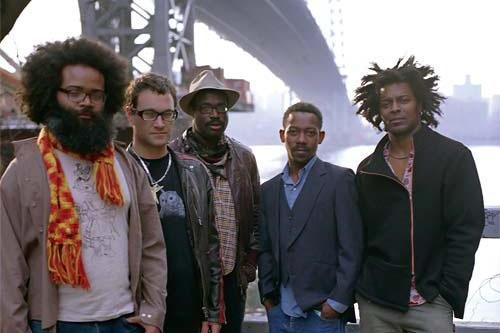
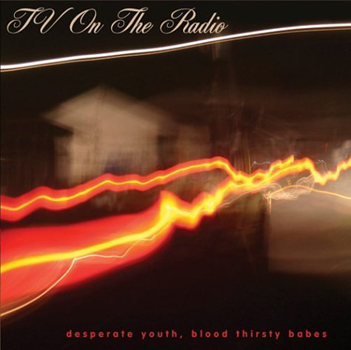
Though part of Brooklyn’s fertile Williamsburg scene, TV On The Radio bend rock, hip-hop, and funk influences in profoundly obtuse directions unexplored by their local brethren. Taken from ‘03s notable “Young Liars” EP (featuring an unlisted a cappella take on the Pixies “Mr. Grieves”), their anxiety-fueled schizoid drone “Satellite” gets your freak on like Wall Of Voodoo’s kaleidoscopic titillation “Mexican Radio” did way back in ‘82. Recruiting guitarist-vocalist Kyp Malone, the extended trio (including Yeah Yeah Yeahs guitarist Nick Zinner, flutist Martin Perna, and drummer Jaleel Bunton) thereupon assembled ‘04s startling full-length debut, Desperate Youth, Blood Thirsty Babes.

Singing auspiciously like prog-rocker Peter Gabriel, Adebimpe’s frothy moans, excitable shrieks, and yearning whimpers mollify each Desperate Youth track, cascading above the haunted forlorn mantra, “Dreams,” and the portentous apocalyptic apparition “Staring At The Sun.” Scantily resembling respected vocal troupe the Persuasions’ neo-psychedelic soul, or perhaps, warped ‘50s doo-wop, the scurrying a cappella rendezvous “Ambulance” juxtaposes Adebimpe’s overdubbed descant falsetto wails with his spherically rhythmic deep bass grunts. For the bewitching “The Wrong Way,” a blurted sax signature underscores tape-looped rhythmic dementia, securing its hex-like transience.

Since TV On The Radio’s unlimited stylistic maneuverability and variegated abstractions plunder restrictive borders, predicting the evolutionary growth of this still-maturing combo seems preposterous. Undeniably, they’ve already covered vast terrain with stimulating results.

How did TV On The Radio’s nascent OK Calculator come together?

TUNDE: I was living in an art space loft when Dave moved in. The 4-track stuff on OK Calculator Dave and I made separately, except three songs. It’s not a band. It’s almost like a sketchbook. I did a cappella, humming guitar parts, beat boxing drums. We put this together with Dave’s stuff. It’s as free and lo-fi as possible. We released it ourselves, but Suicide Squeeze may re-release it with a printed book I did. The album sounds funny to me now, but it works. Anyone can make music if they have a strong belief in their ideas.

Were ‘70s political hip-hop progenitors the Last Poets or legendary pre-punk eccentrics Pere Ubu influential?

TUNDE: My parents always had music playing. They liked Gospel, Classical. My dad played piano and taught my brother and sister. I really can’t read music. In high school, listening to college radio gave me the impetus to get involved in music. Stuff on K Records or records that didn’t have a lot of distance between who made it and who listens to it I listened to – the Pixies, Sonic Youth, NWA, Ice-T. There was a Pittsburgh college station, WPTS, I’d listen to religiously. Reception was shitty but they played vital music.

Did your parents’ African heritage and upbringing instinctively give you a tremendous rhythmic sensibility?

TUNDE: I don’t know. As a kid, I’d hear Nigerian radio. Fela Kuti was at the root base of a lot of it. But Dave’s from Polish descent and he’s making a ton of those beats. (dual laughter) I feel fortunate to be in a band with people who aren’t satisfied with making stuff that sounds like everything else.

To me, the TV On The Radio moniker projects the boundary expansion of telecommunication through imagery, mystery, and intrigue.

TUNDE: That’s a kind description. Actually, this kid, Martin, who Dave knew, was listening to our stuff and proclaimed we should be TV On The Radio.

Initially, the “Young Liars” EP blew me away. Its first song, “Satellite,” builds ceaseless friction and tension until seemingly going off the rail.

TUNDE: The plan was to make the EP longer, but we finished the five songs and had to do other outside work to get by and survive.

Its ominous post-911 mood invokes spiritually fearful lyrics.

TUNDE: We made it right afterwards, so it has that depression, hopelessness, and hopefulness about it. We were across the river when that happened. It was a confusing time. Personally, I needed to busy myself with something I thought was true.

Word on the street is you and Dave handed out percussion instruments to audience members during an early show.

TUNDE: We had a club residency at Brooklyn’s The Stinger. We’d go up and improvise a set, take requests, or write songs about something the crowd would shout out. At the end, we’d get the audience onstage with tambourines. Then, we’d sneak offstage totally drunk and go, ‘That’s our band!’

Why does “Staring At The Sun” appear on both the EP and Desperate Youth?

TUNDE: We wanted people to find a thematic balance on the album. It follows the trail back to the EP.

Is that personal or peripheral depression that “Dreams” deals with?

TUNDE: It’s a combination. You start with the person and how he relates to others and apply that to how humans treat each other in general.

You seem to take more chances on the final few Desperate Youth tracks.

TUNDE: “Don’t Love You” and “Bomb Yourself,” as far as what we put down sequentially, fit better at the end emotionally. “Wear You Out” is so different from the album’s beginning. It’s like taking someone on a trip and giving them only a hint as to where things will go.

Dave’s crisp, clean production for not only TV On The Radio, but also the Yeah Yeah Yeahs and the Liars, truly captures the frenetic studio performances at hand.

TUNDE: He taught himself everything in a Baltimore studio as a teen. He’d listen to an album, read who produced it, and call them to find out what types of microphones they used. He had an intense passion and curiosity to learn how to use equipment and bend it to his will. When I first met him, I saw a ton of recording gear and thought, ‘I have to be friends with this kid.’

You’ve explored so many musical directions. Will your next album lean more towards the harmonious aspect, funkier leanings, or discreet Jazz snazz?

TUNDE: We have no idea and we like it that way. We’re focusing on getting the live show together. Our first show of the last tour was in Iceland for a festival. Dave’s samplers were crushed in transit so we figured out a way to strip down with a rock set up. Now we’re trying to integrate that with the samplers that we’ve fixed.

You made your acting debut in Jump Tomorrow, described as a ‘fashion screwball road trip romance.’ Do you have anything in common with the geeky character, Jorge, whom you played?

TUNDE: That character was probably the person I’d be in 7th grade. He’s reserved and scarily shy, but any standoffishness I have now is definitely not frightened. It’s probably more pissed. I’d like to act more, but I’m not pursuing it. I’m locked into working with the band and doing animation for my company, Studio Iodine. We directed the Yeah Yeah Yeahs “Pin” video. We get small jobs.

How’d you hook up with MTV’s Celebrity Deathmatch claymation series?

TUNDE: I was one of the first animators to work on the show as I was about to leave school. I’d made a short Cheerful Cricket animation which won a school award. I was bumming around Brooklyn when a friend said, ‘someone’s doing a stunt animation show and you should bring your movie.’ I hung out with the guy who created the show. I had no idea how to be professional and get a job. A week later I started a year and a half of work moving clay figures around. We set up scenes and moved characters around one frame at a time.

One of my favorite episodes was when Howard Stern farted and killed some famous actress-model.

TUNDE: (laughs) I did the Michael Jackson-Madonna fight and the Beastie Boys in a huge robot battling the Backstreet Boys – one of my favorites.

THE SIGHTS HAVE ‘GOT WHAT WE WANT’

FOREWORD: The Sights are diminutive singer-guitarist, Eddie Baranek, and whomever he decides to jam with. I originally befriended Eddie following a phone interview to support ‘02s colorful ‘60s-imbued garage rock set, Got What We Want. For a twentysomething kid, he had tremendous passion and a great knowledge of rock history. I met him at Bowery Ballroom and we partied like it was 1999. That night, he didn’t let a Rolling Stone reporter onto the guest list because that now-sterile publication had blown the band off before. Afterwards, he and the band came over, sucked down some brews, and slept over. I caught up with Eddie again in ’05 at the newly refurbished Manhattan hotspot, Canal Room. That’s where I got friendly with respected soundman, Nite Bob (mentioned below), who got me into a Steely Dan show thereafter.


“Get up! Everybody’s gonna move their feet/ Get down! Everybody’s gonna leave their seat,” Kiss excitedly exclaimed on ‘76s furious pre-punk glam-rock anthem, “Detroit City Rock.” Damn is it good to have that same freewheeling rock ‘n roll spirit back in the Motor City full swing thanks to insurgent bands like The Go, The Paybacks, The Dirtbombs, and Detroit Cobras. Bringing uncommon versatility and some of the sharpest pop hooks to this expansive scene, The Sights, fronted by vocalist-guitarist Eddie Baranek, reach a diverse audience by showcasing resplendent throwbacks at ceaseless gigs.

An American history buff who later attended local Wayne State University, the shrewd Baranek gained tremendous experience playing alongside several older, more talented musicians as a high school freshman, developing instrumental skills along with the confidence to be a worthy frontman by ’98 at the tender age of sixteen.

Now the sole surviving original member, Baranek got tiny indie label Spectator Records to release The Sights colorful ’99 debut, Are You Green?, prior to recruiting current drummer Dave Shettler. Along with former bassist Mark Leahey (since replaced by ex-The Go/ Witches member Matt Hatch), the newfangled trio recorded ‘02s fascinating Got What We Want (Fall Of Rome) with famed garage-punk producer, Jim Diamond, at the helm.

Taken as a whole, Got What We Want never relents, changing direction on a whim and succeeding thusly. Though the carefree “Be Like Normal,” with its stinging guitar, shimmery organ, and adolescent concerns, receives “emphasis track” status, Baranek’s much more enamored by the fast charging Chuck Berry shakedown “One And Only,” the wholesome Fab 4 throwback, “It’d Be Nice (To Have You Around),” and the bouncy psychedelic pop confection “Everyone’s A Poet.”

The Sights abruptly challenge these nifty pop influences with virile bluesrockers like the imperative title track, the bold “Last Chance,” and the pulverizing “Nobody,” recalling pre-metal heavyweights Cream, Mountain, Cactus, and the Amboy Dukes at different junctures. On the aforementioned “Nobody,” Baranek lets it all hang out, capturing skull-crushing psychotic tension by going from exhausted resignation to outraged anguish and then unleashing incredibly urgent primal screams atop the bluesy “Babe I’m Gonna Leave You” lockgroove.

Contrasting insouciant teen pop harmonies against hard driving guitar pungency, “Don’t Want You Back” resonates succinctly as organ dollops and a dramatic pause induce feverish climactic splendor. Furthermore, the downtrodden despair of the slow drifting Blues sanctuary, “Sick And Tired” (which seems to brilliantly combine John Lennon’s “Cols Turkey” with the Beatles’ “Happiness Is A Warm Gun”), entirely juxtaposes the uplifting love remedy, “Sweet Little Woman.”

What music inspired you as a young kid?

EDDIE: Hearing the loud pipe organ at church and rare Motown songs. My mom had compilations she passed on, like the Marvelettes.

The Sights influences seem so varied.

EDDIE: We enjoy everything from the Flaming Groovies to Beach Boys “Wild Honey.” We used to be a little mod band in ’98, but I don’t want to sound like the Jam or Buzzcocks. There’s other shit I listen to, like Free, Humble Pie, Traffic and the Nice. All that comes out (in our music) along with soul like Andre Williams. We’re all just music fan geeks. You could tell. Our music is schizophrenic.

DAVE: You want to keep people’s attention so we change things up.

The Beach Boys-styled sweet choral harmonies and chiming sleigh bells counter hard driving verses on the truly accessible opener, “Don’t Want You Back.”

EDDIE: That was like eight songs I wanted to write. I had all these ideas and decided to make one song. Nobody cared a year ago when we put it out. It’s funny and good we’re getting all this attention now. You get a lot of bands around Detroit that tell us our influences aren’t ’68, they’re ’72, like Humble Pie, so we can’t do that. So we try to make it more heavy metal to piss more people off.

“Sorry Revisited” would’ve made a cool ‘68 dirgey b-side.

EDDIE: We did a song “Sorry” on Are You Green. It’s kind of like “Shapes Of Things” by the Yardbirds. And then, Jeff Beck did a little more cheesy laid-back version.

What’s with all the old hippie rock influences?

EDDIE: It’s a natural progression from being a record geek at 14 and hanging out with your pals. My Saturday nights were spent sneakin’ in a case of beers and going to buy records, then, going home and listening to them while drinking. Everyone wanted to play sports, and I was like, “Fuck that!” I just wanted to turn it up. It’s pretty cliched teenage angst. But for us to get into that, we had to be like-minded. When I was 17 and playing gigs with guys ten years older I had to know my shit or be dropped in a second. I went to see Detroit Cobras, the Go, and White Stripes before they were big. It was a good scene. We went to each others shows and supported each other.

There’s this sound guy, NiteBob, who did sound for the Stooges, Aerosmith, and Ted Nugent. He told me great stories. The Nuge had ten squirrels packed in ice. He tried to get them through the airport ‘cause he killed them. They were like, “What the fuck’s this shit?” He also said Nuge had the hottest 20-year-old daughter you’ll ever see.

The buzzing guitar shuffle “Got What I Want” grows into a psych-Blues rumble reminiscent of Nuge’s ‘60s Detroit band, the Amboy Dukes. But at the beginning, I thought I smelled the Strokes contemporary influence on the guitar riffage.

EDDIE: I hope not. I’m not digging the White Stripes, but I totally respect them. It’s like Loretta Lynn and Blind Willie Mc Tell and Captain Beefheart, whereas the Strokes are stuck in ’78, dude. These geeks think we’re a cool retro band, saying “Don’t you know it’s 2002.” Did you see that “Rock Is Back” Rolling Stone issue. What do you mean it’s back? Greg Shaw from Bomp Records has been around for ages and Get Hip Records is cool. The Cynics, the Lyres, I’ll take them any day over that watered down Southern California pop punk MTV shit.

DAVE: I think retro is what squares call what’s always been cool. I don’t see us aligned with traditional garage bands. We try to go earlier for our influences. But we’re not specifically looking backwards. We’re influenced by our diverse record collections. We started going to antique stores and record shops that had vinyl sections. I have a lot of the original singles from the Nuggets collection. I’ve even got the Banana Splits album. Local band the Underdogs used to play at the Hideout when Bob Seger System was around. They did the cool ’66 single “Judy Be Mine.”

The bouncy, upbeat “Everyone’s A Poet” reminded me of Emmitt Rhodes’ or Thunderclap Newman’s early ‘70s pop confections.

EDDIE: Emmitt Rhodes, the forgotten songwriter. We’re not afraid to put in these cheesy piano things. The lyrics “everyone’s a poet and everyone knows it all” is about what pisses me off more than anything. There’s 24-hour diners 17-year-old kids hang out in. They’re like, “I’m on three cups of coffee now. I don’t need beer.” They smoke cigarettes and drink coffee and talk about their bad poems and think they’re cool. And I wrote “how they adore me” just to be a dick.

How’d Jim Diamond’s production help?

DAVE: He’s very open-minded. I had worked with him on a Moods For Modern record in the past.

EDDIE: He helped get interesting ascending and descending harmonies. Everyone says he’s the king of garage and punk now, but he has massive respect for pop history. He’ll go, “Oh Bobby Fuller Four, let’s try something like that.” Plus, he has great old gear like Farfisas, Leslies, Vox organs. He buys shitty ass amps that don’t work at garage sales and fixes ‘em.

SILKWORM DISCOVER ‘ITALIAN PLATINUM’

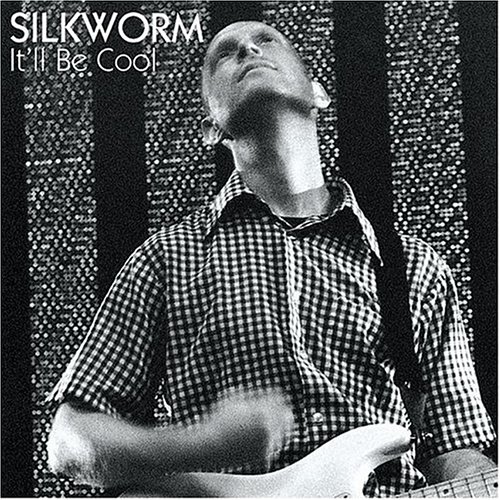
FOREWORD: One of the greatest and most underrated guitar-based bands of the ‘90s, Silkworm boasted skillful axe handlers Andy Cohen and Joel Phelps (who left by ’95). Too competent and proficient to be labeled grunge while less accessible and headier than masturbatory hard rockers, Silkworm suffered for its aggro-rock art. I caught them at Manhattan basement club, Arlene’s Grocery, in ’02, interviewing dexterous drummer, Michael Dahlquist, to promote Italian Platinum. A month forward, I journeyed a few blocks south and saw them again at Knitting Factory. They released their final album, It’ll Be Cool, in ’04. Tragically, Dahlquist was killed in ’05 when a suicidal woman rammed the car he was in. This article originally appeared in Aquarian Weekly.

Could two white collar employees of Shore Microphones (drummer Michael Dahlquist and bassist Tim Midgett) and a full-time lawyer (guitarist Andy Cohen) manage to thrive musically without losing the edge, focus, and determination that brought them a decade of continued underground acclaim?

Right about the time Seattle was festering with grunge, Missoula, Montana transplants Silkworm already had two homemade cassettes, one Punchdrunk 7″ record, and the developmental full-length, L’ajre, under their belts. Surviving an amicable split with guitarist-songwriter Joel Phelps (following the screechy psych-induced feedback of ‘94s twin sets, Libertine and In The West), ‘96s trebly Firewater offered newfound minimalist restraint to counter Cohen’s Neil Young-ish guitar wanker.

Still spicing things up with crazed witticisms and feeling more comfortable as a three-piece, ‘97s Developer contrasted soft-to-loud mood shifts in a dignified manner that affected ‘98s lyrically acute Blueblood as well as its much better follow-up, ‘00s Lifestyle.

Since then, Dahlquist completed Silkworm’s five-year trek to their adopted hometown, Chicago, and the resilient trio scored possibly their best effort yet, Italian Platinum. Hook-filled charmers like “The Brain,” the buzzy, guitar-revved “A Cockfight Of Feelings,” and the keyboard-laden “White Lightning” (with Chicago-via-Atlanta singer Kelly Hogan decorating the chorus) would fit comfortably alongside post-Nirvana Northwest faves Built To Spill and Quasi.

Guest Hogan’s descant vocals offset Cohen on the humorously snide, love-sickened “(I Hope U) Don’t Survive,” which cheekily recalls Mike Watt’s duet with Geraldine Fibbers’ Karla Bozulich on the Me Generation diatribe, “Against The ‘70s,” in sound, if not vision. Thereafter, the pendulum swings from the hard-hitting “The Third” to the relatively spare “Is She A Sign” without compromise.

No. Silkworm hasn’t put music on the backburner or lost their lust for making stimulating recordings. They’ve just managed to incorporate it differently into their busy lives as a still-worthy entity.

How does Silkworm have time to construct and record a valid album while each original member has a day job?

MICHAEL DAHLQUIST: The first big session we did together took a week while we were working full-time. It was a wretched week. We’d stay in the studio until 1 or 2 A.M. It was my third week on the job. Now we’re playing weekend shows for this tour.

Some of your best songs came out of these sessions. I especially enjoy the liquor-stained wry humor of “Bourbon Beard.”

MICHAEL: I’m convinced that song is about me. It sounds to me like it’s about a relatively young guy with a beard who likes to drink and thinks of himself as a young whippersnapper when that might not be the case. (laughter)

Andy gets to stretch out on “LR72.”

MICHAEL: “LR72” stands for Lou Reed 1972 and it sounds like that. The lyrics come from an old funeral dirge sung, played, or chanted centuries ago by a primitive African tribe. It’s Andy’s take on that gorgeous lyric. I treated it as a military march and we played it along those lines.

Speaking of Lou Reed, I thought “The Old You” copped a bit of his narrative style.

MICHAEL: Yup. I find that song touching, but it’s so quaint. For Andy, it’s so lyrical and charming.

Were you disappointed when your last studio set, Lifestyle, didn’t receive as much exposure and praise as Firewater? It seemed to be just as worthy.

MICHAEL: Firewater was the first record we did for Matador. So they put their machine behind it and had a big financial stake in it. They thought they could sell a million records. Lifestyle was my favorite. The obvious progression was we expanded our musicianship and got more people involved for Italian Platinum. It’s a little softer, sweeter, and feminine.

Well Kelly Hogan adds that femininity. She takes the reins singing lead on the balladic departure, “Young.”

I think Tim felt like a schmuck singing a song that overwrought. So he pictured it with a woman’s voice. So Kelly could sing overwrought shit very well. It sounds appropriate with her singing.

How has long-time producer, Steve Albini, affected Silkworm’s sound through the years?

We had been working in Seattle after putting out two singles and the ’92 long- play debut, L’ajre. We got in touch with him and did the …his absence is a blessing EP. We recorded six songs and mixed four in a day, which was the polar opposite of what we’d done before. It sounded so fast and efficient and was so good. We were sold on his recording process. He has a strong emphasis on the live sound, but we’ve been straying from that over the years. The way the instruments sound is affected by Steve. In an effort to make things sound as good as we can in the studio, we’ve built the best live sound we could. But I don’t know if he helps with the structure of the songs. Andy’s always had a propensity for noodling. He was this meandering guitarist.

The entire grunge scene came into fruition after Silkworm moved to Seattle and began playing. But there’s still quite an underground scene going on there.

Every time you think nothing is going on, there’s a large amount of post-Built To Spill bands like Modest Mouse, Death Cab For Cutie, and Pedro The Lion. There’s also a lot of garage bands. Grunge is well past but there’s stuff going on.

Instead of moving to the middle to attract grunge fans from the Soundgarden, Alice In Chains, and Pearl Jam camps, Silkworm always remained proudly left-of-center. I like how your band and Mudhoney never made concessions.

We felt what we were doing was fine. There was no reason to get popularity and fame.

How has Silkworm evolved?

In the past five years, since Andy moved to Chicago in the post-Matador era, we stopped traveling all the time and making a living as a band. We realized it’s the only way to stop sleeping on people’s couches. Individually, we gradually decided we wanted to do something besides playing rock music and suffering with poverty. We went back to school, got careers, bought houses, and went to that next step in our personal lives while maintaining the band as an important entity. It influenced our attitude towards the music and added an injunction of humor. We do it because it gives us pleasure and has some value in the world. But we don’t treat it so precious anymore.

-John Fortunato

IRON & WINE READY TO MAKE ‘WOMAN KING’

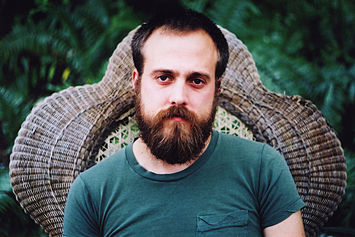
FOREWORD: Sam Beam (a.k.a Iron & Wine) began as a nocturnal lo-fi bedroom dabbler and ended up garnering unexpected critical success on a semifamous level. An affable indie folk minimalist utilizing an intimate approach reminiscent of tragic ’70s icon Nick Drake’s haunting acoustic durges, the bearded Floridian  is a good-natured soul with a great sense of humor as it turns out. Following this ’05 interview promoting the Woman King EP, Iron & Wine went on to record ’07s poignant symphonic masterpeice, The Shepherd’s Dog. In ’09, he dropped the two-disc live/ rarities collection, Around The Well. This article originally appeared in Aquarian Weekly.

Now living in Miami with a wife and three kids, heavily bearded troubadour Sam Beam attended Florida State, taught cinematography, and only strummed guitar as a hobby before reluctantly deciding to share his tenderly sublime musings under the incongruent guise, Iron & Wine.

Remarkably, the cordial slack-drawled Columbia, South Carolina, native hadn’t attempted to record his wispy minimalist folk-rooted incantations ‘til age twenty-one. Peculiarly signed to hallowed Seattle label, Sub Pop, an affluent indie better known for exposing clamorous grunge acts, Iron & Wine continues to gain acceptance among awed admirers, ushering comparisons to the abstruse fatalism Nick Drake and Elliott Smith’s vivid melodic wordplay and somber twilight laments once projected.

Yet despite a penchant for mortality yarns, the relaxed, easygoing Beam harbors no disturbingly extant death wish. Instead, his earnest postcards from the edge and sedate acoustical trinkets transport sullenly restrained lyricism to majestic heights, contentedly expressing delicately mesmerizing serenity, beautifully hypnotic imagery, and ephemeral tropical splendor while avoiding descent into the dire disconsolateness, destitute delusions, and downbeat dissuasions depressing the above mentioned suicide coalition. Though casting similar vulnerability, Beam’s conventional lifestyle and lyrical apparitions appear to be more grounded and centered.

On Iron & Wine’s highly regarded, preposterously titled ’02 debut, The Creek Drank the Cradle, the one-man bands’ formative homespun hushed lullabies arrive pure as the driven snow. Beam’s gentle slide guitar earthiness and subtle 6-string phrasing surround his seductively poignant eggshell-soft whispers and breathlessly flinty coos, genuinely evoking a warm summer breeze blowing jasmine through your mind.

At this precocious juncture, Beam’s intimately economical, plainly detailed elocution proffers deliberately constraint succinctness, taking no chances getting across uncomplicated chord structures to accompany his ethereal beatnik folk informalities. Rural railroad regalia “The Rooster Moans” retains an uncanny post-war folk-Blues authenticity not far removed from the slivery banjo-soaked Piedmont Blues consuming sighed vignette “An Angry Blade.” More often, Beam’s exquisite dewy-eyed meditations hinge on the slowly swaying understated pop tranquility these tidily modest inaugural hymns deserve.

After ‘03s interim EP, The Sea & The Rhythm, Iron & Wine returned with the autumnal melancholic masterwork, Our Endless Numbered Days (infrequently supplemented by sister Sara’s high-pitched harmonies). Gaining greater confidence while moving away from the hyper-precise reverent treatments of his valiant initial entree, Beam now ably displays effortless assurance delivering stunning elliptical impressionism.

The dusky tribal rhythm subsuming the hauntingly ticking “On Your Wings” recalls mentor Tom Waits’ bedeviled dead of night dirges. Spindly manifesto “Naked As We Come” and ominously hummed zephyr “Cinder And Smoke” have a woodsy feel the pristine campfire sonnet “Sunset Soon Forgotten” and dulcet murmur “Love And Some Verses” preserve. On the folk-Blues tip, the banjo-slide slither “Teeth In The Grass” and old timey ukulele desolation “Radio War” suffice. Embracing neo-Classical ripple “Each Coming Night” recalls Simon & Garfunkle’s “The Boxer” or, perhaps, the eternal duo’s surreal demure canticle “Scarborough Fair.”

On ‘05s magnificent 6-song EP, Woman King, Beam’s most varied project thus far, he uses hip historic independent women as storied metaphors for intriguing euphonies and also delightedly widens the instrumental expanse a tad. Lubricious violin eventually contrasts the satiny tenor-bound whisk “Gray Stables,” harpsichord tingles the antediluvian dissent “Jezebel,” and a fuzzy electric guitar midst amplifies the circularly designed “Evening On The Ground.” Trickled tambourine pacifies the foreboding piano-sketched tale “My Lady’s House.” “Freedom Hangs Like Heaven” drifts safely into elegiac Appalachian territory. The title track, a spruced mantra underscored by clickety percussion, brings stately bottleneck guitar to a nearly exotic glisten, summoning the gingerly transience of mod bard Mark Eitzel.

A soon-to-be-released EP utilizing ubiquitous Tucson mavericks Calexico, will revisit some of Beam’s oldest songs, written prior to his debut.

“It’s a collaboration in the truest sense of the word,” Beam concludes. “It’ll have a slight Mexicali bent.”

Were you aware of or encouraged by intuitive lo-fi bedroom recorders such as Liz Phair and Sebadoh when you began privately recording your own stuff in the late ‘90s?

SAM BEAM: I was, but only peripherally. I didn’t hear much of it. But I listen to lots of music and knew it was out and about. I was into heavier stuff like Nirvana when they came out. My tastes are all over the place. I thought what Sub Pop was doing was great. I was into skate punk then. I was in school at Richmond, Virginia so nearby DC punk by Fugazi influenced me.

Over the course of a few albums and EP’s, you’ve opened up your arrangements slightly while retaining allegoric compositional depth.

For variety’s sake, as well as for this recent record, we went to the studio and tried to change the sound a little and make it more playful to keep things interesting for myself and the audience.

“Evening On the Ground” is subtitled “Lilith’s Song.” Why?

Lilith is from Jewish mythology. She was the first wife of Adam cast out of Eden because she wouldn’t let Adam lie on top of her. She wanted to fuck him on top. So he got rid of her and got Eve, who was more compliant. The whole Lilith Fair concert series is based on that character.

“Jezebel” is somewhat based on a shameless Biblical matron, too.

She was the most wicked queen of Israel. She made her husband, who was king, worship idols instead of God. They eventually killed her.

Are you a spiritual person?

No. But I’m interested in watching the news. There are plenty of topics of interest. And if you spend time in the Carolinas you’ll get affected by religion, either positively or negatively and how it plays itself out with people.

Much like contemporaries Okkervil River, mortality plays an important part in your music. But it’s never done in a gruesome manner like, say, Nick Cave’s darkest material.

I’m definitely into mortality, but not in the morbid sense. Woman King’s songs are based on strong female characters I was drawn to while writing narrative stories. The historical content is merely a reference point for the audience to pick up on but at the same time, it’s not really about those historic figures.

On Our Endless Numbered Days, you seemingly stepped beyond mythical, transitory, and romantic boundaries for the portentous sociopolitical assertion “Free Until They Cut Me Down.”

Totally. I tasted societal mores. (laughter) It’s about a character who knows he’s done something that’s not right, but doesn’t want to fess up to it. He urges his father, ‘don’t tell me what to do,’ but knows he’s gonna have to pay for it down the road.

Are you into old Blues artists, such as Elmore James, who I thought might’ve affected your slide guitar playing?

Elmore’s great. All those old Blues guys were amazing. I listen to African, Balinese, and Classical music. It’s a big world with a lot of different kinds of music.

Will you ever change direction and make a loud, rocking record with angular guitars spewing hefty wattage?

I wouldn’t rule anything out if the song calls for that. But I’m not gonna write a rocking jam record just for the sake of it. There’ll just be a sensible evolution. Through the process of writing, you find out how to make the songs work.

Where does the paradoxical Iron & Wine moniker come from? Does it contrast a heretofore-unforeseen metallic thickness hedging against the soothing vinous warmth of your songs?

Well. Iron Maiden. That’s where it came from as inspiration. No. I’m just kidding. I thought it was more interesting than my name. It’s showmanship. Which is more interesting, that or Sam Beam?

ROBBIE FULKS / RAY MASON BAND @ MERCURY LOUNGE

Robbie Fulks / Ray Mason Band / Mercury Lounge, July 9, 1998

Possibly the best solo artist of the so-called ‘neo-traditionalist country movement,’ Chicago-based Robbie Fulks proved to a passionate Mercury Lounge audience just how significant his roots-y original songs are. By emulating legends such as Hank Williams (whose microphone mannerisms Fulks has down pat), Lefty Frizzell, and George Jones, this lanky, sometimes hilarious, blonde-haired singer-guitarist offered an untainted slice of Americana.

A genuine purveyor of the Nashville sound, Fulks deserves widespread attention much more than the complacently hokey cosmopolitan cowpokes currently watering down C & W in that once vital six-string capital. Admittedly, Fulks has not broadened the scope of Country music, but his talent as a songwriter and performer is undeniable. And his ’97 LP, South Mouth, and its sterling follow-up, Let’s Kill Saturday Night, affirm his worth.

At the Merc, he impressively delivered weepy tear-stained ballads countered by humorous upbeat ditties like the ringing “I Told Her Lies.” With tongue firmly in cheek, he had the audacity to attempt a slow, deliberate version of Abba’s sugarcoated pop kernel, “Dancing Queen.” It’d be criminal and shameful if this wonderful artist didn’t receive the accolades he rightly deserves.

Longhaired aged-in-the-wool Massachusetts native, Ray Mason, delivered a clean, crisp set of down home pop and blues-y rock confections beforehand. So popular amongst the roots-rock community that a tributary collection of his originals, It’s Heartbreak That Sells, was recently released, Mason crafts stylistically eclectic tunes that come in all shapes ‘n sizes. Providing comforting details about rural New England, he sang about “Mailbox Blues,” his answering machine, and a girl going “Out Of Her Mind.”

Backed by an experienced combo, Mason scruffed up some neat guitar licks and sang in a baritone not far removed from John Hiatt or Counting Crows’ Adam Durwitz. Many highlights from this Friday night show could be found on his marvelous Castanets long-player. Nearly fifty, this avid record collector has more spirit, spunk, and charm than artists half his age.

ROBERT FORSTER & GRANT MCLENNAN @ MERCURY LOUNGE

Robert Forster & Grant McLennan / Mercury Lounge / June 9, 1999

FOREWORD: Since watching the Go-Betweens’ dual front men perform acoustically at this Mercury Lounge gig, they returned to the foray with ‘03s fine Bright Yellow Bright Orange and ‘05s better Oceans Apart. However, McLennan died in ‘06, making the Go-Betweens an amazing relic from the ‘80s and ‘90s.

Former co-leaders of Australia’s finest underground rockers, the Go-Betweens, singer-songwriter-guitarists Robert Forster and Grant McLennan put on a dazzling acoustic set for a sardine-packed Mercury Lounge crowd.

While both artists went their separate ways during the ‘90s (Forster released the melodic Danger In The Past while McLennan countered with the stylistic Watershed and its masterful follow-up, Horsebreaker Star), they’ve remained friends, penning a few intriguing gems featured this fortuitous New York night.

Perfectly suited for this small backroom club, Forster and McLennan had no problem getting across their intrinsic harmonies, mournful pop reflections, and warm Gaelic-tinged folk (mostly derived from ‘86s outstanding Liberty Belle And The Black Diamond Express and ‘87s Tallulah).

Avid fans were hanging on every word. In fact, during the joyous “Love Goes On,” from ‘88s major label breakthrough, 16 Lovers Lane, nearly everyone in attendance joined in at the sweet chorus.

After a perfect one-hour set, the dynamic duo from Down Under took a few minutes to recoup before surprising patrons with a poignant extended encore. Hardly anyone left as they presented nearly another full hour of somber reflections and soft pop fare, creating an even more intimate atmosphere than they had for the original set.

Though they insist the Go-Betweens remain a dead issue, the newest unrecorded compositions performed should offer a positive sign of future studio collaborations.

THERMALS SPRING FORTH WITH ‘MORE PARTS PER MILLION’ THEN PLAY DEAD ON ‘NOW WE CAN SEE’

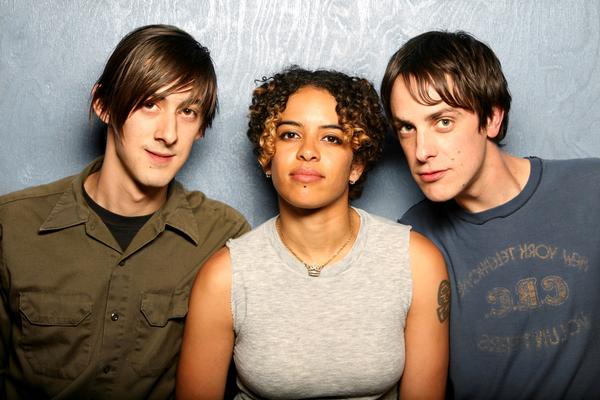
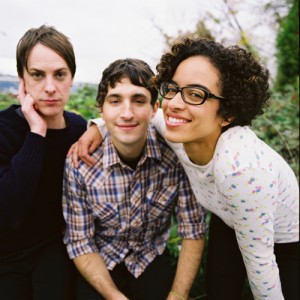
FOREWORD: I made quick friends with Thermals front guy, Hutch Harris, at Mercury Lounge supporting fantastic ’03 debut, More Parts Per Million. We conducted a weed-hazed interview in my wife’s van with then-member, Ben Barrett, while Harris’ paramour-bassist, Kathy Foster, worked the merch table.

Afterwards, I called Harris at home for an ’09 interview promoting the equally fine Now We Can See. Then, I caught the Thermals headlining Bowery Ballroom, spending a few minutes prior to the show laughing it up with Kathy, her brother, a publicist, and finally, Hutch. Both following interviews originally appeared in Aquarian Weekly.


Just east of Portland, Oregon’s downtown district across from the winding Williamette River and past its Industrial banks lies the bucolic region indie-minded combo, the Thermals, call home. Capturing the energetic vitality of reckless post-collegiate uncertainty, these scruffy erudite rockers bend muzzled vocals, durable rhythms, and clanging distortion into crudely skewed 2-minute-per-song efficacy.

Live at NYC’s Mercury Lounge, elastic Thermals frontman Hutch Harris spews perceptive literary-bound lyrics in a spastic sputter while restlessly limbering across the stage. Bespectacled ex-girlfriend Kathy Foster dexterously plucks her bass, supplying plenty of punch. Bald, skullcap-wearing guitarist Ben Barnett (of 4-track minimalists Kind Of Like Spitting) nervously jerks his head up and down to the punctual beat, sweat pouring down his prominent forehead as he rips at the axe with feral determination. Behind the kit, Jordan Hudson slashes away mightily, pounding skins and bashing cymbals with hands flailing wildly in every direction.
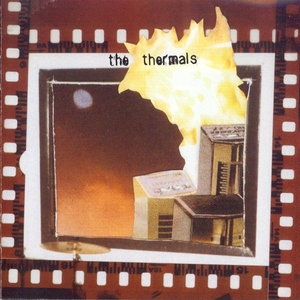
On the Thermals blazing 27-minute/ 13-song debut, More Parts Per Million, lo-fi production belies jittery roughhewn morsels scrappy enough to induce spiky-haired punks and musty garage fanatics alike. Like a paranoia-stricken Drill Sargent, Harris barks out commands above the perfectly frenzied tension of “It’s Trivia.” The dismissive “No Culture Icons” wittily destroys false ideals, as Harris excitably scurries his way through the twisted obfuscation of the slobbered couplet, ‘hardly art, hardly starving/ hardly art, hardly garbage.’ While the swiftly swaggering “Born Dead” invites comparisons to the Strokes on speed, the scuzzy urban grit of “My Little Machine” obliviously collides virile Jon Spencer Blues Explosion acrobatics with The Cure’s Goth-glam gloom.

Despite random similarities to Steve Malkmus, such as your facial structure, literary acuteness, and shared hometown, I find it difficult to compare the Thermals lo-fi savagery to his esteemed ex-band, Pavement.

HUTCH: I have Crooked Rain, Crooked Rain and Slanted & Enchanted, but they weren’t a band I had real affection for. I’d never put them down. I’m a tall skinny white guy with brown hair like him. I’ve served him lattes at a coffee shop hipsters frequented.

Do you enjoy literature?

HUTCH: Music was my third passion. First was writing, then acting. But music, you have the most control over and the most freedom to be what you want to be. Writing and acting are confining, because you’re using what someone put before you. But I don’t want lyrics to come across literary. Bad Religion’s lyrics end up alienating people because they’re posing themselves as teacher. I don’t want to sound preachy. I’m a Hunter S. Thompson, Kurt Vonnegut fan. Joseph Heller, George Orwell – really classic universal stuff. When you’re writing as a youngster, you’re re-enforcing the fact you’re a nerd and have trouble in social situations. Whereas in music, even if you suck, you’re in a band getting cool girl action. Writers don’t get the superficial benefits of being in a band.

Ben, what are your influences?

BEN: The same things that knocked me out as a kid is what knocks me out about the Thermals. If I was 16, I’d say Sepultura, Dark Angel, Forbidden, early Anthrax. At 18, the Smiths, REM, Samiam, Dinosaur Jr., Jawbreaker. Now, at 27, I realize there’s an energy that drove me to those bands – The Descendents, Drive Like Jehu. Stuff I go for as far as guitar aesthetic is the Buzzcocks, Joe Jackson, Elvis Costello, because you have to have a big right arm and go for it. For the melodies, I go to Phil Ochs, Leonard Cohen, the Mountain Goats.

How’d you two hook up?

BEN: At a New Years Eve party at Hellgate House. I remember Hutch and Kathy were in Urban Legends. Kathy sat down at the drums, I looked over at my friend, and said, “Who the fuck’s that?” Hutch was someone I admired but I was weirded out that he liked me. All four of us could play each other’s instruments. Jordan’s got a recording project, Opera Cycle. We came together to do something simpler, more streamlined. We each concentrate on one thing. Jordan knows his way around countermelody in a rad way. He’s an amazing vibes and piano player, drummer, and singer. He’s the hidden talent.

HUTCH: The secret weapon, the shining star.

The Thermals music is too fast to be arty like the Talking Heads.

HUTCH: I like that we’re not arty. It’s the same as the lyrics not being too literary. I feel it’s alienating if the audience thinks you’re too smart or too cool. Keep it simple.

Don’t be contrived.

BEN: Yeah. The idea is to know what you could pull off. If I see a band that looks supercool, I might not find them pretentious if they actually pull it off. Otherwise, you won’t buy it.

HUTCH: I think I know my limits. I know I’m not the cool guy ‘cause that’ll just look stupid. So if I be myself, stay nerdy and spazzy, that’s fine.

The Thermals capture that pure, wet-behind-the-ears, youthful indiscretion well. Production lacks, lyrics sound fuzzy, but the feeling is right.

HUTCH: Totally. We’re not naïve, but we’re innocent in some ways. We’re not 19 going out for the first time.

BEN: We know how shows go, how they’ll progress, and we’ll be fine with it.

HUTCH: We’ve met dads at all ages shows that tell us we make them feel young again. The best compliment on tour is older people saying we’re refreshing.

BEN: Nothing’s worse than a band coming out saying they’re gonna save rock and roll.

The Hives and Datsuns insinuate that, but they’re being cheeky with their brawny arrogance.

HUTCH: If you like that, it’s fine. But it’s not garage. The Hives record is huge, crisp, clear. That’s fine. But it’s not garage, and neither are the Vines. I could see how the Strokes are garage, but the Vines are just a radio band.

I like the deceptive idealism conjured on “No Culture Icons,” whether or not it has deep meaning.

HUTCH: The greatest thing about this record is the songs were written off the cuff without knowing Sub Pop Records’d pick us up. It’s terrible to recycle yourself as you make it, but since I wasn’t thinking anyone would hear it, I didn’t give a shit. That gave me the freedom, when I was writing, to have no self-reference. That’s why everything after the first verse is hypercritical, railing against everything the song goes for. But you start the song by talking about yourself.

BEN: I thought you wrote it from a critic’s perspective criticizing your work up to that point and you’re blowing up at them.

HUTCH: I feel we’re surrounded by mediocrity in Portland. There’s good and bad stuff, but somehow no one’s going for it. So it’s a criticism of that. But I’m humble enough to say I’m just like them.

What Portland bands do you like?

HUTCH: People go out to see the Swords Project – instrumental with some singing and post-rock soundscapes. 31 Knots people are into. They keep getting better over five years. Karate makes extra math-y deconstructions. People going to Portland shows complain nobody’s dancing.

BEN: That’s because nobody’s giving it to them the way Iggy did, the MC5 did, or the Sex Pistols did. That’s just punk. You could look at any genre and what bands kicked my ass – Forbidden or Braid, all very different crews with a raw essence of greatness that makes you move. That’s how hip-hop beats rock in many respects. It’s more about the people. That’s why Bjork is so amazing. Her records blink at you. There’s lot of popular bands that look and sound fine, but are they great bands? We’re trying to be.

—————————————————————–

THERMALS PLAY DEAD ON ‘NOW WE CAN SEE’

Coming out of the Pacific Northwest indie rock scene fully formed, the Thermals mainstays, singer-guitarist Hutch Harris and bassist Kathy Foster, received paltry exposure in a folk-y boy-girl duo (annoyingly labeled twee-pop), a few unheralded combos, and surprisingly, a long-defunct stoner rock outfit. But as the Thermals, the now-married duo (plus several semi-popular local musicians) stormed the weighty underground scene in 2002 with a roughhewn, sometimes muffled, homemade cassette recording legendary Seattle grunge label, Sub Pop Records, saw fit to release in its primal, unfinished state.


Hitting the ground running with crudely sketched debut, More Parts Per Million, the Thermals’ charmingly upbeat two-minute drills came across as itchy, twitchy epistles just far enough removed from emo-core melodramatics to advance their self-described ‘post-power pop.’ Hutch’s brashly blurted shout-outs and demonstratively flailed riffs outshone the greener competition, gaining his band national attention. “No Culture Icons” captured all the pent-up frustration of a starving artist trying to find an audience willing to move beyond trendy MTV mediocrity. Searching for safety in an “Overgrown, Overblown” universe and hoping to survive past springtime in “Back To Gray,” Hutch’s clanging jingles resembled a cataclysmic cyclone slamming the shoreline. And his unkempt, whiplash 6-string prowess proved menacingly exhilarating through and through.

Benefiting from proper studio production without sacrificing the manic energy of their stripped down precursor, ‘04s Fuckin A dissects and bisects human suffering. An unmistakable furor extends from its bleak nuclear power plant cover art to its disgruntled subversive passages. Hutch’s best vocal performance adorns full-fledged rock anthem, “How We Know,” his most clear-headed, vibrant, provocative, and absolutely heartfelt pledge yet.

He toys with late-‘70s ‘oi’ punk yelping on ascending decree, “Our Trip,” answering the Sex Pistols urgent “Anarchy In The UK” plea with the same vigilance given venomous desecration, “Here’s Your Future,” the gloom-shaken highlight from ‘06s post-apocalyptic manifesto, The Body, The Blood, The Machine. A benchmark third album hosted by a blindfolded Jesus in second coming stance, The Body’s brassy romp, “An Ear For Baby,” and aggressive fuck-off, “Keep Time,” beg for a ‘new first world order’ away from America’s oppressive regime.

And then… the Thermals spoke from beyond an assumed grave (with Say Hi drummer Westin Glass now onboard), returning poised and readied to battle once more on ‘09s eulogizing Now We Can See (ironically, on Kill Rock Stars record label).

A parched afternoon setting can’t hide the hailstorm force of opening sepulchral proclamation, “When I Died.” Then, brazenly savage memento, “We Were Sick,” distinctly contrasts torturous teen angst against the joy of being high – its hooky chorus only overmatched by the instantly contagious title cut. Ranted testimonial, “When We Were Alive,” and hard-driving garage rocker, “When I Was Afraid,” hearken back to Detroit’s gloriously heady late ‘60s dynamos, the MC5 and the Stooges. And perky abrasion, “You Dissolve,” gives these nihilistic teasers an obvious dust-to-dust epilogue.

Even in faux-death, Hutch and Kath’s resolve remains intact. After all, a much-awaited resurrection was definitely in the cards. Far from actual extinction, the Thermals are now at the top of their game.

So, you haven’t lost your piss and vinegar even though your man, Obama, was elected.

HUTCH: True. But we wrote it before Obama was elected so we thought we were gonna soundtrack the first four years of Mc Cain-Palin.

Now that the Republicans have lost the White House, how will you continue to compose cantankerous political missives?

HUTCH: We’ll have to move beyond politics. We were already trying to but it kept creeping back in. We’ll have to find something new to whine about. A lot of our songs are about arrogance. And they’re arrogant themselves. Usually it’s a metaphor for humanity. We’re looking back on life and the history of people on earth who are arrogant, violent, and stupid. Our songs try to reflect that. The songs celebrate fucked up things. It’s not just to get down on everything.
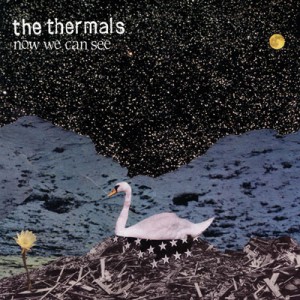
On “Now We Can See,” you go from Garden of Eden to junkyard of debris, but there’s a happy chanted chorus.

HUTCH: Totally. We got to have a good time even if the world’s going to shit. Usually the songs we work on the longest and hardest, people think, ‘That’s just OK.’ But the things we just throw out there work better for us.

What were the most difficult tracks to complete?

HUTCH: “When I Died” had a lot of lyrical re-writing and editing. But then you have a song like “When We Were Alive” which I sat down and wrote from start to finish and didn’t touch afterwards. That was the first song written for the record and truly got us started – the whole ‘we were alive and now we’re dead’ concept.

“Liquid In Liquid Out” seems to remark upon the adage ‘garbage in/ garbage out,’ but in a stinky urinary manner.

HUTCH: When we were recording with John Congleton (Modest Mouse/ Explosions In The Sky/ Polyphonic Spree producer), he turned to me after that song and said, ‘That’s really disgusting.’ I said, ‘Thanks.’ That’s not really what I had in mind but we wrote a lot of this out on the Oregon coast and it was constantly pissing rain on us. So it makes sense there’s so much liquid on this record. We also had the most snow here in 50 years.

I see you as an underrated melodic guitarist stuck in indie-land with Matthew Sweet or Ted Leo. Who would you list as under-recognized axe slingers?

HUTCH: I’d put the Strokes’ Nick Valensi in there. He has some real good melodic songs. Kim Deal for her ‘90s Breeders stuff more so than what she’s doing these days. Last Splash and Pod are two favorite records – hard to top.

Who are some early influences?

HUTCH: The obvious one is the Ramones – that bubblegum punk angle with no blues riffs – just really major chords. Kath and I were raised in California’s bay area so Green Day were massive. The Pixies, of course. It doesn’t show in our sound, but I especially like the second wave of punk – Minor Threat, Subhumans, Exploited.

How about literary influences?

HUTCH: I don’t consider myself as that much into literature. But some writers are big for me, like Joseph Heller, Catch 22 and Something Happened. Hunter S. Thompson was huge. He’s the most influential on my early lyrics and the attitude – celebrating the world’s problems instead of complaining about them. And getting real high.

You’ve moved from the simple catchphrase stanzas of the debut to fully drawn-out verses.

HUTCH: It was intentional at first to write off-the-cuff and do no editing. I’d sit on my porch, write the song, come back inside, sing it, and it’s done. The first record was supposed to be about writing a verse, repeating it, and use very few choruses. I look at it as cheap poetry. Nail something into listener’s heads and repeat it. That’s what makes a catchy song. For Fuckin A, I wrote most lyrics while touring. We made a real effort not to slow down at all or think too much. Many bands eat shit on their second album so it was really a chance to move super-quick. We recorded it in three days. I don’t think it was our best record, but it was immediate. It was supposed to be a good, quick follow-up that didn’t lose any steam. As we went on, The Body, The Blood, The Machine was about taking that beyond, writing stories with an arc that’d be smarter. The lyrics were a good way to challenge myself. We’re kids from the suburbs. At first, we hated being called punk. It made us feel like posers. If you put on our songs, you’ll find it’s not mohawk-and-leather-jacket punk.

Are you railing against tyranny on The Body, as per the line, ‘I might need you to kill’?

HUTCH: It’s defensive. The lyrics are about escaping the clutches of a fascist machine out to get us. It’d be in justified self-defense.

There’s a continual struggle between existentialism and religiosity throughout your works.

HUTCH: I’m more existential. The new record reflects that even more. Kath and I were brought up Catholic. I was a good Christian ‘til I left high school and fell out with the church. The Body had a lot to do with what went on in the Bush administration and church and state. That got into this whole fantasy of its overall plot.

You enjoy ironic satire, don’t you?

HUTCH: Totally. It’s real important to keep it sarcastic and humorous. Many bands take themselves too seriously and it’s laughable. We’re saying what’s on our mind, but not to get on a soapbox – just to talk shit. That’s punk. Lyrically, I’ve had a natural progression. With guitar, I have to bust my nuts. I’ve played for 15 years but it sounds like it’s been five. I’ve never been a virtuoso and I’m always fucking up my solos live.