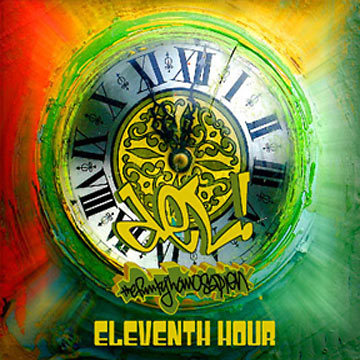
DEL THE FUNKY HOMOSAPIEN RETURNS IN ‘ELEVENTH HOUR’

FOREWORD: I remember being in west Florida’s resort peninsula, St. Joseph’s, cleaning freshly caught fish with my friend Doug at a waterfront house he rented, when Del The Funky Homosapien’s quick-spit rap quip, “Mistadabolina,” came on the radio. Integrating De La Soul’s jazzy hip-hop/ soul sass with the minimalist rap attack of Run DMC, Del could’ve set the world on fire if the mainstream was privy to him at the start. Instead, he has led a subterranean existence below dozens of trendier flash-in-the pan stylists, blowing off the whole gangsta scene from the start. However, he has outlasted nearly all his peers and continues to make interesting music. I got to hang with Del in May, ’08, with my good friends from High Times. This article originally appeared in High Times.

Way back in 1990 when hardcore rap ruled the day, Del The Funky Homosapien went against the grain, shunning the West Coast’s thriving ruff-rider gangstas with nerdy middleclass playfulness. Now living outside the liberal pot-friendly confines of Berkeley, California, in nearby Richmond, Del (born Teren Delvon Jones) returns in top form with Eleventh Hour.

An Oakland native, Del was a gifted student interested in comic books and video games, but not averse to petty crime like robbing toy stores. To avoid high school beatings by more physical troublemakers, the mischievous teen began break-dancing and forming rap battle crews. Soon, Del and long-time rhyme partner, A-Plus, would squash fools in talent competitions. After first smoking weed at age 16, he expanded consciousness with psychedelics, but unlike many word schemers, never experimented with acid, mushrooms, and mescaline during studio sessions or in concert.

“We used MDMA when ecstasy was pure,” says Del in his slurry guttural drawl. “But it wasn’t poppin’ like now in the Bay Area. It’s their whole mantra. I like to keep my mind on a certain level before a show. I don’t want people seeing me eking out. If I’m recording, I’d be too lit going off in a corner talking to someone trying to keep from flying off somewhere.”

Influenced by early rap legends Run DMC, LL Cool J, Big Daddy Kane, and Ultramagnetic MC’s, the green hip-hop head came into fruition when L.A.-raised cousin, Ice Cube, hooked him up with political zealots, Da Lench Mob. Thereafter, Del’s promising debut, I Wish My Brother George Was Here, shunned typical ghetto-blasting delirium for humorous social satire, rendering confrontational Afro-cultured lampoon “Dark Skin Girls” and silly funk ditties “Mistadabolina” and “Pissin’ On Your Steps.”

Dissing Ice Cube’s Parliament-Funkadelic samples and nascent Will Smith-derived conversational jesting for maturated ’93 follow-up, No Need For Alarm, Del created abstract hip-hop collective, the Hieroglyphics Crew, a respected techno-house-informed free-styling unit. On mind-bending 2000 set, Both Sides Of the Brain, he developed a more forceful delivery, bringing onboard Company Flow beat designer El-P. Allusions to ‘herb puffing’ imbibe Bob Marley-designated “BM’s” (‘we’re back in Amster D/ got some grams for me/ chocolate Thai/ purple haze’). Narcotics also get props on coke-dealing freak-out “Soopa Feen” and puritan scan “Skull & Crossbones.” At this time, Del discovered Amsterdam’s leniently liberal aboveground community, but upon reentering the less tolerant USA was harassed for a minor drug infraction.

“In Amsterdam, we had so much bomb we were being stupid rolling the fattest joints,” he avows. “We went to Christian’s little flea market. They’re selling weed and shrooms. Coffeehouses had all different strains. I was so smarmy about it, (customs agents) must’ve assumed we had weed ‘cause my boy Kwame had dreadlocks. So they strip-searched us. They asked to see my wallet and I had a little hash crumb in there. I laughed and said, ‘You gotta be tripping. Just throw it away. Or smoke it.’ They said it was a federal offense distributing drugs. Kwame paid $400 before they let me leave.”

Surprisingly, despite this painstaking circumstance, Del doesn’t support marijuana legalization. His reasoning has more to do with the general public’s immature habitual abuse than any ridiculous government agenda.

“People’d be playin’ the fool too much,” he opines. “Weed’s not so severe. But you gotta know your boundaries, have restraint, or drugs’ll control you ‘til you ain’t doing ‘it’ anymore, ‘it’s’ doing you. I ain’t gonna front, but you don’t know what’s gonna happen with somebody. I’ve been to a rave where kids be poppin’ X. But I saw these same kids at another show and they were like

ROBYN HITCHCOCK INVESTS IN ‘JEWELS FOR SOPHIA’

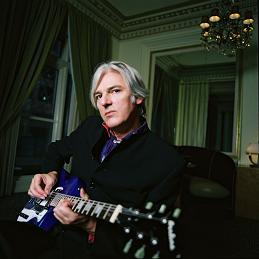
FOREWORD: In the beginning, singer-guitarist Robyn Hitchcock fronted the Soft Boys (with lead guitarist Kimberly Rew), one of the most melodically friendly bands of the late-70s Brit punk scene (alongside the Buzzcocks, and soon after, The Jam). He released a bunch of solo albums during the ‘80s and ‘90s, some accompanied by the Egyptians. A cordial guy, Hitchcock spoke to me weeks before ’99s Jewels For Sophia came out. Afterwards, the long-time cult fave did ‘03s solo acoustic turnabout, Luxor, ‘04s mod Country-folk derivation, Spooked (with roots revivalist Gillian Welch and bluegrass stylist David Rawlings), and ‘06s Ole Tarantula (with REM’s Peter Buck and Young Fresh Fellows’ Scott Mc Caughey). He returned in great form on ‘09s Goodnight Oslo.

While growing up around London in the ‘60s, singer/ songwriter Robyn Hitchcock was an average kid who enjoyed listening to British rock artists as well as their American counterparts. Self-described as “basically a late developer,” he admits to being a “very sheltered, immature kid. It took me some time to develop a sense of myself.”

“For me, ‘60s artists like Bob Dylan, who was the prime influence on most musicians, and Jimi Hendrix, were very original. Artists that were weak, their influences capsized them. But the Beatles, Kinks, Yardbirds, and the Brian Jones-era Rolling Stones through to Captain Beefheart, early Pink Floyd, and Velvet Underground, were brilliant groups. I was just twelve and I didn’t know that wouldn’t continue forever. I figured you turn on the radio and you get “See Emily Play,” “19th Nervous Breakdown,” and “Purple Haze” coming out,” Hitchcock remembers.

In the late ‘70s, Hitchcock and musical partner Kimberley Rew turned some heads fronting the Soft Boys, resulting in three absolutely classic albums, Underwater Moonlight, A Can Of Bees and Invisible Hits. In 1981, Hitchcock led a few ex-bandmates into the studio to record his first solo excursion, Black Snake Diamond Role.

After Steve Hillage (formerly of Gong) produced ‘82s throbbing, club oriented Groovy Decay, Hitchcock formed the Egyptians with ex-Soft Boys rhythm section Morris Windsor and Andy Metcalf for ‘85s upbeat Fegmania!, ‘86s introspective Element Of Light, and ‘88s charming, but inconsistent Globe Of Frogs. Following ‘90s spare, acoustic solo disc, Eye, and its lively ‘91 follow-up, Perspex Island, he re-formed the Egyptians for ‘93s underappreciated Respect, before going solo again on ‘96s lost-in-the-shuffle Moss Elixir.

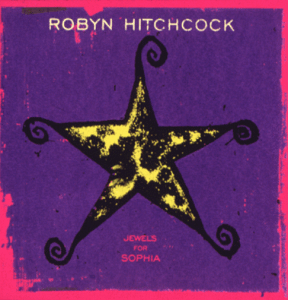
Thankfully, Hitchcock’s charming Jewels For Sophia should reclaim some lost turf with its undeniably catchy fare. The wry Northwest anthem “Viva Sea-Tac,” featuring the Fastbacks’ Kurt Bloch on “She’s About A Mover”-styled organ, praises Seattle’s most innovative guitarist: “Hendrix played guitar just like an animal inside a cage/ and one day he escaped.” The fast-paced slide guitar breakdown “Nasa Clapping” and the hip shakin’ rocker “Elizabeth Jade” also energize the set. On the soft, reflective tip, lean acoustic ballad “I Feel Beautiful,” affectionate “You’ve Got A Sweet Mouth On You, Baby,” and eloquently shady “Dark Princess” reveal some of his most heartfelt sentiments.

Hitchcock plans to independently release outtakes from Jewels For Sophia as A Star For Bram, available at robynhitchcock.com in 2000.

You’ve become more introspective over the years.

ROBYN: It’s the inevitable mellowing out process. The process is never constant. You slowly get gentler. But you might feel quite peaceful in February and quite violent in August. Not everything I write literally happens to me, but I’ve probably imagined most of it.

You let your guard down more often.

I hope so. I didn’t mean to be guarded when I was younger. But I was probably frightened or overwhelmed by my feelings. The stuff that resonates most and rings truest are the emotional songs.

Perhaps the reason you’ve lasted so long as a vital artist is because you’re still struggling to resolve inner turmoil. I felt that way when you did Eye.

Eye had too many songs. In essence, it was good because it was written in a year during a crisis point in my life. I didn’t bother to overdub myself. I managed to let out many feelings without the help of accomplished musicians. It was very bare. The songs had to stand up by themselves. That’s why I didn’t overdo the production.

Your voice seems to have gained emotional intensity.

I think smoking cigarettes helped. (laughter) Actually, I’ve probably lost the top end of high notes. As you get older, your voice gets more authentic. My voice has more character and truth in it now. That’s built up over the last ten years. There are songs where I think I suck for trying to hide behind some other sound or trying to sound like someone else. I double tracked my voice on “If You Were A Priest” to hide any quality in my voice. So it sounds somewhere between Syd Barrett and Richard Buckner. There’s no personality in it. On “Madonna Of The Wasps,” I sound as if I’d been hit in the head with a fly swatter. Live, I sound better interpreting them now. They’ve developed some soul.

You’re as sharp witted as ever on Jewels For Sophia. The imagery and surrealism seem mindbending.

You have to approach words in a simple way. Many words are just videos for the mind. The songs should give you pictures in your head. It’s not like I’ve cunningly cloaked words like an enigma you could reach if you had a decoding book. People get confused by pictures. Sometimes the songs are very simple and don’t have many pictures in them, like “Sweet Mouth” or “I Feel Beautiful.” That’s easier.

Why weren’t the Lennonesque “Mr. Tong” and the giddy “Gene Hackman” ode listed along with Jewels For Sophia’s other song titles?

The idea was to make it seem like an afterglow. So I didn’t want to credit them. Otherwise, it’s a bit too predictable. It’s as if I’d completed my gig and you snuck upstairs to the dressing room and I was there having a drink and playing songs no one ever heard. I wanted it to feel as if the record went off somewhere at the end.

Have your acoustic songs inspired influential lo-fi artists like Smog, Palace Music, or Sebadoh?

I don’t know. I know Lou Barlow (of Sebadoh) so I should ask him. Probably the music I made with the Soft Boys up until Eye has sunk into musicians’ consciousness more so than recent stuff. I don’t know if anyone has heard what I did afterwards.

What made you decide to pursue a musical career?

My parents weren’t into music so it was an area I could colonize. My father was an artist and wrote books. So as not to compete with him I tunneled away and emerged with music. It was like breaking out of a compound and avoiding the searchlights. That’s how people are supposed to break out of prisoner war camps. They tunnel a long way out and come out in the woods somewhere. But it never works out because the tunnel always comes up short.

Would you consider writing short stories as you did with Eye’s “Glass Hotel”?

Funny you should mention that. I actually do have a novel finished, but I have to do a re-write. The plan is to finish the novel for 2001. It’s a bit gelatinous at the moment.

DAN HICKS & THE HOT LICKS @ BOWERY BALLROOM

Dan Hicks & Hot Licks — Wit, Wisdom and “Tangled Tales” on Sanibel

Dan Hicks & the Hot Licks / Bowery Ballroom / Sept. 7, 2000

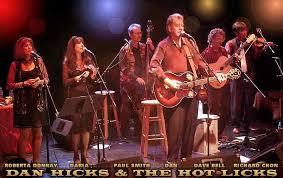
Since his last studio album, 1976’s It Happened One Bite, singer-songwriter-guitarist/ quick-witted satirist Dan Hicks has been writing music for HBO and hocking commercials for Levi’s Jeans and Mc Donalds. Recently, he revamped his band, the Hot Licks, recorded ‘00s generous 15-song comeback, Beatin’ The Heat, and began touring. Playing his first New York City gig in 20 years, Hicks captivated a Bowery Ballroom audience filled with dyed-in-the-wool former hippies (including jug band fixture Jim Kweskin and WFMU d.j. Rita Houston) and party-spirited thirtysomethings.

A laid-back beatnik with a pure ‘n easy pre-rock folk-Jazz obsession, the soft-toned, flinty voiced Hicks performed for nearly two hours, dousing his set with intermittent quips and sarcastic snips. His songs, as always, had a relaxed, unhurried vibe that weighed ever gentle on the mind. Many were spiced with a breezy samba feel and a lounge-y ‘40s cocktail bar effervescence, especially the delicate “End Of A Love Affair.”

Credit guitarist Tom Mitchell, violinist Brian Godcheaux, string bassist Ozzie Andrews, plus politely soulful backup singers Debbie and Susan for giving Hicks solid support. During the Gypsy Jazz excursion of Cozy Cole’s “Topsy,” each musician performed a terse solo showcasing virtuosity. Then, wry mandolin-laced “Where’s the Money,” feel good summer stroll “Strike It While It’s Hot” (done as a duet with Bette Midler on the new LP), and voodoo love song “I Scare Myself” (featuring Rickie Lee Jones’ sultry voice on the new LP) located a contagiously low key serenity somewhere between J.J. Cale, Michael Hurley, and It’s A Beautiful Day.

Hicks bragged about getting “Motley shitfaced” before settling into the cracked bourgeois white-Blues, “Got My Paycheck Today,” then delivered “Black-Headed Buzzard” in a style that seemed half freight train Blues, half Appalachian Mountain folk. For an encore, he swiped a Western Swing ditty from Texas legend Bob Wills; smiled through the ironic “How Can I Miss You When You Won’t Go Away”; and eased into Beatin’ The Heat’s protagonistic serenade “I Don’t Want Love” (featuring former Stray Cat guitarist Brian Setzer on the studio version) and the sweetly bluesy confection “My Cello.”

Since leaving seminal pre-psychedelic ‘60s San Francisco band the Charlatans, Hicks very capably has spliced vintage American music genres with quirky originality and cornball absurdity. Now, nearly three decades since his high water mark, ‘73s Last Train To Hicksville, this Little Rock, Arkansas-born relic has still got the naive charm, deliberate smirk, and youthful anxiety of artists one-third his age.

HIGH TIMES MARIJUANA MUSIC AWARDS @ WETLANDS PRESERVE

High Times Marijuana Music Awards / Wetlands Preserve / Sept. 6, 2001

True stoners attending High Times Marijuana Music Awards (a.k.a. the Doobie Awards) were enlightened by not only the fine herb burning at Wetlands, but also dope-related heavy music resonating loudly through the foggy air past 1 A.M.

Hosted by half-baked offbeat comedian Jackie ‘The Jokeman’ Martling (who spit out lukewarm to totally hysterical one-liners) and directed by HT editor Steve Bloom, sturdy bong awards (assembled by neighboring A-1 House of Trophies) were handed out to winners in several dope-related categories between each 15 minute band segment. Short videotaped music clips of each nominee were projected on a side wall, adding to the ceremonial feel of the presentations.

To get the evening started, New Jersey’s Atomic Bitchwax (Stoner Rock Band of the Year) drifted into blistering, psychedelicized instrumental jams. Led by guitar phenom Ed Mundell (concurrently a member of Monster Magnet), AB really hit stride during a spiffy version of Tommy Bolin’s “Crazed Fandango.” Next, Boston’s sociopolitical metal-punk combo Tree (winners of the Rally Band Award) hauled out a few energetic rants.

Legendary marijuana advocate/ backdated hippie David Peel (whose ‘68 LP Have A Marijuana and ‘72 LP The Pope Smokes Dope were primal countercultural treasures) won the Marijuana In Music Award and truly impressed the audience. Unlike Peel’s off-key solo acoustic meanderings occasionally featured on the Howard Stern Show, he took the stage with a serious band that definitely kicked out the jams. Later on, the band Dope, winners of the Hard Rock Album Award for Felons & Revolutionaries, provided a fistful of Goth-inspired metal that rattled everyone’s frazzled brain cells.

Though I regret missing Jazz veteran Charlie Hunter (Jazz Album of the Year recipient) and the Cannibus Cup Band (due to some intermittent mind-expanding inhalation at the club’s basement level), I faintly heard their sweet sounds wafting through the Wetlands interior.

Undoubtedly, most of the younger crowd was on hand to catch California’s reefer-inspired hip-hop/ punk enthusiasts Kottonmouth Kings. In town to promote their vital second album, High Society, leader Brad Daddy X, rappers D Loc and Saint Vicious, DJ Bobby B, and 6’6″ dancer Pakelika (the Silent Assassin) highlighted the evening with assertive, spontaneous joints, taking home Band of the Year honors.

It was also a pleasure to see in attendance members of HT’s undefeated Central Park-based softball team, the Bonghitters. Happily, I was invited to play three games with the Bonghitters this summer. Unfortunately, I didn’t play enough to receive a team jersey.

Other Doobies Award winners for 2000 included Dr. Dre’s The Chronic 2001 – Album of the Year; Rocker T’s “Sensible Proposition” – Pop Song; Fastball’s The Harsh Light of Day – Best Rock; Cypress Hill’s Skull & Bones – Hip-Hop; Rage Against The Machine’s The Battle of Los Angeles – Rap Metal; Jimmy Page & Black Crowes’ Live at the Greek – Classic Rock; Rocker T’s If You Luv Luv Show Ya Luv – Reggae; Charlie Hunter’s eponymous LP – Jazz; Armand Van Helden’s Killing Puritans – Dance; Grass – Soundtrack; Gov’t Mule – Best Jam Band. Deceased Grateful Dead legend Jerry Garcia received the Lifetime Acheivement Award.

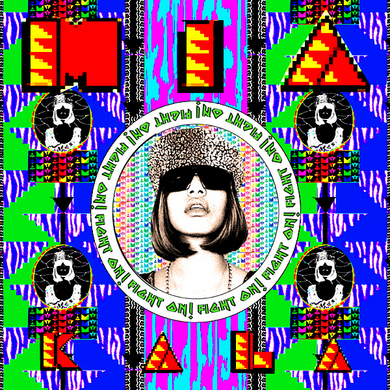
I AM M.I.A. HERE’S ME RAW

FOREWORD: M.I.A. reached the pinnacle of success in ’08 when “Paper Planes,” a nifty cut ‘n paste club track with well-placed gunshot sound affects (from her second album, Kala) made MTV and radio playlists. She received great exposure at Bonnaroo Music Festival, but told a friend of mine she was sick of being harassed during passport checks because of her fathers’ affiliation with controversial Sri Lankan freedom fighters. She’s since then taken a sabbatical and became a mother. This article originally appeared in High Times.

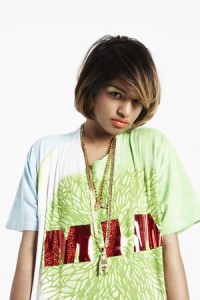
Gifted Sri Lankan refugee, M.I.A. (a.k.a. Maya Arulpragasam), faced savage bloodshed, racial tension, and hurtful injustice her entire life. But that heartbreakingly scandalous turbulence only provided serious ammunition for the foxy dark-skinned artisan. Alongside her mother, M.I.A. fled to England’s lower class council estates at her renegade father’s insistence, escaping the war-torn village of Tamil for the less violent segregationist subclass of London’s bleaker poverty-stricken Surrey section.

Graduating from prestigious Central St. Martins College, where she studied film and created graffiti art, M.I.A. soon acquired a cheap ‘80s-derived Roland TR-505 beat machine and began to cut ‘n paste minimalist dub-styled dancehall-related hip-hop while reluctantly becoming an exotic fashion plate.

M.I.A. received underground praise, then worldwide recognition for exhilarating multi-culti electroclash playground rhyme, “Galang,” the highlight of 2005’s compelling Caribbean-accented Bollywood-styled debut, Arular. Based around acid-soaked “purple haze” adulation and stocked with dazzling synthesized bleats, beeps, and bleeps, the kitsch-y “Galang” secured a knee-slapped stutter-stepped chug-a-lug pulsation merging varied global genres.

Born in the United Kingdom and raised in Sri Lanka then nearby India, M.I.A. appropriated the nickname of her protectionist father as album title fodder. A militant guerrilla battling majority Sinhalese Buddhists as leader of the autonomous Eelam Revolutionary Organization, he thereafter aligned with the larger secessionist Tamil Tigers sect of northern Sri Lanka, fighting for equal rights while resisting unfavorable federal settlements oppressing his native Hindu minority for decades. Resorting to roadside suicide bombings and other violent acts, their vicious terrorist tactics counteract the inequity of heavy-handed government enslavement.

Unlike radical Islam, the Tamil Tigers fight for sovereignty and independence, not tyrannical subjugation a la wrongheaded fundamentalist gangland murderers in the Taliban. However, the controversial Tigers broke a 2002 cease-fire agreement, launching a few deadly air attacks on the military from M.I.A.’s hometown of Jaffna, blowing up a civilian bus, and bombing Sri Lanka capitol, Colombo, in 2007 alone.

“I feel sad the Sri Lankans that make it out can’t talk about (the troubles). There’s two million military soldiers against 5,000 Tigers, which is now only 2,000. Something’s seriously wrong,” M.I.A. insists. “The week I got my graduate certificate from art school, someone said my cousin, whom I’d copied off in school, was dead. It was devastating. In England, I was able to live a different life. I can complain about stupid shit like Playstation and my shoes in London. But I wanted to make a connection between the apathy I was feeling in England and what (my peers) in Sri Lanka go through. If you shoot to kill people wearing black, a supposed terrorist color, on suspicion, the murderer doesn’t need to be brought in on. You weren’t allowed to wear khakis, leopard-tiger prints, Puma shirts.”

M.I.A. attempted to enlighten the outside world about the subjugation and repression witnessed via a firsthand documentary, but fearful ultraconservatives lynched the anticipated film while absurdly aligning her with terrorist uproar.

“When I went back they said my cousin was a vegetable in a refugee camp. Some said he was married to a Sinhalese girl and defected. I found that every Tamil family had those stories. You never find the body and it’s hard to exorcise from your life,” she admits. “Under oppression, you have no future. I was constantly harassed by police. I had to register at police stations just to get a hotel room. Tamil people are lined up like herds of animals in 100-degree heat in dirt. The army empties their goods into mud and the babies are all gonna be dead by age five. They were disposable. It felt horrible. The Tamils are banned from census reports. The government could wipe out the whole race and there’d be no account. If you’re talking about terrorists, the group is as good or bad as the government they’re struggling against.”

M.I.A.’s combative Cockney-cadenced lyrical discontent contrasts Arular’s primal upbeat sway and crackling tropical riddims. Sure-handed Philadelphia DJ, Diplo, her old flame, provides a few stomping beats and talented collaborators. Swarming robotic reggaeton rumble, “Bingo,” tribal quick-spit protocol, “Sunshowers,” and redemptive jump-roped woofer-blasting alarm, “Fire Fire,” are armed and extremely dangerous missives. On “Bucky Done Gun,” faux-trumpets anticipate a bloody skirmish. Despite Arular’s overwhelmingly confrontational theme, static-y club-banging anthem, “Pull Up The People,” seeks uplifting proletarian liberation. Sirens, laser zaps, steel drums, traps, toms, and tape-looped samples gird the elementary arrangements. A tone-deaf wild child with no prior musical skills, the scrappily resourceful M.I.A. startlingly became a universal superstar.
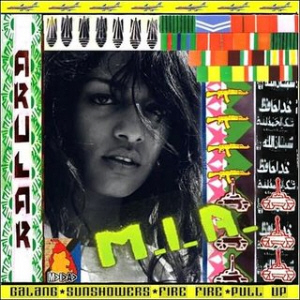
“What I did with Arular was a test with a bunch of questions that came from all angles – the media, immigration, the government, certain magazines, and television stations. I had to have consequences and side affects,” she explains. “Sri Lankan Sinhalese rioted at venues where I performed. They tried boycotting. I got hate mail. I’m not doing this to be ignorant and precious or angry and negative. It’s interesting to see the edges of these problems. I’ve seen Sri Lankan monks killing people and children. How do you allow it to go on? I went to British, Christian, and Hindu schools. The army would come down to the Tamil convent (I attended), put guns through holes in the windows and shoot. We were trained to dive under the table or run next door to English schools that wouldn’t get shot. It was a bullying exploitation.”

M.I.A. initially found her groove after finishing college while vacationing on tiny Caribbean island, Bequia, where Gospel music and Diwali jungle rhythms piqued her interest. She had no love for pop and dismissed punk because of its skinhead association, but started assimilating her newfound Carib influences with the underground rap infiltrating Surrey’s poorest populace.

“I went to Bequia with a friend who wanted to get away from hard times,” she recalls. “I started going out to this chicken shed with a sound system. You buy rum through a hatch and dance in the street. They convinced me to come to church where people sing so amazingly. But I couldn’t clap along to hallelujah. I was out of rhythm. Someone said, ‘What happened to Jesus? I saw you dancing last night and you were totally fine.’ They stopped the service and taught me to clap in time. It was embarrassing.”

Then, she got stoned at night and wrote swaggering rogue flaunt, “M.I.A.,” procuring the appellation as stage name and dedicating it to her former London gang association with Missing In Action.

“I’d never smoked weed,” she admits. “At the time, it helped kick-start and focus my obsession with music. But it’s not productive if you’re completely reliant on it. I’m constant – the same high or not.”

M.I.A. adds a small disclaimer, “Getting high is like losing control and these days women have too much on their plate raising kids, working, looking good, being on MySpace.”

Then again, she’s onboard for marijuana reform and legalization.

“Going to the Caribbean the first time, it was like Sri Lanka without the war and ugliness -real beautiful and natural. People were chill, no stress. If weed makes people passive, content, and happy, it’s fine. Of course, America has the best weed. In England, it’s garbage. No one takes time to cultivate the land. Besides, the sunshine’s better in America.” Furthermore, she claims, “I did a show on mushrooms in Japan. Thought it was the best show I’d ever done, even if it wasn’t the case. It was amazing. I felt like laughing the whole time as lights were going around and it got real trippy. Everything felt like it was going in slow motion.”

Dropping much of the political rhetoric on her equally fine ’07 follow-up, Kala (named in honor of her mother), M.I.A. still effectively sods Indian-induced hip-hop culture with British grime, a vogue urban two-step garage styling Dizzee Rascal and Wiley made famous. Jumpy Jamaican jostle “Hussel,” beeping nursery-rhymed romp “Boyz,” and clanging rampage “Bamboo Banga” (which hijacks Jonathan Richman’s classic cruisin’ rambler “Roadrunner”), deal more with the politics of dancing than war.

M.I.A. offers, “Arular was immersed in politics. It was on the street corner and t.v. I was outraged. This time, I had to work out where I was. Did I wanna be a pop star or an artist? There are so many options. That’s the downside. I had to find a place that gave me more space to grow. People are wrong to judge me as someone who’s shoving a manifesto in people’s faces and say ‘live like this.’ We all saw Saddam Hussien hung on U-Tube. People have seen how that situation panned out. I thought it was important to teach people to find balance in their life. Find happiness in what’s around you. I’m on the verge of being a super-Americanized version of a musician, but I could’ve stayed humble, got married, had kids, and say I’ve done it once, why try again?”

Perhaps the forthcoming apocalypse could be put on hold, as the carousing Kala truly gets the party going in a ceremoniously footloose manner. She celebrates ecstasy-laced rave culture on the bustling “XR2,” cunningly inquiring ‘where were you in ‘92/ took a pill/ had a good time.’

“An XR2’s a shitty hatchback Ford and the easiest car to break into. All the kids I hung out with back then were in little gangs that fought. One gang had an XR2,” she says. “We were the first ones to break out of the stupid-ness and the violence and started going out to parties and raving. We were more into music, dancing, fashion.”

This type of bohemian brevity won’t solve the planet’s staggering tribulations, but its escapism is absolutely addictive.

Though she may remain skeptical about with the Tamil Tigers fierce fanatical intimidation, M.I.A. understands how difficult and tricky the Sri Lanka situation still is, especially since juvenile labor and child soldiers continue to exist.

She concludes, “My work constantly opens minds for debate on the Tamil Tigers. What makes good and evil? I felt uncomfortable broaching it. People won’t give me the benefit of doubt. If you’re a citizen and get shot or bombed, you should be able to tell anyone if you have a microphone in your face. Politics of war changed the course of my life. I’m eating a burger talking to you, but I could’ve been in Sri Lanka with eight kids running an electric shop selling t.v.’s and baking cakes for neighbors. But I’ve come this far. If you care about the issue of child soldiers, look towards Africa. Every other soldier’s a child. Every country has these rebels popping up. The Brits fucked up the Tamils, who were smart, educated, middle class civilians. When the Brits gave power to the majority Sinhalese, they made the Tamils’ laborers and farmers. In Jaffna, we had electricity. Eelam, my father’s group, came out of that. They’d been abroad, knew international politics, theology, and had a manifesto. They were into non-violent protest. But the Tigers wouldn’t have it. Their kids, moms, and grandparents were butchered. They had no arms or ammunition. They had sticks, stones, and knives, objects used to cut fish. My dad’s group was outnumbered. That’s how the Tigers became the biggest representatives of the Sri Lankan struggle.”

Happily, M.I.A. has overcome many arduously complex and frightening circumstances to develop into one of the choicest young artists in contemporary music. She’s candid, intelligent, liberated, opinionated, strong-headed, and raw – a proven commodity in a wearily wired world.

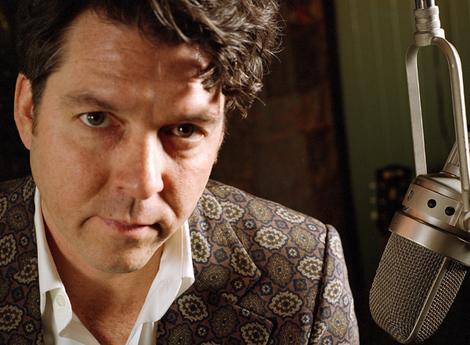
JOE HENRY’S HEARING ‘TINY VOICES’

FOREWORD: I remember Joe Henry getting his new silk shirt burnt by the ashes from an incense stick at Southpaw in Brooklyn during my interview. He was not amused but at least thanked me for letting him know I saw it happening. Anyway, Henry’s been on the cusp of fame for years. He married Melanie Ciccone, Madonna’s sister, who thankfully convinced the enduring bard to give the pop superstar, “Don’t Tell Me,” for inclusion on her fabulous Music LP. I bet that song’s made Henry more money than his entire output. ‘07s excellent Civilians was followed up by ‘09s passionately mesmerizing Blood From Stars. This article originally appeared in Aquarian Weekly.

As singer-songwriter Joe Henry stands at the foot of Brooklyn’s Southpaw stage, guitar slung to the side before performing another fresh Tiny Voices track, he calmly quips, “I thought this song (the urbane “Flag”) was too political, but my wife said, ‘Your songs are so obtuse, no one will notice.’” The mostly seated audience politely chuckles, then afterwards give the seasoned rhapsodist resounding applause, beckoning him for a merited encore following a perfectly poignant stream of distended hymnal odes flaunting sundry emotional angles.

Though neither overtly political nor outlandishly askew, Henry’s expansive oeuvre does reveal an oblique Bob Dylan influence. At age eleven, his older brother traded a Steppenwolf album for Highway 61 Revisited. It was a galvanizing moment that spoke to him instantly. A fearlessly creative troubadour residing in Los Angeles since ’90, Henry found initial acceptance while living in New York City when his earliest demos were pressed to vinyl as Talk Of Heaven by Profile Records (a local label branching beyond rappers Run DMC).

“I’d always been infatuated with music. I grew up in the South listening to Dusty Springfield, Ray Charles, Johnny Cash, and Buck Owens. At seven, I obsessed over Glen Campbell doing Jimmy Webb songs. “Galveston” was the first 45 I purchased,” the eager maestro shares. “My parents had a great appreciation for authentic Country, but they never went out to find it. They were incredibly hard working – not people of leisure. The only three records they had were Dionne Warwick’s Greatest Hits, Delaney & Bonnie’s Motel Shots – a fantastic record, and an Andy Williams’ Christmas record.”

Signed to A & M Records, Henry’s next step was to record ‘89s promising Murder of Crows. Initially conceived as producer Anton Fier’s latest Golden Palomino project, featuring ex-Rolling Stones guitarist Mick Taylor and Allman Brothers keyboardist Chuck Leavell, the set hearkened to ‘70s classic rock radio. ‘90s ensued Shuffletown pared down Henry’s acoustic moodiness for finely wrought blue-eyed soul. Firmly in charge and acutely aware of the intricacies involved with compositional construction, his tuneful signature could be felt firsthand.

“When you’re young, you think of songs as potatoes coming out of the ground fully formed, thus the idea where someone is treating a song, producing it, and giving it a sonic perception becomes reality later,” declares Henry.

Hooking up with prestigious alternative Country band, the Jayhawks, the re-stimulated Henry’s melancholic hopefulness invigorated ‘92s widespread breakthrough Short Man’s Room and its battle-scarred follow-up, Kindness Of The World. Through a hazy ominous daze, his intimately reedy baritone rasp poured out wounded sentimentality, intuitively forecasting ‘all news will be good news from now on’ during the deeply felt pedal steel-mandolin-fortified “Fireman’s Wedding.”

About the prophetic merger, Henry recollects, “I had lost my A & M deal and the Jayhawks were between labels. It was a marriage of convenience. They lived in Minneapolis where there was a serious, disparate music community including the Replacements, Soul Asylum, and Twin Tone bands they felt part of. They approached music as a band, but I was touring for Shuffletown, which featured Jazz artists Don Cherry and Cecil Mc Bee. I found it hard for the Jayhawks to play those songs. They didn’t fall into their bag very easily. The songs were claustrophobic onstage while their thing was loose and open. So I tried to do something that was authentic to them and wrote Short Man’s Room as an idea of working within a bands’ mindset.”

Recruiting Page Hamilton of metallurgists Helmet for ‘96s broad abstraction Trampoline furnished Henry’s drifting lovelorn dirges with tremolo-ensconced dissonance and symphonic drones.

Henry admits, “We were both Miles Davis freaks. Helmet had opened for Henry Rollins at L.A.’s Olympic Theatre and he had great midtempo and slow grooves reminiscent of Miles’ electric period. I thought to invite him onboard would give me a whole new perception and he responded in a way that was authentic to him.”

By ‘99s loop and sample-aided Fuse, he convened with respected producer Daniel Lanois to appease a growing fan base heeding every whim.

“The songs wouldn’t arrive as they have if I was thinking in a fully Country lexicon. If those were the only colors in my palette I couldn’t write the way I do now because there’s no context for them,” he observes.

So despite retaining his contemplative maudlin tone on distant abstruse dreamscapes, Henry moved forward once again for ‘01s eloquent Scar, enlisting Jazz icon Ornette Coleman to blow free form sax above the wearily morose opening profile “Richard Pryor Addresses A Tearful Nation” and an unlisted bookend solo excursion. Aiming past the boundless confines of modern folk flirtation with help from ‘jazzbos’ Brad Mehldau and Marc Ribot, Scar gained critical plaudits but confused eager minions readied for acoustic retreat.

Henry ascertains, “It’s been many years since I’ve played anything pre-Trampoline onstage. Those songs don’t lend themselves to the interpretation I’m interested in now, which is why my writing style has shifted some. I’m looking to write songs that are more open with fewer chord changes, not constricting musicians. My records may not be connected in a linear way, but the thematic point of view should come through like a movie.”

Still enamored by the vast breadth of improvisational spontaneity, Henry signed to burgeoning indie Anti Records, securing esteemed clarinetist Don Byron and limber trumpeter Ron Miles for ‘03s deviously genteel Tiny Voices. His compellingly dreary lamentations desolately flutter in the wind with David Palmer’s languid piano ripples and overcast orchestral compensation richly adorning understated metaphoric ambiguity. An atmospheric lull befalls the transcending title cut, the crestfallen “Sold,” and the somber “Animal Skin.” A murky midnight gloom worthy of Tom Waits affects “This Afternoon,” a temperate soulful saunter that’d fit comfortably alongside lowdown alt-rock drones Lambchop, Tindersticks, and Nick Cave. Henry’s most dramatically elliptical utterances complement the relaxed groove.

Concerning his keen lyrical propensity, Henry insists, “Lyrics have never been a sidebar. I’ve always taken them very seriously and I’m a savage self-editor. I enjoy that stage of writing when a song has identified its character enough so you could step away. It’s not gonna evaporate, but it’s still viscous and pliable.”

As for the Jazz-informed meditations consuming Tiny Voices, he surmises, “I have a great love for Jazz, but I’m not trying to make Jazz music. I’m trying to incorporate certain Jazz tonalities because I appreciate those colors and that approach to freedom. When rock started, Little Richard made records when this was a maverick industry. It wasn’t so cut and dry. Look at The Clash, they improvised within the structure of a song until it gelled. That’s how Jazz players used to work, though they frequently don’t anymore.”

Besides his own work, Henry produced Soul legend Solomon Burke’s triumphant ‘02 comeback Don’t Give Up On Me and wrote his famous sister-in-law Madonna’s hit single “Don’t Tell Me.”

“I wanted Solomon to be a bandleader with his big voice,” he says of Burke. “Initially, he was spooked by how exposed his vocal was. He was used to chicken scratch R & B guitar, not acoustic guitar – which had a different function. I stuck to my guns and kept it immediate and raw.”

But his most lucrative payday came when pop diva Madonna struck gold with Henry’s “Don’t Tell Me.”

He concedes, “It was written quickly and dashed off in a half-hour. I listen to tons of Sinatra so I was working it in a Classic standard way. She responded to it instantly. I certainly didn’t think it would be a single. I thought it was trivial.”

As for future endeavors, Henry shockingly concludes, “I’d like to work with (hip-hop trailblazer) Dr. Dre. I think he’s bad ass. I’d be curious to see what he’d do with someone like me.”

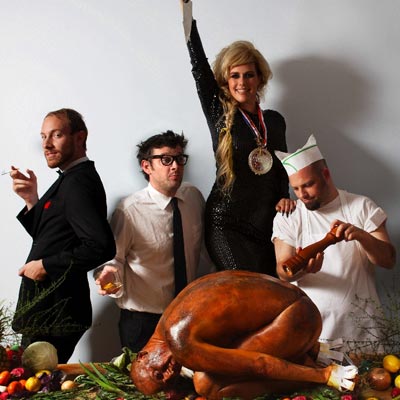
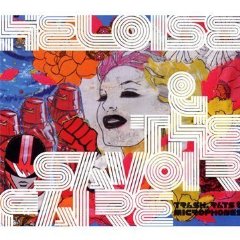
HELOISE’S SAVIOR FAIRE GOES EVERYWHERE

No one expects a Jazz-affiliated ex-Phish associate to come out of leftfield and set the underground dance community afire. Yet it’s glaringly apparent now that a very astute, literary-minded vocalist who’s a tad edgier than her booty-shakin’ contemporaries has accomplished just that. Bristling with nervous energy and readily causing a commotion, this seasoned starlet continues to gain notoriety via exhilaratingly action-packed gigs.

Buxom Amazonian bleach blonde, Heloise Williams, intriguingly bolsters ‘80s-derived new wave and ‘70s-styled disco by plying powerful pipes to multihued arrangements, reckoning the past with an over-the-top frivolity indicative of raunchy electronica chum, Peaches (whom she once chauffeured and body-guarded). Accordingly, every deviant nut job in her loosely twisted ensemble, Savior Faire, boasts a distinctly off-kilter personality – some more so than others.

As we squeeze all six members into my ’99 Lincoln to chat, I’m convinced there’s tremendous camaraderie holding these half-dozen sassily sharp scruffs together. Heloise (ex-Viperhouse) moved to Brooklyn a few years back, doing local shows at trusty downtown venue, Don Hills – singing, manipulating a laptop computer, and doing waggish dance routines with lubricated Vermont pals Joe Shephard and Sara Sweet Rabidoux (proprietor of erstwhile modern dance company, Hoy Polloi). As a sidebar, it’s worth noting multiethnic gypsy punk comrades, Gogol Bordello, have similar New England nurturing and dual dancer setup, though totally different musical approach.

Soon, Heloise brought boyfriend, guitarist James Bellizia, into the fold alongside early fan, lanky drummer Luke Hughett, and bassist Jason Diamond. Meeting Diamond (an incipient guitarist) through Elijah Wood (Lord Of The Rings/ Everything Is Illuminated) proved fruitful when the famed actor decided to launch Simian Records. In conjunction with Yep Roc Records, Heloise & the Savior Faire released their powerful ‘electro-rock’ debut, Trash, Rats and Microphones, on Wood’s new-sprung boutique label early ‘08.

Though initial live performances included chewed-up covers of disparate material by the Tubes (“White Punks On Dope”), Roberta Flack (“Feel Like Making Love”), AC/DC (“For Those About To Rock”), and Britney Spears (“Toxic”), these couldn’t better the sexed-up originals Heloise promptly build a small catalog around. Set changes, stage props, and kitsch-y clatter further characterized and elevated the eccentric sextet. And Bellizia’s rock solid New Order compulsion nicely thickened the finest efforts.

Despite the murky sound system bogging down Lower East Side club, The Annex, Heloise & The Savoir Faire took the totally bitchin’ crowd on a romping joyride through the urban dancehall jungle. I shortly hung out beside foxy Gogol Bordello dancer, Elizabeth Sun, as the colorful troupe began enthralling the sardine-packed patronage with rip-roaring coital fugues. Illuminating the stage with daring sexual prowess far removed from her tertiary Phish swish, Heloise’s lascivious rhymes and slyly promiscuous mannerisms challenged archetypal politics of dancing. Dangling impudent innuendoes atop catchy-as-fuck dance-rock (and ancillary orgiastic mantras), her lone cat moans and queen bitch quavers killed the fanatical audience ‘til friskily febrile finale, “Givin’ U The Bizness,” reached maximal white soul strut integrating ravishing pale-faced damsel Annie Lennox with swaggering blaxploitated diva Tina Turner.

The flamboyant Shepard, wearing gay pirate apparel and bandanna, worked in casual Casio tones and scant backup vocals when not gyrating hips like a frolicsome warlock. On the opposite side of magnanimous goddess, Heloise, erotic emissary Sara Sweet (whose swiveled Egyptian belly dancing ruled) sashayed as if she was a darlingly kittenish nymph. Wearing heavy mascara, eyeliner glaze, and flashy makeup, the extravagantly tattered frontline shimmied and shook – utilizing syncopated steps, fluttered arm gestures, and oddly flippant affectations. Heloise randomly donned a sparkling metallic sequence top and raccoon shawl during the eye-popping 50-minute set. Behind the fearsome threesome, Diamond laid down funky Larry Graham-inspired bass lines suited to Hughett’s leathery discotheque percussion while guitarist Bellizia rendered randy power chords. Bellizia and Hughett acknowledge Gang Of Four as stylish influences and oft times it’s revealed. Bellizia, peculiarly a big fan of ‘60s folkie Bert Jansch, also takes inspiration from Talking Heads’ snazzy ’80 classic, Remain In Light.

Born in Boston’s Beth Israel Hospital to British parents, Heloise lived in Minnesota as a youngster, moving back east to attend Middlebury College for literary studies. Yet it’s doubtful the future versifier learned to craft provocatively libidinous lyrics during scholastic English.

“I was an aspiring poet,” Heloise recalls. “I worked from anger. I’d wonder, ‘Why am I so mad?’ Then I’d write. But I want to make it sound like candy and let kids learn in a weirdly obtuse way.”

Subsequently, she was in formative Vermont-based Jazz bands ‘warbling Mingus, Monk, and Sun Ra.’ Then, Phish guitarist Trey Anastasio recruited the enthusiastic lass to sing at concerts and on ‘98s Story Of The Ghost.

“I couldn’t turn that down,” she admits, prior to divulging, “I’d always enjoyed Joni Mitchell and hoped I’d be able to learn to compose. But I can’t put as many words to a song.”

“She also liked Prince,” interjects Sara Sweet, “I was thinking the other day, Heloise’s lyrics are set apart in an artistic scholarly way like Beck’s crazy stories. How she describes dreams. The ‘do me’ lyrics aren’t pretentious. She doesn’t cram views down your throat.”

But Heloise need not always rely on insidious roundels. Opening Trash salvo, “Illusions,” nostalgically summoning Romeo Void’s fleshy come-ons and punk icon Siouxsie Sioux’s hiccuped delivery, sneers at cringe-worthy music biz sleaze. Ruptured bass, staccato drumming, and squiggled bleating electronics coil Heloise’s revelatory snip: ‘It’s all smoke and mirrors in a house made out of cards.’

“We’d been courted by record labels. It was all cheese-ball disillusionment,” elucidates Heloise. “We went to Japan and this big label guy was such a messed-up alcoholic we were actually taking care of him. Could you imagine that? The labels were promising shit and not following through.”

Furthermore, posh metro nightclub snub, “Members Only,” cattily deposes self-centered snot-nosed weekenders, the worst kind of crassly curmudgeon conformists sojourning Manhattan’s arrogant poseur scene.

Heloise explains, “I’d just moved to New York and there’s a giant club, Exit. I was in a huge line. People around me thought I’d cut in front. I was like, “I’m sorry. I don’t know where my friends are.” They said, ‘I could see why they want to lose you ‘cause you’re a loser.’ They were super-cool Williamsburg kids who were so mean. I was crying. So I got in the club and it was full of people not having fun posturing and posing for each other trying to be cool. No one was laughing.”

When corroborating about poseur gals having rusty pussies from underuse, the entire group chuckles. Then Heloise goes into a story ‘bout Southern boogie tilter, “Po’ T,” a.k.a. ‘poor thing,’ being based on a spring break trip to Mobile, Alabama, with a high school buddy and her hook-armed ex-marine father sailing the Gulf of Mexico.

“We met this kid, the youngest of twelve children, got drunk, played with guns – scary stuff. We were super-wasted on wine coolers. So “Po’ T”’s imaginary lyrics are wistful.” Heloise then reflects, “I had terrible cold sores and didn’t get to make out at the officer’s club doing karaoke.”

I obnoxiously counter, “Did the hook-armed father try to finger you?”

Heloise nods no, but without missing a beat, Shepard opines, “That’s how underused pussies get rusty.”

Duly note that Shepard’s hilariously gregarious. Upon latently entering my car, he interrupts the conversation with scandalously juicy gossip: “There’s a giant gay guy down the street running through a hallway yelling, ‘I’m a fucking faggot. I just broke up with my boyfriend and I’m really emotional right now. I’m sorry!’ Poor guy. Who’s gonna suck his dick?”

Jokingly, Sara Sweet bellows from the backseat, “I will!”

Such is life for this jocularly juvenile thirty-something assemblage whose curvaceous singer recently impressed chic punk, Debbie Harry, so much she ended up purring the Eartha Kitt epilogue on rumbling retro-disco anthem, “Downtown.” It seems the renowned Blondie front woman gave her seal of approval to Heloise at a Knitting Factory show where fashion designer Todd Thomas acquainted the two flaxen felines.

Getting back to Trash, the ecstasy-laced existential exploration, “Disco Heaven,” with its computer-generated voicing and typical spanking two-step disco beat, inhabits a blissful Shangri-La wondrously denigrated by scintillating metal guitar- razed car tune, “Datsun 280Z,” where Heloise assents to ‘grinding my gears down there.’

“That’s about sex in the car, driving fast around corners,” she says candidly. “Put your hand on that stick shift and grind those gears. Then you need to be re-virginized.”

Whatever.

Elsewhere, timbale lends a Latin feel to horn-y party jam, “On Fuego.” Burbling keys deluge buzzing shuffle “Pick ‘n Choose,” a savory li’l confection. Closing Euro-clashed rave, “Odyle,” finds Heloise emphatically yelping and pleading with an overwrought aggression R & B vets would relish.

“My high school director had me do Aretha Franklin’s “Respect.” I thought I couldn’t, but he thought I had the personality to pull it off,” Heloise informs before solemnly concluding, “I should return to vocal lessons. I need to learn how to warm up and cool down, especially if we do a lot of shows in a row.”

“Yeah right,” ball-busting brat Shepard quips. “Vodka up, vodka down’”

PJ HARVEY CURES ROMANTIC INDIGESTION WITH ‘UH HUH HER’

Image result for PJ HARVEY

FOREWORD: You know what – fuck the powers that be for not letting me get an interview with enigmatic British singer-songwriter PJ Harvey. The imbecilic jerk-offs at her record label only gave limited access to soon-defunct magazines like Spin, Rolling Stone, and Blender.

And all those antiquated rags wanted to do was paint her as a shy passive-aggressive bitch. When ‘04s amazing Uh Huh Her came out, I spent many hours on vacation at Sunset Beach, North Carolina, going through her back catalog to assemble the following piece. I’ve put this piece under the ‘interview’ section despite never having spoke a word to her. Live with it. This article originally appeared in Aquarian Weekly.

By the way, PJ Harvey’s crowning achievement may’ve come in 2011, with the release of her most compellingly political statement, Let England Shake. Showing remarkable restraint and subtle eloquence, she adds sax and zither to the guitar-etched war-torn sketches. Its bewitching title track invokes Eastern mysticism with its disquieting xylophone. But it’s the dirgey graveyard sentiments of flatulent sax-aided “The Last Living Rose,” the bleary-eyed death marches, and woeful balladic reminiscences such as “On Battleship Hill” that really squeeze every ounce of passion out of the lanky diva’s thematic, anxiety-filled, 12-song war protest. A muted cavalry horn sounds off during anti-war mantra, “The Glorious Land.” Like early rocker Eddie Cochrane spewed in “Summeretime Blues,” she’s gonna take her ‘problem to the United Nations’ (from “The Words That Maketh Murder”).  

Alongside modern Buffalo folkie Ani Di Franco, Chi-town post-punk lynchpin Liz Phair, and audacious riot grrrl Kathleen Hanna (Bikini Kill/ Le Tigre), Britain’s bewitched white Blues brooder Polly Jean Harvey represented early ‘90s female independence. Fearlessly taking the initiative to compete against testosterone-fueled counterparts, they altogether left bold signature marks on the next generation of lauded lasses.

Igniting outrage, passion, and fury, each sturdily determined maverick indirectly helped autonomous Lilith Fair matrons and defiant lesbians Melissa Etheridge and the Indigo Girls gain accessibility on a grander level. Unlike hypocritical Kurt Cobain siphon, Courtney Love – an unstable contemporary accepted, then rejected by Hollyweird – these individualistic femmes retained conviction and reluctant sex appeal, savoring romance without becoming condescending drug-addled control freaks or domineering bitches.

But while Di Franco now simmers underground in political purgatory, Phair glimmers aboveground crafting questionable pop toss-offs, and Hanna shimmers in urban funk dirt, PJ Harvey hovers steadily overhead in a more linear rockist fashion. Her curious indiscretions, unnerving erudition, and naked emotionalism marked the desolate urgent rumblings of a youthful, naïvely liberated Brit on the cusp of brilliance.

As blurred and unguarded as its tit-garbled front cover, the former art college students’ idiosyncratic ’92 debut, Dry, hurled wounded epistles at unspecific lovers. Fulfilling its titular prophecy, acrid instrumentation and tart retorts belie this veritable masterpiece. The workings of a dark, oppressed, paradoxical temptress not beholden to steadfast rules, Dry’s vicious spitefulness and hostile responsiveness express desperate vulnerability without sacrificing bitter righteous indignation. Although Harvey’s penchant for woeful regret and haunting anguish may relate inner fears and frailties, those aching feelings only tend to make her more determined to achieve freedom from male-dominated alt-rock stereotypes.

Vengeful love spurned attacks are met with painstaking reprieves best appropriated on the conflicted “Happy And Bleeding,” which stresses strong sentiments more assuredly as the song winds down. Betwixt eroticism and throbbing neuroticism wither inside the violated gloryhole of the stark “Oh My Lover,” trembling with the same seething ecstasy and pain her thunderous guitar venom injects into “O Stella.” Newfound adolescent sexual discovery elevates the subversive “Sheela-Na-Gig,” celebrating an Irish fertility goddess with excitable conversational invocations such as ‘look at these/ my child bearing hips/ look at these/ my ruby red lips’ before shouting the calamitous exclamation ‘you exhibitionist!’ at apathetic admirers.

Throughout, Harvey’s whirlwind voice hits jaunty heights, ripping apart soulful metaphors as her stinging guitar cuts like a dagger. Hurried hoe-down “Joe” splatters 6-string sparks in every direction while violin glissando spears the meandering retrenchment, “Plants And Rags.” Lurching lustily like punk godmother Patti Smith, she valiantly maintains the feisty feminist froth of Chrissie Hynde.

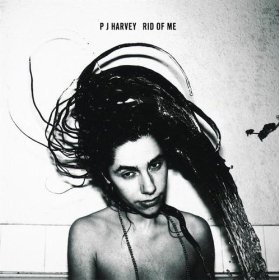
‘93s equally compelling Rid Of Me preserved the destitute primitivism and pensive moodiness of its predecessor. Its distinguished title track goes from seductive whisper to vehement scream as lone guitar, kick drum, and buzzy bass saddle the daringly insinuative refrain, ‘I’ll let you lick my injuries.’ “Legs’” implosive wails, “Man Size Sextet’s” Classical rails, and “Yuri-G’s” curdled entrails endow Harvey’s quivered salutations, feisty pleads, nagging howls, and whiny screams. The itchy “Rub Til It Bleeds” and the Tarzanian jungle-beaten “Me Jane” capture the dichotomy between difficult self-reliance and mired subservience. An obscure remake of Bob Dylan’s “Highway 61 Revisited” merely touches the surface of her poetic influences. But it’s the brazenly claustrophobic “50 Ft. Queenie” that highlights this scintillating set, as its ravished banshee moans may’ve inspired Yeah Yeah Yeahs no wave anti-fashion derelict Karen O. as well as a host of lesser (known) talents.

The sparer 4-Track Demos, rough drafts of Rid Of Me’s investigative Steve Albini-produced interrogations, adds the siren “Reeling,” the mobile “Driving,” the contemplative “Hardly Wait,” the swooping “Easy,” and the jittery “M-Bike” to eight previously unleashed originals. Defiantly tossing aside grungemeister Albini’s sludgy Melvins/Mudhoney-smudged soundboard, Harvey, still employing bassist Steve Vaughan and drummer Robert Ellis, proves her worth in salty pre-interpretations.

By ‘95s alluring respite, To Bring You My Love, the cynically luring diva uses schizoid confessional psychodramas to soothingly combat therapeutic resignation. Co-producers John Parish (whom she worked with on his bedeviled Dance Hall At Louse Point) and Flood (U2/ Nine Inch Nails/ Depeche Mode) join Pere Ubu keyboardist Eric Drew Feldman to nurture Harvey’s traumatic expositions with defiantly bristling tension. Playing the part of an ostentatious chanteuse, she routinely takes on various dispossessed caricatures. The fuzzy bass-boomed “Down By The Water” becomes a whispery parable of relinquished innocence, demanding an unnamed ‘big fish’ to ‘give me my daughter.’ It’s the perfect maternal setup for the distantly groaned dirge, “I Think I’m A Mother.” Persuasively suggestive, “Working For The Man” begs for salvation. Still trying to come to grips with the reality of abject sexuality, the flawed personalities herein developed suit the shady lady imagery she so enticingly projects.

Though ‘98s Is This Desire? sessions with Flood were initially halted halfway through two years hence, its agonizing anxiety seeps deep into perdition. Whereas preceding endeavors took flight in a chaotically oblique semi avant-garde manner unrestricted by trendy musical whims, this divergent venture surrenders to chic witching hour noir just left of Stereolab and their vogue post-disco ilk. Despite leaning closest to mentor Patti Smith’s constrained drowsy ballad styling on the lovely “Angelene” and ominously whimpering like a slithery torch singer through the lounge-y exotica of “The Wind,” lightly glazed techno-Industrial embellishments adorn mostly lulling arrangements. The ethereal drear drifting across “The River” slips into a languorous abyss, summing up this extremely vexatious experience best heard on a dank night cold and lonely.

Immediately, ‘00s quintessential Stories From the City, Stories From the Sea shifts away from the shattered dreamscapes of Desire, de-emphasizing lambasted leftover electronica derivatives for the vibrant guitar jangle of dynamic opener, “Big Exit.” The monumental angular guitar anthem, “This Is Love” (perhaps Harvey’s crowning achievement), and the strolling “Good Fortune” nicely dupe Patti Smith’s Manhattan renegade gypsy persona. The artful pop eloquence of Radiohead’s Thom Yorke bellowing below Harvey’s spoken verses on the truly resplendent “This Mess We’re In” fortifies and enhances this life affirming resurrection.

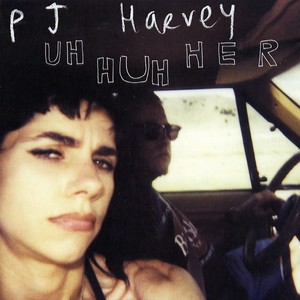
Some claim the irked petulance and cranky restlessness underlying ‘04s agitated Uh Huh Her dissects a dissolved relationship; countering the love-struck New York City parlance of Stories with confounding dread. Recorded mostly at home in Dorset, England, this latest batch of songs does more than offer tenderness on the block. The debilitating “The Life & Death Of Mr. Badmouth” temporarily cleanses her broken heart through tear-stained discourse: ‘your lips taste like poison.’ Its grief-stricken realness could be felt inside the stupefied dragged tempo and comatose bluesy mewl. On the sniping “Who The Fuck?” Harvey’s gusty guitar rifling seems informed by Nick Zinner, whose Yeah Yeah Yeahs’ partner Karen O. probably unknowingly profited from this tortured trailblazer. While “Pocket Knife” pierces like a dagger, the cataclysmic rallying cry, “The Letter,” and acidic lamentation, “Cat on The Wall,” eagerly repent. Classically arranged with percussive vibes, “You Come Through” cloaks a lipstick-traced sendoff. Wispy acoustic closer, “The Darker Days Of Him & Me,” appeals for redemption. Even though the vampish minstrel downplays the biographical nature of her musings, an undeniable sincerity surrounds these despair-ridden anecdotes.

Are my conjectures concerning this dissenting Pollyanna on the money? Should we believe Harvey’s living vicariously through the sadistic madness and voyeuristic intrigue of her grimmest songs? I doubt it. She’s too complex and delicately beautiful for that. Besides, instead of getting stuck in a loveless quagmire of self-doubt and disillusionment, this ravishingly leggy brunette keeps busy doing production work for fresh-faced singer Tiffany Anders and ageless gloomy rock dignitary Marianne Faithfull (whom she’s written a few tracks for).

Able to re-establish and sporadically re-invent her cosmopolitan image with only transient outsider assistance, Harvey remains a fascinatingly mysterious damsel in distress crosscutting obsessive carnal litanies with garish theatrical flare. Do you think Cleveland’s staid Rock And Roll Hall of Fame will redeem this iconic underground idol when the time comes? That’s questionable since the antiquated organization running the Hall of Fame has yet to confirm ‘80s pioneers Husker Du, the Replacements, the Minutemen, X, and Black Flag.

-John Fortunato

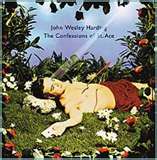
JOHN WESLEY HARDING AVOWS ‘THE CONFESSIONS OF ST. ACE’

FOREWORD: When John Wesley Harding’s debut came out, everyone thought he’d find an aboveground audience for his intimate well-sung folk-rooted pop. But he ultimately had to settle for large cult status. ‘04s magnificent Adam’s Apple (reviewed at bottom) received heightened exposure and ‘09s Who Was Changed And Who Was Dead featured veteran indie staples, Minus 5. This article originally appeared in Aquarian Weekly.

Taking his professional name from the title of Bob Dylan’s classic ‘67 album, John Wesley Harding (born Wesley Stace in Hastings, England) made his critically acclaimed American debut, Here Comes the Groom, in ‘90 (following Demon Records little known live British recording It Happened One Night).

Initially disguising his Dylanesque leanings with gorgeous mainstream arrangements and striking melodies, this Seattle via San Francisco and Atlanta transplant continued to improve his muse over five penetrating, if less revered, releases. Spanning from folk-rooted intimations (John Wesley Harding’s New Deal and Trad Arr. Jones) to pop-induced fare (The Name Above The Title, Why We Fight, and Awake), he deserves wider aboveground recognition.

While in Nashville during ‘99, Harding assembled his greatest collection of songs yet. The Confessions of St. Ace (Mammoth Records), conceived as a cryptic parable, obsesses over romantic insecurities, jittery anxieties, and karmic revelations. Borrowing characters from centuries old novels, the metaphoric “Humble Bee” immediately pricks up your ears. The delicate beauty, “She’s A Piece of Work,” and the road weary, mandolin-laced Country & Western blessing, “Our Lady of The Highway” (featuring Steve Earle on descant vocals), possess a hypnotizing, solemn sadness deepened by the majestic, despair-ridden orchestrations “People Love To Watch You Die” and “After The Fact.”

Recent touring pal Jimmie Dale Gilmore drawls “it’s just a dream” beneath Harding’s haunted mewl on St. Ace’s carousing “Bad Dream Baby.” Playfully sarcastic, the electrifying “Goth Girl” references both Bauhaus’ Peter Murphy and Nine Inch Nails to whimsical affect. Gospel organ and female backup singers add a soulful edge to the carefree singalong “I’m Wrong About Everything” and the rousing, early Elvis Costello-derived “Old Girlfriends.”

Fans should look out for the re-released versions of the former Zero Hour discs Trad Arr. Jones and Awake now on Appleseed Records (featuring extra tracks). The latter boasts a cool duet with Bruce Springsteen on The Boss-penned “Wreck On The Highway.” Also, Harding’s Dynablob Records offers his fanclub several otherwise unavailable recordings.

The Confessions Of St. Ace seems to benefit from a brighter, fuller studio sound than the recent Zero Hour discs had.

JOHN WESLEY HARDING: It’s tough to make pop music without money. New Deal, Trad Arr. Jones and Awake were recorded on a minute budget. This was done for twice the budget of all three of those. I just scrimped and saved on the others.

How does the latest disc compare to its closest companion, Awake?

The production on Awake was the blueprint for this one. “Sweat, Tears, Blood & Come” is like a blueprint for “Too Much Into Nothing” and “Something To Write Home About” is like a blueprint for “After The Fact.” I think the songs were edited better on this one. I had better songs to choose from since Trad Arr. Jones had none of my own songs on it which meant there were a lot of songs waiting around to be used.

Your singing and instrumental support seem stronger on St. Ace.

It definitely has my best vocals. A good engineer makes your voice sound good. I think I have quite a nice natural singing voice. As for the instrumentation, I was just very inspired. There were 46 songs on the demo tape and Rob (Seidenberg), who signed me for the label, had a very specific vision. He thought it was great that I made the folk albums, but thought I could reach full potential with a pop record. He thought it would fulfill my position as a songwriter and musician amongst those who think I’m cool. So off the demo, we went away from the rootsier songs and more towards the poppier ones.

What’s with the faux-concept of the fictional St. Ace character?

The whole idea behind St. Ace started with my dad. He had just translated a medieval Latin text of saints lives called The Golden Legend. One saint had his head hacked to the floor and then God let him speak one more time. It was gory and strange. My last name is Stace, so I transformed it to St. Ace. Originally, I was going to use a band name for the title.

“Goth Girl” is ridiculous fun with its tale of a boyfriend who can’t afford to take his girl to a Nine Inch Nails show.

It’s about the guy who wants to look after her and fuck her. It’s a weird Randy Newman-esque turnabout. You don’t quite know if he wants to kiss her or wipe her lipstick off. Chris Mills, a singer from Chicago, saved me on that song. He thought it was great.

Is “She’s A Piece Of Work” a first-hand account?

Most of my songs are from my imagination. Some I find very moving to sing, but they’re not lessons from my public life. “She’s A Piece of Work” is a love song that complains about someone. When I sing it live I see people relating to the lines in the song. I see them point at each other.

Why did you move to America early in your career?

The pop scene was very different in England then. Very little acoustic guitar playing was happening. I hadn’t a fucking clue what I was doing in the studio for Here Comes The Groom. My drinking buddies from Elvis Costello’s band helped out and were just dynamite. Elvis wasn’t using them at the time and they were probably pissed off.

What do you hope to accomplish with your latest effort?

I’m quite Zen about these things. The record’s a success if it’s made and it’s out. Everyone I like or admire has had a freakish career going from label to label with maybe one fluke hit. It would be great to have that kind of career Loudon Wainwright, John Prine, or Steve Goodman had. It’s only the fluky people like Dylan and Springsteen who have had long careers on one label. I’m in the extraordinary position of not having a job while entertaining people. That’s a good start. So I have a responsibility to the fans to be as real as I could without watering down my music for the lowest common denominator.

———————————————————————–

John Wesley Harding

“Adam’s Apple”

(DRT)

Talented singer-songwriter-guitarist deserves better exposure for his heartfelt folk-inspired musings. Possibly Harding’s most tuneful endeavor yet, Adam’s Apple leans on illuminating psychedelic Beatles orchestrations to paint downtrodden sentiments hidden inside demurely upbeat arrangements, though the proudly strutting “Sluts” cuts through the tension with wickedly wry retrenchment. Poised, confident, and wholly appealing, Harding may never become as popular as the namesake 19th century gunslinger, yet respect is truly due this Brit troubadour.

-John Fortunato

W.C. HANDY ALL STARS @ B.B. KING’S

W.C. Handy All Stars / B.B. King’s/ Nov. 9, 1999

Midtown Manhattan’s upscale dinner club, B.B. King’s, hosted an entourage of vital, cocksure bluesmasters, the W.C. Handy All Stars, this rainy eve. By no means a mere nostalgia showcase, these experienced performers have all been nominated for coveted Blues Foundation Awards. Most tore through a quirky, fast-paced opening jam countered by a slow, deliberate one.

As I sat back to devour salmon washed down by Stella Artois Beer, seasoned Memphis harp player/ guitarist Charlie Musselwhite soloed with a traditional 12 bar Delta Blues, a Lightnin’ Hopkins-like “Down By The River,” and a stark, desolate “Darkest Hour.” Virtuoso Rhode Island guitarist Duke Robillard then kicked out an upbeat number accompanied by Doug James (baritone sax) and Gordon Beadle (tenor sax) and a languid, down-tempo turnabout “learned from Stratocaster master Albert Collins.” A consummate showman, Robillard then teased the audience with a lowdown introspection that quietly faded into the dark recesses of this spacious club. His pained facial expressions and clenched teeth affirmed the intense, flickering moodiness as he let out gruff groans.

Joe Louis Walker stepped out for “Walkin’ Across the Floor,” decorated by Robillard’s tailgator licks and Musselwhite’s train whistle harp. A hip shaking, hand clapped boogie followed, featuring Walker’s raspy raps and a wailin’ dual sax break.

An unheralded musical pioneer inspired by T-Bone Walker, Johnnie Johnson went uncredited as a reluctant rock and roll originator in the ‘50s (co-composing most of Chuck Berry’s formidable hits). This night, the seasoned St. Louis native tickled the ivories with absolute grace. Wearing a brown suit and page boy hat, he soloed a juke joint catwalk before Robillard, the saxes, and the house rhythm section of bassist John Packer and drummer Jeffrey Mc Allister came aboard for a half-spoken “Kansas City” that showcased Johnson’s historic right hand melody. For a mood-stricken instrumental change-up, the slow groovin’ “Georgia On My Mind” preceded Johnson’s signature tune, the perky “Tangeray” (which benefited from Robillard’s sly solo and flatulent sax blurts).

R & B diva Trudy Lynn took hold, declaring, “Is everybody feelin’ alright!” The silver-haired sparkplug (dressed in tiger stripe bolero and eye-grabbing leopard-spotted gown) broke into Jimmy Reed’s oft-covered “Big Boss Man” prior to purring, moaning, and belting out a dusky medley of the risqué “Little Red Rooster” and the weathered “Stormy Monday.”

The only disappointment of the night was headliner Little Milton’s decision to milk one jazz-licked jam and a depression-bound mantra instead of relying on his awesome Stax, Sun, and Chess recordings. A hardy baritone whose astounding “If Walls Could Talk” and “Grits Ain’t Groceries” inspired the likes of Robert Cray and the Allman Brothers, Milton’s self-effacing humor and rambling confessions were fine, if a bit long-winded and exhausting.

Nevertheless, the crowd left in high spirits when the entire entourage (sans Walker) got everyone on hand to stand up, clap, and join in for the Gospel-styled rant, “Hey Hey The Blues Is Alright.” Respectfully, it was dedicated to the memory of W.C. Handy, the premier traditional blues icon.

HANDSOME FAMILY / JIM & JENNIE @ MAXWELLS

Handsome Family/ Jim & Jennie & the Pine Barons / Maxwells / Feb. 25, 2000

Chicago-based husband/ wife duo the Handsome Family offered a post-midnight Maxwells audience drifting rural folk, thrifty country-laced dirges, and surreal soft-rock ballads. Besides performing a solid hour of lonesome prairie waltzes, desperation-bound vignettes, and contemplative down home morsels, the Sparks’ kept everyone in attendance in stitches with their sharp sense of humor and scrappy Sonny & Cher-styled bickering.

Making fine use of banjo, dobro, melodica, and autoharp, Rennie Sparks filled out beau Brett’s somber acoustic arrangements. Brett’s flexible voice ranges from a deep-toned Merle Haggard-like baritone to a stately Richard Thompson-like croon. Highlights from this Friday night set included the sonic guitar turnabout, “Amelia Earhart Vs. The Dancing Bear,” and several newly waxed trax from the ambitious, delicately orchestrated In The Air (Carrot Top).

Diligently coalescing beauty and sadness with similar haunting intimacy to the Mekons’ Jon Langford and Sally Timms (whom they’ve toured with in the past), the Handsome Family continue to refine and rejuvenate their understated musings.

Beforehand, Jim & Jennie & the Pine Barons enthusiastically re-created old-timey bluegrass and rural back porch Country & Western with heartfelt assurance and an uncanny authenticity atypical for such young, fresh-faced practitioners. Within the span of a few songs, the wholesome quartet from Croydon, Pennsylvania, had loosened up fans gathered around the formerly empty spot at the foot of the stage. Huddled behind a single mike with banjo, upright bass, acoustic guitar, and mandolin, the rootsy combo broke into a few Flatt & Scruggs-like instrumental hoedowns and traditional fare by the Carter Family, Frank Wakefield, and others. The quick-paced “Hot Burrito Breakdown” (credited to the Country Gazette), a few rustic originals, and some silly between-song patter kept the set moving along briskly.

GIRLS AGAINST BOYS @ MERCURY LOUNGE

Girls Against Boys/ Mercury Lounge/ June 12, 2002

Since I last caught Girls Against Boys at a Bowery Ballroom gig a few years back, the NYC-via-DC quartet has become more visceral, assured, and compelling delivering vibrant, Industrial-strengthened post-punk seductions. Trading some of the suave, groove-oriented gloss of ‘98s Freak*on*ica for the sinister conviction and edgy tension of their belated follow-up, the bristling You Can’t Fight What You Can’t See, GVSB burst forward with a muscular sound as thick as this venue’s brick walls.

Allowing the electronic dance rock tendencies of its predecessor and ‘96s equally energetic, club-influenced House of GVSB to get kicked to the curb, the new tracks assaulted the audience like sonic reverberations emanating from a sweat-filled outer space metal lounge. At times, they seemed to be reverting back to the post-hardcore intrigue bedecking ‘93s breakthrough Venus Luxure No. 1 Baby. As usual, guitarist Scott Mc Cloud’s grainy voice had the same raw-throated grit and urgent determination Psychedelic Furs’ Richard Butler relied upon in the early ‘80s. And his sensual swagger, chiseled good looks, and comfortable stage presence quickly brought to mind Roxy Music heartthrob Bryan Ferry.

The rumbling low end of dual bassists’ Johnny Temple and Eli Janney seemed deeper and darker than ever while sure-handed drummer Alexis Fleisig increased the rhythmic propulsion immensely. But it’s the pervasive alluring sexuality, cigarette-stained lungs, and suggestive lyrical ennui of Mc Cloud that provided focus and gave this seasoned outfit a nearly unmatched emotional virility that makes girls cream their jeans and guys want to start a band.