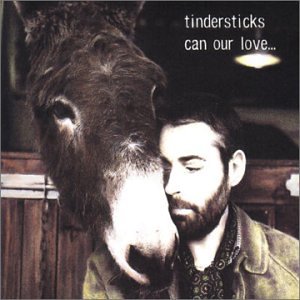
TINDERSTICKS STARKLY INQUIRE ‘CAN OUR LOVE…’

FOREWORD: Can the white man sing the Blues? If you’re Roxy Music fan, Stuart Staples, the answer is an unequivocal yes. Speak-singing in a deeply resonant baritone, Tindersticks amiable frontman takes inspiration from Gospel-derived R & B legends and blends it into his bands’ lush orchestral settings.

I originally interviewed Stuart for HITS magazine in ’97 to promote the brilliant Curtains LP. In ’01, I met the band for dinner at Manhattan’s Time Café (with my friend, Rich Farnham), to support ‘01s even better, Can Our Love… We had a few laughs, gave Stuart shit about his stoic singing voice, and made innocently tasteless remarks about passersby. In ’09, Tindersticks returned with the intriguing Falling Down A Mountain. This article originally appeared in Aquarian Weekly.
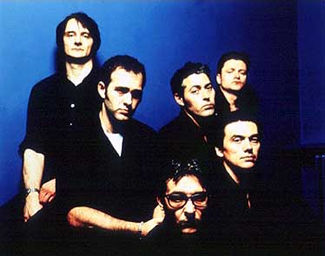
 

Already admittedly informed by brooding crooners Neil Diamond, Leonard Cohen, and Frank Sinatra, Tindersticks frontman Stuart Staples has also developed into quite a serious Soul junkie lately. Following two eponymous albums of idiosyncratic folk-inspired cabaret, sublime Jazz-noir, and stark Chamber pop, this Nottingham, England, sextet continued their ascent with ‘97s beautifully draped Curtains. But due to an expired contract with their former label, ‘99s groundbreaking Simple Pleasures (influenced by ‘60s Rhythm & Blues from the Stax/ Volt vault) never reached US shores.

Happily, the indelible Can Our Love… further explores the soulful essence of its predecessor, stepping forward with moody orchestrations inspired by ‘70s Blaxploitation soundtracks such as Isaac Hayes’ Shaft and Curtis Mayfield’s Superfly while conjuring distant memories of Marvin Gaye’s “Trouble Man,” Bobby Womack’s “Across 110th Street,” and Joe Simon’s “Cleopatra Jones.”
Staples’ equally gifted partner, violinist/ pianist Dickon Hinchliffe, provides sweeping string arrangements to morose, suspenseful fare (the sullen “Dying Slowly,” the weary “People Keep Comin’ Around,” and the almost nightmarish “Sweet Release”) and the blissful serenity of Staples’ fertile poetic lullabies (the guarded “No Man In The World” and the warm-hearted “Don’t Ever Get Tired”).

Named after the famous ‘70s Chicago R & B group, “Chi-Lite Time” lathers Hinchliffe’s viola across burbling synth and a dirge-y beat for an epic-length closer worthy of its titular auspices.

At a sold out Bowery Ballroom show in July, Staples’ low-toned, cigarette-stained baritone brought haunting melancholia and barren sadness to Hinchliffe’s sympathetic settings. Staples’ dark revelations rang true with the same emotional tranquillity, flickering romanticism, and elaborate eloquence the respected crooners he admired once had. And when he clipped otherwise lingering, stretched syllables, his artful mannerisms recalled Bryan Ferry (which felt ironic since he planned on attending a Roxy Music show at Madison Square Garden after my interview at Time Cafe the night before).

How has Tindersticks advanced musically over the years?

STUART: We keep evolving. Looking back, after Curtains we wanted to find new ways to write songs and break things down. Simple Pleasures had a certain consciousness about it.

DICKON: It was planned meticulously and was well rehearsed. But for Can Our Love… we went into the studio to see what happens instinctively.

Why choose ‘70s soul to emulate this time out?

STUART: It’s not like we went back to ‘70s soul because we didn’t know what to do. We were growing. These are very melodic songs with rhythmic appeal. Curtains was such a complicated record with great big epic length songs. The records we listened to in order to get away from that were these simple Al Green records. We wanted to find that kind of simplicity and boil down the essence of six people. The influence of soul captured a feeling. We were pushing forward and we all enjoyed making Can Our Love… But some of those songs were originally 12 minutes long and were then edited down.

Tindersticks have continued to become more unified with each succeeding record.

STUART: We started off with no technique. Now there’s more of a flow to our music. Songs like “Sweet Release” are real personal, but everyone has those feelings.

Besides the usual crooning suspects, I’ve read Neil Diamond also influenced the tormented love songs you write?

STUART: He was one of my biggest influences, but not through choice. My mother, from when I was born until age ten, listened to him, Perry Como, and Jack Jones. It also has a lot to do with my sister. She’s four years older and in the late ‘70s I got all her music. She was a Northern Soul girl. That took over after my mom’s crooners until punk rock came along.

How about you, Dickon. Who influenced your style of arranging strings and playing violin?

DICKON: I’ve been playing violin since I was young. I suppose Sugar Cane Harris was an influence and the woman who played on Bob Dylan’s Desire (Scarlet Rivera). The arrangement skills came a little later for our second record. With the first album, we layered tracks of violin and viola. Then, I realized it would be better if a lot of people played. I’ve always listened to the arrangements of Nelson Riddle, Johnny Pate (Curtis Mayfield’s Superfly arranger), and Billy Strange.

What’s with the open-ended album title Can Our Love…?

STUART: I suppose the abbreviated song title grew into the album title in order to leave it open for interpretation. We didn’t want to pin things down too much with a description.

This album nearly parallels the recent stylings of Kurt Wagner’s Southern-based band Lambchop – minus the Countrypolitan influence.

STUART: Our first albums both came out very close to each other independently. They were long, sprawling works. Then, we made Simple Pleasures at the time they made Nixon. Something is kind of happening there. I am a fan. Lambchop has done very well in England.
STEVE WYNN PROCLAIMS ‘HERE COME THE MIRACLES’

FOREWORD: I had the pleasure of meeting former paisley pop underground icon, Steve Wynn, many times in the late ‘90s and thereafter.

As a solo artist, Wynn offered a tremendous kaleidoscopic range of psych-daubed rock material. ‘01s Here Come The Miracles was one of his best and the following piece was done in support.

Afterwards, ‘03s Static Transmission hit the mark, but ‘05s even better tick…tick…tick rocked hardest. In ’07, Wynn and long-time associate, Linda Pitmon, formed the Hazel Motes. This article originally appeared in Aquarian Weekly.


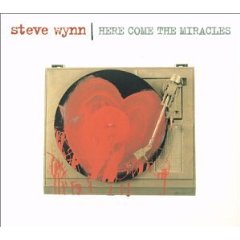
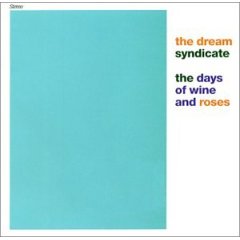
In the early ’80s, singer-guitarist Steve Wynn led the Dream Syndicate, an influential guiding light of Los Angeles’ short-lived, well remembered paisley underground (alongside the Rain Parade, Bangles, and Green On Red). On his latest solo record, the 2-disc Here Come The Miracles (Down There Records), he ventures into the past, reminiscing about Days Of Wine And Roses while maintaining a morbid view of mortality (declaring “the end of the world’s gonna be a mighty thing/ I’m gonna like the part where the angels start to sing” on the swampwater bluesrocker “Let’s Leave It Like That”).

Yet there’s a sinister playfulness and coy attitude that informs Here Comes the Miracles’ feedback-drenched “Sustain,” the illuminating rave up “Watch Your Step,” and the scraggly Dylanesque “Butterscotch.” He may not be overcome by happiness lyrically, but “Crawling Misanthopic” and the psychedelically glazed “Strange New World” inject a celebratory restlessness that adds to this stunning achievement. Helped along by Arizona desert pals such as organist/ guitarist Chris Cacavas (Green On Red), guitarist Howe Gelb (Giant Sand), and percussionist John Convertino (Calexico), plus guitarist Chris Brokaw (Come/ Codeine/ New Year) and drummer Linda Pitmon, this may be Wynn’s strongest release to date. In general, the first disc’s concise and tightly woven while the second draws outside the lines.

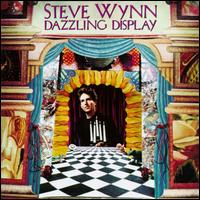
A brief history is in order. After the Dream Syndicate’s demise, Wynn surprised the underground scene with ‘90s awesome solo debut, Kerosene Man. Then, it seemed as if half the indie rock community (including REM’s Peter Buck and Concrete Blonde singer Johnette Napolitano) played on ‘92s perfectly titled Dazzling Display (which included the mysterious “Bonnie & Clyde,” featuring music written by respected ‘60s lounge-pop master Serge Gainsbourg prior to the French composers’ belated acclaim as a revered lounge-core mentor). Somewhere along the way, Wynn found time to record the hit and miss scuzz pop side project Gutterball with then-semi-popular band House Of Freaks and Bob Rupe of the Silos.

Following the hard-to-find, staid folk derivation, Fluorescent, he hooked up with Thalia Zedek’s cathartic band, Come, for ‘96s brooding Melting In the Dark. Meanwhile, ‘97s less ominous, oft-times somber Sweetness & Light and ‘99s resilient My Midnight (which sidesteps murder themes for a softer tone) were recorded for New York’s now-defunct Zero Hour Records and may be temporarily out of print.

FYI: Crime fiction writer George P. Pelecanos (who has used Wynn’s songs as imagery in print) provides an excellent publicity bio that should have been included in Here Come The Miracles’ package. But that’s all that’s missing from this awesome double disc.

Here Come The Miracles features some of the bleakest lyrics you’ve wrote.

STEVE WYNN: My songs are always pretty bleak, scraping away at the tortured souls and the confusions and internal mess. I like writing about that. I came off a solid year of touring, came out, and spent six months writing songs at home. I’ve never been the type of person who could write a feel good song like “Do Wah Diddy Diddy.” That’s not my speed. I like these freaky dark songs.

I don’t remember you writing about suicide so much. “Southern California Line,” “Let’s Leave It At That, ” and “Sunset To The Sea” deal with pain and mortality.

STEVE: You get the apocalypse, suicide, self-destruction. The Manson Family comes up on “Topanga Canyon Freaks.”

“Topanga” is one of a few songs with recurrent car imagery. “Tequila-soaked backseats” and “Thunderbird Wine.” “Sunset To The Sea” mentions a “V6 engine” that’s “gonna be the death of me.”

STEVE: Cars and trains. There’s a lot of travel themes. I wrote the songs without knowing where I’d make the record. Most songs are about California or the Southwest desert. It was only through circumstances and recommendations that I made the record in Arizona. Once I was out there, I did a batch of sun-baked desert songs. I realized I coincidentally recorded it in the same location I was thinking about. Lyrically and musically, it’s really a West Coast record.

Right. It’s sometimes a reflection of your paisley Dream Syndicate daze. “Shades Of Blue” visits the past with the familiar “Tell Me When It’s Over” guitar riff while the line “if we had our wits and traveled back in time” harkens to Days Of Wine And Roses.

STEVE: It wasn’t really conscious. I wanted the record to move forward while combining places I’d been to before. It reminds me of previous records. A lot of writing I do has been nostalgic. But I’m not one of those people who sits around under a 40-watt bulb bumming out about the past. Let’s face it, you get older and you get nostalgic more so than when you’re 21. “Shades Of Blue” was my attempt to write a prototypical Steve Wynn song.

Your buddy from Green On Red, Chris Cacavas, is prominently featured on this album.

STEVE: We’ve been working together on and off for the last 20 years. I produced his last album and he played on a few tours with me. I knew I wanted this record to be a surprise and a challenge. I wanted to give the reins to someone else now and then. I thought Chris would be a perfect catalyst for that. He’s got a whacked out style and likes throwing a wrench into things and doing the opposite of what you expect. Which is an Arizona mentality. You don’t want to get too professional. You want to panic and have chaos so it’s not quite so settled. The feeling that this could fall apart at any second and catching lightning in the jar.

Along with that risky proposition, you had the audacity to make this a double length album. Happily, the open spaces don’t leave wasted notes in their wake. On “Good And Bad,” Cacavas plays an extended piano solo. Plus, a few songs have long introductions.

STEVE: Yeah. It fit together well. My favorite records have a sense of time and place. This record could only have happened at this time and in that place. At any other time or location, it would be a different record. I don’t like records made by machines that could be made anywhere. This record has a feel and a vibe. I wasn’t planning on making a double record. It just ended up being a good batch of material played well that had a lazy sprawl – this no-hurry-to-get-anywhere desert vibe. It needed space to stretch out in. It sounds like the way you feel driving an old car across the desert and you need a lot of space to get where you’re going. When you’re looking at 100 miles of Mojave Desert you need a lot of space to get where you’re going. You better enjoy the ride.

What’s your opinion on the difference recording on the East Coast as opposed to the West?

STEVE: New York is very no nonsense. The whole New York minute mentality of taking care of business. In the West Coast, especially Arizona, time doesn’t exist. It’s like “I’ll talk to you when the temperature cools down 30 degrees. Making records in New York, I work 16 hour days with a 10 minute dinner break and you have to drag me out of the studio 4:30 in the morning. That’s the energy and speed of New York. In Arizona, you work two hours, then somebody and their brother drop by to talk about cars and tacos for an hour. You go get food, hang out and have a beer. 12 hours go by and it feels like you worked three minutes. The fact of the matter is the laziness lends itself to a certain kind of music.

What have you been listening to lately?

STEVE: The new Buddy Guy record with the Junior Kimbrough songs. I’m a big Fat Possum Records fan. Ever see Kimbrough play?

No.

STEVE: Neither did I. There’s lots of good stuff out now. I bought the Pernice Brothers album and also Joe Pernice’s Big Tobacco record. My favorite record of the last year was the mind-blowing, life changing Primal Scream album XTRMN8TR. It didn’t even make the charts in America.

ZEN GUERRILLA HEAT UP ‘SHADOWS OF THE SUN’

FOREWORD: It’s a goddamn shame that Zen Guerrilla broke up about two years after this interview with boisterous lead singer, Marcus Durant, took place to support the bands’ ’01 Shadows Of The Sun. They were one of the most energetically exciting live bands you’d ever wanna see. Durant, a towering Afro-puffed soul shouter, loved to bask in the spotlight and invigorate the crowd. So it’s a shame I have no idea what the hell he’s doing these days. This article originally appeared in Aquarian Weekly.


How could I ever forget the first time I experienced the frenetic mayhem of Zen Guerrilla’s live show at former Manhattan hot spot Tramps. Opening for ‘fantabulous’ hard rockers the Supersuckers and the Hellacopters, this feisty, uncompromising foursome jolted the crowd with a wholly original brutal onslaught of heavily amplified distortion-mangled Gospel-Blues. Fronted by gigantic 6’7″ Afro-haired banshee wailer Marcus Durant, these mischievous San Francisco-via-Delaware troopers commandeered a gut-wrenching assault more raging than any raucous rockers I’d previously experienced. And they never bothered to change the accelerated tempo, volume, or intensity for the sweaty half-hour blitzkrieg.

Multi-cultured, wild-eyed, grungy-looking freaks regurgitating trashier psychotic noise than the MC5 once did, these University of Delaware graduates tore it up on-stage with an unmatched volatility, brevity, and malevolent fury. Taking inspiration from abrasive Touch & Go indie rockers like the Didjits, Laughing Hyenas, and Lee Harvey Oswald Band, as well as Rhythm & Blues, Zen Guerrilla succeeded in intimidating its awestruck audience.

After recording a few independent records, Zen Guerrilla made ‘97s raw-boned, fuzz-strewn Positronic Raygun for former Dead Kennedy Jello Biafra’s Alternative Tentacles. Signed to Sub Pop, ‘99s unnerving Trance States In Tongues retained the skewed post-psychedelia and infernal racket of past trips, climaxing with the explosive mindfuck, “Black-Eyed Boogie.” Durant’s brazen testimonials continued to receive broader dynamic arrangements by ‘01s magnificent Shadows On The Sun.

From the squealing harp and rankled Texas Blues of “Barbed Wire” to the Mississippi junkyard Blues (reminiscent of the late Hound Dog Taylor) of “Where’s My Halo?,” Shadows On The Sun shuffles along hot n’ nasty. Rich Millman’s lambasted guitar squalor enhances Durant’s strangulated deep-throated rasps and ferociously hurled vigilance while bassist Carl Horne and drummer Andy Duvall add pulverizing rhythmic blasts to the rancor. The skuzzy, soul-shackled “Graffiti Hustle” and the venomous “Smoke Rings” find Durant shouting like devilish wildman Screaming Jay Hawkins. But it’s Millman’s blazing guitar fervor and Duvall’s slashing stick work that rip apart the bloozy shuffle, “Staring Into Midnite.”

I woke Durant at noon with a call to his Vegas refuge. He’d been gambling and partying the night before with his soon-to-be-married Houston-based brother and his mom. In a scraggly-voiced, half-awake state, Durant claimed “it was a good excuse to drink and play Black Jack ‘til 6 A.M.”

How has Zen Guerrilla improved in the studio since Positronic Raygun?

MARCUS DURANT: One big difference is we self-produced the early records. I learned about technique from (our current producer) Jack Endino. We take his genius and keep pushing him to extremes, exploiting his full potential. It’s a good working relationship. He’s like a big brother we’re battling back and forth.

Did you listen to a lot of Soul music as a kid?

MARCUS: I grew up in Southern Delaware below the Mason-Dixon line. My dad is black, mom white. When my dad got back from Viet Nam, he couldn’t work, so he’d sit around and listen to the Motown Sound, the Stylistics, Ohio Players, and Funkadelic’s Maggot Brain over and over. On the flip side, my mom’s side of the family was from England, so we enjoyed the British Invasion. They were huge James Brown fans and were into Jazz. One of their big faves was Marvin Gaye’s What’s Going On?, which left a huge impression on my life.

What a great place to come from. The genuine soulfulness and Cold War tension of urban music that existed then could never be matched.

MARCUS: You couldn’t copy that social and economic atmosphere of the black community.

Why’d you move from the East Coast to San Francisco?

MARCUS: Primarily the weather. Honestly, we required a change. Your environment influences the creative process. Also, our significant others at that time were pursuing law degrees and graduate school in San Francisco.

When I first heard Trance States In Tongues, I thought Zen Guerrilla was emulating Jon Spencer during his Pussy Galore daze. But I’ve read that your band may have existed before them.

MARCUS: We started around the same time. I saw Pussy Galore a long time ago, live. You can’t help but be influenced by everything. You can’t ignore his contribution to the Blues.

Your new album took more chances. “Evening Sun” is an unexpected acoustic turnabout and the instrumental interlude “Subway Transmission” changes the mood.

MARCUS: I’ve always played with sounds and tape loops. “Subway Transmission” touches upon my hip-hop influences. In my opinion, Terminator X was one of the greatest Jazz musicians. People will argue he’s not Jazz, but in 100 years when people look back at the hip-hop landscape… I’m emulating that. It’s like the frequency groove I put at the end of Positronic Raygun.

That Positronic groove thang reminded me of Curtis Mayfield’s Roots or Superfly era.

MARCUS: That was me playing with tape recorders and two old record players with Scotch tape. You create a loop that way. You use a piece of Scotch tape to hold the needle down.

What’s with the Motown-Philly screeched vocals of “Graffiti Hustle”?

MARCUS: You know, Philly’s got huge roots in Motown. I have a special place in my heart for Philly. I earned my wings in the ghetto. Me and my guitar player lived in deep North Philly writing music and absorbing the urban struggle. It was our first introduction to the inner city experience.

Did you buy instruments from Pat’s Music under the elevated trains?

MARCUS: (Enthusiastically) Yeah. Rich bought his Yamaha guitar there. I know Pat’s Music.

Rich’s scuttlebutt guitar groove sometimes reminds me of the late Stevie Ray Vaughan.

MARCUS: He’s a huge Jimi Hendrix fan and so was Stevie Ray. We’re all beggars and thieves in rock and roll. As a youngster, you’re exposed to many things. We’re only giving back what our personality allows us to give back to rock and roll. The roots and foundation have already been established.

I heard there’s a hyper-driven cover of Iron Maiden’s “Trooper” available on single concurrent to Shadows.

MARCUS: We were huge Iron Maiden fans when we were thirteen. Rich and I were in rival Maiden bands. I was in Flight Of Icarus and he was in Iron Eddie. It was all tongue in cheek and served as an introduction to “Sympathy For The Devil.” The duality of man and good and evil were important lessons learned. “Trooper” is out on Safety Pin Records. The B-side is “Mob Rules” by Black Sabbath in the Ronnie James Dio days.

Any good stories about debauchery on the road?

MARCUS: No. We reserve that for the stage show.


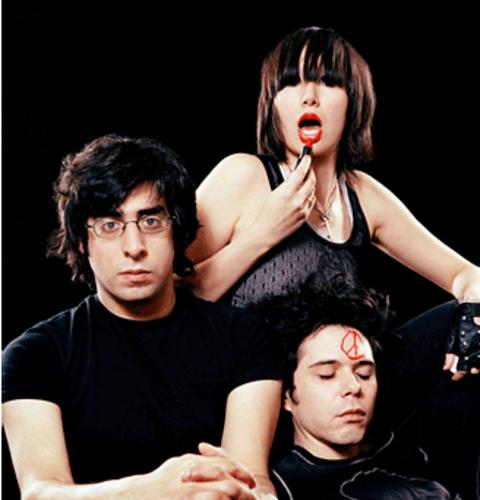
YEAH YEAH YEAHS HEAT UP WITH ‘FEVER TO TELL’

FOREWORD: Yeah Yeah Yeahs singer, Karen O, is another well-reared Jersey girl from Bergen County (just outside NYC) with charming affability. But onstage, she becomes the perfect psycho slut from hell, dressed in trashy clothing and full of sexual energy.

When we spoke over the phone in ’03 to promote her trio’s highly anticipated Fever To Tell long-play debut, Karen O sounded like a spryly innocent valley girl. Meeting in person at Irving Plaza in May, she was gracious when I presented the following article to her prior to the show. I even met guitarist Nick Zinner’s mom at the balcony level.

Onstage, Karen O took charge immediately, spraying the crowd with mouth water, prancing the stage with unmistakable lascivious swagger, and belting out tunes with utter fervency. A few months later, heartbroken noir-ish lullaby , Maps, became a huge hit and secured the bands’ future. ‘06s Show Your Bones held up well and ‘09s It’s Blitz piled on the dancefloor friendly fodder. This article originally appeared in Aquarian Weekly.


Englewood, New Jersey-bred Karen O may be shy, demure, and coy off-stage, but given the requisite escapism fronting a salivating audience of rabid fans and the unkempt queen of the Brooklyn scene slips into drunkenly enraged carnality. Besides having a predilection for ripped fishnet stockings, ruffle-tiered skirts, and leather stiletto boots, the captivating Yeah Yeah Yeahs vocalist ransacks the primal punk savagery of the Slits Ari Up; the naïve adolescence of X Ray Spex’s Poly Styrene; the unbridled sexuality of the Plasmatics Wendy O. Williams; and the liberated indulgence of the Pretenders Chrissie Hynde.

Bluesier and sexier than early-‘80s minimalist South Bronx hip-hop funkateers ESG (and their rhythmically elemental house music contemporaries Liquid Liquid, Konk, and Delta 5), the Yeah Yeah Yeahs are also way more confrontational. During one “margarita-fueled” South By Southwest Conference showcase, the otherwise reserved Karen O and her trash-fashion designer Christian Joy stole Brit band Clinic’s blue surgical masks on the way to accidentally knocking down ill-humored ass Hole, Courtney Love.

Perhaps controversial behavior seals the deal for Karen O to be considered a true punk exploiting the dichotomy between New York City’s mid-‘70s rap and art-rock communities with no fear, inhibitions, or stylistic boundaries. Never contrived or prepossessing, she teases audiences like a sexually enraged scruffy art school prankster in non-conformist prime, playing flophouse rag doll with wanton enthusiasm. Romantically linked to rangy Lairs frontman Angus Andrews, Karen O brings shrewd erotic neo-primitivism to post-millennial tension.

The Yeah Yeah Yeahs contagious eponymous 5-song EP has become ‘01s most exemplary Brooklyn underground snapshot. Nick Zinner’s nifty knack for James Chance-inspired suits and obsession for Jon Spencer’s blues-frazzled speaker-shredding guitar prowess fit these twisted throwbacks perfectly. And drummer Brian Chase, who splits time in the Seconds, shifts speed on a dime.

Karen O cuts loose on “Art Star,” unloading implosive banshee wails around Zinner’s tick-tock rhythm guitar riffs. She cheekily hiccups “as a fuck, son, you suck!” over the choppy discoid scuttlebutt, “Bang,” then ambushes countercultural contradictions on the deconstructed blues dirge, “Our Time,” deriding jaded challengers with the tortured “I’m so glad we made it/ It’s the year to be hated.”

Released as a primer, ‘02s pale-toned “Machine” single pit crushing Industrial bleakness against Karen O’s desolate whine. But could the Yeah Yeah Yeahs highly anticipated full-length debut, Fever To Tell, top previous endeavors?

Following the extraterrestrial electro-bleat of the dominatrix whiplash, “Rich,” Karen O becomes a whirling dervish soaring out of control on the dyspeptic “Date With A Night,” colliding Boss Hog’s smirk with Lene Lovich’s quirk on the squelched screech “Man.” Zimmer’s frenetic chain-like licks anchor Karen O’s nasty fuck-offs on the emboldened “Black Tongue.” Even naughtier is the bombastic orgiastic froth of “Cold Light.” But the clincher has to be the heartfelt turnabout, “Maps,” a passionate ode combining the sensuality of her incidental foremothers, PJ Harvey and Chrissie Hynde.

Could you re-capture the primitive charm, sexual vigor, and naïve sense of discovery shown on the 2 EP’s and Fever To Tell on future projects?

KAREN O: I don’t know. We’re never quite sure what song is gonna come out of us next. That’s the one preserved innocent thing we have left after all the hype and attention that sucks it away. We’re not even at a millionth of the songs we’re capable of writing. Fortunately, we’ve met a lot of people and been to a lot of places as a result of the attention. But we haven’t had enough time to concentrate on songs. So it’s hard to gage what’s gonna come out of us next. It’s hard to anticipate. We could go in a lot of different directions but it’s not necessarily prepared. That’s the way we’ve been doing it. I guess it’s spunky.

Fever To Tell has a more ass-shaking danceable appeal.

KAREN O: From the beginning we were always more psyched on danceable stuff. One of the major influences on my voice that I could claim as an influence is ESG. That’s what I listened to when we got started. Their singer is so cool – so much attitude and sex. It made me feel good listening to and dancing to. One of our initial aims was to have a dancey tip.

The stomping “Tick” is fabulous. It reminds me of Bow Wow Wow’s orgasmic “Sexy Eiffel Towers.” How’d you learn to stretch your voice so many ways?

KAREN O: I don’t know. I guess when we started the band. The voice thing I’m really objective about – detached from. It’s more of an instrument for me and it was incredibly durable for awhile. But the last couple weeks, it’s been weaker than usual. I think I have to preserve it a little and take care of it. I usually do nothing. (laughter)

The voyeuristic “Black Tongue” captures some of the sexual anxiety Chrissie Hynde projected on the Pretenders ’79 debut.

KAREN O: When I go out, I expect to have a wild high time. I’m expecting the best and most genuinely pure experience. That’s hard to come by. The frustration to achieve that might give us a great aggressive, sexual, irreverent spirit that’s going on. It’s like you’re grabbing something that’s a bit out of reach.

Does the rage come from being a latchkey kid with too much freedom and not enough attention?

KAREN O: I guess so. It’s weird though, because I’m already in my own world anyway. I feed off of it. It’s a quest to feel more life. Nothing is more offensive to me than middle-of-the-road or mediocre. I think that’s what the 18th century dandy’s were doing and what (lauded 19th century Russian novelist) Dostoyevski, The Notes From the Underground guy, was doing. It’s wanting to feel more and the frustration of not being able to achieve it.

Do you go clubbing much?

KAREN O: Not much anymore. I’ve gotten to the point where I’m semi-celebrity status. So when I go out people come up to me and it’s a little strange for me to be in those situations.

If you’re anointed the next big pop culture icon, how will you avoid making concessions?

KAREN O: Everything is a contradiction with this band and my persona. We’re three very serious people in a very un-serious tongue-in-cheek band. That runs into a lot of conflicts when everyone starts taking it too serious. Because then the un-serious part gets drowned a bit and then everything gets confused. As a persona, I started off by making a parody of myself before anyone else could. It’s a little dishonest and manipulative, but really genuine in the fact that I don’t like bullshit. I’m trying to be an honest performer with honest intentions. So you see there’s a lot of contradictions. You gotta understand the disdain from the underground towards major labels and MTV. A lot of bands I know wouldn’t touch a major label with a 3,000-foot pole.

Since Nick’s into photography and you studied film at NYU, have the Yeah Yeah Yeahs made any videos?

KAREN O: Not yet. Actually, a friend of mine from film school is doing a video for “Maps.” He has a good vision for it. The kind of filmmaking I was into – I don’t know if it translates – maybe as amusement. It’s really ridiculous and way out there and I don’t think it would get aired.

Why’d you choose to initially attend small Ohio college, Oberlin, after high school?

KAREN O: I wasn’t a very good student in 9th or 10th grade, so I didn’t think I’d do so well. That skewed my vision of where I’d get into. So I only applied to four colleges, but got into all of them. Oberlin was the more challenging of the four. Bryan went there and was in five bands at one time. He’s such a good drummer. Never in a million years did I think I’d play with him. He’s like the major leagues.

What do you drink to calm down prior to hitting the stage?

KAREN O: It used to be tequila, but now it’s a bottle of champagne.

Have you prepared new songs for the upcoming tour?

KAREN O: We have a couple, but we haven’t had the headspace or time to be writing, which is the most disappointing thing about getting attention. I’m constantly writing songs even if it’s not for Yeah Yeah Yeahs. I was a big folkie Grateful Dead fan for a stretch. But now I’m in an environment where people are constantly making music ‘cause we have a studio downstairs in the basement. The Liars are recording a new album as we speak. It’s amazing. Their drummer and bassist (from the first album) are gone, so it’s a three-piece. They’re constantly changing their sound.

CRAIG WEDREN @ BROWNIES

Craig Wedren/ Brownies/ Feb. 2, 1999

Wearing a black full-length skirt (no b.s.) and white sleeveless t-shirt, former Shudder To Think singer/ guitarist Craig Wedren had fun entertaining this sold out, sardine packed Avenue A venue this Friday eve. With an experienced, well-integrated band of po-mo vets in tow – guitarist Lee Mars (former Nine Inch Nails keyboardist), bassist Brad Vanderark (Verve Pipe), and drummer Kevin March (Dambuilders/ Shudder To Think) – Wedren dropped his stinging, muscular Neil Young-ish hard rock propensity for artsy Bowie-esque theatricality directly in line with his old bands’ two eccentric songs from the ‘98 glam-rock pic Velvet Goldmine.

A few technical glitches (sound system crackles, pops, and feedback) might have momentarily wrinkled some newfangled tunes, but their impact was increased by flawless instrumental delivery. Wedren seemed at ease between songs, offering hilarious quips, playful innuendoes, and a short dedication to a friend prior to the expressive “Lovely Girl.” Throughout, Wedren’s dramatic operatic swoops and surreal poetry were enhanced by burbly electro squiggles, flailing axework, and a strong rhythmic thrust throughout.

One of my faves this night was “Red Hot American Summer,” a hook-filled feel good number. But a shimmering electro-fuzzed version of Creedence Clearwater Revival’s “Hey Tonight” and the melodic, Ziggy Stardust-clipped Velvet Goldmine track “Ballad Of Maxwell Demon” also ranked high.

Though the quartet unquestionably succeeded in this small club setting, their stylish post-fab maneuvers and multi-dimensional arrangements cried out for glitzy, elaborate large scale production. Wedren’s final studio set with Shudder To Think, ‘97s 50,000 B.C., garnered critical raves and made a wider following possible, so faithful fans (and there were plenty at this gig) should look out for his next New York City appearance sometime in March or April. Hopefully a solo disc with these musical partners is in the works. Word is Wedren’s been laying down tracks in his living room. Stay tuned.

MICHAEL FRANTI HEADS SPITFIRE TOUR @ WETLANDS PRESERVE

Michael Franti Heads Spitfire Tour/ Wetlands Preserve/ March 28, 1998

Hardcore spoken word activists railing against hypocritical politicians, multinational corporations, antiquated drug laws, and anti-human economic policies kept the environmentally concerned Wetlands club positively energized with reactionary sighs of “let freedom ring!” at the first annual Spitfire tour. Each of Spitfire’s messengers strove to take the power back, educate the masses, and as Spearhead’s Michael Franti said, “enrage, empower, and inspire.”

Franti delivered his revelations in rap style, getting several audience members to clap along to catchy lines such as the vindictive “fully marinated/ now I’m ready for the fire.” After an extended introduction concerning the tribal feuds Arizona’s indigenous Big Mountain Reservation have suffered through assimilating American culture, Franti gave corporations the finger and launched into a ‘boom-bap’ streetwise re-interpretation of “The Sound Of Music.”

Former MTV VJ/ Seattle radio host Kennedy, self-proclaimed “mouthpiece for the right,” went on an anti-Social Security rant which was too straightforward and in need of a wry twist of humor. Preaching to the converted seemed like overkill. Nevertheless, she relayed a tale about her hemp growing Romanian grandma and neatly linked this to the irresponsible 1930’s bill outlawing marijuana in the States.

A short film about medical marijuana patient Todd Mc Cormick’s battle with cancer and unjust imprisonment followed.

Fragile, lispy Newsradio host Andy Dick (fresh from a Howard Stern grilling and author of the rectal folly “Little Brown Ring”) then took to the mike, proclaiming himself a “poster child for drug abuse” who had the “long arm of the law crammed up (his) ass” for the “luxury of smoking pot.” Accompanied by acoustic guitarist Andrew Sherman (and currently on probation in a Drug Diversion Program), Dick told of his mother’s last days on earth when her fearful ‘chronic’ taboo faded and she cooked a few joints to improve her quality of life.

As heartfelt as it was absurd, his hilarious “Cock And Balls” left the male audience in hysterics. After philosophizing about the Seven Deadly Sins, he tore into a poignant toilet vignette and then played a love-obsessed stalker in a geeky Jonathan Richman manner.

Obscure Village Voice cartoonist Tom Tomorrow came on-stage following his parodic film strip “This Modern World,” deflecting mainstream media biases and complaining about “blind trust democracy” while regurgitating conventional anti-establishment wisdom.

Outspoken hyperintellectual anti-censorship advocate and Green Party presidential hopeful Jello Biafra has continuously railed against political sloth’s and misguided Washington Wives (led by bubble-headed PMRC dimwit Tipper Gore). A former San Francisco mayoral candidate and Dead Kennedys frontman, Biafra received an enormous applause before pitting feudalistic gun-toting parasites against grim proletariat serfs. Pronouncing “insurrection can be fun!,” Biafra warned of short-term radical fundamentalists being as dangerous as blow job king Bill Clinton (whom he accused of treason for his pro-World Trade Organization stance).

He condemned bovine growth hormone “Frankenfood,” proposed amnesty on student loans and decriminalization of drugs, supported pirate radio and t.v. and raised awareness of the “frontier sabotage” of the internet. But he went off the deep end with anti-capitalistic Socialist rhetoric – mandating a $200,000 maximum wage. On the current legal front, former Dead Kennedys members have decided to sue Biafra and his Alternative Tentacles label over royalties because he “refused to put “Holiday In Cambodia” on a Levi’s commercial.”

While Biafra didn’t condemn taxation collected for poor and suffering, he realized America’s corrupt politicians allow taxation without representation. Don’t forget, America told Britain to fuck off over a 2% tea tariff 200 years ago. Let the revolution begin!

GALACTIC HOPE AMERICA’S NOT ‘LATE FOR THE FUTURE’

Image result for GALACTIC BAND

FOREWORD: In 1996, New Orleans Jazz-funk outfit, Galactic, invited local respected singer, Theryl ‘Houseman’ de Clouet, to join. Though they never got as popular as the Meters and Dirty Dozen Brass Band, their national following grew during the ‘90s. Unlike their peers, Galactic resourcefully added hip-hop and electronica elements to the musical mix.

After 2000’s Late For The Future, hip-hop producer Dan The Automator helped out on ‘03s Ruckus. When de Clout departed the band, several rap artists came aboard for ‘07s From The Corner To The Block. Meanwhile, de Clouet self-released The Truth Iz Out the same year. I spoke to de Clouet about his music, politics, mainstream media scum, and iconic funk jammers, Parliament-Funkadelic, in an ’00 interview. This article originally appeared in Aquarian Weekly.

Crescent City funk jam band Galactic first gained exposure when their delectable instrumental, “Black-eyed Pea,” was included on Ubiquity Records’ Is That Jazz compilation. By ‘96, the New Orleans combo released the full length debut, Coolin’ Off (Fog City Records) and managed to get local soul singer Theryl “Houseman” de Clouet to add his expressive, aged-in-the-wool baritone to a few numbers. After a fortuitous show at the New Orleans Jazz & Heritage Festival, Galactic signed to Capricorn Records and came up with ‘98s contagious Crazyhorse Mongoose.

Recorded at a converted 19th century mansion in the French Quarters (Kingsway Studios), Late For The Future further refines Galactic’s invigorating groove-oriented approach. Similar in scope to contemporaries Medeski, Martin & Wood and reminiscent of the Meters, this friendly sextet tempers its funk with smooth melodic textures and skilled improvisational thrift.

Stylistic diversity abounds on Late For The Future. Ben Ellman’s skronk-y sax pumps juice into a new version of the live staple “Black-eyed Pea” and the blurting soul-jazz confection “Doublewide” (a track which wouldn’t seem out of place on Herbie Hancock’s landmark Headhunters). Drummer Stanton Moore’s second-line Mardi Gras Indian beats rhythmically propel the highly charged “Bakers Dozen” (given a heady thrust by guest baritone saxophonist Roger Lewis of Dirty Dozen Brass Band) and the mellow, Buddy Miles-like “Running Man.”

Guitarist Jeff Raines faces off against Hammond B-3 player Rich Vogel on the prog-rockish “As Big As Your Face” and the percolating “Thrill.” Bassist Robert Mercurio’s deep soul groove underscores the L.A. bound “Century City” and the Cajun-spiced, Meters-etched booty shaker “Vilified.”

For a clever turnabout, the fuzzy slide interlude “Jeffe 2000” and its revamped, harmonica-laden blues shuffle “Bobski 2000” inject the same kind of lo-fi Mississippi Delta barroom raucous Fat Possum Records artist R.L. Burnside has become associated with.

Given more lyrical free reign and supported by his experienced a capella group, Holly Grove, de Clouet’s gruff voice blankets several Galactic excursions, most notably the righteous Gospel-soul gumbo “Action Speaks Louder Than Words.”

How did the recording of Late For The Future come about?

THERYL DE CLOUET: New Orleans’ a great town, but it only has a few quality studios. We were lucky to get into Daniel Lanois’ personally built Kingsway Studio, where he cut Yellow Moon for the Neville Brothers. They closed it now and sold it. But it was a great experience. Before, we financed Coolin’ Off and Crazyhorse Mongoose. This time we had more time with real people who are part of this business everyday, like Nick Sansano (Sonic Youth/ Manic Street Preachers).

You’ve been described as a Cajun-styled singer, but I think you’re more influenced by soul music.

THERYL: I’m R & B. I came from an a capella group, Holly Grove, who sang background on “Century City,” “Thrill,” and “Actions Speak Louder.” I love doo-wop. I’m New York all the way. It was integral in shaping my idea of the business. We were on Amateur Night at the Apollo. New Orleans is great for learning many genres of music, putting them in a potpourri, and making your own style. But my love for New York will never die.

Do you write most of Galactic’s lyrics?

THERYL: Most lyrics I write and I oversee the singing. I try to make sure the songs are about things people who come to our gigs could relate to. We have a huge Grateful Dead following of hippies. When I talk to them, I like to see what they think. They express worldviews and what happened in Seattle (at the World Trade Organization debacle). They know me from the first Galactic song I wrote called “There’s Something Wrong With This Picture.” It was about the racial make-up of the U.S. and the great racial divide that’s happening again. Since the ‘60s, history has repeated itself. You don’t see protests, but there’s a great big divide I see on the underside since I’ve been in every state.

I blame the mainstream media mongrels for hyping racial biases and creating unwarranted turmoil.

THERYL: The media perpetuates it by showing it in a mean, vindictive manner. It’s all nasty shit. The media could soften the bluntness, but it has to start with people’s moral character through religion and music. Everyone gets burnt out by racists, but I think at the basic fiber, when it’s time for this country’s culture to change we’ll pull together. That’s why my songs are hopeful. I’m always optimistic that despite all the meanness, everyone wants to get along. We want to save what we have, which is the greatest country in the world.

Is the current record titled Late For The Future because America’s slow to grasp sociopolitical concerns?

THERYL: That’s it. Plus, we’re in 2000 but we have that retro sound. I’m an old soul man from the ‘70s and they’re playing like the Meters. So we’re late for the future.

How did you develop your vocal skills?

THERYL: I started singing at seven. I had a stage mother who was a singer/ musician taught piano by Professor Longhair. I started Holly Grove in ‘69 and came to New York with the soul group the Manhattans. The ‘70s were a time of snake biting though. We broke up because one of the guys had a weapon charge and was on the run. We had a dry period of seven years when I sang with Ivan Neville and Renegade. We got back in ‘84 to do the New Orleans Best Kept Secret LP and broke up again. Then, we started working on a project for five years in ‘91. My mentor’s name is Winfred “Blue” Lovett, the originator of the Manhattans who started on Carnival Records out of New Jersey. Also instrumental in my career was a writer named Allan Felder, Blue’s brother-in-law, who died recently. He composed “Just Let Me Make Love To You” for the O’Jays and songs for Lou Rawls. He was a staff writer for Gamble & Huff in the ‘70s and worked with Blue Magic and the Delfonics.

Tell me about the June 6 Central Park Jazz Series Show Galactic will play with Parliament/ Funkadelic.

THERYL: We love the P-Funk. They came to New Orleans where street funk is played, and George Clinton refined it and then defined it. He added a little James Brown to it. We’ve always dreamed of playing Central Park since we’ve only seen it on t.v. It’s in honor of our fans who can’t make the Irving Plaza sold out dates. It’s all about love and booty shakin’ with us.

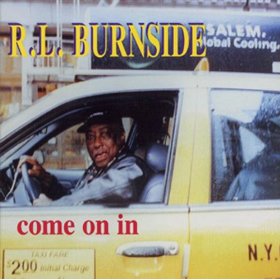
R.L. BURNSIDE WELCOMES ALL TO ‘COME ON IN’

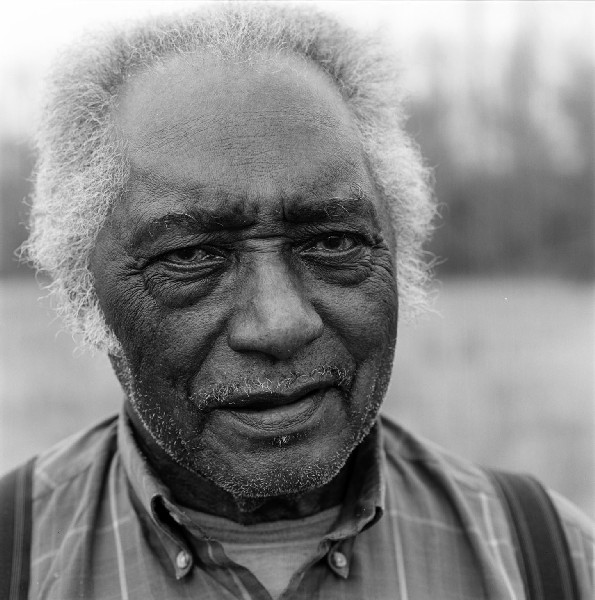
FOREWORD: R.L. Burnside was a good-hearted Delta bluesman whose career was revived when dedicated Oxford, Mississippi label, Fat Possum Records, began putting his creaky bare-boned guitar-based blues into contemporary rock and techno settings. His most approachable LP for newcomers may be ‘99s Come On In. I spoke to Burnside at this time. Afterwards, he released ‘00s fine Wish I Was In Heaven Sitting Down and ‘04’s Bothered Mind. A year later, he died from complications due to a heart attack. This article originally appeared in Aquarian Weekly.

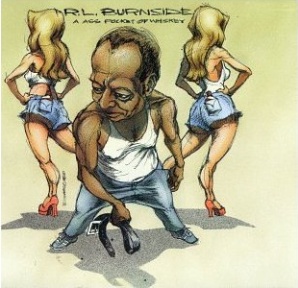
Along with the recently deceased Junior Kimbrough and the still viable T-Model Ford, rural Mississippi blues singer-guitarist, R.L. Burnside began recording for Matthew Johnson’s tiny contemporary label, Fat Possum Records, as a senior citizen. Despite being in his seventies, the revitalized Burnside remains a vital link to traditional pre-World War II blues. He tours constantly and during the ‘90s has dropped critically acclaimed long-players Bad Luck City, Too Bad Jim, A Ass Pocket Of Whiskey (with blues-y punk renegades Jon Spencer Blues Explosion), Mr. Wizard, and the just-released Come On In.

Extending the cryptic heritage of Delta bluesmen Fred Mc Dowell, Bukka White, Son House, and Robert Johnson, the experimental Burnside reluctantly, at first, took backwoods folk-blues down a courageous new path by imposing his stripped-down primal songs with ‘90s electronic technology. By acquiring a considerable reputation in post-alternative rock circles, Burnside has helped expand the once impenetrable boundaries of historic Mississippi hillbilly folklore to an otherwise completely removed audience.

Featuring grandson Cedric Burnside (drums) and Kenny Brown (guitar), Come On In continues to flexibly integrate the old with the new. Over simple, repetitive riffs and rustic beats, Burnside’s stoically scraggly baritone conveys gut-level emotions dripping with juke joint passion and chilly swamp-rooted raunch.

While most septuagenarians are too set in their own ways, Burnside stays relatively fashionable by trusting artists less than half his age to juice up his primal musings. German techno-hardcore maven, Alec Empire, remixed the fervent “Heat”; producer Tom Rothrock programmed the discofied version of “Rollin’ Tumblin’” and the spooky reverberation, It’s Bad You Know”; and Beal Dabbs added clavinet and organ to the clustered “Don’t Stop Honey.”

I spoke to Burnside via the phone in January, 1999.

Tell me about the records you made before Fat Possum came knocking.

R.L. BURNSIDE: They’re not that different except maybe the singing.

Did you originally sing Gospel before reverting to traditional blues like many artists do?

R.L.: Yes. I was singing spirituals in the church with my sisters. I learned to play guitar by picking it up from Fred Mc Dowell and Randy Barnett.

Gospel purists once considered the blues to be the devil’s music. Did you?

R.L.: No. I feel the Lord entitled me to sing the blues.

Then why don’t you touch upon religion in your songs?

R.L.: I think playing the blues is about feeling. See, the blues came from slavery times and spoke about what people were feeling. You couldn’t tell ‘the man’ what you wanted to, but you could sing about it, you know. And if you got a woman and somebody takes her, you got the blues. If you drive up to your house when you’re married at about 2:30 in the morning and get out of the car and meet your cat comin’ out of your yard, and you hear, ‘heel, heel,’ you got the blues.

Was there radical hatred when you were growing up in the heart of Mississippi?

R.L.: There was some, but it wasn’t that bad. It’s a whole lot better now. You can go anywhere you want to. Back then, when I was getting raised, you had to go in through back doors. But now a lot of white women are married to black men and black women are married to white men. It’s all around.

Songs like “Don’t Stop Honey,” Come On In (Part 2),” and “Heat” deliberately introduce technical wizardry to rural blues in a groundbreaking manner. Did you initially balk at having your traditional songs electrified and remixed?

R.L.: I didn’t think much about doing it, but the record company said they wanted something like the Jon Spencer record (A Ass Pocket Of Whiskey). I said all right. At the time, I didn’t like the mix. Then it sold so well and I like it now. And more young people come to my shows now – people who would have never seen me. The first place I played with Jon Spencer, a guy asked me, ‘Have you ever played with these guys before?’ I said no I hadn’t. So he bought me a package of earplugs and said, ‘You’re gonna need these. They play loud.’

You also mix in strict folk-blues like “Just Like A Woman.” Was that done in one take?

R.L.: That’s a song from the hills, and I think it was done in one take. It’s something like a boogie, you know.

How has the live music scene changed in Mississippi since the ‘40s and ‘50s?

R.L.: Now everybody be in their partying. Now there’s more white people than blacks. A long time ago, there’d be only black people at the house party.

Is the county in which you live as poverty-stricken as it was during the ‘60s?

R.L.: No. It got a whole lot better. After Martin Luther King died, it made times better for us.

I read in an article that you have 13 children with 11 different women. How could you afford to feed and clothe them?

R.L.: Well, one died in a car accident about 10 years ago. I worked on a plantation, did commercial fishing, drove concrete trucks and containers. Once or twice a year, I’d have to do extra work. 12, 14 years ago, I got where I could make a living out of playing music.

What’s the difference playing US clubs as opposed to European ones?

R.L.: They like the blues more in Europe because they ain’t heard it as much as Americans. They’ve heard it on tape, but haven’t seen it live too much. And I think they like it good. The places be sold out a lot of times. When I first went over there, they were hollering when I came out to play. I asked someone, ‘Why do they like the blues so much when 90% of them can’t speak English?’ He said, ‘They just like the rhythm.’

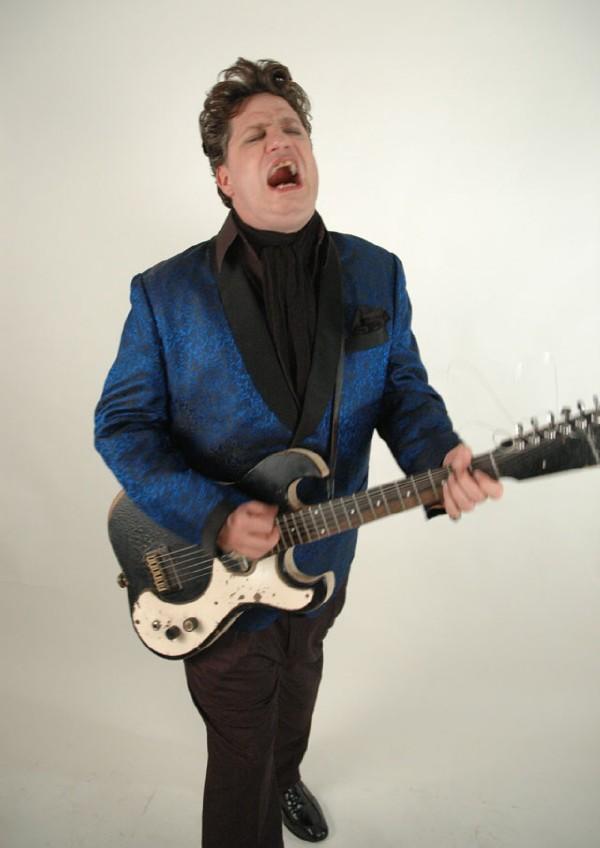
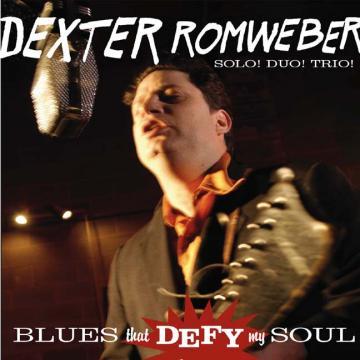
DEXTER ROMWEBER PLAYS ‘BLUES THAT DEFY MY SOUL’

FOREWORD: Frenzied rockabilly throwback, Dexter Romweber, once led Chapel Hill’s well-respected Flat Duo Jets, a thrilling guitar-drums act whose passion, vitality, and determination was best showcased at smoky honky tonk joints and dank rock clubs. Under his own name, ‘04s Blues That Defy My Soul packed most of the energy of his live act on a solid-bodied studio recording, something Flat Duo Jets also did best on ‘93s White Tree. ‘06s Piano and ‘09s Ruins Of Berlin, Romweber’s follow-ups, remain uncovered by yours truly. This article originally appeared in Aquarian Weekly.

If Reverend Horton Heat was the ‘90s most feverishly liquored up rockabilly revivalist going then surely the finest primal garage rawk combo could’ve been the Flat Duo Jets. Pairing greasy-haired Silvertone guitarist Dexter Romweber with devilish crony Crow, this crazed Chapel Hill, North Carolina, twosome first took hold in Athens after REM and the B-52’s put that friendly Georgia college town on the map.

Initially invigorated by the cadaverous Gothic punkabilly of the Cramps, the Flat Duo Jets hootin,’ hollerin’ mixture of dusty classic rock stomps, front porch Country hoe-downs, raucous skiffle-flavored knockoffs, and schizoid boogie rumblings caught on with trendy stray cat strutters and “Hound Dog” lovers alike. Oft-times spewing growling baritone spunk like raving lunatic satirist Mojo Nixon, Romweber’s minimalist approach harks back to aging backwoods hillbilly wildman Hasil Adkins.

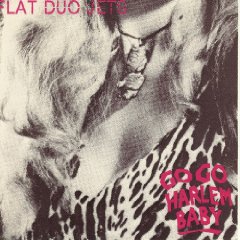
Following a primordial ’84 6-song fiesta, In Stereo (re-released in ’92), rustic relics Romweber and Crow returned to Carolina, made a far better surefire self-titled masterwork, then offered ’91s undisciplined grab bag, Go Go Harlem Baby, a year hence. Arguably the busy Duo’s most accomplished set, ‘93s handily diversified White Trees jumbled stylistically antiquated originals in a cohesively dignified manner.

But drug addiction, personal issues, and money troubles took their toll, halting the spiffy dualistic throwbacks by ’98. However, that did allow Romweber to hook up with Virginian pal Sam Laresh. A nutty stooge perfectly suited to replace Crow’s instinctual rhythmic rampage, Laresh had played regional dates with the Dexterous marvel in the past.

So the newfangled partners, recording under Romweber’s name, charged forth with ‘97s covers-only roots rock remedy Folk Songs and ‘01s scurried surf-garage wrangler Chased By Martians.

Picked up by sturdy Yep Roc Records, Romweber hopes better promotion and wider exposure will catapult ‘04s fascinatingly feral Blues That Defy My Soul beyond the reach of his loyal minions.

Perhaps Romweber’s tastiest treat yet, Blues gets the party cooking with hip Gene Krupa-like swagger on the scuffling anthem, “Rockin’ Dead Man.” Two zesty instrumentals, the Spaghetti Western-tinged “Nephretite” and the fierce fast-fingered shuffle “Nabonga,” boast radical gee-tar proficiency while the nasally snarled “Unharmonious” connects the yokel twang of unkempt folk freak Michael Hurley with the mannerly elocution of Johnny Cash. The bellowing outcry “You Broke My Heart” brings back memories of Eddie Cochran by-way-of Buddy Holly. On the tender side, “I’ve Lost My Heart To You” borrows its sentimentality from Elvis’ “Can’t Help Falling In Love.”

Who were your earliest musical inspirations?

DEXTER ROMWEBER: My brothers were into Led Zeppelin and the Rolling Stones. So I got into that. Like a million American teens, Kiss had this whole idea of getting onstage and making a spectacle – wow! It’s actually pretty bad music, but Kiss kicks ass. But when I listen to the Stones, that moves me emotionally. When they were starting to write their own stuff – “Heart Of Stone,” “Ruby Tuesday,” and “Out Of Time” –they were fantastic. An older musician that lived nearby taught me the 12-bar on guitar, which is the basis for rock and roll. So it wasn’t long before we were playing and doing gigs. My first band was the Remainz. We were a ‘60s garage-styled band playing the Stones’ “Fortune Teller” and the Monkees’ “I’m A Believer.”

My old drummer, Crow, was on rhythm-lead and my sister Sara, drums. Hunter Landen was the singer. He’s been in local bands like the Bad Checks and now the Chrome Plated Apostles. Our old band evolved into Crash Landon & the Kamikazes. We did whole sets – 16 songs. Remember the ‘80s rockabilly revival – we learned that stuff. Then, I bought re-issued Sun records and got rockabilly by Sonny Burgess, early Roy Orbison, and Billy Lee Riley. We started covering their songs. Then, it got more intense. We got into early rock and roll by the Coasters, Elvis, and Johnny Cash.

After Flat Duo Jets gained a stronghold in Athens, you moved back to Chapel Hill when Superchunk, Polvo, Archers Of Loaf, and Dillon Fence became elite indie rockers.

DEXTER: Those bands didn’t play the music I listened to. I was into Nick Cave, early Blues, especially Leadbelly, and Classical by Chopin and Bach. On my first solo record, Folk Songs, there’s some Classical.

I don’t own your first two solo endeavors.

DEXTER: They were on Permanent Records (an oddly ironic label name since they quickly went out of business). Chased By Martians was recorded during a turbulent period, but there’s good stuff on it. Not having the Duo Jets around to work with was difficult. Crow had to deal with personal problems. It was infringing on what we tried to do. Rock and roll, when you get into it, is a fucked up lifestyle. We broke up the band.

Going back to the Flat Duo Jets, Go Go Harlem Baby was recorded by famed producer-pianist Jim Dickinson.

DEXTER: It was a treat to work with Jim since he’s a rock legend. He saw us early on live and knew what we were trying to achieve. That record improved over time. I wasn’t crazy about it when it came out. Producers are weird, but he sat back and did his job with lots of spirit. My favorite albums include Safari, which at the time, we lied to the label and said the tracks were from ’84 to ’87. If we said they were new, the label would own them. There’s 32 songs, live, solo, and unreleased performances capturing all aspects. Wild Blue Yonder was strictly live, recorded during a tremendous ’96 tour where we came alive. Portions of White Trees I like. Then, (the last album) Lucky Eye, which had good stuff.

How’d you hook up with Sam Laresh?

DEXTER: When we’d play Virginia Beach, we’d sit around and talk. We had an affinity with each other. When me and Crow’d take a break, I’d sojourn to Virginia Beach and Laresh and I’d play clubs there. When the Duo Jets ended, he was right there as my sidekick. I didn’t want the end of the Duo Jets to end my career.

You’ve been considered the Godfather of modern guitar-drum duos, such as Local H, White Stripes, and Raveonettes.

DEXTER: I don’t take credit for that. On our records, we try to put bass and organ and not just make duo recordings. It’s a very easy set up. Buddy Holly survived on that. People would’ve done it anyway.

What’s the deal with your supernatural beliefs? You could let the eyes roll to the back of your head during performance. There’s a supposed obsession with Cajun voodoo. And rumor is you sleep in a coffin.

DEXTER: (laughter) I read spiritual literature, but it’s not voodoo. As for the eyes rolling back and the frenzy of it, that was in me anyway. When I gave up alcohol and drugs, it wasn’t as pronounced. But cigarettes are the most insidious drug of them all. Can’t quit ‘em.

Did you drunkenly amble through shows?

DEXTER: It was off the road when I didn’t have to work that I’d drink. I started fights, created a raucous. I was into whiskey and vodka. I haven’t drank in three years. Sometimes on the road I’d tie one on, but I’d try to hit the stage pretty sober.

Have you noticed any formative musical departures over your career?

DEXTER: Lucky Eye was a propulsion into something new. There was a time when the music was changing, but it was still original. It was in the vein of early rock but with something new added. Towards the end of the Duo Jets, that started happening. I went one step further to not sound fake. I tried to do away with tripped out role models that were self-destructive. I said, ‘I’m not gonna copy Lux Interior (of the Cramps), Jerry Lee Lewis, or Elvis. I’m gonna be myself.’ That made me feel more alive. I still do early rock screamers, but I don’t want to emulate anyone. The Cramps affected my life so much from age 15 to 18 – down to the black clothing, bones, horror stuff, and emeralds. They’re still really creative.

The title song, “Blues that Defy My Soul,” has a sinister Chi-town Blues groove and phlegm-y Screamin’ Jay Hawkins vibe.

DEXTER: I’ve been attracted to dark Blues, but I’ve found it hard to find. Big Band and folk Blues took over because I didn’t want to be conceived as rockabilly. There’s so many bands doing that. They have the look and everything. But it’s not the spirit of what it was originally about.

You’re not shy about doing obscure covers.

DEXTER: There’s an Andy Griffith ballad we do live no one knows about. He was in a really intense rockabilly movie, which the song is named after, A Face In The Crowd. He played a hellbent hillbilly-rockabilly guy.

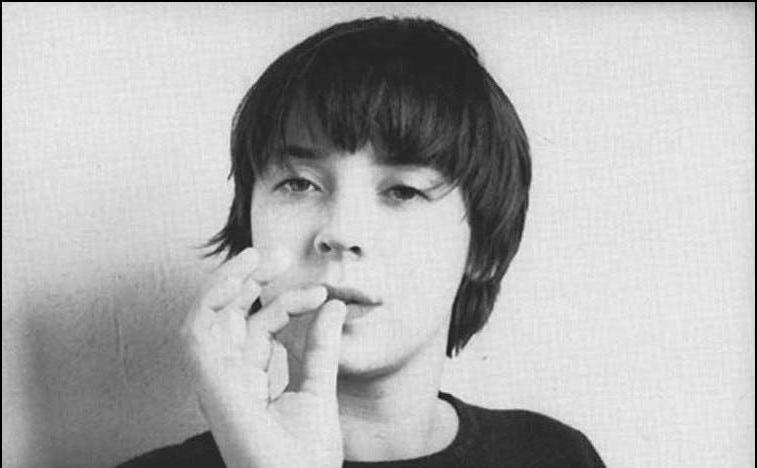
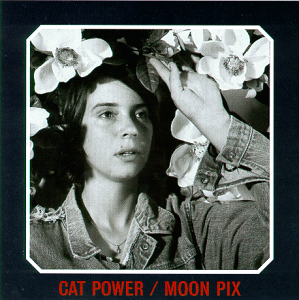
CAT POWER’S CALIGINOUS ‘MOON PIX’

FOREWORD: Both times I caught Cat Power’s solo act, she appeared just a touch psychotic and overwhelmed. But she never freaked out and left the stage (as she’d done in a few well-documented incidents). It turns out Cat Power suffered from a nasty drinking problem. Yet no one could take away the fact that when she truly gets lost inside her dark abstract music, Cat Power’s 100% irresistible.

After opening for Liz Phair in ’94, a fortuitous meeting with Sonic Youth’s Steve Shelley led to a musical partnership that produced ‘95s under-acknowledged Dear Sir and ‘96s starkly endearing Myra Lee. ‘96s What Would The Community Think kept the ball rolling for ‘98s Moon Pix, which I promoted with the following piece.

Temporarily controlling her alcohol plight, Cat Power felt empowered to make ’03 inspirational reflection, You Are Free. Then she partnered with Al Green guitarist Teenie Hodges for ‘06s monumental The Greatest, reaching a larger conventional audience. But she slipped into depression and suffered from mental exhaustion and that left her weakened. However, after she snapped out of it, another decent ‘covers’ album, Jukebox, arrived in ’08. This article originally appeared in Aquarian Weekly.


Over the course of four albums, shadowy singer-guitarist Chan Marshall (a.k.a Cat Power) has sculpted desolate, abstract, minor key trinkets that linger in the still air with the restive allure formless post-prog minimalists Slint, Rodan, and to a lesser extent, the Spinanes, also embraced.

Marshall’s voice has a delicate, cracked charm, giving the mysterious laments on Moon Pix, her latest offering, a hazy vulnerability and dry sadness. It’s also her first recording with Dirty Three’s Mick Turner (guitar) and Jim White (drums), whose neo-Classical ethereality adds a deeper emotional resonance.

Hiding under the Cat Power guise, Marshall sculpts beautifully somber textural designs for her depressive articulations. Backward guitar loops reminiscent of Jimi Hendrix’s Are You Experienced hover over Marshall’s flailing sentiments on the faded “American Flag.” Drifting flute cuts through her grief-stricken moans on the dire contemplation, “He Turns Down.” Lumbering acoustic lullaby, “No Sense,” and guitar-etched dirge, “You May Know Him,” reek of hopeless destitution. Ominous thundewr, gentle acoustics, and hypnotic lyrics give say a transcendental feel.

When speaking to the inquisitive Marshall about her intense muse, cutting to the chase sometimes becomes a difficult task. I think she’s more interested in talking about my kids, my softball team, and our mutual love of dogs rather than her latest album. But she does have a self-effacing charm and sly sense of humor that is completely endearing. As she waits for a train to pick her up in Germany, she’s confronted with a bottle of apple juice she purchased which has a pubic hair hanging off it. Such is life for her irony-teased Cat Power persona as well.

When I saw you play the Cooler in ’95, you barley looked out at the audience. Have you worked on stage presence and become more comfortable?

CAT POWER: I’m not much of an entertainer. The pretentiousness of being on stage and having people look at me is tough. But in my personal life, I feel more comfortable.

Does the longing and despair projected in your songs come from pain experienced in everyday life?

CAT POWER: Yeah. Many of my songs are observations of society or memories I have, but not always. “No Sense” is about being friends with a guy and playing music together. We enjoyed the fact we didn’t have to have sex to be friends.

Sonic Youth’s Steve Shelley and Two Dollars’ Tim Foljahn played on past albums. How do Australian musicians Jim White and Mick Turner differ as studio partners?

CAT POWER: The difference is they play differently and make different sounds work. I admire the way Jim and Mick interact with each other in their own band. And I care about them as people. They’re interested in what I do musically. There’s a looseness they provide.

How’d you hook up with them?

CAT POWER: I met them in Boston a couple years ago.

Are most of your songs improvised or firmly constructed?

CAT POWER: In the past, they were only known to me. I haven’t ever had band practice or trained skills. The songs are only in my little world, and when I go on tour, the band plays every night and the songs get a rounder sound. When I was in Australia, I was running around for two months. Then we sat around for an hour-and-a-half and put the songs down.

Who were some of your early influences?

CAT POWER: John Coltrane. Saturday Night Live. Redd Foxx. I don’t know. (laughter)

Are you into free Jazz? Your best arrangements seem unstructured at times.

CAT POWER: That’s sweet. That’s a compliment. I don’t feel closely related to it at all because of my lack of technology. Jazz artists know their instruments completely. I like the freedom of Jazz, but feel sad about the over-intellectualism it resonates because it seems exclusive. Jazz and blues are better understood by the pulse of those strict listeners. The problem with Jazz is there are no hymns to it. The difference between blues and Jazz is that there aren’t any role models making hymns. But the hippie revolution of the ‘60s seemed hymn-oriented.

Your song, “Metal Heart,” has a hymn-like quality. Its lyrics ‘once was lost but now am found’ touch on spirituality.

CAT POWER: That came to me 5:30 in the morning and I had a nightmare about the devil calling me to meet in the fields behind my South Carolina house. So that’s when I woke up and wrote that song.

Your father was a musician. What common traits do you share with him?

CAT POWER: We both write our own songs and were born in the winter. And we’re always single. We’re both playboys, I guess. But I have no skills at playing the guitar, so I just do what is elementary. Oh, I gotta go, my train is arriving.


BLACK KEYS STORM MONTCLAIR’S WELLMONT THEATRE

Black Keys / Wellmont Theatre/ February 2009

On an unseasonably warm Sunday night in February, two capable Buckeye State outfits conquered North Jersey’s newest high-profile concert venue. Gaining a strong foothold aboveground, Akron’s Black Keys earned their respectable audience the ‘hard way,’ touring frequently to promote four reliable deconstructed ‘white blues’ albums. Meanwhile, opener Doug Gillard, learned to gain minor acceptance the ‘harder way,’ remaining, unjustly, an indie rock footnote despite acute songwriting skills and dynamic guitar work.

Last year, famed trip-hop producer (and Gnarls Barkley founder) Danger Mouse convinced the Black Keys to mold tracks for a prospective Ike Turner comeback album. However, when the troubled 72-year-old Rhythm & Blues trailblazer suddenly passed away, the dynamic duo decided to complete the project with Danger Mouse anyhow, utilizing a proper studio for the first time. The phenomenal result, Attack & Release, places the Black Keys roughhewn garage assault in various keyboard and synthesizer-enhanced settings without hindering Dan Auerbach’s nastily gnarly riffs.

Nevertheless, live at Montclair’s refurbished Wellmont Theatre, Auerbach and drumming partner, Patrick Carney, delivered their newest batch of tunes with all the scruffy minimalist energy they righteously deserve. Auerbach came onstage first, pushing up the amplified feedback on his monitor to feverish levels prior to strapping on a six-string. Carney joined in a flash, readying himself stage right at a slightly elevated percussion setup. Attack & Release highlight, “Strange Times,” sans moody orchestral textures, pierced skulls with its fuzzy psychedelic barrage, initiating a non-stop onslaught of greasy swamp blues and raw-boned refried boogie romps.

The audience closest to the stage seemed enamored with the sparks flying off Auerbach’s fleet fingers, as he let loose braying horse-squealed distortion and wiry Jon Spencer-ripped sonic sprees hardened by rough-shard baritone-wailed screeds. They revisited rudimentary ’02 debut, The Big Come Up, for knotty deluge, “The Breaks,” an early original recorded, naturally, in a musty cellar. Next came a slithering down-tempo mantra, a Mississippi Delta blues redux, a blazing distortion-packed shakedown, and a rampaging metal-prone scrambler.

As expected, the Black Keys (like renowned Detroit twosome, the White Stripes) created a gigantic sound for just one guitarist and one drummer. Auerbach’s tasty licks, on occasion, conjured legendary axe-burner Jimi Hendrix (and cunning disciple Robin Trower), but never directly. Making a helluva racket, he’s able to gather humble blue-collar black music enthusiasts as well as tattooed biker chicks with distended gutbucket junkets and corruptive chordal jams. Raging climactic blues-rock eruption, “Your Touch” (off primal ’06 concoction, Magic Potion), got the crowds’ collective mojo working while a sentimental lullaby sung in a nasal twang proved to be the only somber moment of the evening. Like a robust, full-bodied beer, they’ve got gusto.

Beforehand, Doug Gillard, a seasoned underground journeyman, delivered a tight set of pleasingly melodic rockers, unloading catchy hooks in all the right places. Admirable stints in ‘80s new wavers Death Of Samantha, ‘90s indie lynchpins Guided By Voices, and the more contemporary Cobra Verde have earned the Ohio native mod power pop eminence. Though he has ably fulfilled the role of prodigal sideman in the past, the diminutive wizard really benefits from the crack bands he has recently assembled. Propelled by dual guitar imbroglio and a solid rhythmic core, the transplanted New Yorker lead a hot combo of experienced musical denizens. Several tuneful nuggets festoon his latest solo endeavor, Call From Restricted. For an encore, he reached back to vital arena rock sure-shot, “I Am A Tree,” a propulsive anthem first recorded when Gillard fronted unheralded band, Gem.

CAT POWER / MICHAEL HURLEY @ KNITTING FACTORY

Cat Power / Michael Hurley / Knitting Factory

May 11, 2000

Chan Marshall (a.k.a. Cat Power) may complain of stage fright and shyness, but she was up for the challenge at two sold-out Knitting Factory solos sets this Thursday evening. Showcasing the somber, mood-stricken The Covers Album, Marshall’s flickering moans and quivering paranoiac inflections may have been barely audible, but they never failed to provide compelling intimacy. While avid fans were instantly awestruck, her corpse-like dirges proved too one-dimensional for mere onlookers.

With brown hair covering her cute facial features for the entire performance, Marshall’s desperate, ghostly whispers hushed the audience. She paused only to ask the soundman to put the vocal monitor up and when she switched from acoustic guitar to piano, maintaining an impenetrable distance form the audience.

Marshall’s cryptic anguish was twice as sullen as Marianne Faithfull’s dour reflections on Broiken English and thrice as haunting as Margo Timmins’ stoic lyricizing on the Cowboy Junkies’ Trinity Sessions. A cadaverous version of Phil Phillips soul classic, “Sea Of Love,” drifted off into the night air like a silent retreat, as she purred the lyrics in a tortured, frail wisp.

It was only appropriate Tara Jane O’Neil (formerly of slo-core icons Rodan, Retsin, and Sonora Pine) would be lurking around in the balcony, since her lo-fi bedroom recording, Peregine, also has a weather-beaten atmospheric edginess.

It’s fair to say those unfamiliar with Marshall’s growing body of work may easily mistake her reclusive nature as narcissistic, but those who cherish her harrowing nightmarish indulgences find her mysteriously intriguing.

A grey-haired troubadour with an uncanny knack for scraggly traditional folk songs and Depression Era Dust Bowl ballads, Michael Hurley has been recording on and off since the ‘60s. Supported by an upright bassist and mandolinist, the vagabond-like neo-hippie provided roots-y Appalachian-based songs sung in a delicate, reflective baritone. While some of the younger audience members talked through Hurley’s soft-toned acoustic set and seemed indifferent to his laid-back eccentricities and carefree bohemian attitude, the elders patiently hung on every bizarre turn of phrase this idiosyncratic underground bard delivered.

He cooed through a spare version of “Woody Woodpecker” and used his mouth as a percussion instrument on a somber backwoods number. Long-time admirers sang along to the ridiculously shrill falsetto chorus of the drunken banjo parody, “Uncle Smoothface,” then were mesmerized by the dusky poignancy of Hurley’s live staple, “Sweet Lucy.”

Only Ry Cooder and John Prine preserve old timey American county folk with such neo-primitive authenticity. Fans should check out his recent Weatherhole LP.