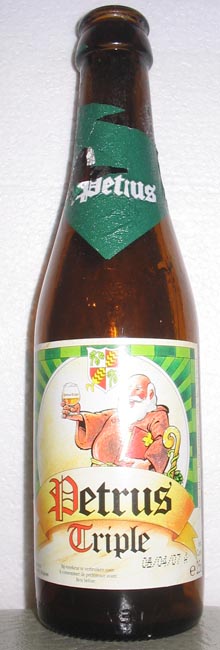
 Musty grape-grained odor precludes subdued green apple tartness, corky brut champagne dryness and tangy orange-bruised cherry-grape splat of brettanomyces-soured golden-clouded ale. Subtle butterscotch malting softens lame wheat spine by astringent yeast-endowed white-wined finish. Vinous Sauvignon Blanc illusions wisp by unripe peach-pear undertones. But this is arguably the least defined Belgium-brewed triple attempted yet.
Monthly Archives: January 2009
(BAVIK) PETRUS OUD BRUIN
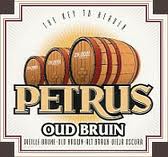 Fine dark ale aged in oak cask never lets peculiar fungi yeast element disturb deeply penetrating dry cherry pucker, parched fig-date tartness, and orange-bruised white peach scamper of frothy sienna-bodied tan-laced bitter. At midst, tannic white-green grape pucker receives tart orange-peeled lemon rind bittering juxtaposed by ascending dried raisin piquancy. Smoothly satisfying and perfect as an approachable crossover for light-bodied sour ale drinkers.
(BAVIK) PETRUS OAK AGED DARK LAGER
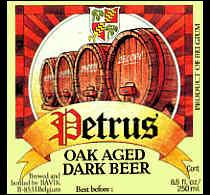 Tart and fruity like many exceptional Belgian brews, but oak-dried cherry-raspberry dominance overrides any typecast dry white wine-like essence. Sullen grape-vined grain-malted sweetness recedes to tamped-down hop docility.
(BAVIK) PETRUS DUBBEL BRUIN ALE
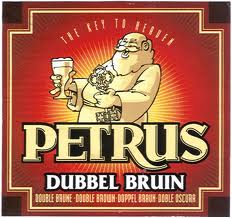 Viscous top-fermented ruddy-hued brown ale with definite barleywine appeal plies candi-sugared caramel-butterscotch-chocolate permanence above sweet sherry warmth and vinous burgundy-sherry souring. Crisp soft watered flow pacifies chewy molasses-dipped raisin-prune penetration, scant banana-cherry bruising, and dewy peat dankness.
(BAVIK) PETRUS AGED PALE ALE
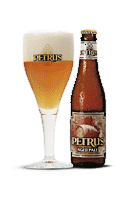 Pungent alcoholic prune waft turns strangely plastic before subsequent vinegar whiff overwhelms harsh hard cider finish of extremely dry sucker. Opening oak-dried white grape pucker subsumes sharpened lemon-lime tartness intensifying impending sour crabapple whim.
BAVIERA PREMIUM LAGER
 Clear pale-bodied white-headed mediocrity with short sugary cereal splurge picks up smoked wood chip tinge at prickly hop tongue, but soapy finish palls.
BAVARIA HOLLAND PILSNER
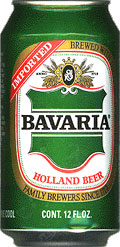 Aromatic mineral-grained lightness more typical of moderate-bodied American pilsner draught than most casual Euro brews. Creamy English-style barley-malt saturation, moldy bread scant, and citric slip embittered by grassy hop swathe, assuring well-balanced versatility perfect for Bud drinkers yet to discover the beauty of a true handcrafted lager.
BAVARIA 8.6 LAGER
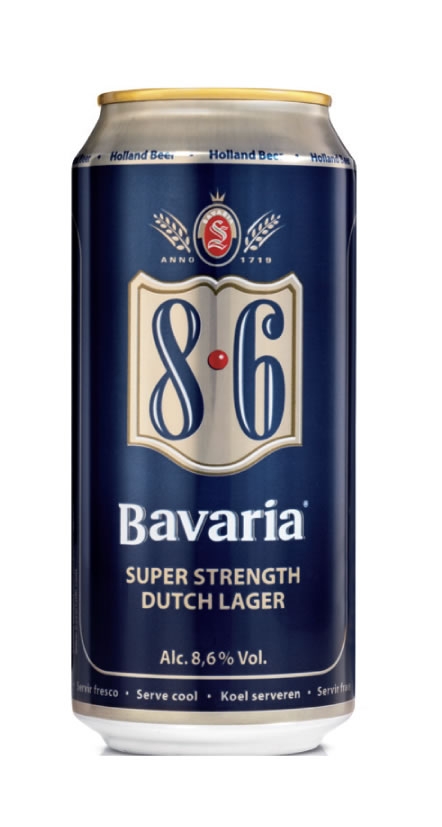 Abysmal funky-scented cloy-tasting malt liquor-like scum retains horrid corn oil astringency. Reprehensible.
BATEMAN’S XXX ALE
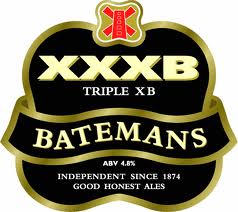 Like a pleasant Sunday morning stroll through the park, this mild ale retains a lively fresh-aired feel. Conspicuous dry-whiskeyed brown chocolate entry eases into soft-grained nutty bitterness. Honeyed malt barb and dry wood-toned tobacco tinge hoist serene Scotch finish. Compares favorably to Morland Old Speckled Hen.
BATEMAN’S SALEM PORTER
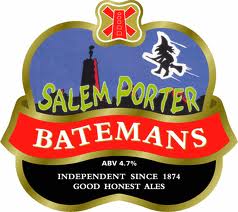 Dark brown dank-scented mocha-smoked porter coaxes burgundy finish from bittersweet plum-prune-raisin adjuncts. Despite nut-roasted black chocolate urging, rising wine-spiced twist puts this closer to lively Belgian ale.
BATEMAN’S NUT BROWN ALE
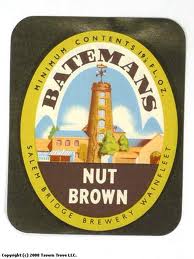 Unusual combination of Band-Aid aroma, cotton-like foam, and judicious chocolate sweetness cannot make up for lackluster nuttiness. Accommodating dough-like persistence and scarce wood tones keep this passive watered down moderation somewhat interesting.
BASS PALE ALE
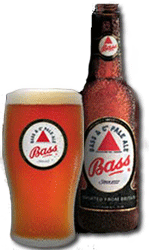 Highly regarded, widely touted amber-red ale with formal, efficient palate novices will appreciate alongside professionals. Rich caramelized grains embolden long lasting bittersweet (never harsh) finish confronting dry hop relief. Hidden beneath creamy butterscotch fizz lies subdued black cherry hints. On tap, its silky flow, sinewy yeast pleasantness, and sweet malt overtones rate a perfect five. In the bottle, yeast residue is lost. Canned version relies on ester-y apple nose, burnt sugar frontage, and dry grain backbone, turning tinny by caramel finish.