ELLIOTT SMITH @ IRVING PLAZA

Elliott Smith / Irving Plaza / May 18, 2000


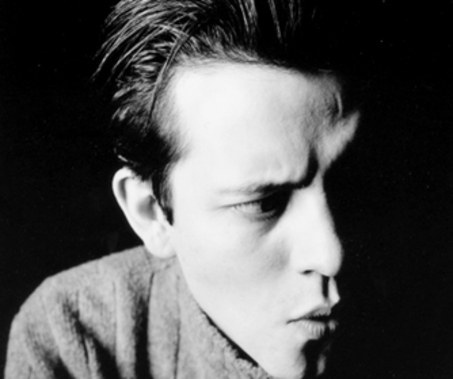
Experiencing Elliott Smith live with an electric band is very different than watching him perform solo acoustic or hearing his early 8-track recordings. Though the difference isn’t as dramatic as night and day, the polarities are worth investigating. Gone are most of the Beatlesque harmonies and gently melodic vocal inflections saturating the marvelous trio of albums, Either/Or, X/L, and the brand new, Figure 8, that provided the judicious material for this sold-out Irving Plaza date.

In a solo setting, Smith’s tangled-up-in-blue lyrics are more emotionally riveting, digging deeper into affairs of the heart, while offering medication for the soul. Although his innate sense of melodramatic brooding is all but lost in an electric environment, each original song was sparked by harder rock-edged (instead of pop) arrangements this warm spring evening.

Instead of getting mired in gloomy solitude, desperation, and alienation, the mood was melodically upbeat and the textural embellishments more varied.

Asking for no quarter, and wasting nary a second for between-song patter, Smith rushed through the one-hour set without interruption. Perhaps he was trying to squeeze in as many songs as he could in the allotted time frame.

Smith plucked and strummed a large Rickenbacker throughout, layering heavy guitar resonation over his expressive baritone. The t-shirt clad tandem of keyboardist/ second guitarist Asaron Embry, drummer Scott McPherson, and bassist Sam Coomes (from the band Quasi) elevated the urgency of every three-minute number.

No one in the crowd seemed to mind the fact that Smith’s folksy confessional intimacy was forfeited for a louder, more pungent approach to his songs. And after a resounding, well-deserved applause, Smith and company came back for a carefree two-song encore.

CORNERSHOP / THIEVERY CORP. @ IRVING PLAZA

Cornershop / Thievery Corp. / Irving Plaza / November 19, 1997

Offering a wonderful evening of multinational, multiethnic musical escapism at the spacious Irving Plaza were Britains’ Cornershop and Washington DC’s Thievery Corp. Startlingly original and uncompromising, Cornershop’s cut-and-paste material kept up a positive vibe that completely captivated fans.

Playing only tracks from the superb recent release, When I was Born For The Seventh Time, Cornershop delivered each little melodic caper in a slightly simmered down,less mystical way, sacrificing the swirly veneer and flowery effervescence of the stuio versions for refined, slightly more folk-rooted interpretations. Though singer-guitarist Tjinder Singh has a shy, unassuming persona, his brilliant blend of Punjabi folk, bhangra, and indie rock styles showed off his distinct musical awareness.

The comfy “Sleep On The Left Side” was delivered less obtusely then the recorded version. The soothingly and spiritually awakened, “Brimful Of Asha,” seeped into the night air like jasmine and the sitar-laced carnival, “Butter The Soul,” sputtered and splintered through its skewed hip-hop groove with ease. The Indian raga, “We’re In Yr Corner,” respectfully approximated the mood and feel of George Harrison’s Within You Without You.”

A bright pinwheel backdrop enhanced the extended Punjabi jam that closed this joyous set, leaving their adoring minions begging for more. Cornershop’s songs take on many shapes and colors, remaining truly original while staying totally en vogue with underground pundits.

Warming upthe Irving Plaza crowd (loaded with an unusual amount of publicity hounds), hip-hop/ dub reggae outfit, Thievery Corp. delivered what seemed like a half-hour narcotic jam. Connecting songs within the confines of an anthemic “Thievery Corp. Theme,” two dreadlocked rastafarian rappers and a bongo-sitar player surrounded tape manipulating programmers Eric Holton and Rob Garza (both dressed in conservative suits and sitting on kitchen chairs mid-stage), captivated the swelling audience with sociopolitical messages and freedom songs, interweaving sampled flutes and brass to thicken the foundation of their cultural surrealism.

Projected film clips and still photography enhanced Thievery Corp’s condensed set. They enthralled open-minded listeners, but may’ve left commercial-minded patrons disillusioned in a futile search for an easy concrete riff or playful melody to hold on to somewhere inside the distended grooves.

SUPER FURRY ANIMALS’ POLY-SCI RUNS ‘RINGS AROUND THE WORLD’

FOREWORD: Politically charged Cardiff combo, Super Furry Animals became an important cog in the wheel for the popular musical uprising fellow Welch bands such as Manic Street Preachers, and especially, Gore’s Zygotic Menisci, benefited from quickly. Making some of the greatest orchestral Anglo pop, yet receiving very little attention beyond sold out medium-sized clubs in the States, SA were easily one of the most dazzlingly resplendent UK bands in the ‘90s.
 
No one should be without excellent selections such as ‘96s Fuzzy Logic, ‘99s Guerrilla, or ‘01s Rings Around The World. All three showed off a great culmination of stylistic ideas. Since this martini-filled ’01 interview at a posh downtown Manhattan hotel, SA have released ‘03s nearly-as-good Phantom Power and ‘07s fair Hey Venus. By the by, these crazy fuckers actually owned and drove a military tank – no b.s. (read below). This article originally appeared in Aquarium Weekly.


It’s rare to find a sympathetic pop-friendly band with a liberal-minded sociopolitical consciousness bordering on socialism. Yet alongside fellow islanders, Gore’s Zygotic Mince, Wales-based Super Furry Animals hope to conquer the Western hemisphere.

After gaining first-rate European exposure with the sure-footed ’96 debut, Fuzzy Logic, and its respectable ’97 follow-up, Radiator, ‘99s tremendously diversified Guerrilla allowed the Super Furry Animals to invade the American shores (leading to a sold-out gig at Manhattan’s Bower Ballroom). Then, they had the poised audacity to assemble Mwng, a rarified Welch-sung turnabout available on the bands’ own Placid Casual label.

Recently, this egalitarian unit consisting of lead vocalist-guitarist Gruff Rays, bassist Gut Price, guitarist Huw “Bunf” Bunford, keyboardist Cian Ciaran, and drummer Dafidd Ieuan, unleashed their most provocative, vibrant work to date with the wholly seductive Rings Around The World.

Inspired by soulful ‘70s soundtracks and cinematic hip-hop, the bolshevistic quintet’s latest endeavor brings stirring harmonies and sweeping orchestral arrangements to exciting new heights. Whether mocking doomsday cultists on the heavenly lush “Run! Christian! Run!” or taking a friendly swipe at Monica Lewinski’s sordid affair with ex-pez Clinton on the string-laden neo-soul swoon “Presidential Suite,” SFA move beyond the politics of personal romantic intrigue whenever it strikes their fancy.

Yet the resolutely soft, accommodating balladry of the exquisitely romantic “It’s Not The End Of The World” and the hand-clapped Electric Light Orchestra-derived Classical rock of the mini-opus “Receptacle For The Respectable” stay within traditional pop confines without getting saccharin sweet.

Better still, the cheerful universality of the harmonically insouciant “(Drawing) Rings Around The World” offers a contrary indictment on communication overload.

Co-producer Chris Shaw provdied technical support on Rings while Jersey-based Eric Tew tweaked multi-harmonies and added random noise at the Pro Tools engineer. A simultaneously released 18-song Surround Sound DVD features commissioned films by hand-picked cinematographers.

I spoke to Gruff and Guto in the Big Apple one rainy afternoon about Rings and things.

“Juxtapozed With U” and “It’s Not The End of the World” remind me of the UK’s Northern Soul movement. Does soul music pique your interest?

GRUFF: We tend to regurgitate our record collections…sometimes exquisitely. A lot of the string sounds and references. I like the political consciousness of the whole ‘70s soul era. Gil Scott-Heron, the Impressions, and Curtis Mayfield.

How about the inner city ‘Blaxploitation’ films such as Shaft or Superfly?

GRUFF: Yeah. We like a lot of those soundtracks. We get off on the social tension those films portrayed to full affect. And how the music moved the films along.

The DVD that accompanies Rings had great theatrical quality.

GRUFF: When you go to the cinema to see a film, it always sound amazing these days. Then you go home and put a record on and it’s underwhelming. Ultimately, the idea was if it takes of as a film we could stay at home and count the money. (laughter)

GUTO: We’ve been using Surround Sound at the concerts lately. Hopefully we could bring at least a quad system to America. We have a joystick machine that’s about a foot long. You stick speakers in it and you can spin songs around the room. If you have it onstage you could direct your voice to the back of the hall and put it in the right or left hand corner. It’s a way of getting a little extra out of our sound.

Your harmonies continue to improve as catchy pop tracks “Sidewalk Surfer Girl” and “Receptacle For The Respectable” instantly make clear.

GRUFF: We were trying to filter out our ‘B’ influences like the Beatles, Beach Boys, Badfinger and the Byrds – and get out those obsessions. It was intending to be a harmonic album. We wanted it to be a blockbuster like the Eagles megahit Hotel California. (laughter) Actually I don’t like them. But Don Henley bought our tank.

What tank?

GRUFF: A killing machine piled high with speakers and a sound system.

GUTO: We persuaded our record company in ’97 to give us a tank instead of money. We used to drive it around to rave festivals. It was a peace tank for shooting fruit at the hungry. It was covered with our name. But the gas was expensive and we couldn’t afford it. An anonymous buyer, who turned out to be Don Henley, bought it. He’s got it on his ranch in California.

Since the World Trade Organization is having its meetings protested one mile north in midtown Manhattan as we speak, what are your political views on that situation?

GRUFF: As I recline on a comfy chair at the Soho Grand. (laughter) These multi-conglomerate corporations have more power than some sovereign nations. The people we vote in don’t have the power of these corporations. So we’re effectively living in totalitarian states even though it doesn’t say that on the packet. Third world nations are still in debt, so it’s obscene to have this WTO. Our songs are political, but we get these ideas from TV soundbites. I’ll see the American President on the news in Wales more than I’ll see my girlfriend. When we recorded Guerrilla, the Clinton-Lewinsky affair hit the airwaves. At the time, Boris Yeltsin was in Japan. His bodyguards were staying at our hotel there, drinking vodka for breakfast. We offered them to come to a party. So these ten Yeltsin bodyguards joined us for some good times.

ERIC MATTHEWS CONCEIVES POCKET SYMPHONY IN ‘THE LATENESS OF THE HOUR’

FOREWORD: Before going solo, California-styled musical designer Eric Matthews teamed up with Australian singer-songwriter Richard Davies to make wistful Chamber pop symphonies under the guise of Cardinal. Though their eponymous orchestral pop debut won serious plaudits, the co-leaders were too headstrong to continue as partners. Davies left to go solo on ‘96s wonderfully smooth There’s Never Been A Crowd Like This, 98s ambitiously surreal Telegraph, and ‘00s straight-up pop gesture, Barbarians.

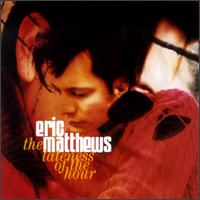
Meanwhile, Matthews landed on his feet, too, putting out ‘95s lushly compelling It’s Heavy In Here and ‘97s equally sumptuous The Lateness Of The Hour. But I’m unfamiliar with ‘05 Six Kinds Of Passion Looking For An Exit and ‘06s Foundation Sounds. I interviewed Matthews via phone to promote The Lateness Of The Hour. This article originally appeared in Cover magazine.


Eric Matthews’ newest mini-pop symphony, The Lateness Of The hour, features acoustic pop vignettes and dreamy baroque tunes woven into a translucent semi-thematic opus.

Having gained exposure in the short-lived Cardinal with fellow singer-songwriter, Richard Davies, a lyrical Australian minstrel with similar tastes, the reflective twosome eventually moved on to separate solo careers. But it was Cardinal’s eponymous ’94 album, with its brilliant melodies and gorgeous arrangements, that gave them fervid cult status.

Matthews, an Oregonian tunesmith and former San Francisco Conservatory of Music trumpeter, released his pastoral debut, It’s Heavy In Here, during ’95. With a plush, smoky baritone that glides gently above neo-Classical settings, insouciant soft rockers, and billowy mood pieces, he handsomely exposes heartfelt yearning and ardent desire.

“What I’m doing is earnest music in the true tradition and spirit of the masters: Billy May, Gordon Jenkins, and Burt Bacharach. They were fabulous orch-pop arrangers that gave me something to shoot for,” Matthews confides. “I’m also inspired by Classical symphonic composers Rachmaninoff, Tchaikowsky, and Barber, along with film composers John Williams (Star Wars) and Rosa (Casablanca0. I’d like to think there are still some artists making real revolutionary pop records. But they’re not widely acknowledged presently. It’s like trying to fight against the tide.”

He claims The Lateness Of The Hour is a “soundtrack to a nice clear sky day.”

Its pleasant wistfulness recounts past relationships and imagery-laden incidents with acute hindsight. Helped along by Jellyfish composer Jason Faulker (electric guitar, piano, bass) and increasingly popular solo artist Spookey Ruben (bass), Matthews sprinkles flower power psychedelia, jangly acoustic vibrancy, and glass-like percussion into his expressive compositions.

“It’s a shame Faulkner’s excellent Author Unknown solo album didn’t sell many records. From my perspective, the better pop music of past generations went mainstream. But Nirvana got so successful, it changed what radio played entirely,” surmises Matthews.

The first single from Lateness, “My Morning Parade,” went to the chopping block at radio in July. Its friendly melody and upbeat horns give it the perfect sunny day ambiance. And the reliable Beach Boys knockoff, “No Gnashing Teeth,” gains strength from its Phil Spector-ish Wall of Sound studio atmosphere, polite piano undercurrent, and triumphant trumpet finale.

“People unfortunately believe Celine Dion and John Tesh make high quality, graduated symphonic pop. But it’s cheesy Night of 1,000 Strings gloss. I’d much rather listen to great singers, like Frank Sinatra, Perry Como, and Dean Martin. They had class,” Matthews concludes.

DIRTY THREE TAKE AUSSIE CHAMBER FOLK UNIVERSAL

FOREWORD: Dirty Three were an Australian instrumental trio whose poignantly Classical-inspired Chamber pop piqued the interest of more adventurous post-rock explorers. Live, at Tramps in Manhattan, they played their intensely moving tunes and followed them up with some welcome, but unexpected, comic relief in the form of dirty jokes, disgusting fake song titles, and audience baiting routines. Fuckin’ great stuff. They followed up ‘03s She Has No Strings Apollo with ‘05s lesser-known Cinder. Dirty Three’s members have backed up Nick Cave and Cat Power since then. This article originally appeared in Auqarian Weekly.


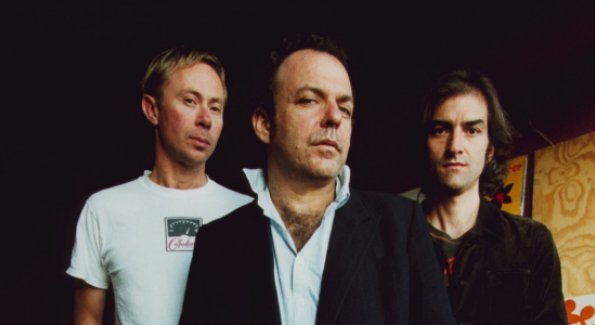
Poignant wordless emotionality, provocative sadness, and beautiful ethereal imagery define the solemn neo-Classical requiems prescribed by Melbourne, Australia’s debonair instrumental trio, Dirty Three.

Fronted by violinist Warren Ellis, this investigative ensemble has made five illustrious albums while its individual members concurrently appeared on a bevy of recordings by independent-minded artists such as Will Oldham, The Cruel Sea, Tex Perkins, Ute Lemper, and Black-Eyed Susans. An admirer of bluegrass and traditional Scottish-Irish music, Ellis studied piano and accordion as a child, learning standards such as “I’ve Got A Lovely Bunch Of Coconuts” and “Roll Out The Barrel” as a pre-teen in school.

In the early ‘90s, following a stint in unheralded These Future Kings, Ellis met guitarist Mick Turner, formerly of respectable punks, the Moodists, and drummer Jim White, who’d collaborated with Turner in local legends, Venom P. Stinger. Turner and White brought punk’s independent creative aesthetic to the delicate Baltic melodies and plaintive Celtic influences Ellis discovered as an impressionable youngster.

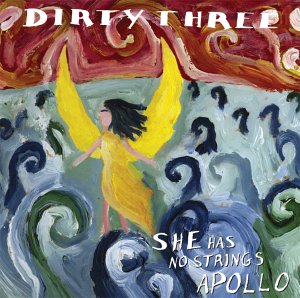
As Dirty Three, they’ve released ‘94s startling self-titled debut, ‘96s chaotic amble, Horse Stories, and ‘98s acoustically pure Ocean Songs to the delight of open-minded alt-rock intellectuals. By ‘00s more efficient Whatever You Love, You Are, their reflective moribund dirges were getting increasingly complex, leading to the pristinely jumbled pulchritude of ‘03s diligent She Has No Stings Apollo.

I caught up with Ellis via phone while he was doing laundry in France during a hailstorm before an evening show. The band will be featured in an upcoming concert film and Ellis hopes to recruit a large ensemble of diverse instrumentalists for unspecified future concerts.

Compare US audiences to their European counterparts.

WARREN: Each country is an entity unto itself. Italy – we get a good response, but Germany, we don’t have much of a following. In the States, we probably have our best following.

I thought Europe’s 500-year Classical music history would make Dirty Three more popular there.

WARREN: Eight years ago, when we left Australia, I would’ve thought the same thing. We’re set up better in the States with Touch & Go and booking agents.

I was surprised you made hilarious off-color comments between each serious piece Dirty Three played at Tramps in ’98 to loosen up serious-minded fanatics.

WARREN: It breaks up the tension. I find our songs uplifting. I feel good after we play. I’m not depressed.

Tell me about Dirty Three’s pre-debut cassette, Sad & Dangerous.

WARREN: We recorded that in Mick Turner’s living room so we could remember the songs. At that stage, we wouldn’t have had our act together enough to send it to people and put out. A record store employee sent it to America and told us they wanted to release it on vinyl. We did things on the fly then. I got invited down to a pub where Kim Salmon (of Aussie icons the Scientists) had Monday night residency. He had this melody (which became the eponymous debut’s “Kim’s Dirt”) he played in my kitchen and when Dirty Three had its first show we worked out a bunch of songs. When he heard us do that background music that night he said we should take it.

Apollo’s song titles seem ironically satirical. The twinkly piano delicacy, “Long Way To Go With No Punch” seemingly boasts of lacking a climactic punch line.

WARREN: Titles could be spot-on or red herrings. Like Bob Dylan, who hides his greatest songs on Biograph or bootlegs, we try to mislead people. If you listen closely to this album, there are many different layers and it’s adventurous. We’re playing tighter than ever. We recorded it after touring with these songs we didn’t quite know. It put the fear of God in us again playing live and made the songs stronger. We’d recorded 20 songs from 35 or 40 ideas and worked down to seven, hammering them out onstage.

“Sister Let Them Try To Follow” takes joy in daring listeners to keep up with its heady arrangement, as guitar and violin move in separate distinct patterns above freeform drums.

WARREN: Yeah. It’s a lesson for the young kids. Don’t fucking come anywhere near us. (laughter)

“No Stranger Than That” seems flippantly influenced by Western music.

WARREN: That’s solely inspired by Hungarian violinist Felix Lajko, probably the greatest living violinist. It’s a tip of the hat to the master.

You should consider doing film work.

WARREN: We did the soundtrack to an Australian film, Praise, It’s based on a successful book and the film came together well. We were offered to do an HBO documentary score on serial killer doing art in prison. We had a dilemma. People offered strong opinions. We felt the images were so strong people related to our songs in such a personal way that we left it at that and didn’t want corpses being dug up while we’re playing.

Do your songs build from improvisations?

WARREN: It depends which record and what year. We started from small, humble beginnings, taking anything as far as we could. After years in pubs, we learned how to play better as a group. With each album, we’ do something different as a matter of maturing. There’s no divine intervention. We’re just banging away. I tried to work more parts into what I was playing on Whatever You Love. And Ocean Songs was a lesson in dynamics, trying to create intensity with no amps. Horse Stories was a giant, ugly fuck you to the world.

The hushed ambiance of In The Fishtank, Dirty Three’s captivating one-off collaboration with Low, peaks with Mimi Parker crooning Neil Young’s “Down By The River.”

WARREN: We had done a double headlining tour with Low for Ocean Songs. They’ve been friends for ages and invited us to play without working anything out. We met outside an Amsterdam farm studio for two days and captured the whole atmosphere. It was effortless, enjoyable, and certainly influenced how we play.

People compare your trio to early ‘90s slo-core band, Slint.

WARREN: I obviously know the band, but I don’t know what slo-core id. The problem with labeliong music is people go, ‘I don’t like that.’ Or maybe, ‘I don’t like Jazz.’ But there’s much good Jazz. John and Alice Coltrane, Miles Davis, Ornette Coleman. We’re still discovering them. I also like Classical composers Eethoven, Shastokovitz, Haydn, and Bartok. In the rock field, I like early AC/DC and Neil Young.

Your playing on Nick Cave’s solemn No More Shall We Part seemed to prominently affect his devotional songs.

WARREN: Nick could go pretty deep on his own. I helped write string arrangements with Nick Harvey on that. But I don’t listen to things I do so it’s hard to be judgmental. I listen when I’m done to see if it’s all right. The new one I listen to quite a bit because it continually surprises me. We worked hard at this and it was difficult. We were grateful afterward.

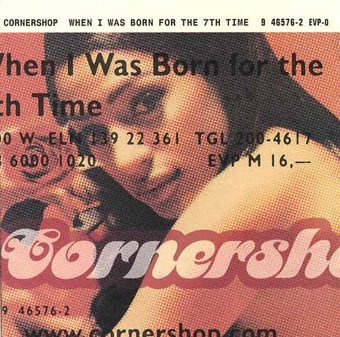
CORNERSHOP: INDIAN GIVERS RELEASE ‘WHEN I WAS BORN FOR THE SEVENTH TIME’

Cornershop - In Session 1993 - Past Daily Soundbooth – Past Daily: News,  History, Music And An Enormous Sound Archive.

FOREWORD: Cornershop frontman Tjinder Singh has a natural talent for crafting great cut-and-paste Punjabi-flavored pop kitsch. ‘97s “Brimful Of Asha” boiled down Cornershop’s hybridized sound to its essence. But since then, they’ve remained low profile except for ‘02s handily accessible Handcream For A Generation. Cornershop has promised to release Judy Sucks A Lemon For Breakfast in ‘09. This article originally appeared it HITS magazine.


Cornershop’s Tjinder Singh, a gifted London-based Indian singer-songwriter, uniquely blends Punjabi folk, bhangra, lo-fi post-punk and electronic embellishments on his quartet’s third full-lengthg disc, “When I Was Born For The Seventh Time.”

Wide open to a cultural exchange of ideas, Singh challenges and delights listeners with joyously uplifting songs. More polished, stylistically congealed, and melodically captivating than ‘95s very fine Woman’s Gotta Have It, this follow-up deals with spiritual rebirth, but sidesteps cultural roots exploitation with rebellious world music collages.

Linking intriguingly untrendy, unfashionable, song structures with cut-and-paste arrangements, Cornershop pursues excellence through diversity. An undeniably friendly insouciance abounds on the instantly appealing “Brimful Of Asha” and “Sleep On The Left Side.”

I spoke to Tjinder Singh via phone, Thankgiving eve, 1997.

How has Cornershop grown musically from its early, experimental singles to this most recent long-player?

TJINDER: Our first EP, In The Days Of Ford Cortina, had four songs that were varied. We’ve tried to build on that by making each song different. By the time we did our third EP, we honed in on a sound. Some people say it’s East meets West, but that’s very short-minded. What we do is delve into different types of music and take elements of each. We don’t break our music down so much as keep it open.

Cornershop has succeeded by writing good songs that connect on an emotional level.

TJINDER: We try to put as much effort into each track as possible. But albums are difficult to do these days. We’re aware that with programmable CD’s, people pull only a few tracks off the album. So we were very conscious of trying to keep the listener occupied for the whole duration.

When I Was Born For The Seventh Time seems more joyous and positive than Woman’ Gotta Have It.

TJINDER: You’re right, we preempted Tony Blair’s election victory in England and are celebrating the end of the century. I just think in a small amount of time he’s tried to push some positive ideas. He has opened up to arts and entertainment.

What are your thoughts on the royal family?

TJINDER: I really don’t give a fuck whether the Royals should exist. What I do realize is people in positions of power and influence should use their status positively.

How does your background as a designer correlate with Cornershop’s music?

TJINDER: I worked for William Morris, who was a founder of the arts and craft movement. His poetry was great. He had a forward-thinking policy of learning to do things differently. That’s how we feel about Cornershop – not in terms of big hit records, but by giving every bit of ourselves to achieve success. William Morris even coined the phrase “Born To Be Wild.” That’s where Steppenwolf got it from. They had five years of good rocking. We used to drink at a local pub and put on “Magic Carpet Ride.”

What are some other musical influences?

TJINDER: The first things I heard were Punjabi folk and Sikh devotional music. Bhujangi groups from Birmingham in the late ‘70s were rocking. Then I was into the Spinners. After that, it was a matter of developing a record collection. I went to a Sikh temple and within walking distance was a black Christian Gospel church. I’ve always liked religious music because it puts over a genuine feeling in people very quickly. I’m not that religious. But my influence from religion is based on a lack of self-confidence.

“Funky Days Are Back Again” has a happy, embracing sound that feels pretty spontaneous.

TJINDER: We recorded it on a DAT in a Vermont hotel the same day we bought a keyboard. It was made on the spur of the moment. It’s good that the feeling of “Funky Days” reflects the gap of where we are now after the ‘80s.

Have you made any music videos lately?

TJINDER: The Light Surgeons did a video for “Good Shit.” A friend of ours, Phil Harder, did one for “Brimful Of Asha” – which has been getting quite a bunch of airplay. It’s a very bright, bold-colored video and it absolutely rocks.

The guitar licks on “Brimful Of Asha” reminded me of Lou Reed’s “Dirty Boulevard.”

TJINDER: It’s more Jonathan Richman. We’ve always liked him. The B-side of his “Roadrunner” single was “Angels Watching Over Me,” which was very much in that Gospel vain.

How did you get Allen Ginsberg to add a poem to “When The Light Appears Boy”?

TJINDER: We were using his spoken word pieces, like “Howl,” after gigs. He also got into Woman’s Gotta Have It. He seemed to be into the idea of working with us after we met. So he showed us his modest apartment and then we recorded it. It has references to William Blake’s “Vision Of Death.” Ginsberg was very frail at the time and knew he was going to die, so that made it more poignant. Instead of making it a rock song, we put in Asian elements I recorded in India to reflect where his spoken word influences were from, especially with “Howl.”

What did you learn from touring with the likes of Beck and Los Lobos?

TJINDER: That it’s pretty tough being at the bottom – which is where we are. And that’s where we’ve been for the last few years. We know how hard we’ve tried and I suppose, the more we get into it, the harder it may get for a band like ours. Maybe we’re better left where we are…in obscurity. Three years ago, Sonic Youth’s Thurston Moore said he didn’t like any new music, but mentioned that Cornershop interested him. That’s remarkable.

As an Asian Brit, do you feel discrimination still exists?

TJINDER: I certainly think so. As Cornershop, how much do we have to do to be taken seriously? It’s quite difficult to move units when you’ve got a black face. We’ve slowly received credit. We continue to make music to prove those people wrong and let them run with their tail between their legs.

What are you up to these days?

TJINDER: I recorded some B-sides recently with more strings. There’s also something I wrote for the multi-artist The God, The Bad & The Ugly album.

SWERVEDRIVER NEVER SNOOZE THRU ‘99TH DREAM’

Image result for swervedriver


FOREWORD: Oxford, England-based Swervedriver brought hard rockin’ enthusiasm to whirred surrealistic capers in a uniquely fascinating way. Record company problems plagued the band. ‘95s fantastic Ejector Seat Reservation went unreleased in America and by ‘97s admirable 99th Dream, they called it quits. Singer-guitarist Adam Franklin went on to start the just-alright Toshack Highway. In ’08, Swervedriver re-formed to play Coachella Festival. This article originally appeared in Aquarian Weekly.


Swervedriver’s psychotropic dreamscapes and provocative allusions comine Raw Power punk energy with sheer noise rock on the trippy escapade, 99th Fream, their fourth long-player since ’91. Defying logical genre identification, this Oxford, England quartet offer impressionistic escapism, twisting melodic psychedelia above huge slabs of searing guitar textures and ruptured rhythms.

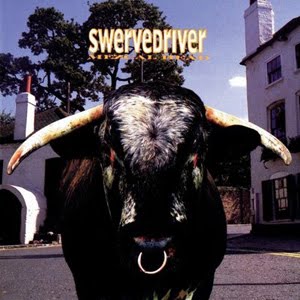
After a few early EP’s gained underground popularity overseas, Swervedriver debuted with the developmental Raise. In’93, the resiliently challenging Mezcal Head extended the futuristic vision of sonic aggro-pop pioneers Jesus & Mary Chain and My Bloody Valentine. Then A & M dropped the band and ‘95s critically acclaimed Ejector Seat Reservation never saw the light of day in the States. Thankfully, New York’s Zero Hour records signed Swervedriver, providing drooling fans with 99th Dream.

In January ’98, Swervedriver played a sold-out industry showcase at Manhattan’s Mercury Lounge, mesmerizing the crowd with newly-waxed gems and a few distended versions of vintage tracks. That afternoon I spoke to guitarist Jimmy Hartridge about the new album, touring, favorite artists, and various other points of interest.

Many fans want to know if ‘95s Ejector Seat Reservation will ever get officially released in America.

JIMMY: It’s a complicated issue. Our American label, A & M, dropped us after Mezcal Head for financial reasons – like it didn’t make a million dollars. When things go wrong, everything does. Then Creation dropped us and made the record a collector’s item. If a Bryan Adams album comes out at the same time as Swervedriver, they’ll put their money on the proven product.

Were you intrigued by music as a kid?

JIMMY: In England, we have Top Of The Pops, When I was 14, Sweet, Slade, and T. Rex were on. And everyone in England wants to either be a pop star or a football player.Later, when punk came along, anyone could be in a band. You didn’t have to be a virtuoso guitarist. Me and Adam (Franklin: singer-guitarist) grew up in a small village, hung around, and got a band going.

Swervedriver’s music is remarkably impressionistic.

JIMMY: We don’t plan to have anything come out a certain way. We usually have a basic riff and analyze it when we mix it. Then we texturize it. There’s some interesting Crumar keyboard sounds – an instrument I picked up at a junk shop – and some warbly stuff. We have our own studio in London now. We get to experiment with guitar pitch, feedback, and sustenance. And use some wah-wah guitar. You don’t want to make music too flat and dull.

What bands were early inspiration for you?

JIMMY: We did a gig in Australia and someone said our power chords reminded them of The Who, but they’re probably more concise then us. Everyone likes The Who. They’re one of those classic bands. I liked their first few punkish, straight down the line albums. They got pompous after Who’s Next.

What guitarists inspire you?

JIMMY: Keith Richards and Kames Williamson and Scott Asheton (the latter two of the Stooges). I could never get into that Jimi Hendrix thing ‘cause I wasn’t good enough. Keith Richards took his bottom string off and made it into a flat chord. I just play what comes naturally to me.

On Mezcal Head, noise seemed more important than melodies. Has that shifted for 99th Dream?

JIMMY: Yes. That’s true. We tried to expand a bit. We started off being influenced by Sonic Youth and the Stooges, which play noise-oriented music. We still get our kicks with noise, but it’s more melodic. On the Raise album, we were just learning our own muse. We mixed it ourselves and made mistakes. It has got its charm and reminds me of the Stooges Raw Power. It’s gonna take years for fans to hear all the sounds on the new album. We try to avoid c

THEY MIGHT BE GIANTS HIT THE ROAD IN ‘MINK CAR’

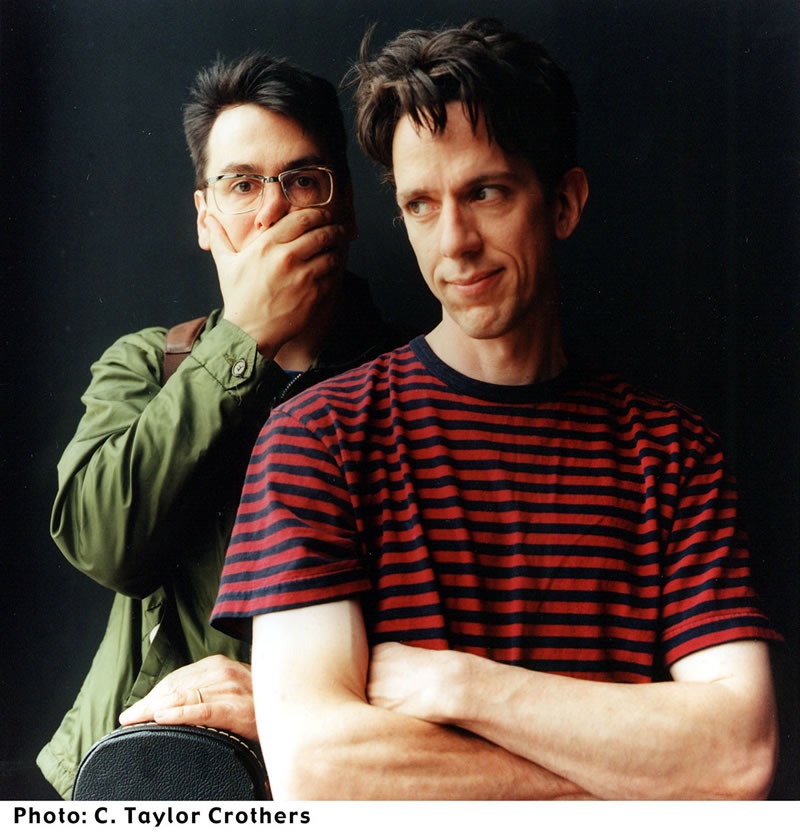
FOREWORD: I fell in love with They Might Be Giants from the beginning. Their cartoon video for the silly “Hotel Detective” and the quirky bounce of “Don’t Let’s Start” made their absurdly funny eponymous ’86 debut a dandy, one of the most wittily humorous rock albums since Steve Martin did “King Tut.”

Fronted by the Two Johns (Flansburgh and Linnell), TMBG then became extremely prolific, something you wouldn’t expect from a few loose novelty-writing class clowns. ‘88s Lincoln brought forth the totally catchy hard rockin’ “Ana Ng.” ‘90s Flood boasted the equally hooky sentimental embrace “Birdhouse In Your Soul.” ‘92s Apollo 18 and ‘94s John Henry kept the ball rolling.

Used to performing tersely titillating tunes, it wasn’t a far stretch for TMBG to work on film songs, TV themes, and children’s records, and those are sprinkled amongst subsequently fine LP’s such as ‘01s Mink Car and ‘07s The Else. TMBG also offered Dial A Song phone jingles almost a decade before ring tones got popular. I originally interviewed Linnell for Smug magazine in ’88, but the following ’01 piece with Flansburgh is richer. This article originally appeared in Aquarian Weekly.


Growing up in the shadows of Harvard Square as an architect’s son, suburban Bostonian, John Flansburgh (vocals-guitar), met up with future They Might Be Giants partner, John Linnell (keyboards-accordion-sax-vocals) at their high school newspaper. They wrote articles, drew cartoons, and learned photography at an action-packed pace their fun-filled future band would benefit from.

Flansburgh then attended hippie-alternative Antioch College during the late ‘70s while Linnell spent a semester at Umass and played in savvy pop band the Mundanes (with future Beavis & Butthead producer John Andrews). By ’81, they caught up with each other in New York when Flansburgh was a Metro North-employed Fine Arts student at Pratt and Linnell, by chance, moved into the same Brooklyn building. They begam making home tape demos as a side project and began establishing a loyal local following with campy, frolicsome shows.
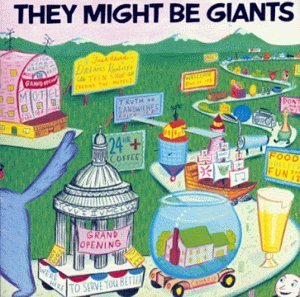
A sparkling self-titled debut of addictive mindless pop insouciance such as the bouncy “Don’t Let’s Start” and the cheesy “Hotel Detective” put They Might Be Giants on the map. Their cheery trinkets, sunny disposition, and rapturous spirit made a fiercely complicated world a little easier to take by offering an infectious remedy to relieve minor aches and pains.

Lincoln’s spiffy, guitar-clipped ’88 splurge, “Ana Ng,” and Flood’s casually swaying ‘90 heart-throbber, “Birdhouse In Your Soul,” chugged along with the same melodic escapism the WMCA good guys stumbled upon as fast-moving DJ’s in the innocent craze of jingly jangly ‘60s AM radio. Amongst a dalliance of euphoric ephemera (Several EP’s, ‘98s Severe Tire Damage compilation, etc.) were full-length releases such as ‘92s Apollo 18, ‘94s John Henry, and ‘96s Factory Showroom.

Recently, TMBG finished up a two-month tour for the brand new Mink Car at historic Manhattan theatre, Town Hall. By shuffling the fabulous three-piece Velcro Horns around backup guitarist Dan Miller and bassist Dan Weinkauf (both formerly of the band, Lincoln), the Two Johns have expanded their whimsical domain.

Playing the part of a busy MC, Flansburgh’s jagged jokes, wacky wisecracks, and impromptu radio surfing (the band broke into an impromptu take on Argent’s “Hold Your Head Up” and an unspecified Latin jam as he kept searching ‘round the dial) were given expediency by Linnell’s punctual multi-instrumental dexterity. One unexpected highlight came when amazing drummer Dan Hickey (Joe Jackson/ B-52’s) merged style-shifting drum solos ranging from Jazz legend Buddy Rich to lunatic mod rocker Keith Moon with pizzazz.

On record, the exuberant “Bangs” and the rubbery “Cyclops Rock” get Mink Car off to a fast start. By combining Giorgio Moroder’s robotic ‘70s disco beat with the Pet Shop Boys ‘80s new wave, “Man, It’s So Loud In Here,” gets swept away by club-bound romanticism. After the puppy love ballad, “A First Kiss,” things get rockin’ again. The bass-bustling Blues-siphoned “I’ve Got A Fang” gains exotic flavor from its snake charmer keyboards while the fuzzy take on Georgie Fame’s “Yeh Yeh” (mixed by Fountains Of Wayne pop idol Adam Schlesinger) will get fingers snappin’ and spines shakin’ in no time.
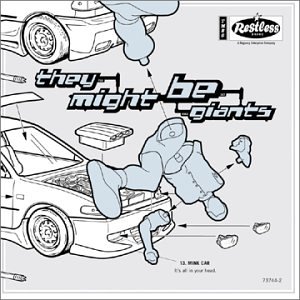
Besides gaining further exposure with the punk-throttled Malcolm In The Middle theme song, “Boss Of Me,” the dynamic duo previously licensed “Dr. Worm” for the kiddie animation Kablam! and created “Doctor Evil” for Austin Powers’ The Spy Who Shagged Me. Acclaimed filmmaker AJ Schnack will celebrate TMBG with their 20th anniversary documentary Gigantic (A Tale of Two Johns) in 2002.

Do you feel They Might Be Giants provide humorous social critique for an audience too caught up in post-modern irony?

FLANSBURGH: In our culture, if you’re not caught up in proving your authenticity, it’s hard to say where your pop consciousness begins and ends. I don’t feel we’re commenting on our culture. I realize we touch on familiar ideas, but the general impulse comes out of the same impulse any songwriter would have. If people label you ironic, it’s one step away from being cynical. We’re extremely un-cynical, especially compared the popular music on the horizon. I feel we’re uncalculated and distant from the notion of being some snarky, sarcastic thing. There’s joy in what we do; a celebratory aspect. It’s the power of a good time party band. I don’t mind being pigeonholed, but I get the impression we’re summarized as being mean-spirited. We’re a complicated band with a range of songs and intentions.

The hopeless romanticism of simple pop goiofs like your debut’s weak-hearted “Don’t Let’s Start”, Flood’s affectionate trinket “Birdhouse In Your Soul,” and Mink Car’s heartbroken “Cyclops Rock” get to me emotionally the same way bubblegum staples “Love Grows (Where My Rosemary Goes” by Edison Lighthouse and Bobby Sherman’s “Easy Come, Easy Go” once did.

FLANSBURGH: I did a cover of “Love Grows” with my college band, the Turtlenecks, in Ohio. We did half-originals, half-covers.

I first got into TMBG after watching a cartoon version for the ditty, “Hotel Detective.”

FLANSBURGH: That was the third video we did. After being a local band for four years, we started touring in ’86 and became almost a viable national act.

Your live show continues to evolve.

FLANSBURGH: We want to rock the crowd, but that tempers the amount of slow songs we like to do. There’s a tyranny to the uptempo song. They dominate because they work on such an immediate level. Happily, we haven’t had a career where one song eclipses what we do. We’ve had minor successes which makes it easier to do an entertaining full length show. But if we don’t do “Birdhouse” or “Istanbul (Not Constantinople)” people would think we were being prissy. We’re obligated to do those because they hold a place In people’s minds and hearts. But I don’t feel any distance from our earlier stuff.

Mink Car may contain your catchiest songs since the debut.

FLANSBURGH: Thanks. That’s high praise.

“Bangs” has a highly accessible multi-layered ‘60s-styled feel-good flow.

FLANSBURGH: We worked on that with Clive Langer and Alan Winstanley (respected Brit-pop producers who’d previously worked on “Birdhouse”) spending time figuring out how to build the song up. It’s surprisingly simple considering how thick it gets by the end. I love that song.

What does the crazed female scream for “Cyclops Rock”?

FLANSBURGH: Cerys Matthews of huge British band, Catatonia. She’s a notorious wild girl in England. They were working with Clive on their LP at the same time. We were gonna get Joe Strummer to do a chant section, but we finished before that could happen.

Besides cool rhyming by Soul Coughing’s Mike Doughty, “Mr. Xcitement” features Elegant Too. What’s their background?

FLANSBURGH: They’re a production crew who are all over that track. They’ve got great ideas on how to approach electronic music. They do TV and soundtrack work. Chris Maxwell (ex-Skeleton Key) is a great guitarist and I worked with drummer Phil Hernandez on my side project, Mono Puff. It was a gas doing sessions with them. We had a bunch of horn blasts created for us to manipulate experimentally in the computer. It takes the driving beat of “Peter Gunn” and morphs it into a drum ‘n’ bass idea.

You cover Georgie Fame’s late ‘60s British #1 hit, “Yeh Yeh” on Mink Car.

FLANSBURGH: The original was done (by second-tier pop trio) Lambert, Hendricks & Ross. I’ve never heard it, but have heard of it. It’s impossible to locate. The Georgie Fame version is even faster than ours. It’s hopped up and manic.

You did a song “In The Middle” at Town Hall. You said it was to be released on a children’s album. Who was the female singer onstage?

FLANSBURGH: That’s my wife, Robin Goldwasser. She sang “Doctor Evil” for Austin Powers’ soundtrack. We’ve got an all-original children’s album, No, due in spring. Though people wouldn’t think of it as a departure from TMBG, it really was. It took awhile to crack the code of keeping kids interested. We bought various rock-related children’s records, but some were too repetitive. We wanted it to have a ‘Seussian’ quality.

How did the perfectly obnoxious parent-dissing Malcolm In The Middle theme, “Boss Of Me,” come to fruition?

FLANSBURGH: We just had a top 20 UK hit with that. That song is like the son of “Twistin’” from Flood. It’s structurally different, but in terms of energy, it’s not uncharted territory. We wrote it a few years before the show came on.

Do you feel an affinity with Mark Mothersbaugh (ex-Devo) or Danny Elfman (ex-Oingo Boingo) since they do the Rugrats and The Simpsons themes and formerly led humorous underground rockers like TMBG?

FLANSBURGH: It’s strange that it has become a path for alt-rockers. But it’s not a big surprise. The only thing you need to have going for you is an open sense of musicality. We’ve done background music for Malcolm and incidental music for The Daily Show with John Stewart and ABC’s Nightline. They’re all different gigs. Much of it is hard to recognize as TMBG. It’s fun to stretch out and do orchestral work not leaning on lyric writing. It’s an interesting challenge and a natural progression.

Tell me about the internet-only Long Tall Weekend.

FLANSBURGH: You can’t get it in stores. It was made for an entirely different generation of college kids downloading material. Because not everybody is wired, there are barriers. But there’s no manufacturing costs or physical component and it sold 20,000 of pure profit. Mink Car is a straightforward LP with wide ranging material. Long Tall Weekend was a crazy compilation like The Who’s Odds & Sods with unusual songs like “Edison’s Museum.” Factory Showroom (’96) was our last studio album. The first place our newer songs show up are on the ‘Dial-A-Song’ phone service. But the MP3 monthly subscription service on E-music – They Might Be Giants Unlimited – features a dozen songs per month with 3,000 subscribers. There’s an unquenchable thirst for new material. But the best songs go on our proper albums.

Give me the scoop on the seasonal Holidayland.

“Santa Clause” is a ‘60s cover from garage band, the Sonics. It’s a rough recording that captures the vibe of the Sonics. “O Tannebaum” is very close to its original German version. There’s toy piano on “Feat Of Lights.”
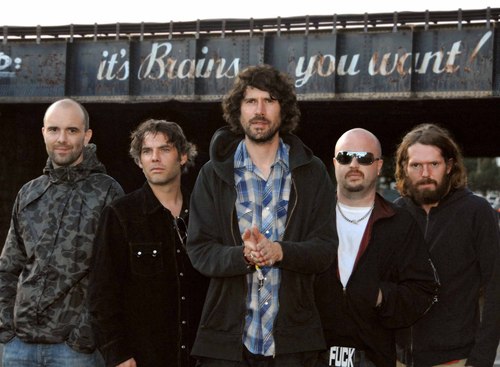
PAVEMENT @ ROSELAND BALLROOM

Pavement / Roseland Ballroom / May 11, 1997


Historic Roseland Ballroom may be the most sterile sounding New York venue due to its monstrously high ceilings and under-whelming sound system. Happily, Pavement and their sound crew did enough solid preparation to overcome any venue limitations. Mixing in tunes from ‘97s Brighten The Corners alongside several fan faves, the critically raved Pavement proved to be at the top of their game on the way to glorious alt-rock heaven.

Dressed in collared shirts, the frontline of literary-bound singer-songwriter (and indie rock idol) Stephen Malkmus, guitarist-singer Scott ‘Spiral Stairs’ Kannburg, and bassist Mark Ibold provided sharp riffs, wry humor, and a relaxed atmosphere for the attentive crowd. Behind them, Moog playing percussionist Bob Nastanovich’s electronic textures and drummer Steve West’s sturdy beat kept the rhythm strong. And the sparkling tinsel backdrop gave Pavement’s moody reflections and climactic stanzas an abstract aura.

In a roundabout way, Malkmus’ cranky, whining vocal tendencies recall the naïve plaintiveness of cracked folk-rock waif Joanthan Richman. But unlike Richman’s twerpy, defeatist anthems, Malkmus mirrors his anxieties with sarcasm and alluring provocations (not all of which are meant to be clearly understood). He screams excitedly of initially hearing his song on the “Stereo,” then casually lifts Richman’s famous “Roadrunner’ hook line (“I got the radio on” conveniently shifted into “got the radio active”) for the down ‘n dirty “Best Friends Arm.”

Heads in the crowd were bobbing to the intense “Conduit For Sale” (loosely dedicated at this hometown show to the Knicks’ John Starks), as Nastanovich stepped up from behind his kit and forcefully screeched the nervous refrain over a sizzling beat. The refreshing “Shady Lane” was a power pop blast that gave West a chance to sport a spooky skeleton mask from behind his drum kit. With breezy harmonies and cool summer night imagery, “Starlings Of The Slipstream” retained a pleasant acoustic atmosphere.

After a three-minute break, Pavement returned for a generous encore. It began with the delicate, cracked sentiments of “Stop Breathing” and concluded with the endearing “Grounded.” Despite a few slightly extended guitar excursions (which could have been sliced to allow for a few more vintage tracks) and unintentionally muted harmonica passages, Pavement’s courageously open-ended songs pleased the underground enthusiasts and smart pop fans on hand this Sunday evening.

SKELETON KEY OPENS MANY DOORS ON DEBUT E.P.

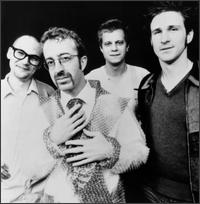
FOREWORD: Skeleton Key is the brainchild of ex-Lounge Lizards multi-media semi-celebrity, Erik Sanko. They were easily one of the best New York City art-damaged freeform rockists hitting the scene in the mid-‘90s. And they deserved better exposure.

One of the best live bands I’ve come across, each individual member had their own distinct personality (at least the first version of this ever—changing entourage). In’97, I got to speak to the entire band prior to a Knitting Factory gig. They were demure off-stage; totally uncontrollable onstage. Sanko’s Skeleton Key went on to record ‘97s Fantastic Spike Through Balloon and ‘02s Obtanium (pictured below postage-stamped EP), but neither caught fire the way they should’ve. Sanko creates marionettes when he’s not busy playing out. This article originally appeared in Aquarian Weekly.


On their clever self-titled six-song EP for boutique label, Motel Records, found sound architects, Skeleton Key, widen the ever-shifting parameters of contemporary rock, melding rudimentary instrumentation and offbeat ideas into organized noise. Though its four members formed the band in New York City, they’re all originally from scattered parts of America.

Arkansas-bred guitarist Chris Maxwell, DC-via-Texas drummer Stephen Calhoun, Oregon junk percussionist Rick Lee, and Staten Island bassist Erik Sanko each bring separate, but intricate elements to Skeleton Key’s disparate sound. And with any luck, they’ll reinvigorate what cynical ‘rock is dead’ doomsayers claim is a stagnant rock scene. Without compromise, their puzzle-like songs hang together with surprising cohesion, challenging listeners by upsetting the apple cart just a bit.

“I’ve been doing artsy music forever,” claims Maxwell, an admitted Captain Beefheart fan. “If you sign a band like ours and bring in a producer to weed out the idiosyncrasies, the final product ends up being an empty husk. But we get no outside interference. The only criteria we have is to find whatever sounds good and manipulate it, I play a $25 Silvertone guitar. Rick plays junk and Erik uses a cheap bass. Our gear is from the technology that preceded the computer generation – somewhat like an abacus.

Perhaps most importantly, Skeleton Key’s angular songs bend the transparent barriers confining trendsetting bands. They remain unpredictable, unassuming, and unusual while maintaining an acceptable sound.

“If we’re not careful, our music could sound pretentious,” Maxwell confides. ” But we have a sense of humor we use like a bag of salt. And we sprinkle our songs with it. We each have small egos and are willing to listen if someone has a better song idea. We have disagreements. But it’s a pleasure to work with people whose opinions are valued. Some songs come together easily while others need time to be fixed.”

With all the intricate elements assembled into such a fascinating studio smorgasbord, it would seem Skeleton Key face difficulties bringing their ambitious sound to a live audience.

But junk player Rick Lee confides, “Originally, we tried to make the record sound like a live show. It’s tough to get my trash into the live mix, but people say they can hear the flavoring. Our soundman, Kevin McMahon makes sure that sonically the ideas come across. If I don’t have the equipment to create a certain sound, I’ll use something which closely resembles what needs to be expressed. Hell, one of our samplers is a toy! And anything on 16 RPM sounds completely satanic when it’s sampled. My feeling is if it sounds good, it’s in. There’s no discrimination.”

As we get into a conversation about art, Maxwell insists, “For me, it’s easier to discuss our sound in terms of sculpture rather than articulate it in the realm of music. It’s art with a capital F. It’s fun, dangerous, visceral, and hopefully, moving and intriguing.”

Lee, sitting on a couch with a smirk, counters, “I don’t know if Charles Bukowski would consider his writing art. I think sports may arguably be the only real art of self-expression.”

This dichotomy between art and music may be the impetus for the improvised instrumental jam, Hoboerotica.” Inspired by a pornographic stick figure a homeless Arkansas resident made, its skewed percussiveness and witchy moaning get tangled in a freeform exploration.

Both “The World’s Most Famous Undertaker” (a sordid and addicting piece of voodoo) and the Beefheartian “Nod Off” ping and pang and clang, allowing Lee’s enormous scrap heap of percussion objects to fill any open spaces or gaps in sound. “The Spreading Stain,” a fuzzy skullfuck, should satisfy and taunt grunge heads in search of something neatly resembling Nirvana’s most disturbing moments. The muzzled “You Might Drown,” with its transcending sitar and “Blue Jay Way” dreamscape, sounds so stark it practically stares death in the face.

“Well, “You Might Drown” was inspired when my girlfriend dumped me,” Maxwell explains. “I’m merely saying, ‘good luck with your fucked up decision.’”

Skeleton Key hope to break out in a major way on an independent label. By the way, fans should also check out New York underground cyber-punks, Ultra Bide- Skeleton Key gave them their seal of approval.

SKELETON KEY /AMBULANCE @ MERCURY LOUNGE

Skeleton Key / Ambulance / Mercury Lounge / December 4, 2002


Prior to delivering a startling, long-forgotten ’96 six-song EP, I had missed the menacing Skeleton Key set at now-defunct Manhattan club, Tramps, but was tipped off by dearly departed Billboard editor, Timothy White, as to how ‘fucking great’ these dissonantly detached Soho dissidents were.

Antecedents of arty boho minimalists (Liars/ Yeah Yeah Yeahs) and no wave freaks (Ex-Models/ Seconds) now overtaking New York City post-Strokes exposure, vocalist-bassist Erick Sanko’s revolving troupe startled awestruck underground dwellers with rhythmically abstruse concoctions. Moving beyond the quaint seclusion of Tribeca’s tucked away Knitting Factory confines with ‘97s under-recognized Fantastic Spike Through Balloon, Skeleton Key’s delectably dysfunctional deconstructed dysphoria began to inconspicuously slither past the periphery of our great metropolis.

Dressed in color-coordinated coveralls, tall blonde frontman Sanko, guitarist/ backup vocalist Craig Le Blang, standing ‘junk’ percussionist Tim Keiper, and seated conventional drummer Matthias Bossi kept the medium-sized Mercury Lounge crowd awestruck with faves from excellent new release, Obtanium. Clanging percussion punched up the alarming “One Way, My Way,” a cacophonous corruption evoking the slanted swamp Blues of Captain Beefheart. Just as intensely immediate, “Kerosene” went ablaze with scree guitars and rumpled bass riffs. When they pulled out the explosively eruptive live staple, “The World’s Most Famous Undertaker,” its punchy volatility reverberated through our collective skulls, creating a wickedly disturbing sense of unease like everything’s gonna fall apart.

Beforehand, transplanted New York quintet, Ambulance, offered intricately multi-layerd Jazz-informed post-rock confections. Swerved echo-drenched keyboard swells underscored the lucid vibrancy consuming each moderately daring piece. Oft times eloquently understated dual guitar melodies and subtly complex bass-drum rhythms built up from sparse dirge-y auspices before swarthy lyrical gloom unfurled exhilarating cinematic emotional release. (Editors note: Ambulance is now Ambulance LTD.)

SONIC YOUTH HAUNTINGLY EMTOMB ‘NYC GHOSTS AND FLOWERS’

FOREWORD: Whenever you get the chance to interview an iconic band at the peak of their powers, you’re a lucky man, even if you’re a band hound such as myself. So when the chance came to talk with co-composing Sonic Youth drummer, Steve Shelley, I was happy as a pig in shit. After all, Sonic Youth enviously inspired two trademark generational scenes of historic proportions: England’s ‘80s shoegaze spectacle and ‘90s grunge mania. Relying on noisily distorted guitar disruptions, these no wave free-Jazzed navigators hit shimmering feedback-scraped heights then crashed and burned like the space shuttle.

The following piece was done in 2000 to promote NYC Ghosts And Flowers. ‘02s 9-11-affected elegy, Murray Street, and ‘04s Sonic Nurse merely sufficed, but ‘06s sturdily brawny Rather Ripped and ‘09s The Eternal struck back with lethal venom. Check out Thurston Moore interview for more SY stuff. This article originally appeared in Aqurain Weekly.


Extending the short-lived legacy of late ‘70s subcultural Bowery ‘no wave’ deconstructionists DNA, James Chance & the Contortions, Glen Branca, and Lydia Lunch further than anyone could have possibly foreseen, Sonic Youth were one of the most important, influential ‘80s bands (still thriving to this day). More astoundingly, the Bowery quartet inspired the entire Seattle grunge movement, introducing their atonal distortion (‘white noise’) to the Melvins, Nirvana, and Mudhoney.

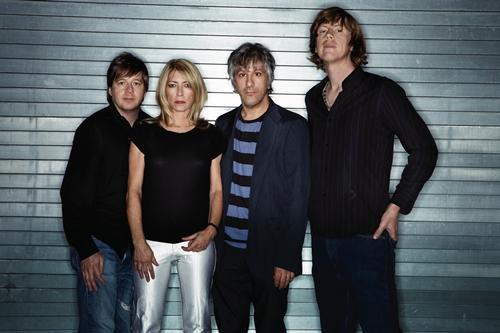
By continuously exploring outer boundaries of freeform rock and slipping into minimalist Jazz territory at will, Sonic Youth’s Thurston Moore (guitars-vocals), his wife, bleach-blonde dark temptress Kim Gordon (bass-guitar-vocals), Lee Ranaldo (guitar-vocals), and Bob Bert (drums) radically tore down conventional rock limitations.

After a few formative EP’s and albums, 1984’s Bad Moon Rising combined chaotic feedback with grating dissonance, forming fully jagged, dirge-y mantras.

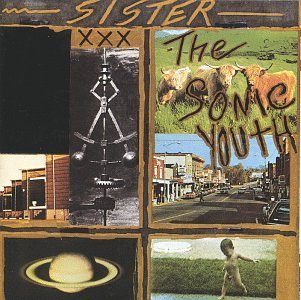
Tired of touring, Bob Bert quickly exited. Steve Shelley took over drum chores for the twin pillars of strength, ‘86s menacing Evol and ‘87s similarly-themed Sister. These records provided the claustrophobic anxiety and lethal guitar shrapnel anchoring ‘89s triumphant Daydream Nation.

When Geffen records signed Sonic Youth, the investigative art-damaged Lower East Side bohos responded to major label accessibility with one of their least viable (and somewhat directionless) albums, Goo, a flawed gem which informed Dirty, its more feverishly powerful follow-up. ‘95s Experimental Jet Set, Thrash, And No Star loosened their spontaneous free Jazz impulse, while modern classical gestures crept into Washing Machine and the autumnal A Thousand Leaves.

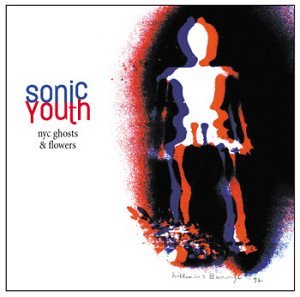
Produced by post-rock instrumentalist Jim O’Rourke (Stereolab, Superchunk), ‘00s NYC Ghosts And Flowers markedly broadens the bands’ already wide scope, stretching into spoken word inspired by late ‘60s/ early ‘70s Cleveland radical freak drug poets. The late American poet, D.A. Levy inspires Moore’s freestyle rants on the fragmented guitar collision “Small Flowers Crack Concrete,” while the implosive “Stream X Sonic Subway” could pass as suspenseful beat poetry.

Ranaldo’s half-sung ramblings detail Big Apple woes above the increasingly intensified, repetitive, detuned guitar plink of the title track. Gordon’s cool detachment and seductive moans bring a coarsened urgency to “Nevermind (What Was It Anyway)” and her hushed, monotone, one-word thoughts spew across the eerie desolation of icy deluge, “Side 2 Side.” The cacophonous “Free City Rhymes” and cryptic death knell, “Lightnin’” bookend the adventurous disc with expectant freeform scree.

Before heading to France to record with French artist, Bridget Fontaine (Gordon’s favorite singer), I spoke to Sonic Youth timekeeper, record label entrepreneur, and Hoboken transplant Steve Shelley about his influences, the sprawling conceptual homage to minimalist composers called Goodbye 20th Century, and of course, NYC Ghosts And Flowers.

Do you see this album as an extension of A Thousand Leaves?

STEVE: Well, it’s the next one. (laughter) It’s a departure in a way, but there are similarities. They’re recorded in our home studio in New York City.

Many songs deal directly with the Lower Manhattan vibe.

STEVE: Yeah. It’s definitely more urban while A Thousand Leaves was a bit more countrified, if you could imagine that. It was more lush and relaxed, while this one is a bit more uppity. We worked with producer Jim O’Rourke on Goodbye 20th Century and NYC Ghosts And Flowers. He brings out different elements of the group that wouldn’t happen otherwise. He’s a real instigator and a fun guy to throw ideas off of. He’s up for anything.

Since you grew up in Michigan, were Iggy & the Stooges and MC5 major inspirations?

STEVE: No. I was too young for all that. They were from a generation before me. I didn’t hear of them until I left Michigan. I listened to commercial FM radio. The closest I got to the MC5 was Ted Nugent and Alice Cooper. But I grew to appreciate their stuff later on.

Do most of Sonic Youth’s arrangements come from improvisations or melodic clusterfucks?

STEVE: It’s actually both. A lot of it’s just jamming to see what sticks. Because we have a rehearsal room/ recording studio, we could go in to roll tape and collect ideas. Sometimes Thurston will come in with a chord progression and we’ll start adding to it. I love going to different studios since they have their own separate atmosphere, but it’s great to have your own place and not be on the clock.

I’m especially intrigued by the colossal magnitude of the title track.

STEVE: That’s directly inspired by the sessions to Goodbye 20th Century. On that album, there’s one song that starts quietly, crescendos for four-and-a-half minutes, then reaches its peak and gets quiet again. It’s an exercise in dynamics and what could happen within that.

Are you ever afraid your expansive arrangements may lose some potential listeners?

STEVE: I guess you could ask that of free Jazz artists as well. I don’t think we’re worried about that. We want people to listen, but we’d be selling ourselves short if we started listening to those ideas. It’s difficult enough having four different people with four separate ideas trying to meld something together.

“Lightnin’’ seemed inspired by Miles Davis’ early ‘70s albums Bitches Brew and Jack Johnson.

STEVE; Wow. I love that Jack Johnson record. That song was just an exercise in freedom. Kim gets to play trumpet and I play the electric groove box. That’s just the four of us going at it in the studio. We were going to bookend the record with two versions, but decided on one. The one parameter we set up for this record was we weren’t going to make a long 60-minute record like A Thousand Leaves. There are so many distractions. It’s hard to sit down and concentrate on a 70-minute disc. People have to learn to edit themselves and put out 30-minute discs.

What was it like getting selected to replace Bob Bert in Sonic Youth?

STEVE: I was checking out New York. I wasn’t sure I was going to stay. A friend and I were subletting Kim and Thurston’s Lower East Side apartment while they were on tour with Nick Cave & the Bad Seeds. I was wondering how I’d fit in. When they got back, they didn’t even ask to audition. I just joined the group. It was amazing. I got to tour with one of my favorite artists, Neil Young. It’s amazing how new and different things keep happening to us. Tomorrow, I’m going to Paris with the group to record with Bridget Fontaine. With all the renewed interest in French music and people discovering Serge Gainsbourg, it’ll be a trip to meet her.

Who are some of your favorite drummers?

STEVE: My first influences were typical. Ringo Starr, Keith Moon, Charlie Watt, and the king of drummers, John Bonham. When I play, though, I’m thinking about the song and trying not to overplay. I’ve tried to go in a minimal, understated direction lately. Some of that comes from my work with Cat Power and my own band, Two Dollar Guitar – being as skeletal as possible. I love Jazz drummers, too. But my initial influences were classic ‘60s rockers.

What’s up with your underground supergroup, the Wyldde Ratz, which includes guitarist Ron Asheton from the stooges, Mike Watt, Mudhoney’s Mark Arm, Thurston Moore, and Sean Lennon? Was it formed only to provide a song for the glitter rock soundtrack of the movie Velvet Goldmine?

STEVE: We recorded enough stuff for two albums. Originally, London Records was going to put it out. But I guess the soundtrack didn’t do as much business as expected. They paid for the recording, but they didn’t want to put out an LP yet. It’s funs stuff. Ron Asheton sounds amazing. We did some Stooges covers. Ron and Mark Arm wrote some songs together. It’ll see the light of day somehow. It’s pretty much down and dirty Detroit City Rock.

Did you ever consider Sonic Youth to be an extension of Jazz-rock pioneers King Crimson or Soft Machine?

STEVE: That’s probably the music I’ve heard the least of until recently. Thurston’s more familiar with that music. Interestingly, Gary, the drummer from Pavement, who was older than anyone in the band and was more of a hippie would always come up and say to us, ‘You must listen to a lot of Yes music.’ I didn’t know what he was talking about until the movie Buffalo 65 came out last year. I heard some amazing Yes music and understand what Gary meant. Robert Fripp and King Crimson had freedom and a certain awareness of other music, even though they didn’t adhere to rock structure, or sound like the pop-rock that was going on.