PERSPECTIVE INSPECTOR REGINA SPEKTOR’S ‘SOVIET KITSCH’

FOREWORD: Lilting mezzo-soprano, Regina Spektor, a Soviet-bred Classical pianist by trade, became friendly with future tour buddies, the Strokes, when they were making headway in 2001. Now part of the East Village’s still-thriving acoustic scene, I interviewed her just as ‘04s Soviet Kitsch caught on. By ’06, she’d return with the fine Begin To Hope. During summer ’09, her next album, Far, hit shelves and received justified plaudits.

Escaping Jewish oppression in former Soviet-ruled Russia, Regina Spektor landed in the Bronx at age nine alongside her scientist father and music professor mother. Learning Classical piano as a child, Spektor concentrated on the iconic workings of Chopin, Bach, and Tchaikovsky, but a decade thereafter the self-described “nerdy apartment hermit” with a serious jones for punk progenitors the Ramones would be exposed to Blues legends Bessie Smith and Robert Johnson while attending college.

Without a hint of sarcasm, Spektor recalls, “My first recording, 11:11, was a cringe-worthy school project gone awry featuring piano and upright bass. It was embarrassing, but people were upset I only made 1,000 copies.”

Her next project, ‘02s Songs, she claims, “was an accident waiting to happen. My friend Joe Mendelson (ex-Rise Robot Rise), part owner of the Lower East Side’s Living Room, where I’d performed, had a studio. He asked if anyone recorded my songs. Then, he had me archive material during Christmas – since we’re both Jewish.”

As Spektor developed her profoundly individual articulation, producer Gordon Raphael came a-knockin’ for the flexile girly-voiced marvel. Subsequently, the Strokes producer-confidant would hook her up with the famous Manhattan-bred combo, allowing the rhapsodic singer to become an improbable tour opener. His simplistic approach to recording rebukes humdrum studio sterility for the stirring spontaneity of live instrumentation and first take impulsiveness. Strokes vocalist Julian Casablanca lured the coquettish enchantress to do an alluringly dramatic Industrial duet, “Modern Girls & Old Fashion Men,” for the charmingly out-of-character b-side to “Reptilia.”

“When I went on the road with the Strokes, I was just excited to see their show every night. For them to run a practice to have me backup the band was cool. We recorded during a day off in a farmhouse studio while touring Seattle. When we’d get loud, a dog named Elevator would start barking while Julian and I had headphones on. Then, we’d have to re-record,” she laughs.
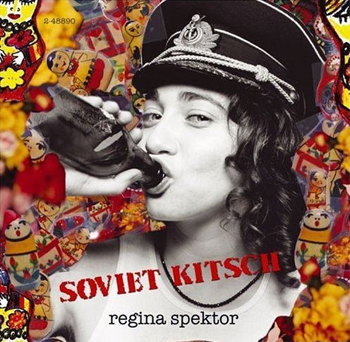
Signed to Seymour Stein’s estimable Sire Records, the resourceful Spektor embarked on ‘04s stunningly minimalist solo venture, Soviet Kitsch, with Raphael in tow. Its absurdist title spoofs Americans belief in media-fed propaganda concerning stereotypical Communist notions and came from a lyric in an as-yet unrecorded tune. On the front cover, she’s sucking down a label-less Heineken sporting the naval cap her grandfather wore de-mining the ocean during World War II.

Going from topical rainy day folk jaunt “Ghost Of Corporate Future” to clanked stammering bicker “Sailor Song” to twinkling ‘wocka wocka’ pianissimo lullaby “Carbon Monoxide,” the sentient soprano bends cabaret, ballet, opera, nursery rhymes, and traditional Hebrew incantations into ripened rudimentary arrangements with the stately eloquence of a seasoned maestro.

“I feel like I’m this little earthworm eating all this stuff and out comes songs. Some of it’s Classical, but the Beatles, Queen, and Nirvana also inform them.” But she admits, “I’m behind on pop culture. I only found out about David Bowie and U2 last year.”

Sympathetic strings frame pastoral ballad “Ode To Divorce,” a fictional account so tenderly relinquished and majestically heartfelt it seems firsthand.

Spektor counters, “I get angry that lyrics are so autobiographical because songwriters lives are so boring. They should approach a song from outside their lives like a movie script or fairytale. You could have empathy on a personal level. My heartbreak could add more weight, but it’d be dull to write from my perspective.”

Perhaps her greatest vocal showcase, the catastrophic cancer-clogged mini-opus “Chemo Limo,” shuffles across prancing hip-hop swathes, fanciful baroque serenity, and cautiously repenting verses, shifting tempo, mood, and style on the drop of a dime. Dark piano plinks and clacking percussion adorn “Poor Little Rich Boy,” nabbing a spare tranquility lounge-y bohemian minstrel Rickie Lee Jones possesses. For a clamorous rockin’ turnabout, Spektor retrieved punk band Kill Kenada to provide chicken scratch guitar feedback and propulsive drumming to the loose-limbed “Your Honor.”

“I found Kill Kenada through Gordon. We flew to London, had fun, and banged out a song. But I had a hard time fitting it into the album. So I put a little more context into it and had my younger brother whisper with me on a quiet intro. It put distance between the other music,” informs the chirp-y lass.

Contagious initial single, “Us,” soars skyward as torrential orchestral intensification infiltrates tumbling piano. A video made by Tom Petty’s daughter Adria finds Spektor receiving magical powers.

“Yeah. I had a sleepover at his house,” she delightedly reports. “I was eating his cheddar cheese. I only now know who he is. Afterwards, when I figured it out, I loved his music.”
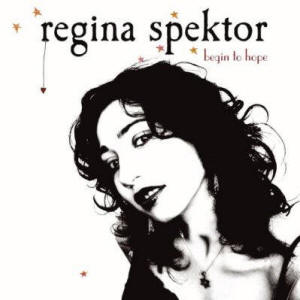
Part of the easygoing curly-haired diva’s charismatic allure manifests itself in the vintage clothing she dons.

“Right now I’m wearing a white tutu with Signature Required written on it, a handmade Cracker Farm t-shirt, and huge puffy boots to protect me from the snow,” she elucidates. “It’s my homage to the wintry weather. Clothes should reflect the mood and be as thoughtful and fun as anything else in your life. Growing up, it felt sad to pick out garments others wore. It makes you feel less like an individual. I like combining old meaningful Classical dresses my grandmother wore with DIY punk stuff.”

So move over sensitive femme pianists Tori Amos, Fiona Apple, and Cat Power, ‘cause there’s a newly dignified player in town.
LOU BARLOW’S ‘EMOH’: VINTAGE INDIE ROCKER SAUNTERS ONWARD

FOREWORD: Considering the popularity of Emo bands ‘round the time Lou Barlow released his belated ’05 solo debut, Emoh (a supposed backward term for home), its nice to realize his down home sentimentality shamed all the suburban white boy self-pitying heard on the radio at that time. Speaking of being on the air, Barlow actually did have a freak pop hit in lo-fi side project, Folk Implosion – the drowsily penetrating meditation, “Natural One.” Despite his much-publicized ‘rocky’ stint in Dinosaur Jr. (back before Nirvana existed), Barlow returned to the fold for a series of club dates in 2005, but the reunion album, Beyond, received little fanfare. An ’08 reunion tour with Sebadoh followed. This article originally appeared in Aquarian Weekly.

Lou Barlow found notoriety in DIY lo-fi forerunners, Sebadoh, after a frustrated stint as bassist for Boston guitarist J Mascis’ distorto-rockers Dinosaur Jr.

Unguardedly secure in his position as reluctant indie rock elder statesman, Lou Barlow’s overdue solo entrée, Emoh, takes a wholly acoustical detour away from New Folk Implosion’s abstract leanings and Sebadoh’s schizoid pragmatism, detailing homeward bound vignettes with the sharp-eyed confidence and relished composure of a well-traveled bard. Living in the thriving art community of Silver Lake for the past six years, Barlow still strives to find contentment on the outskirts of the City of Angels.

“That’s the perspective. When I finished the record, I realized it was about making L.A. my home,” he shares with cautious optimism. “It’s a beautiful place. I’ve got a great house but being comfortable has been a struggle. Tumultuous changes in my life accompanied the move. With this record, and my wife due to give birth in days, I’m entering a different realm.”

In the past, Barlow’s most convincing decrees sometimes evaded perceptual closure, but inside Emoh’s concise ravine, he opens up a treasure trove of candid postulations. Capturing the same exquisite sentimentalism and pastoral brilliance tragic ‘70s cult artist Nick Drake once did, the desirous commencement “Holding Back The Year,” subsequent elegy “Home,” and ardent covenant “Legendary” hauntingly murmur.

Barlow contends, “I’d written Emoh’s songs during the last five years. I’ve been waiting to make a more acoustic based record and when Folk Implosion dissolved, it felt like the perfect time. I hear it as upbeat. That’s because it’s straightforward. I have no one like Jake (Sebadoh partner, Jason Lowenstein, who contributes some guitar) to play off of for the heavier stuff. There’s no band dynamic.”

Crisply produced by Mark Nevers (Lambchop/ Will Oldham), Emoh maintains a singular docile mood, mirroring the circumspect reservation underlying the overall essence. Anglo-folk chant “Royalty” and spindly cello-backed “Puzzle” retain a rustic Rocky Top purity Nevers may’ve helped expose.

He recounts, “Mark lives in Nashville so I recorded in his house. I slept upstairs and we did two sessions in a week and a half. It was real homey. He’s a mix of punk and traditional Country. When he started out, he recorded straight up Nashville stuff by George Jones, then found his way into the Lambchop crew.”

Arguably the most striking track, “Caterpillar Girl” adequately retrieves Folk Implosion’s hazy Pro Tools-derived execution, reliant on Barlow’s towering somnolent wail, meticulous fretwork, and dark piano undertow.

“I’d never expressed a sustained exclusive vision of what I wanted. I needed to bear down on my songs, do what I wanted instead of by committee. If I can get a little success and enough money to travel, I’d love to put together another electric-based Sebadoh record. Now that I’ve finally done this totally solo record, I’m starting to think about louder music again,” he shares.

Surprisingly, Barlow revisits, of all things, Ratt’s hair metal classic “Round & Round,” turning the arena rock staple into an intriguingly steely-eyed omen.

He concedes, “I always had an affinity for Ratt, Cinderella, and Motley Cure when I was a teenager. I was in Dinosaur Jr. immersed in the early grunge scene and noisy rock. But when we practiced, we’d watch MTV. When Ratt came on we’d un-mute the television and listen. We loved it. In concert, it gives people a break from hearing my life – breaking out a goofy cover. It’s good power pop influenced by Van Halen. I’d like to think I’m musically open-minded.”

But the biggest scoop is Barlow and J Mascis, not on speaking terms for a decade, may soon re-ignite their once-thriving band much like fellow Bostonians the Pixies recently did.

“J and I were talking about a Dinosaur Jr. reunion. Considering my relationship with J blossomed and died by age 22, that’s a long time ago. He greatly influenced me and I took a lot from him, but I would’ve been miserable if I stayed in that band.”

ROBBERS ON HIGH STREET TRESPASS BROOKLYN

FOREWORD: Robbers On High Street hit the ground running with ‘05s jolting jaunt, Tree City. For ‘07s passable Grand Animals, they hooked up with Italian film composer, Daniele Luppi, whose orchestral strings have been used by Gnarls Barkley and John Legend. This article originally appeared in Aquarian Weekly.

Never underestimate the utter perseverance of attentive individuals looking for commensurate acceptance parading a mischievously silly felonious moniker. Meeting in Poughkeepsie as green teens, Manhattan-reared singer-guitarist Ben Trokan and Brooklyn-raised guitarist Steve Mercado settled in Brooklyn around the turn of the millenium, forming the nucleus for cagey retro-rock combo, Robbers On High Street.

Getting signed to fresh boutique label, Scratchie Records, by semi-famous entrepreneurs Adam Schlesinger (Fountains Of Wayne) and James Iha (A Perfect Circle/Smashing Pumpkins), these scrappy euphonious bandits soon found favor amongst elite collegiate peers and older obsessive underground rock brethren alike. The foursome’s spontaneous debut EP, Fine Lines, was paced by abrasive guitar driven rockers such as the upbeat titillation “Hot Sluts Say I Love You,” which offset the paradisiacal devotional ballad “Opal Ann.”

“There was always music in my house when I was growing up,” Trokan recalls. “My mom had a great record collection I got into at a young age. My dad played piano and listened to opera at night. I started out playing drums.”

But he digresses, “Steve and I never got anything off the ground. We’d sit around in my basement figuring out songs. That’s as far as we got. I think we played a party once.”

Anyhow, the amiable duo’s timid tenacity would ultimately pay dividends. Affirmed Kinks, Beatles, and Who fans, the pair finally congealed as a whole when bassist Jeremy Phillips and drummer Tomer Danan came aboard under the tutelage of valued veteran musician-engineer Peter Katis (whose Interpol production and inconspicuous tenure leading indie rockers Purple Ivy Shadows and Zambonis should be duly noted).

“Peter had the role of getting the craziest sounds he possibly could. Our EP was more live-in-the-studio with few overdubs. But our songs are usually pretty much done before we enter the studio. I think I had some of those arrangements imbedded in my head for awhile,” Trokan divulges.

On ‘05s stylistically diversified 13-song full length, Tree City, Trokan’s lugubrious lyrical lather and pleading threnodies strike an insistently moodier tone, but the jilted lover perspective lingering above not only the darkest dimly din but also the hastening convivial turnabouts doesn’t necessarily appear to be of the personal variety.

“I didn’t have to suffer through the agony. The songs are almost all about other people,” Trokan politely maintains.

However, if there is any singular song Trokan admits may be a real life confessional, it’s the paranoiac escapade “Bring On The Terror.” A peppy piano stroll with reserved Brit-accented Ray Davies-littered flamboyance, its wickedly self-tortured climactic verse parsimoniously announces ‘sometimes I need a punch in the face/ sometimes I need a leg in the ass.’

“That’s the one song that may be based on my life out at college,” he sullenly declares. “I didn’t have a job so I guess it came out of that fear. I only went to City College to take advantage of their really nice recording studio.”

Then there’s the multi-harmonic inner city passenger train ode, “Hudson Tubes,” which begs comparison to Electric Light Orchestra with its easy rolling neo-Classical flow and reclining Jeff Lynne-indebted neo-operatic flights of fancy. After absorbing its tart firsthand observations, it’s quite obvious to presume Trokan has indubitably faced the arduous rush hour congestion of urban commuters crowding New York City’s steel rail underworld.

“I tried to make that an anthemic epic. You could practically sing (Mott The Hoople’s) “All The Young Dudes” to it if you wanted to, but it’s still about subway behavior, especially in New York, where people check each other out. It was a mini-anthem to the dude who pumps his chest out when a pretty girl gets on the train,” Trokan declares.

Copping to the Strokes on a swift New York shuffle, “Love Underground” keeps the subterraneous groove prescient, as Trokan struts and yowls Brit-spit over a simple spunky riff like a wired caffeine freak ready to explode. Analogously, the piercing 2-note blast “Japanese Girls” goes street level, hearkening towards early Kinks power chord ramblers more so than epitomizing today’s terminally angular garage-hewn independents.

Nevertheless, slumberous rainy day fare such as horn-struck contemplation “Spanish Teeth,” melancholic ELO sound-alike “Beneath The Trees,” dirge-y Lennon-esque piano stammer “Dig The Lightning,” ominous acumen “Descender,” and emotional vibes-soaked goodbye “Big Winter” prove to be ultimately anguished conundrums. Although truly suffused by overcast disconsolation with a dash of alienation thrown in for good measure, a joyous exuberance shines through the oft-times beguilingly buoyant procession.

Delicately delivered desolate lyrical wisp, “The Price And Style,” humbly hushes ‘I want it bad’ to an unnamed alliance, calmly slipping into sunset samba serenity. When asked about its germination, Trokan snickers, “I don’t know. I originally wrote and demoed it with a drum machine and it sounded like a slow R. Kelly band.”

But while Robbers On High Street currently gain much-needed live exposure and decent college airplay, don’t expect Trokan to be kowtowing to vogue Electroclash, No Wave, and goth-punk locals. “I wouldn’t say we go to bars hanging out with Interpol. The bands we play with from here are (discordant wounded sentimentalists) Natural History and (off-kilter majestic bizarros) King Of France. They’re great. We probably have more in common with them.”

So what’s the future hold for four faux Brooklyn bandits?

“I have half a dozen semi-finished songs,” Trokan notes. “I’m grateful to have this month (January) off to get my composing routine going. I have some up and coming Robbers songs in the jukebox going on in my head. So I could hear what things are coming together right and where it’s going. I’d enjoy working with additional sounds instead of just thinking ‘What can we do to this guitar tone?’ I’d like to expand our sound more. I’ve written some fairly concise pop songs and some that have more than three parts and may go longer than four minutes. I’ll take it as it comes.”

HOLY SALVATION! BUDDY MILLER GETS SPIRITUAL AWAKENING

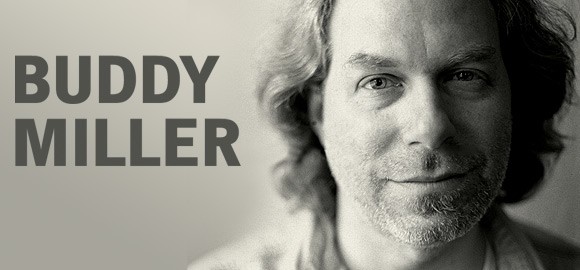
FOREWORD: It’s Miller time! Multi-faceted Country-folk artist, Buddy Miller, has played behind several first-rate modern traditionalists, written several top notch Western-styled tunes (covered by a wide range of artists), and occasionally hoisted up a few solo records. He’s also done a few recordings with his wife, Julie. In fact, ‘09s heartfelt Written In Chalk offers the same down home rural sensibility as Buddy & Julie Miller’s self-titled ’01 debut. I got to speak to the reluctant icon in ’04 in support of what may be his finest album to date, United Universal House Of Prayer. This article originally appeared in Aquarian Weekly.

While cheap, tawdry major label Country-pop throwaways rule Nashville radio these days, superior singer-songwriter, ace guitarist, and sought-after sideman Buddy Miller keeps delivering versatile self-produced solo projects gathering traditional Appalachian folk, brawny honky tonk, authenticated bluegrass, hootenanny shuffles, and breezy Americana without succumbing to slick homogenization. Moreover, the earthy Ohio-born, Princeton-raised bard spent eight years leading Emmylou Harris’ road band, had short stints with first-rate progressive Country icons Jim Lauderdale and Steve Earle, and alongside wife Julie, a devout Christian, made one sensational secular duo album thus far.

Miller’s early influences, West Coast psychedelia, soul, and folk-blues, indirectly reflect the wide-ranging material he so effortlessly combines.

“Radio in the ‘60s was just incredible. You heard everything. I loved it all. I got into playing guitar because I loved the freedom of that San Francisco hippie scene,” he recalls.

Out in South Pasadena, California, in the ‘80s, the Miller’s struggled paying rent, selling off gear to make ends meet before re-locating to cheaper confines. By the time they hit Nashville, L.A.-based Hightone Records fortuitously inquired Buddy about laying down tracks.

“I was Jim Lauderdale’s lead guitarist out West. But I thought if we move to Nashville, I could buy a house for the price of Los Angeles rent. Within months, Hightone asked if I had any songs. I said ‘Sure.’ But I didn’t. I only had song pieces.” Nevertheless, he concedes, “Nearly every song on that (’95) debut, Your Love and Other Lies, has been covered, by artists such as Brooks & Dunn and Dixie Chicks. It’s basic, but sweet. Then, I’d just joined Emmylou’s Spyboy band when we recorded (‘97s) Poison Love between tours. Emmy and the guys set up in the living room and she added rhythm guitar.”

Besides befriending, then working with, local Nashville cats Jim Lauderdale, Lucinda Williams, and Guy Clark, Miller’s done sessions with nasally C & W guitarist Jimmie Dale Gilmore, acid-Jazz diva N’Dea Davenport, and chirp-y voiced Creekdippers pal Victoria Williams. He even found time in ’04 to form roots-based touring outfit Sweet Harmony Traveling Revue with female peers Gillian Welch, Patti Griffin, and Emmylou Harris.

The now gray-haired troubadour explains, “Patty had a date at the Ryman Auditorium that Julie and I opened. Emmy came out and sang with Patty. Then, we were all together so it felt so right we took it on the road and continue having a blast.”

Meeting in Austin during 1976, Buddy and Julie Miller lived in New York City by ’80, got married, moved cross-country, settled down outside Nashville in ’93 at an old Victorian house, and built a four-room home studio, Dogtown Recording. Julie’s solo ’97 disc, Blue Pony, may’ve drawn lyrical stimulus from battles with depression and rheumatic disorder. Her flinty tear-stained honeyed twang uplifts the pair’s fervency quota on both solo and duo endeavors.

Miller divulges, “I love duet singing. The difference, to me, has to do with the melody and how the song feels. On Julie’s albums, they take a turn for the rock side. Mine are more basic Country-Blues. She grew up in Texas with so much Country she doesn’t like to hear it as often. There’s less fiddle going on with her records.”

Quickly, Miller established himself as one of Tennessee’s most legitimate songwriters, finding a modicum of success offering bigger stars sundry compositions. Meanwhile, his recording career kept growing at a relatively moderate pace.

More anguished than its sterling predecessors, ‘99s efficient Cruel Moon set the stage for further recognition. A few years hence, heralded ’02 gem, Midnight And Lonesome, would gain better critical notice. Half-written by spouse Julie, its masterful malleability allowed the Everly Brothers reverberating strut “The Price Of Love,” Jesse Winchester’s steel-laced sad road ode “A Showman’s Life” (a heartfelt Emmylou duet), and Percy Mayfield’s hushed ballad “Please Send Me Someone To Love” to coexist peacefully next to vibrant originals. Sly, slick, wickedly desirous come-on “When It Comes To You” makes great use of burbled optigan (a pipe organ-like instrument Jazz keyboardists Jimmy Smith and Walter Wanderly would’ve appreciated).

Between these serpentine pillars, ‘01s monumental Buddy & Julie Miller seized the moment perfectly, mingling gleamed countrypolitan charmer “Little Darlin” with swampy deluge “Dirty Water,” political folkie Bruce Utah Phillips’ sensitive “Rock Salt And Nails,” Dylan’s fiddle-addled barroom “Wallflower,” and a delectably streamlined version of Richard Thompson’s “Keep Your Distance.”

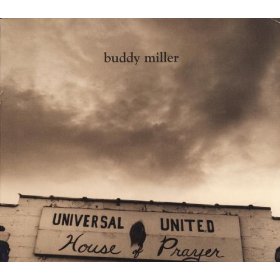
But a string of misfortune and political uncertainty weighed heavy on Miller’s mind. On ‘04s therapeutic Universal United House Of Prayer, Miller deals with untimely death and Gulf War blues while seeking deliverance from the almighty through revelatory testimonials, an underlying theme previous releases merely touched upon. Gospel singers Regina and Ann Mc Crary (Fairfield Four founder Sam Mc Crary’s daughters) add reverential medication to these devotional lamentations.

Dylan’s ’63 protest anthem “With God On Our Side” gets an elongated, slowly sweltering treatment and Louvin Brothers’ pious veneration “There’s A Higher Power” receives a durable acoustic-fiddle reprise. The Miller’s own piano-based “Shelter Me,” which compares favorably to Leon Russell’s Asylum Choir, and unhurried accordion-draped “Wide River To Cross” yearn for the Lord’s mercy in these troubled times.

“Religion’s always been a big part of my life. Dylan’s tune, “With God On Our Side,” seemingly uses God as an excuse for bad deeds and may be more relevant today,” he claims, citing worldly hostilities. “In the past few years, the Iraqi War started and my wife’s brother died. He was in a crippling motorcycle accident that left him partially paralyzed, then 20 years later, was struck by lightning in the same spot he got injured. Those things led me to believe there were dots to connect. The whole world situation left me with lots of questions. I don’t have answers, but politics and spirituality overtook me. Christian Contemporary artist Mark Heard died, but was a friend of mine. Like Julie, Mark wrote about things too heavy to be tied in a neat little box with a bow on top. That’s why I love starting the disc with one of his songs, “Worry Too Much.” He wrote that when the first Gulf War broke out. I engineered that record. It seemed appropriate.”

Miller admits enjoying the spontaneity attained by letting songs unfold and reveal themselves in the studio instead of overindulging ahead of schedule. However, that changed with Universal United House Of Prayer, a staggeringly prophetic powerhouse strengthened by godly worship.

“I wanted to make half the album with the Mc Crary’s and the other with Matraca Berg’s aunts, wonderful singers with a completely unique sound. But I had such a good time with Regina and Ann I never got to the other half. So I’ll save that for the next record.”

In the meantime, the Miller’s plan to begin work again on Julie’s new record, which was temporarily halted whilst her brother passed away.

“The songs are different, but it remains to be seen what happens. She directs things and she’s got some real ideas,” he concludes.

FOUR VOLTS JOLT BIG APPLE AND ‘TRIPLE YOUR WORKFORCE

FOREWORD: As of ’09, I haven’t heard a word from Four Volts since their brash 2005 debut, Triple Your Workforce, surfaced on worthy boutique label, Kanine Records. But I know they’ve still got the music in them. This article originally appeared in Aquarian Weekly.

Getting together in Half Hollow High School, guitarist-vocalists’ Brian Rayman and Danny Tieman began exploring musical possibilities within the confines of a Long Island basement. Soon after, with bassist Lisa Cuomo and drummer Theo Cataforis (replaced by Than Luu) in tow, Bunsen Honeydew (a moniker clipped from The Muppets) was born. When Muppets copyright holders Henson Corp. threatened legal action, the youthful quartet, whose Lower Manhattan gigs gained favorable attention, quickly changed their appellation to Four Volts, opening for venerable indie artists the Futureheads, British Sea Power, and Blur’s Graham Coxon.

On electrifying debut, Triple Your Workforce, Four Volts counter clamorous multi-harmonic deluges and cleansing melodic buoyancy with harsh 6-string distortion, fusing fuzzy shoegaze contortions to angelic sing-along mantras. Showing a great affinity for brutally raw ‘70s punk, the beat-driven “Rearrange Me” soars skyward with a bouncy ‘ba-ba-ba’ chant and screechy dual guitar blear while the adenoidal “Didn’t You Used To Be Invisible?” proves too extroverted for the emo pack’s piss-y suburbia moans. Indubitably, the neurotic anxieties and decadent romanticism of enduringly mod Brit-pop eccentrics Television Personalities truly inform Rayman’s muse.

“Growing up, I heard lots of Dylan and Simon & Garfunkle. I still respect them, but it doesn’t come through in my music. The Beatles influence my songwriting and the Buzzcocks and Modern Lovers do as well. But my all-time favorites are the Television Personalities,” Rayman admits. “They have a new recording coming out that I’m excited about. But I also love Joe Meek’s sound affect recordings (such as the Tornadoes’ classic instrumental “Telstar”). Syd Barrett got me into that stuff. He was Pink Floyd’s mastermind in the early days. But I still love (the post-Barrett) Dark Side of the Moon.”

Fiery feedback riffs enforce “Bedlam On The Beat” and “Hat Trick,” both bringing to mind late ‘80s shoegazers My Bloody Valentine and Jesus & Mary Chain as well as doomed post-punk contemporaries, the Libertines. But a more impressionable noise-pop source seems to be Sonic Youth and the Boredoms, whose former producer, Martin Bisi, worked on Four Volts debut.

“He’s a good friend of ours and an all-around great guy, born and raised in New York City. He started out working with Brian Eno in the early ‘80s, which inspired his style.” Rayman continues, “He records in an old concrete-walled war artillery basement with no foam or padding. That’s how he got the Sonic Youth and Swans sound. I think it’s impossible to record with Martin and not get that density and unwashed sound.”

Perhaps the buzzing “Way In” best represents Bisi’s technique, with its frantic static-y friction and off-key clattered chatter surrounding a lucid guitar figure in a tumultuous setting. Yet the super-perky cuddle-core power pop pearl “Heartworm” sticks out like a sore thumb thanks to adorably catchy ‘ooh ooh’ choral climaxes, bittersweet symphonic sweeps, and deliciously sanctimonious wing and a prayer philosophizing.

“I wanted a Ronettes-like melody line,” Rayman offers. “The song becomes more aggressive as its character darkens, dying to end it all screaming ‘it’s getting hard to sing this song’ then ‘it’s getting hard to see your face’ because everything fades as he leaves this world. So he says ‘go away, go away, we’ll all be dead but not today.’”

SEATTLE’S GREEN PAJAMAS THROW ‘TEN WHITE STONES’ AT CULT DISCIPLES

FOREWORD: Since this ’04 interview, the Green Pajamas, at a somewhat furious rate, have released a few more representative albums that continue to slip under the radar. But through it all, their subterranean legacy has grown amongst indie rock cultists. This interview originally appeared in Aquarian Weekly.

Much like the turn-of-the-20th-century subterranean sidewalks and storefronts lining Seattle’s Pioneer Square, the Green Pajamas continue to exist deep beneath pop music’s still-fertile surface. However, there may be a few savvy indie rock fans outside of Magnet’s readership that remember “Kim The Waitress,” a song written by unfamiliar singer-songwriter Jeff Kelly in ’84 and made semi-famous by Chicago trio Material Issue in the mid-‘90s.

“Polygram Records called to ask permission for them to use my song. It caught on with radio, a video was made, but their singer had killed himself while it was becoming a minor Midwest hit,” Green Pajamas’ mainstay Kelly recalls. “It was sad. They’d opened for INXS at the Coliseum, invited us down, got us backstage, and used a real sitar live for the song.”

As an adolescent, after going through a self-admitted “Beatles phase,” Kelly enjoyed the Rolling Stones’ middle period masterpieces Sticky Fingers and Exile On Main Street in high school, then moved on to glam-rock icons Lou Reed (Transformer) and David Bowie (Diamond Dogs).

“Since I had an older sister, there was always rock radio on at my house. When new wave hit thereafter, it was like the ‘60s again,” he gleefully adds.

Kelly began attempting to compose during the ‘70s, joining band The Larch (a silly Monty Python tree reference), playing local bars, and making a couple records no one ever heard.

“I was in my late teens. That went nowhere,” Kelly chuckles. “In the early ‘80s, I met Joe Ross, who was into Beatles psychedelia. That’s when we did “Kim The Waitress,” our first proper vinyl single. Amazingly, it was covered simultaneously by mildly famous regional band Sister Psychic and Material Issue.”

But the first phase of Green Pajamas would soon come to an informal end, leaving behind some odd singles in its muted wake. Nevertheless, Australian label Camera Obscura was looking to compile those early tunes, but instead, thankfully allowed Kelly to re-assemble GP with bassist Ross, keyboardist Eric Lichter (a friend of his wife), and finally, guitarist Laura Weller (whose husband Scott Vanderpool would later replace drummer Carl Wilhelm). By ’97, the absorbing Strung Behind The Sun appeared, followed in succession by increasingly darker hued fare, including ‘98s All Clues Lead To Meagan’s Bed, ‘99s Seven Fathoms Down And Falling, and This Is Where We Disappear. ‘02s Narcotic Kisses lightened up the dramatics.

“It’s nice to be in my position where, unlike Britney Spears, there’s always some small label that’ll put out our records. It’s freeing to be a cult artist. But I’d love to have a mainstream audience to entertain and get a $100,000 major label advance,” he ascertains. “Songs should have good melodies and lyrics that appeal to many people. I feel there are a lot of great bands out there that don’t receive enough recognition.”

Divulging his weakness for Goth art, Kelly remains a teenager at heart, intrigued by doomed post-punks Joy Division, sci-fi theatre, horror movies, and mystery writers.

“I’ve even drawn on 1890’s English countryside vampires for inspiration, but a very specific analogy would be the dark folk poetics of Leonard Cohen, whom my wife introduced to me years ago,” he avows. “You can’t keep writing Beach Boys girl-on-the-beach songs.”

Experimenting a bit with newer recording techniques, ‘03s Northern Gothic indirectly dealt with somber machinations in a demure manner but was seldom ‘goth’ per se. As a sidebar, Kelly and Weller began Goblin Market, a ‘pre-Raphaelite progressive folk-rock project’ named after a 19th century Christina Rosetti poem, whose Ghostland album inspired a forthcoming sequel devoted to mystery novelist Joyce Carol Oates.

For those fence sitters searching out a cheap alternative journeying into the past, wonderful overview Through Glass Colored Roses: the best of The Green Pajamas will nicely suffice. Retaining a relatively relaxed restraint, understated satires such as eloquently contradictory serenade “Just Another Perfect Day” and mellow-droned grievance “She Doesn’t Love You” beg for condolence, countering the candid positive sentiments both “These Are The Best Times” and the glistening “Queen Of Sunshine” reveal.

Recorded at Seattle’s famed Vagrant Studios in two spring days with few overdubs, the Green Pajamas seventh long-play, Ten White Stones, refines and redesigns Kelly’s original home studio arrangements, lengthening conceptual complexities while foregoing the habitual thematic considerations of preceding collections. His wily Neil Young-derived fuzz-toned guitar suitably distorts dusky “The Cruel Night,” drone-y organ-doused distention “Mrs. Cafferty,” and Anglo-folk-styled “Holden Caulfield” (Weller’s sole composition, uncannily reminiscent of vintage Fairport Convention). Hexing devotional incantation “If You Love Me (You’ll Do It)” slithers along in creepy “Season Of The Witch” fashion while re-recorded surrealistic ballad “(She’s Still) Bewitching Me” hauntingly beckons Cupid’s shamanist wizardry. Cryptic “For S” leans closer to nocturnal New York moodists Luna’s take on Velvet Underground.

Look for a new Green Pajamas disc mid-’05. Kelly insists, “It’ll be another assortment of pop songs. I’d like to branch out, but I have to figure out what that’ll be. I’d love to do soundtrack work, but I’ve never been approached.”

LEGENDARY D.J. JOHN PEEL DIES

British discjockey John Peel died, age 65, of a heart attack, October 26, 2004,while vacationing in Peru. Way before MTV Unplugged promoted contemporary artists’ live renditions, the masterful Anglophile introduced enduring Peel Sessions. The ‘Original Pirate DJ,’ Peel broadcast from ships anchored outside English waters before BBC Radio hired him in 1967; exposing groundbreaking acts T. Rex, Captain Beefheart & His Magic Band, Fairport Convention, and Faces.

Later, Peel went against conservative programmers, uncovering punk, reggae, hardcore, and hip-hop neophytes, then championed seminal Brit-pop idols Blur and Oasis alongside sundry deserving obscurities, securing an unchallenged legacy. His ceaseless enthusiasm advocating inventive indie artists of all stripes will be sorely missed.

HENTCHMEN’S ‘FORM FOLLOWS FUNCTION’ UNRAVELS MOTOR CITY MADNESS

FOREWORD: The Hentchmen were around way before the White Stripes made it cool to be Detroit rockers again. Hell. Jack White even recorded with them early on. Yet except for an ‘08 live album with the aforementioned White, the Hentchmen have kept a low profile. As of 2009, ‘04s Form Follows Function remains their latest studio work.

Detroit’s fertile garage rock scene detonated nationally when dynamic duo the White Stripes moved a million copies of ‘01s alarming tempest White Blood Cells. But its roots could be traced directly back to the Hentchmen and the Gories, whose early ‘90s gigs reinvigorated the same sloppy sweat-drenched excitement distortion-packed hard rocking milestones Iggy & the Stooges’ Raw Power and MC5’s Kick Out The Jams captured during the late ‘60s for nearby Ann Arbor.

Earlier this year, Detroit’s Von Bondies scored a real coup when blazing glam-punk anthem “C’mon C’mon” received corporate airplay, becoming opening theme to Dennis Leary’s surprise hit t.v. drama, Rescue Me. On top of that, frontman Jason Stollsteimer acquired peculiar publicity when he got his face busted by White Stripes’ Jack White in a club confrontation. Meanwhile, femme disco-punks Gore Gore Girls, Beatles knockoffs the Singles, and soul junkies the Soledad Brothers secured indie pop exposure as long-time residents the Hentchmen toured relentlessly and finally took hold domestically.

Hentchmen leader Volare shares, “We thought it was difficult to form a band until me and Tim played in a ska band after my dad taught me keyboard chords. We tinkered with that. Tim had played sax in a marching band, then learned guitar. I bought a Farfisa in ’91, got into the Animals and Paul Revere & the Raiders, and connected with the organ.”

Utilizing a raw-boned stripped down approach, vintage old school practitioners the Hentchmen’s long-play debut, ’94s Ultra Hentchmen, cranked out untidy frat-house ready-mades full of rollicking foolhardy exuberance. Initially getting together after high school, the Henchmen’s first official show was, fittingly enough, an Ann Arbor house party. ‘95s Campus Party, ‘97s Broad Appeal, and ‘98s Motorvatin’ kept this well-oiled trio, consisting of Volare, classic automobile restorer-guitarist Tim V. Eight, and drummer Chris Handyside (replaced by Mike Audi), busy boastin’ ‘bout girls, cars, and gee-tars.

“We’d had 45’s on different labels, but when the White Stripes built up their garage cult following, it helped open the doors and everything exploded,” Volare inquires. “We started doing cassette 4-track demos and then Norton Records signed us. That was long before the White Stripes made it. Our first three recordings were real crude lo-fi Radio Shack microphone stuff. It was fun. The energy is all there, but we didn’t go into a real studio until the last Norton album, (‘02s much improved) Three Times Infinity. We tried to make it more interesting for ourselves. Jim Diamond (famed producer) didn’t have a piano, so we didn’t use one on that record.”

Two years hench, the seasoned threesome return with their most diversely potent offering yet, Form Follows Function (Times Beach). Streamlined power chord gambol “Perpetuate The Continuance,” lubricated broadside chant “Mike In The Middle,” and fired-up swoon “Love” (with its rollercoaster organ) lather frolicsome hullabaloo atop barroom blitzed clamor. With its swaying harmonic looseness and buzzy undercurrent, “Cars On Film” nibbles at the heels of unkempt New York relics, the Fleshtones. “Virginia Dare” cleverly combines New York Dolls glam-rock attitude, Chuck Berry’s ringing guitar, and Mink De Ville’s shuffling piano.

“The new studio we used had a piano. I’ve experimented with all types of keyboards. I’m playing lots of bass keys as accompaniment to Farfisa and various organs,” he maintains prior to avowing, “My dad was a pianist, but didn’t like rock. I grew up listening to Easy Listening ‘70s artists like the Doobie Brothers, Stevie Wonder, and George Benson. My dad was into Show tunes, contemporary Jazz, and Stephen Sondheim. When I began listening to ‘80s rock radio, my parents weren’t keen on that. But I was obsessed with it. I went on a different path than them when I discovered the Beatles and Rolling Stones. My parents liked them as kids but outgrew it. My mom leans more towards Luther Vandross R & B.”

Alongside local pals the Paybacks (where Volare moonlights on bass), Detroit Cobras, and Von Bondies, the Hentchmen just keep gettin’ better as the fresh millenium builds. Perhaps the hippest regional sect is Woodbridge, home to Wayne State University and, most importantly, pint-size Motor City Brewing Works, where a series of live Ghettoblaster sessions were assembled, featuring above-mentioned outfits plus lesser known natives the Witches, Buzzards, Bantam Rooster, ComeOns, Outrageous Cherry, and Volare’s pop-rooted faves, the Sights.

“Detroit’s scene got bigger because people moved to Woodbridge, especially suburbanites hanging out getting cultured. I live in a different part, Hamtramck (home of GM’s assembly plant five miles north), a Polish community with Middle Easterners being the majority population now. It’s cheap I guess,” Volare suggests.

It should be noted that during ‘98, the Hentchmen collaborated with pre-fame White Stripes frontman Jack White on mini-LP Hentch-Forth.

Volare recalls, “Jack and I were pals back then. He sat in. We had him play bass on that recording to make it sound bigger. It was still lo-fi. It wasn’t until Infinity when we began to crack down. Our friend, Dave, formed Italy Records. We all bowled together. So he put out a Hentchmen/ Jack White single with some British Invasion covers.”

For a short spell, the Hentchmen teemed with guitarist Greg Siemasz (famed Motown discjockey) as the Lolitas.

“We were a novelty act. We played proms at the Gold Dollar, a legendary joint in Cass Corridor. We hated our proms so we wanted to perform a real rock and roll show like we should’ve had. All the bands in town formed fake prom bands. Ours had my ex, Shelby Murphy, and Deborah, Tim’s wife. They screamed. We did punk covers for three shows. The funny thing is, we recorded one track on an Arthur Alexander tribute for a French label.”

WAINWRIGHT FATHER/ DAUGHTER ALLIANCE

FOREWORD: It’s unfortunate the Paramus Picture Show no longer exists. I didn’t have to drive from Ramsey to Hoboken or Manhattan for entertainment. This 2004 concert featured Loudon Wainwright and his increasingly popular daughter, Martha, doing separate sets. Martha’s folksy ’05 full-length debut was still in the works at this date. She’d follow that up with ‘08s even more compelling I Know You’re Married But I’ve Got Feelings Too.

Satirical entertainer Loudon Wainwright III and offspring Martha Wainwright took to Paramus Picture Show’s stage November 15th for a snug acoustic affair. A witty troubadour inspired by Bob Dylan’s early ‘60s Greenwich Village gigs, patriarch Loudon has taken small acting roles (as M.A.S.H. singing surgeon Captain Calvin Spaldling; Big Fish Alabama mayor; Undeclared college dad; Grounded For Life urologist) while recording over a dozen respectable albums in 35 years.

Live, he blends hilarious topical one-liners and lyrical lampoonery with familial keepsakes and serious enumerations, free to wallow in his own crapulence like a wryly be-smirked Dean Martin, giddily blaming light audience turnout on a non-existent snowstorm after teasingly ridiculing two late patrons. His contorted facial expressions buttress the jive talkin’ glibness and sassy misanthropic requiems put forth so confidently, whether alluding to an obsessive 400 pound fan more enamored with Neil Young and Dylan, his hard-drinking namesake grandfather, or ‘no goody-two-skates’ Tonya Harding. On crazily paradoxical “Hank And Fred,” he recollects visiting Hank Williams grave on the day Mr. Rogers dies. Jersey beatnik/ ex-wife Suzze Roche and daughter Lucy unexpectedly took the stage ‘tween numbers for effacing duo caper “G Chord Song” and, reaching back to Loudon’s self-titled ’70 debut, offspring Martha helped out on a spiffy duet of “School Days.” Taking requests, he then did tragicomedy campfire absurdity “So Damn Happy” (from his most recent ’03 release). Before launching into Marty Robbins’ conventional Country comforter “End Of a Lonely Day,” he chortled ‘bout ’73 semi-hit “Dead Skunk” paying “a lot of child support,” but only gave us one verse of the roadkill parody to hang onto.

As for daughter Martha Wainwright, whom I first caught in ’98 at her initial New York show at defunct St. Mark’s club, Coney Island High, she opened the program with weepy reflections and childlike confessionals spanning three EP’s. Then a blossoming shorthaired late teen, now a sumptuous full-grown knock-out (check the tasteful bare cover of current Bloody Mother Fucking Asshole), melodramatic prince Rufus Wainwright’s voluptuous kid sister delicately fingered hollow-bodied acoustic with caressing restraint, allowing tactful sensitivity to enter each hushed performance. Bending quavering high notes into naked emotional anecdotes, Martha’s sad introspective lamentations faultlessly captured weary heartbroken serenity with utmost frustrated pathos. More dejectedly resolute though less theatrical than Rufus, and just as eloquently plaintive as Canadian singer-songwriter mother, Kate Mc Garrigle, the Brooklyn-based lass embraces tear-stained solemnity with the acute accuracy of an experienced bard. On the above-mentioned EP, elliptical post-Ragtime piano lullaby “How Soon,” dark Cathedral séance “It’s Over,” and strummed cross-gender titular complaint, “Bloody Mother Fucking Asshole” instill longingly shadowy anguish in the listeners’ cranium. True admirers should seek out cherished genealogical aggregation The Mc Garrigle Hour.

GREG SHAW: HEARTFELT EULOGY 1949 – 2004

Modern indie rock couldn’t exist in its fullest form without shy, soft-spoken San Franciscan rock aficionado Greg Shaw, a.k.a. ‘The Pope of Punk’ and ‘Father of Rock Journalism.’ In late October ’04, the venerable renegade succumbed to heart failure after beating life-threatening kidney disease during ’98.

Shaw helped promote and expose admirable obscure artists through ‘66-launched publication Mojo-Navigator (the blueprint for Rolling Stone’s format), moving to L.A. to start up ‘70s Who Put the Bomp, which concentrated on emerging alternative glam culture (New York Dolls) and pre-punk happenings (Flamin’ Groovies).

He then wrote Creem’s singles column, ‘Jukebox Jury,’ and assembled marvelous long-lost tracks for influential ‘60s-garage compilation, Nuggets, then Pebbles lofty 30-disc series. His own label, Bomp!, commenced in ’74, releasing several delightful works by savage Detroit punks Iggy & the Stooges, arty Ohio new wavers Devo, L.A. scum-punks Germs, Chicago’s pop-rooted Shoes, and numerous hard-to-find perishables.

In recent years, he bolstered controversial indie rockers Brian Jonestown Massacre, who’ve now gained cult acclaim and a modicum of disputation. Go to bomp.com for more info on this subterranean legend.

HEAVY-HEARTED RA RA RIOT RA-RA-RUMBLE THRU JERSEY

Ra Ra Riot was formed in Syracuse, New York, receiving local acclaim before touring nationally. Unfortunately, original drummer John Pike died under suspicious circumstances, his body found lifeless in Buzzards Bay, Massachusetts.

When relaying thoughts concerning Pike, it’s hard to look straight into the eyes of plaintive singer Wesley Miles and bassist Mathieu Santos, knowing the calamitous circumstance undermining their brief existence. But you get a strange feeling it has strengthened their collective resolve.

“I wrote lyrics with John. He sang backup. If we were working on a song he presented, he’d sing it while rehearsing,” Glenridge, New Jersey native Miles says before playing a show at Maxwells in Hoboken.

Obliging New Englander, Santos, expounds, “John was prodigious. We’d joke how he was better at everyone’s instruments than they were. He was an unbelievable guitarist, bassist, pianist, vocalist, and of course, drummer. He played “Macarena’ incredibly well. (nervous laughter) His background was actually ragtime. He took ragtime piano lessons while he was young. He was just brilliant. He’d tried to figure out melodies he heard.”

Not only did Pike anchor the percussion section, poetically compose, and motivate others, he drew a lot of attention at Ra Ra Riot’s ambitious live engagements, acrobatically flailing sticks in vigorous fashion. Thankfully, his large shoes were filled by ripe 19-year-old Ridgewood, New Jersey replacement, Cameron Wisch, who not only handled the transition smoothly but fit like a glove. In fact, it’s his parents’ home the band retreats to after tonight’s gig.

Ra Ra Riot’s inaugural eponymous 6-song 22-minute EP, self-released in ’07, capably matched ethereal Chamber pop to danceable rock rhythms. The mix is a little dense and distant, capturing most, but not all, of their raggedly compelling fermentation. Perhaps most appealing, semi-orchestral opener, “Each Year,” inspired by Harper Lee’s famous novel, To Kill A Mockingbird, glistens resolutely. On “Everest,” chugging axe riffs plunge the jittery bass-drum attack, transcending the scintillatingly sublime vulnerability Rebecca Zeller’s chilly violin brings to full fruition. Considering Pike’s dire fate, “Dying Is Fine” seems horrifyingly pertinent in its eerily prescient titular premonition, adapting avant-garde versifier e.e. cummings’ poetry to a counteractive carefree whimsicality showcasing Allie Lawn’s floral cello designs.

Crooned romantic incantation, “Can You Tell,” perhaps the most conventional selection, flaunts exquisite love-struck insouciance. But Miles is apt to be somewhat tight-lipped about the genesis of the devotional trinket. After a long pause, he reticently says, “It’s very personal, obviously. It’s a love song, but not in an ‘I love you’ way. Some songs like that are from real life.”

Analogously, pulsating enumeration, “A Manner To Act,” substitutes hate crime for love chime, revisiting a rather disturbingly true account. Wearily, Miles laments, “I moved to Bedford-Stuyvesant for four months. The night before I moved in, I was stalled, assaulted by some tiny li’l kids. It was a random act of violence. I guess I couldn’t fully understand the reasoning behind it.”

Then, when called into action, Miles provides a sturdy band history lesson.

“None of us really knew each other before the band started. I played in a band with Milo (Bonacci: guitar). He was in a class with Rebecca, who was in a string quartet with Allie. There was a different singer at first (Shawn Flick). Content was a lot different. We were looking to do something at school – play house parties. We had a seventh guy who brought a camp-y, synth-ier, straightforward dance-oriented dynamic just for partying – more guitar solos. Once we decided to do the band fulltime, we got more serious about songwriting. One thing that hasn’t changed since that early period is the chorus to “Dying Is Fine.” When our full-length album comes out, its third version will appear on record because we’re constantly reworking old stuff trying to keep it fresh.”

He goes on, “Milo wanted to incorporate different perspectives for the arrangements. He had an inkling Rebecca could play violin. So he got her involved and may’ve asked if she knew a cellist she could recommend. We wanted to experiment instead of mimicking a certain sound.”

Though Santos admits his mother’s love of the Beatles allowed him to take inspiration from Paul Mc Cartney’s bass playing, the foremost influence upon both him and Miles was U2.

“The first CD I bought was U2’s Best Of. That’s an influence Wesley and I share that no one else in the band does,” he yields. “We are constantly mocked for that, but are still proud of it. Besides, I love Adam Clayton’s bass playing. I also love The Police and The Fall (two more early ‘80s Brit-rock icons).”

“One of my younger brothers’ first records was Achtung Baby,” Miles chimes in before getting interrupted by friends outside the club. “When I was 19, I was heavily into Sting as a vocalist (though not on his solo projects).”

We discuss the greatness of The Police’s breakneck punk B-side, “Landlord,” and how Miles’ emotional articulations sometimes recall the Dears’ Murray Lightburn or Morrissey. Then, a few relatives stop to chat and we head inside the club.

At Maxwells, Ra Ra Riot takes the stage looking like enlightened rogues seeking refuge from the storm. Despite the still-vivid tragedy they’ve suffered, the sanguine sextet never let discontentment spiral down to bearish melodramatic tearjerkers. The troupe’s vibrant interplay secures Miles’ pensive lyrical eloquence. The scraggly-bearded, bespectacled frontman’s eyes are half-covered by curly brown locks hanging down. At one point, his eyeglasses fall into the crowd, a result of all the lurching head-swaying stage maneuvering. He removes his sweater by the second song, delivered in an earnestly endeared Morrissey-like baritone. When not clutching the mike, Miles hops around, extemporaneously frolicking with the trusty crew. There’s even a hint of Belle & Sebastian quirkiness during the violin-ensconced gypsy dance, “St. Peter’s Day Festival.”

They finish up to great applause with veritable sea shanty, “Suspended In Gaffa,” a Kate Bush cover (from ‘82s The Dreaming). Its relative restraint gets broken up by Miles’ ‘can I have it all’ wail – his flexible voice nearly cracking as he bleeds and pleads for empathy while the rest get completely animated bouncing around the smallish stage. Soon, they encore with another Bush original, “Hounds Of Love,” where solemn strings enrich the sentimental neo-Classical dirge to its poignantly beseeched climactic croon.

The tight ensemble, on the road so long they’ve literally done three laps around America, plans to keep busy and will undoubtedly be signed by a worthy indie label for a much-anticipated full length premier. If the new fare registers as well as it did tonight, future studio endeavors look brighter indeed.

WUSSY NO TIMID WIMPS

At peace maintaining proverbial underdog status and in spite of their peculiar pansy-like moniker, working class quartet, Wussy, find comfort pleasing an always- evolving, if ever-shrinking, underground rock mass. Making two ambitious albums under the tutelage of Chuck Cleaver (former front man for auspicious Cincinnati beacons, the Ass Ponys), Wussy endure just inches below indie rock’s fragile surface, struggling for narrow underground airplay but seemingly content entertaining a loyal coterie.


Sure the humble unit deserves better recognition, perhaps on the level attained by poppier San Francisco coed combo, Imperial Teen, who sell in the higher thousands. Reluctantly, Wussy instead vie for attention with similarly assimilated bands ranging from the artily plaintive High Water Marks to the enchantingly twee Chalets. Yet much like (one-quarter female) hometown heroes, the Heartless Bastards, a great camaraderie is shared by Cleaver’s eager crew, despite the low-rent subterranean lifestyle afforded, or afflicting, perennial indie-dom.

But don’t go feeling too sorry for the undervalued group since its members don’t lack decent outside employment. Cleaver’s proud to be a longtime mason in his other life while the remaining three eke out fair livings in education and the food industry. And several respected scribes, such as the ubiquitous Robert Christgau, have shown affection for and devotion to the multitasking voyagers needy for small hotel luxuries this wet evening in north Jersey as their month-long tour nears close.

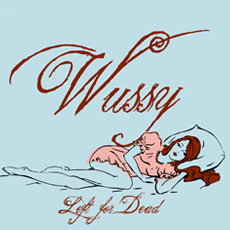
The lithesome over-thirty gang go back-jack do-it-again for beefed-up ’07 long-player, Left For Dead (Shake It Records), laying on s’more dusky satire but always remembering to tersely bring out the noise. One-upping the bitterly dire referencing of ‘05s equally ominous titular titillation, Funeral Dress, the oft-times better Left For Dead’s roughhewn boogie down rockers, employed judiciously in concert, confidently counterbalance refreshingly provocative Appalachian folk-acoustic retreats.

At Maxwells in Hoboken this March, the burly, longhaired, scraggly-bearded Cleaver looks like Jerry Garcia on a bender, contrasting frail cutesy-faced co-leader, Lisa Walker, whose vivacious personality helped make her the focal point.

“Fifty and beyond I’m gonna look like a tramp,” the 48-year-old Cleaver jokingly guffaws over macaroni-and-cheese dinner beforehand.

He confides, “I don’t particularly like being the front person. I like playing guitar and composing. She’s easier to look at. That may sound chauvinistic, but it’s true.”

Live, his inelastic voice has a huskier masculinity, and hers, a deeper emotional resonance. Their repertoire gets executed abrasively louder, but not at the expense of persuasive melodic eloquence. Cleaver’s a right-staged corner-bound dark figure sparking spontaneous riffs while fellow singer-guitarist Walker’s the surprisingly assured central focus. Forming the resolute rhythmic backbone are efficient bassist Mark Messerly and athletic drummer Dawn Burman.

Wearing a fancy cheaply-bought leather-billed wool-topped corduroy-backed cap, Cleaver, retired leader of admirable major-labeled Americana band, the Ass Ponys, began doing solo dates a few years back, convincing Walker (whom he met “in passing”) to sing along at local venues. He’d write lyrics down for Walker during rehearsal and felt the onstage interplay “sounded wonderful.”

“We were a two-piece. Then we found Mark,” Cleaver recalls. “At our first few shows, we told people even though we’re quiet now, we’re gonna be loud one of these days.”

Accordingly, the zealous threesome learned as they went, acquiring sturdy stick-handler Burman to fill out and add punch up the impulsive Cleaver-Walker originals.

“I’m not really a lead guitarist. And Mark never played bass,” Cleaver insists. “It was learn as you go. Lisa and Dawn had never been in a band. We sucked for a long time and got better. I like that. The Ass Ponys weren’t any good at first. You get better. There’s an element of surprise.”

Undeniably, Cincinnati’s incestuous underground scene, conducive to moonlighting musicians setting up ancillary collectives, also befits Cleaver and Walker. They sometimes play out under the alias of Appalachian Cancer. Moreover, Walker’s on one record by Chi-town folk-pop band, the Haywards, and sidelines in “super duper side project,” the Evil Chauncers.

“There’s soul to the North, bluegrass and Country to the South,” Cleaver adds. “We don’t have to be cool. Observing the hipster trends for the last two years, what’s cool changes and quickly falls out of fashion. Cool bands mostly snub us, but then fade away.”

“We’re right near the Mason-Dixon Line and are closer to the economically depressed recession,” Walker chirps in.

Though Walker’s father had a nylon-string Classical guitar she learned Dylan-composed Peter Paul & Mary songs on, the then-teenaged lass never picked up an electric 6-string. Notwithstanding constant practice working out chord arrangements a decade thereafter, she daringly performed in front of small crowds before being totally ready, which may’ve “scared the shit” out of her, but over time led to greater sonic development.

Burman interjects, “I have to say when I didn’t know how to play drums, it was humiliatingly awful. At least I had three people in front of me. This was Lisa’s first band and she’s learning onstage in the center of it all.”

Walker chimes in, “Chuck always said if people threw shit at us, he’d block it. But someone threw a fish at him one time.”

“Yeah,” Cleaver smirks. “Opening for (noise-rock Industrialists) Jesus Lizard, they hit me full-on. I guess they were gonna save it for David Yow. But they got this frozen fish from the market – it was heavy – and it hit me right in the chest.”

Nevertheless, Cleaver points towards his band mates then proudly proclaims, “These people have passion. I don’t wanna play with guys who could do all the licks. That doesn’t interest me. I appreciate that in other bands. Most bands we play with are more musically proficient. But they can’t bring across our melodic sense. They’re not gonna beat us at writing. We’re good goddamn writers. I’m not good looking. I can’t fuckin’ sing, but motherfucker, I could write! Lisa can do both. She’s also taught me how to sing better and get on key once in awhile.”

Left For Dead’s hard-driving weather-beaten tone could best be summed up by Cleaver’s nasally snarled vindication, “What’s His Name.” On the other end, his earnestly capitulated balladic quiver suits warbled lead-in, “Trail Of Sadness” (re-addressing the debut’s whiny opening frailty, Airborne”). In between, the eruptive Walker-sung dual-axe scree, “Rigor Mortis,” and the sinisterly scarifying, “Killer Trees,” call to mind blistering Sonic Youth scrums.

Against the grainy bulk, Walker captures some of Joni Mitchell’s poetic mellifluence and much of Chrissie Hynde’s quavered love-struck urgency on the euphonious “Mayflies,” whereas fervid resplendence, “Jonah,” infrequently summons the jangled Brit-folk lucidity of Fairport Convention alumnus, Linda Thompson.

As with Funeral Dress, shrapnel-like fuzz-pedaled guitar sprees come and go alongside occasional heartland romancers. In comparison, the storm-tossed “Melody Ranch” reinvigorates the full-blown climactic tempest of “Yellow Cotton Dress” (sans xylophone, bells, and carnivalesque organ whirl).

“Wussy is my favorite thing I’ve ever done. It’s a privilege to do this,” Cleaver fervently declares.

“I started out at age 30 in the Ass Ponys,” he concludes. “I had a house and family. We’d figure costs to go out on the road and get more money each time. We milked (A & M Records) for three years. But Wussy won’t be able to go tour again for at least another year. I have to lay stone when I get home in three days – go back to work. We’ll do local gigs and hit D.C. and Baltimore, but Dawn’s a school teacher, Mark’s a music teacher, and Lisa manages a vegetarian restaurant.”

Post-set, Walker presumes they’ll get home and once again pen a few new tunes, pile ‘em together, and see which ones float.

Pragmatically, she concedes, “We’ll scratch a few up, go in with the little group, and some ideas will or won’t work. It just so happened more of mine were used this time. We do it the Beatles way – singing what we write, usually. Next time, we want to expand our range. We did a new fast one tonight, “Death By Misadventure.” But that’s not far off the beaten track.”