On tap at Kitchen & Beer Bar, mediocre copper-browned moderation retains dewy fungi mossing as dried cocoa, dark floral and chestnut wisps loiter near wavered burnt-toasted pilsner-Vienna malting.
On tap at Kitchen & Beer Bar, mediocre copper-browned moderation retains dewy fungi mossing as dried cocoa, dark floral and chestnut wisps loiter near wavered burnt-toasted pilsner-Vienna malting.
On tap at Kitchen & Beer Bar, underwhelming Czech dark lager utilizes rhubarb-like buckwheat to sop up dark cocoa dryness and dark-roast hops, gaining slight almond, chestnut and date dollops above soggy bread-crusted pumpernickel rye base.
Sedate caramelized rye spicing sidles dried cocoa powdering as crisp tobacco roast drifts into tertiary brown tea, truffle mold and mossy peat snips.
Dewy orange-oiled earthen gourd musk seeps thru astringent Noble hops, lightly caramelized barley malts and traditional lager yeast, picking up bread-crusted burnt toastiness. Mediocre Oktoberfest.

On tap at Triton – Long Beach Island, fluffy cream head rises above golden-bodied summer lager inspired by tropical dry-hopped India Pale Ale. Brisk lemony grapefruit bittering, navel orange peel tang and salty pineapple souring receive mild herbal spicing. Crushable citrus suds.
Dry maize-flaked Mexican dark lager flips peat mossy brown tea musk onto earthen truffle crisping, black peppered herbage, wispy blackcurrant tartness and light smoked beechwood remnant. Richer and more tasty than usual Mex suspects.
Lightly barley-smoked secondhand cedar char stays too subtle for murky peat dewing, musky orange oiling, and coarse hop bittering as pasty whiskey thicket spreads.
Thin, lo-cal (3.7%), puffy white-headed, gold-cleared light body collab with 2SP obtains dry sea-salted pretzel stead given sour lemon-dropped orange oiling, wet papered dough pasting, corn whiskey whims, white grape esters and cabbage musk. A slightly offbeat pilsner malted Bohemian snack.
COLLEGEVILLE, PENNSYLVANIA
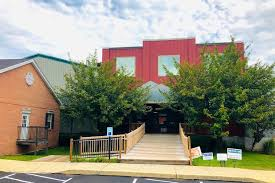
In the vibrant Montgomery County borough of Collegeville near Perkiomen Creek, TROUBLES END BREWING started operations March 2020 at the former home of Appalachian Brewing, crafting nearly 100 brews in its first five years. Specializing in mostly soft-toned dry beers, lead brewer Zack Svoboda formerly handled the tanks at nearby Ambler’s Forest & Main.
Rustic reclaimed wood and corrugated steel adorn the spaciously high-ceilinged wood-columned barn house pub. There are 28 scrap wood-boarded draught handles at the 25-stool bar (decorated by lacquered counter-topped backlit flower enclosures). Several blue-seated metal tables bedeck the windowed kiosk-like interior setup. A small stage area, backroom lounge and mezzanine fill out the industrialized Troubles End.
A summer biergarten has just opened up as my wife and I soak up liquid gold and dark suds on this sunny Saturday afternoon May ’26. We also enjoyed noshing on roasted red peppered hummus and applewood-smoked pickled brined wings.
Dry light-bodied Italian pils, Tutto, sank musky honeysuckle whims into rustic dark floral hop astringency and sugary cereal-grained pilsner malting.
German-styled leichtbier (a.k.a. light lager), Golden Pretzel, brought dry lemony hop fizz to sea-salted Bavarian pilsner malts, finishing like a Philly-styled soft pretzel.
Another dry easygoer, Skald, a light lager, let musky floral-herbed Fuggle hops reach crisply barley-roasted sourdough breading.
Stainless-steel Lukr side pour, Baas (Hammer), a dark lager, left lightly creamed dark chocolate upon mossy cedar cigar crisping.
Sour lemon and dried plantain picked up white peppered herbage for Iconique Classic Saison, a dry Saphir-hopped farmhouse ale with barnyard oats parch.
Saaz-hopped peach saison, Timeless Space, utilized wild brettanomyces yeast to yield a lemony champagne-sparkle for its tart white peach adjunct.
Soft eclair-headed, bronze-bodied, cask-conditioned ESB, Baby Barleywine, let mild orange pekoe tea pungency absorb barley-roasted rye and Scotch malting.
Also on cask, dry English-styled pub stout, Viceroy, retained soft creaming for nutty dark chocolate, Blackstrap molasses and earthen wet wood.
NORTH WALES, PENNSYLVANIA
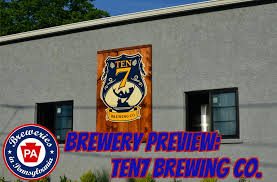
Inside a grey stucco mechanics workshop near North Wales’ railroad station, veteran family-owned TEN7 BREWING CO. opened October 26, 2018 (and abruptly closed September ’26). Head brewer Matt Nitchke crafts a tidily rounded cornucopia of oft-times slightly offbeat beers, learning his art alongside homebrewers Bob Heger and Gerry Viglietti, who’d experimented with back porch extract stovetop brewing (by incorporating five-gallon pots for steeped specialty grains and boiled malt extract).
Teamed up in a glorified cement-floored, overhead-doored garage, Ten 7’s principals set up thier Industrial-styled pub with olden corrugated aluminum walls, lacquered bark bar top, mantled white tile draught handles and two side TV’s. Six canary yellow plastic stools, a few ’60s-era couched and chairs, several wooden community tables and an imposing brewtank staging area fill out the high-ceilinged interior. There’s a Ten7 Brewing insignia hanging from the center of the bar. A back deck provides further seating.
My wife and I traveled to the northern Philly suburbs early May ’26, stopping first at this humble ‘barndominium’ around 3 PM on a Thursday, taking home a half-dozen more beers (reviewed in Beer Index).
Easygoing dry pale ale, Blonde, Jane Blonde, strapped cucumber-watered watermelon rind earthiness to soft white breading in unconventional fashion.
Dry lemony herbal spicing crackled for lightly peppered kolsch, Did We Just Become Best Friends, a briskly crisp moderation.
Treacly hazy India Pale Ale, It’s Always Honey In Philadelphia, combined lemony orange rind bittering, briny mango-guava tartness, peachy clementine sweetness and mild grapefruit swipe with light herbal spicing above golden honey malts.
Lovely milkshake India Pale Ale variant, Milky Milky Shakey Shakey: Strawberry, draped milk-sugared vanilla creaming upon tart strawberry puree insistence and salted mango-guava subsidy, leaving its sharp citric hop bittering to contrast the sweet fruited medley given oated wheat flake spine.
2025 barrel-aged Imperial Stout Cuvee, Living In Darkness, brought dry oaken vanilla tannins and whiskeyed cocoa nibs to cuvee-inspired French wining, picking up pinot noir and dry port notes as well as wispy rye spicing and wayward strawberry tartness.
SKIPPACK, PENNSYLVANIA
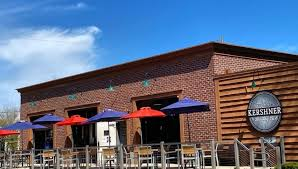
In a red brick old farmhouse with brown overhead doors in Skippack Village, BROTHERS KERSHNER BREWING COMPANY hit the ground running in 2018. Amongst small boutique shops, custom cuisine, cultural art centers and a winery, Skippack is very reminiscent of New Hope (a half-hour away in northeast Pennsylvania). A refurbished auto body shop, Brothers Kershner now produces a diverse range of beers with a ‘focus on India Pale Ales.’
The rustic interior includes wood floors, block tables and a ten-seat magnetic silver metal bar top. An interior overhead door separates the barroom from a small banquet room. Rear brew tanks and Industrial pipes fill out the space. A small deck with plastic benches, wooden seats and strung Edison lights offer further seating.
Founding brothers, Basil and Kevin Kershner, have expanded their operations in 2025 to include a new 3,000-square-foot taproom, Brothers On The Brandywine Beer Garden, in nearby Coatesville. On top of the varied beers are fine pub fare, white and red wines, hard seltzers and cocktails.
My wife and I visited on a beautiful Friday at noon, early May 2026, sucking up ten sundry suds.
Salty lemon musk and herbal Noble hops gave gold-cleared flagship German pilsner, Johan, a slightly bitterer stylish spunk above dry barnyard cereal graining.
Lemon-limed Mexican lager, Zesty Bestie, let dry lime zesting contrast lemony rock candy sugaring as cologne perfumed musk spread thru tertiary lemongrass, agave, parsley and floral whims.
Dewy English Special Bitter ‘pub ale,’ Baker Street, swept dried currant fruiting across French breaded pumpernickel base.
Another English-styled ale, a collab with Philly’s Requiem Bar, Gold Horn, brought soily compost and vegetal earthiness to dry rye toastiness.
Yet another Brit-influenced ale, English dark mild, Moon, stayed dry as dark chocolate, black coffee and nutty espresso tones gathered comfortably.
Semi-strong (7.7% ABV) dark lager, Doppelbock, embraced molasses-sapped raisin breading and sedate plum-date whims given honeyed wheat sway.
Dry orange-spiced pale malting picked up musky hop astringency for moderate-bodied pale ale, Porch, leaving mild IPA-like piney grapefruit bittering on its back end.
Another steadfast year-round flagship, ‘Classic American IPA,’ Bing Bang Pow, placed floral citrus spicing across grassy hop astringency.
Softly citrus perfumed Belgian IPA let vodka-nipped grapefruit rind bittering and lemon musk ride atop lightly oated wheat creaming, picking up latent blackcurrant, blood orange and yuzu snips (hiding any true Belgian influence).
Robust Imperial Stout (a 10% ABV dark ale on the ‘beer engine’) sported milk-sugared coffee, dark chocolate and molasses richness, gaining black cherry, blackberry and blackcurrant swipes.
NESHAMIC STATION, NEW JERSEY
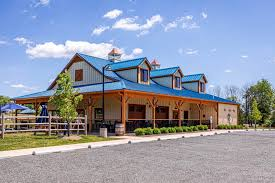
At the semi-rural picturesque community of Neshamic Station, a few miles east of the Delaware River fifty miles north of Philly, READINGTON BREWERY & HOP FARM resides in a bright blue aluminum barnhouse with large wood-furnished wraparound deck. Utilizing a “bine to stein” approach promoting farm-fresh ingredients, such as proprietary vined hops, Readington’s idyllic splendor draws local families, Jersey brewhounds and varied sportsmen.
A few wagon wheel chandeliers hang from the Cathedral ceiling and two overhead doors adorn the spacious wood-framed pub interior. Community benches, wood-metal seating and a few four-seat tables lead to the twelve-seat yellow wood-topped bar (with TV’s at all corners). A picnic-tabled grass area adds further seating.
My wife and I passed thru on a Sunday at 3PM early May ’26 to imbibe three German styled beers, an English bitter and dry IPA.
Lemon-fizzed banana and clove surfaced for Open Hefe, picking up mild doughy pilsner malting to contrast wispy Noble hop herbage.
Dewy springtime maibock, To Hell N Bock, draped honeyed caramel sweetness across dry red and orange fruiting.
Delicate dried fruiting centered Alayna Doppelbock, placing mossy fungi upon raisin-date-fig scrum over buttery molasses toast.
Dewy peat moss saddled Churchill ESB, a Brit-styled pub ale plying mild cocoa powder on buttered biscuity base.
Piney floral-perfumed citrus juiced up West Coast IPA, John Paul Jones, leaving lemony yellow grapefruit, orange rind and pineapple bittering on crystal pale malting.